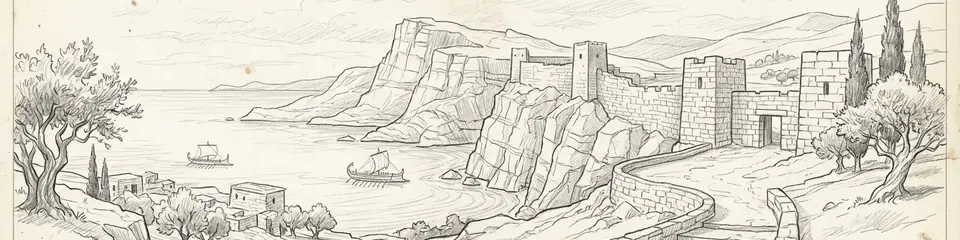
When cultural travelers search "Where was Christopher Nolan's The Odyssey filmed?", they are usually seeking two distinct layers of information: first, an exact logistical breakdown of the real-world filming locations used by the production crew; and second, how those cinematic backdrops compare with the actual, excavated Late Bronze Age (Mycenaean) archaeological settlements described in Homer’s epic.
Christopher Nolan’s The Odyssey (2026) was photographed with IMAX 70mm cameras on practical locations across Morocco, Greece, Italy, Scotland, and Iceland, supplemented by restricted soundstage shooting in Los Angeles. Below is the definitive location inventory, paired with an archaeological reality check contrasting cinematic movie sets with genuine Bronze Age excavations you can visit today.
For a deeper scholarly investigation contrasting Homeric poetry with Linear B tablets and Mediterranean excavation stratigraphy, read our companion research dossier: The Odyssey on Screen: Real Places Behind Homer's Journey.
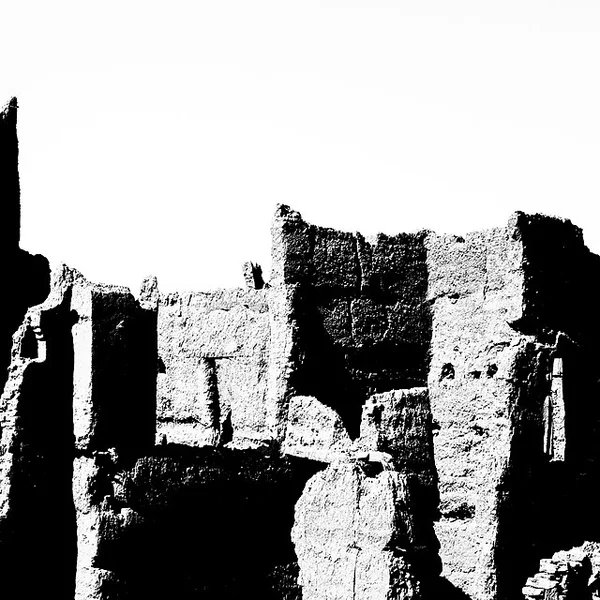
Morocco
Aït Ben Haddou
A fortified earthen ksar on the old caravan route between the Sahara and Marrakesh, its stacked pisé towers cl
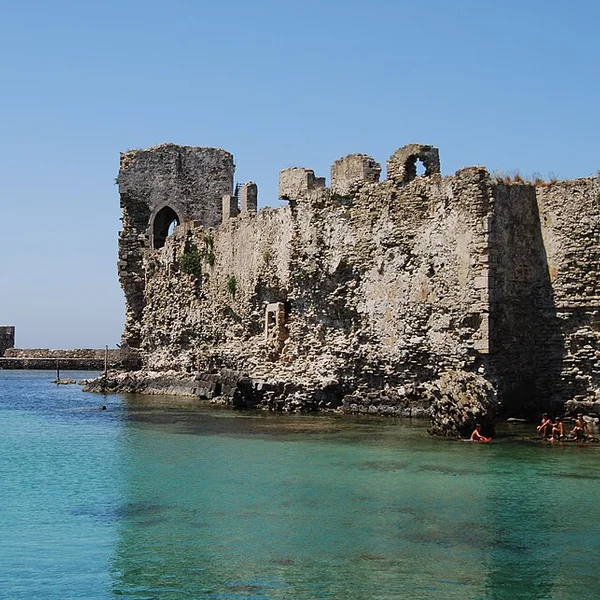
Greece
Methoni
A fortified harbour town on the southwestern tip of the Peloponnese, crowned by a Venetian castle whose sea ga
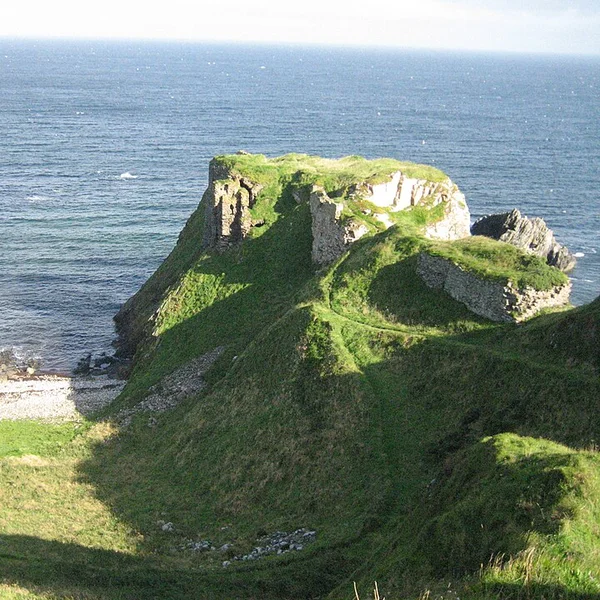
United Kingdom
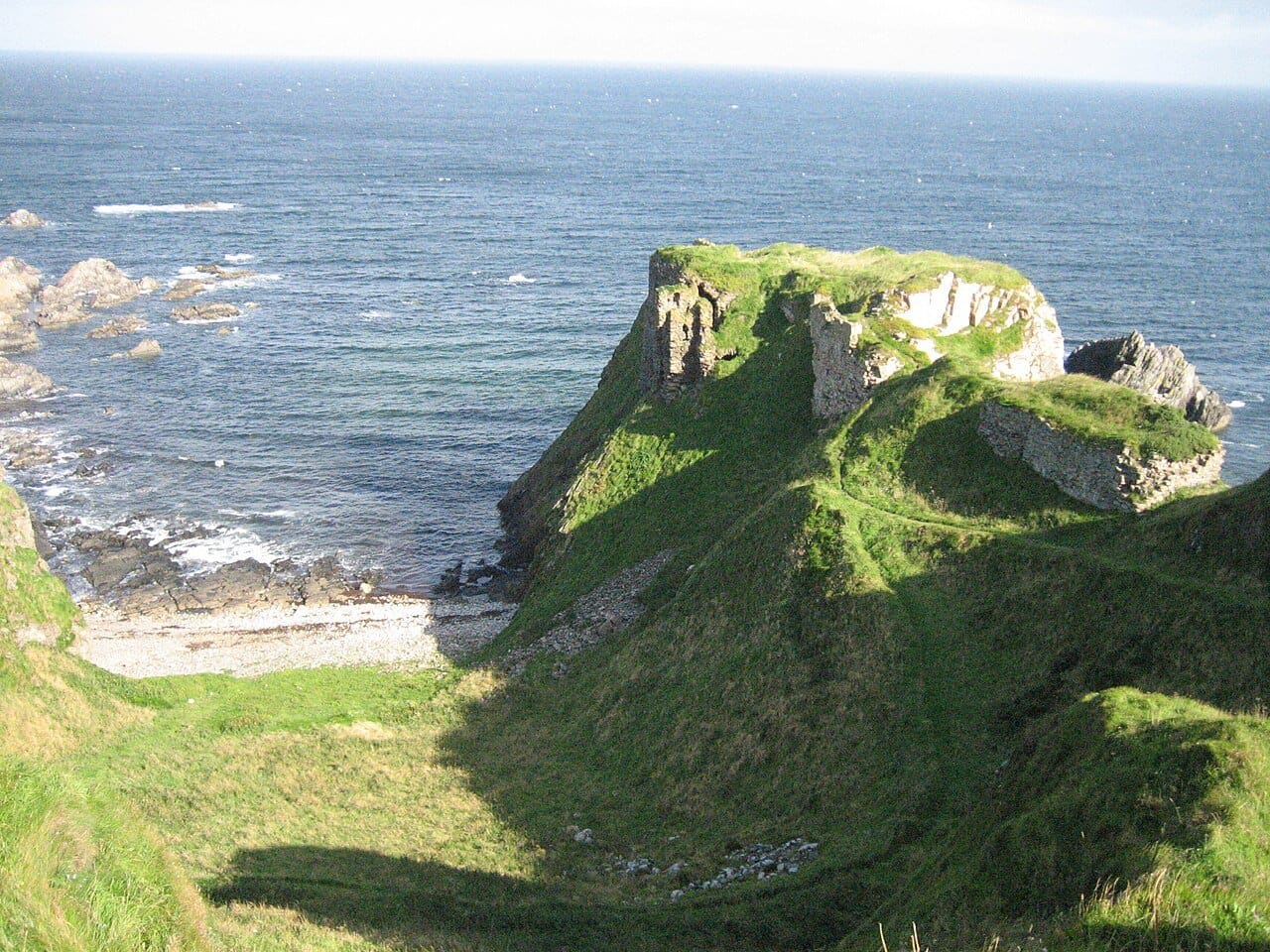
Findlater Castle
A ruined cliff castle on the Moray Firth, scheduled as a Scottish monument and used as a coastal Ithaca stand-
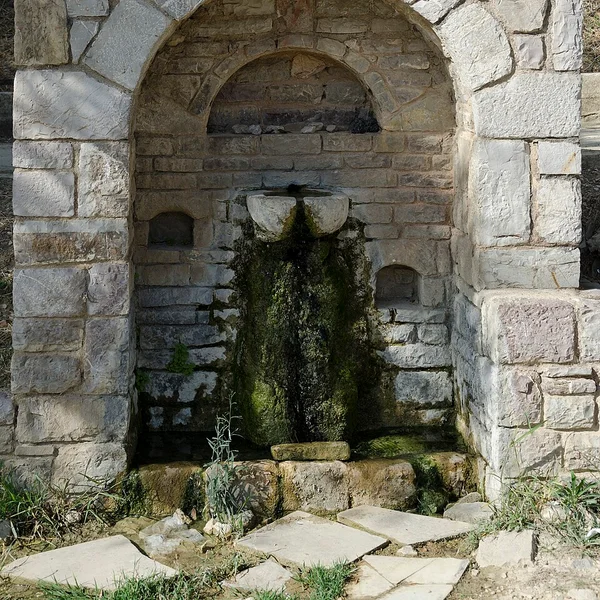
Greece
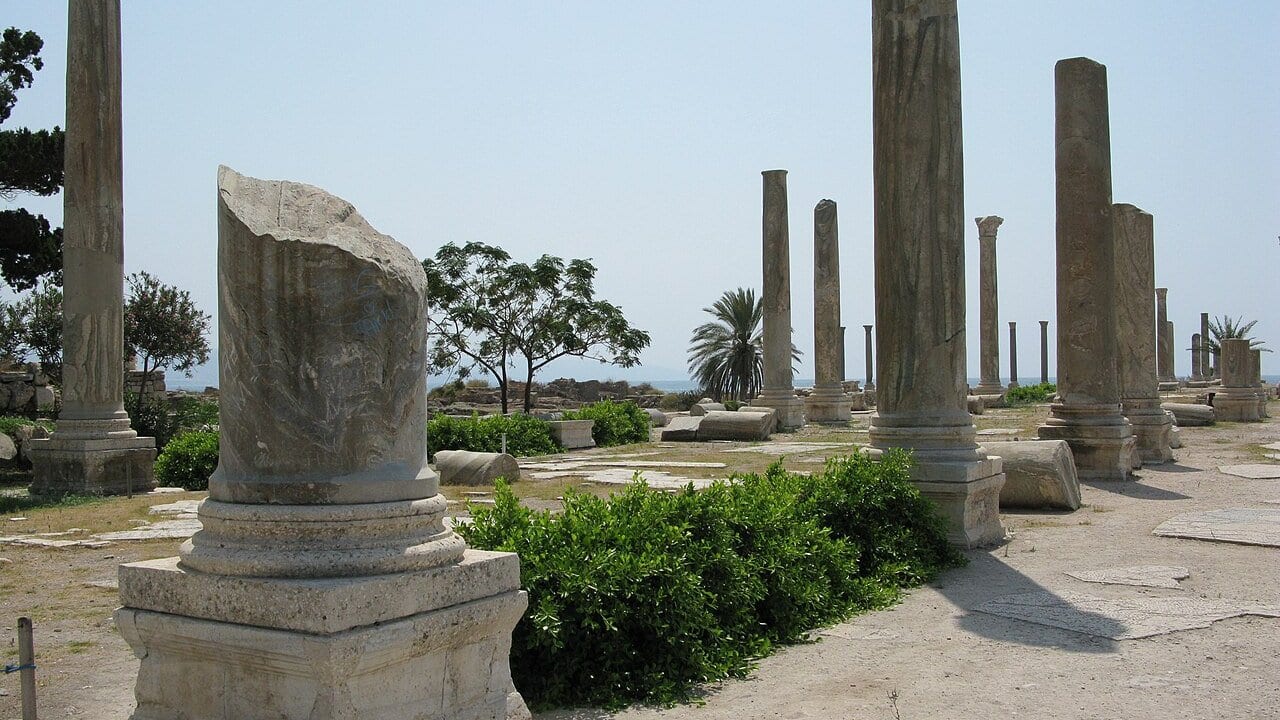
Palace of Nestor
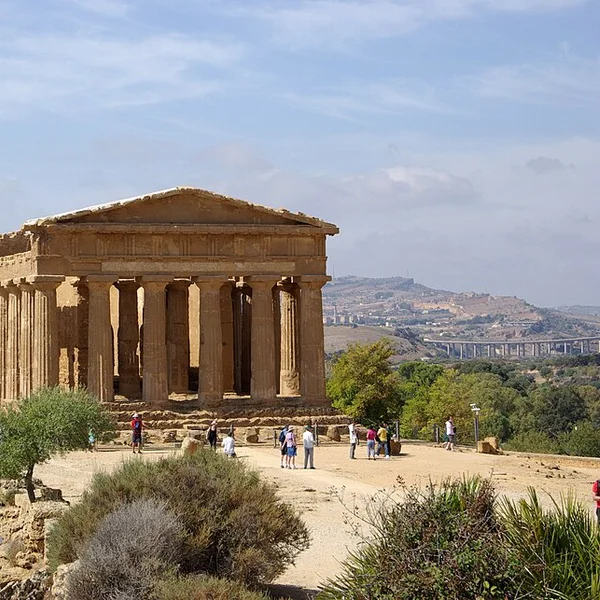
The best-preserved Mycenaean palace on the Greek mainland, built around 1300 BCE at Englianos near modern Pylo
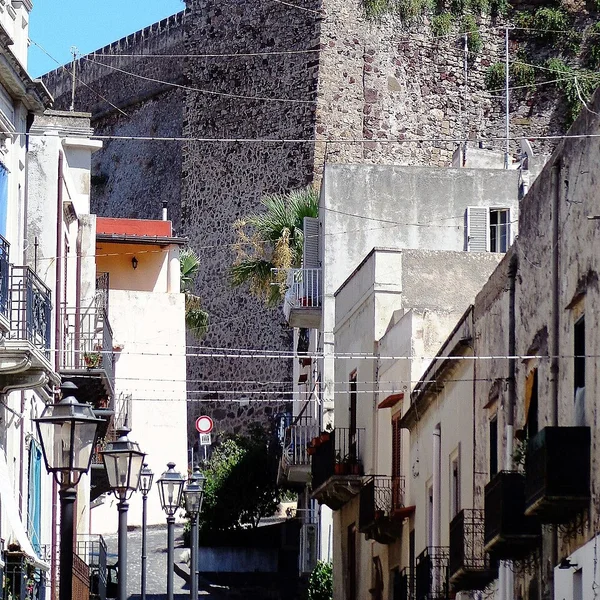
Italy
Lipari Castle
The lava acropolis of Lipari, capital of the Aeolian Islands, with Neolithic to classical stratigraphy and a G
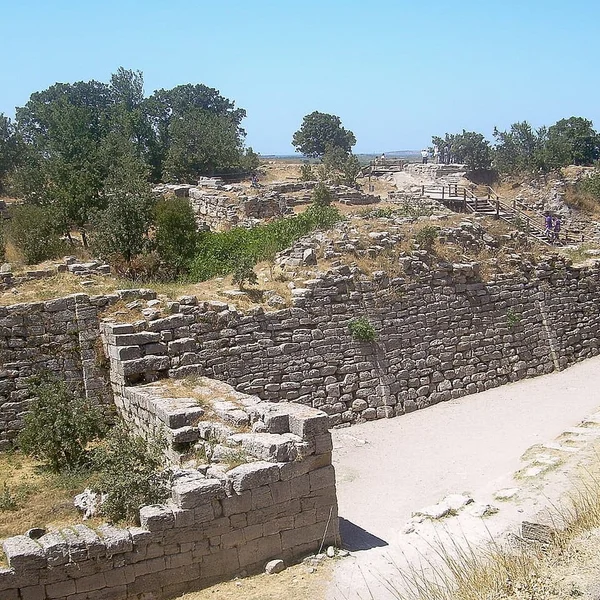
Türkiye
Troy
Nine settlement layers at Hisarlık in northwestern Türkiye, where Heinrich Schliemann dug for Homer's Troy and
1. Morocco: Cinematic Troy in the High Atlas & Sahara
To depict the fortified, sun-baked citadel of Priam’s Troy, the production unit chose not Turkey’s Aegean coast, but the dramatic red-clay earthen architecture of southern Morocco.
Aït Ben Haddou: The Mudbrick Fortress of the Ounila Valley
The primary filming location for the exterior walls, gates, and marketplace of cinematic Troy was Aït Ben Haddou, the renowned UNESCO World Heritage ksar (fortified village) in the Ouarzazate province. Flanked by date palms and towering earthen watchtowers reinforced with corner ramparts, Aït Ben Haddou has represented ancient cities in cinema since David Lean’s Lawrence of Arabia (1962) and Ridley Scott’s Gladiator (2000).
Additional secondary desert frames—depicting the vast, windswept coastal shoreline where the Greek fleet establishes its beachhead—were filmed across the white sands of the Dakhla peninsula on the Atlantic coast of the Western Sahara.
The Archaeological Reality Check: Troy at Hisarlık
While Aït Ben Haddou provides spectacular visual texture, visitors seeking the genuine historical and archaeological city of the Trojan War must travel to Troy (Hisarlık) in northwestern Türkiye. Excavations by Heinrich Schliemann, Wilhelm Dörpfeld, Carl Blegen, and Manfred Korfmann revealed that Late Bronze Age Troy (Levels VI and VIIa) was not built of Saharan earthen mudbrick, but of heavily battered limestone ashlar masonry enclosing a dense lower city, protected by a rock-cut defensive ditch.
Furthermore, 13th-century BCE Hittite royal diplomatic archives recovered at Hattusha refer to the city as Wilusa (the Hittite linguistic equivalent of Homeric Ilios), governed by King Walmu and protected by treaty with the Hittite Great King.
2. Greece: The Peloponnese and the Mycenaean Heartlands
In spring 2025, production shifted to mainland Greece and the Peloponnese, representing the closest convergence between Nolan’s cameras and real Homeric Bronze Age archaeology.
Pylos, Voidokilia, and the Palace of Nestor
In western Messenia, cameras shot along the natural horseshoe curve of Voidokilia Beach and Nestor’s Cave. This coastal lagoon sits directly below the ridge of Englianos, home to the Palace of Nestor—the best-preserved Mycenaean palace complex in the Hellenic world.
- The Megaron: Excavated by Carl Blegen, the palace features a monumental central throne room (megaron) centered around a 4-metre-wide circular clay hearth surrounded by four fluted timber columns, with vivid fresco fragments depicting griffins, lions, and lyre players.
- Linear B Tablets: In the archives room near the gateway, Blegen discovered over 1,000 unfired clay tablets written in Linear B (an early syllabic form of ancient Greek). Recorded by palace scribes just days before the palace was destroyed by fire c. 1180 BCE, the tablets document rowers being dispatched to coastal defense posts, bronze allocations to armories, and offerings of scented oil to Poseidon and the "Mistress of the Labyrinth."
Methoni and Acrocorinth
- Methoni Castle: On the southern tip of the Messenian peninsula, the sprawling Venetian-Ottoman fortress and the octagonal sea tower of Bourtzi served as the fortified sea approaches for the Greek expeditionary fleet.
- Acrocorinth: The towering monolith of rock rising 575 metres above ancient Corinth was utilized for epic vantage panoramas of Greek palace fortresses commanding trans-isthmian trade routes.
3. Italy: Favignana, the Aeolian Archipelago, and the Underworld
Odysseus's decade-long maritime wandering (nostos) required dramatic marine vistas, rocky shoals, and volcanic geology.
Favignana and the Aegadian Islands
Sea maneuvers, shipwrecks, and secluded Mediterranean cove sequences were captured around the island of Favignana off the western coast of Sicily. Renowned for its turquoise waters and sheer calcarenite stone quarries, Favignana provided authentic open-sea navigation backdrops without modern shoreline developments.
The Aeolian Islands: Realm of Aeolus
In Homer’s Book 10, Odysseus arrives at the floating bronze-walled island of Aeolus, keeper of the winds. Nolan staged these approaches among the volcanic rocks of the Aeolian archipelago north of Sicily. The historical and archaeological center of the chain is Lipari Castle, where a steep volcanic acropolis preserves prehistoric stratigraphy extending from the Neolithic obsidian trade through Greek and Roman settlements.
4. Scotland and Iceland: The Atlantic Edge and Hades
To convey the emotional isolation of Odysseus's twenty-year absence and his terrifying descent into the Underworld, the production departed the Mediterranean entirely.
Scotland: Findlater Castle as the Cliff Fortress
For northern cliff sequences depicting dramatic storm-beaten promontories, Nolan filmed at Findlater Castle on the Moray coast of northeastern Aberdeenshire. Perched 15 metres above churning North Sea breakers on a narrow quartzite headland, this ruined 14th-century Scottish stronghold was transformed via practical set dressing into an isolated coastal cliff outpost.
Iceland: The Nekyia and the Land of the Dead
In Book 11 of The Odyssey, Odysseus sails beyond Oceanus to perform the nekyia—the summoning of the shades of the dead (including Achilles, Agamemnon, and the seer Tiresias). Nolan photographed these haunting Underworld sequences across the black volcanic basalt sands of Hjörleifshöfði, the glaciers of Snæfellsnes, and the braided glacial outwash plains of southern Iceland, capturing an otherworldly, sub-polar palette impossible to replicate on Mediterranean soil.
Filming Locations vs. Authentic Archaeological Sites
| Cinematic Setting | Film Location Used | Real Archaeological Site to Visit | Key Historical Reality |
|---|---|---|---|
| Troy (Walled Citadel) | Aït Ben Haddou (Morocco) | Troy (Hisarlık) (Türkiye) | Late Bronze Age stone citadel & lower town (Wilusa) |
| Palace of Ithaca / Pylos | Voidokilia Beach & Peloponnese | Palace of Nestor (Greece) | Linear B archives, royal Megaron, terracotta bathtub |
| Greek Sea Port | Methoni Castle (Greece) | Methoni (Greece) | Strategic coastal fortress guarding the Ionian sea |
| Island of the Winds (Aeolia) | Aeolian Islands & Favignana | Lipari Castle (Sicily) | Volcanic obsidian trading acropolis & Bothros of Aeolus |
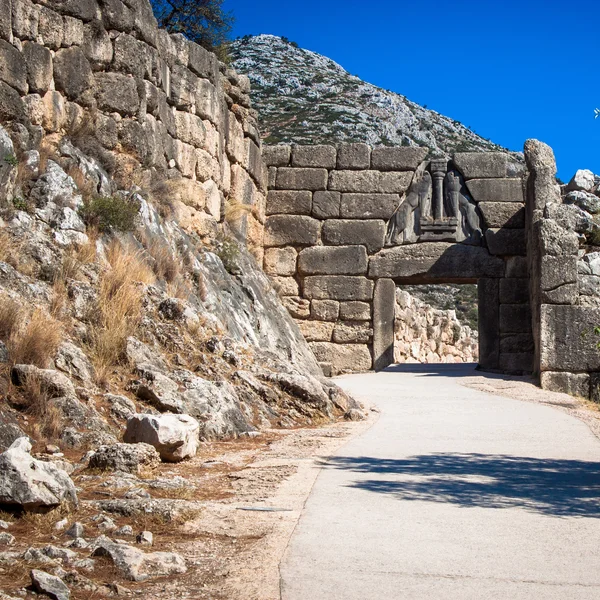
| Cliff Fortress Promontory | Findlater Castle (Scotland) | Mycenae / Tiryns | Cyclopean stone masonry & Lion Gate |
| Hades / Underworld | Black sands of Iceland | Nekromanteion of Acheron (Epirus, Greece) | Subterranean Hellenistic oracular consultation chamber |
Confirmed, Inferred, and Debated Claims
The film's walled Troy was filmed at Aït Ben Haddou in Morocco
The Palace of Nestor preserves real administrative records from the Trojan War era
Homer's Ithaca corresponds exactly to modern Thiaki (Ithaca)
Findlater Castle in Scotland was built in the Bronze Age
Homeric heroes fought with iron swords during the Trojan War era
Explore Next
- Deep Dive: The Odyssey on Screen: Real Places Behind Homer's Journey
- Visit the real Troy: Troy Excavation Dossier on Atlas
- Explore Mycenaean citadels: Mycenae · Tiryns · Palace of Nestor
- Interactive Map: Browse All Bronze Age Mediterranean Sites
Last updated: October 2026
Morocco
Aït Ben Haddou
A fortified earthen ksar on the old caravan route between the Sahara and Marrakesh, its stacked pisé towers cl
Greece
Methoni
A fortified harbour town on the southwestern tip of the Peloponnese, crowned by a Venetian castle whose sea ga
United Kingdom
Findlater Castle
A ruined cliff castle on the Moray Firth, scheduled as a Scottish monument and used as a coastal Ithaca stand-
Greece
Palace of Nestor
The best-preserved Mycenaean palace on the Greek mainland, built around 1300 BCE at Englianos near modern Pylo
Italy
Lipari Castle
The lava acropolis of Lipari, capital of the Aeolian Islands, with Neolithic to classical stratigraphy and a G
Türkiye
Troy
Nine settlement layers at Hisarlık in northwestern Türkiye, where Heinrich Schliemann dug for Homer's Troy and