When Homer's Odyssey returns to the screen, places that lived mainly in footnotes start to feel bookable. You can stand on the citadel at Mycenae, walk the tell at Troy, or ferry to Ithaca. Then the credits roll and you learn the walled city on film was shot in Morocco, while the Bronze Age settlement waits on the Dardanelles. This guide links every Atlas stop that grounds the epic in archaeology or in Nolan's reported location work, and it keeps poem, dig, and camera in separate columns.
Open the Peloponnese compare set beside the Aegean and film set, or jump to our SEO map of where The Odyssey was filmed.
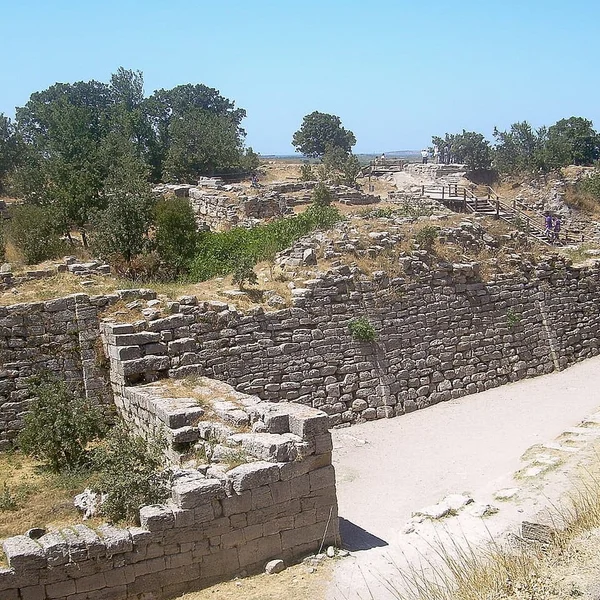
Türkiye
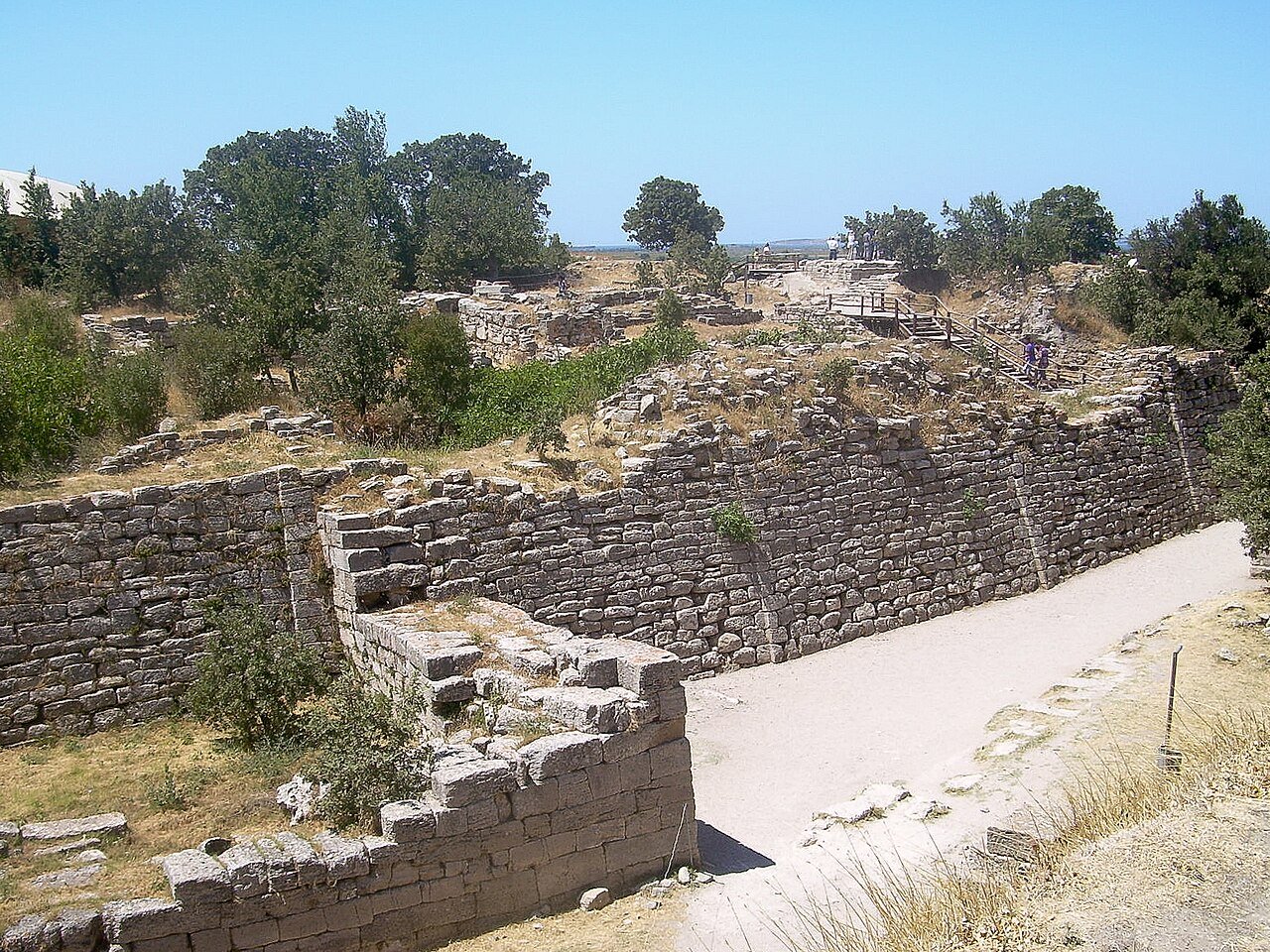
Troy
Nine settlement layers at Hisarlık in northwestern Türkiye, where Heinrich Schliemann dug for Homer's Troy and
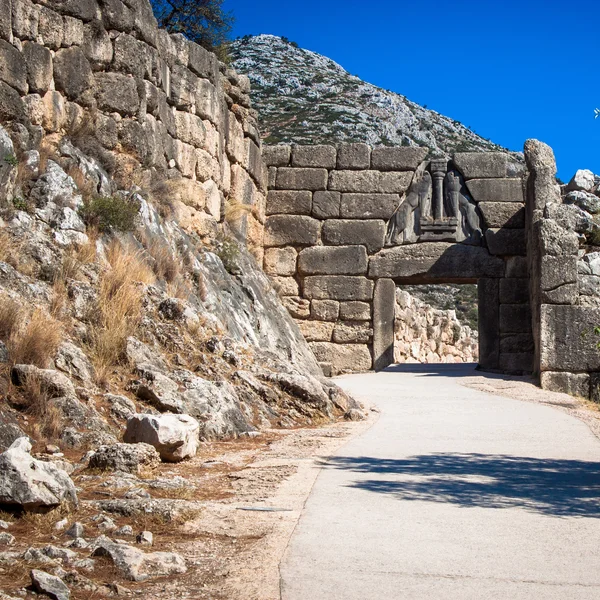
Greece
Mycenae
Citadel of Agamemnon in the Argolid, its Lion Gate and Grave Circles defining our image of Late Bronze Age Gre
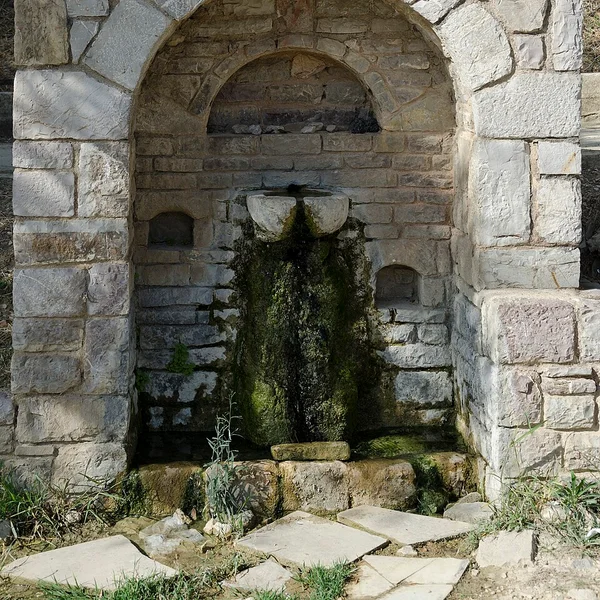
Greece
Palace of Nestor
The best-preserved Mycenaean palace on the Greek mainland, built around 1300 BCE at Englianos near modern Pylo
Greece
Ithaca
The Ionian island identified since antiquity as Odysseus's rugged homeland. Archaeological work at Pelikata hi
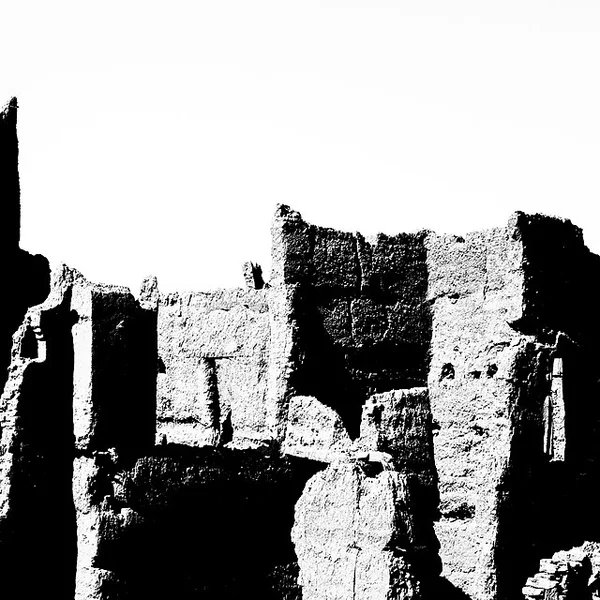
Morocco
Aït Ben Haddou
A fortified earthen ksar on the old caravan route between the Sahara and Marrakesh, its stacked pisé towers cl
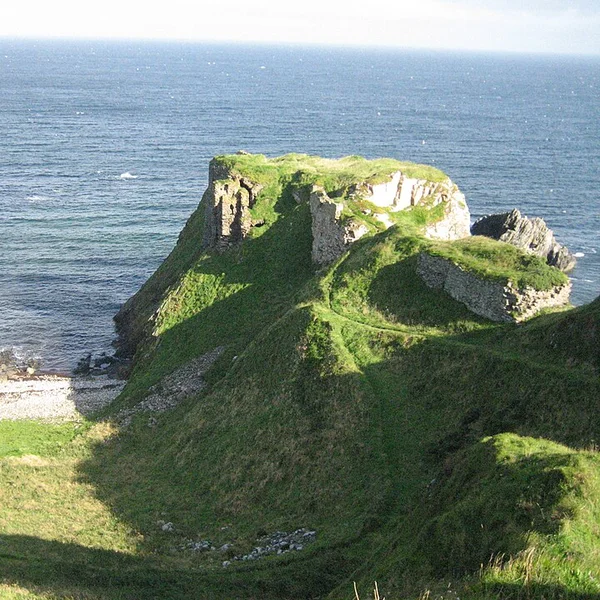
United Kingdom
Findlater Castle
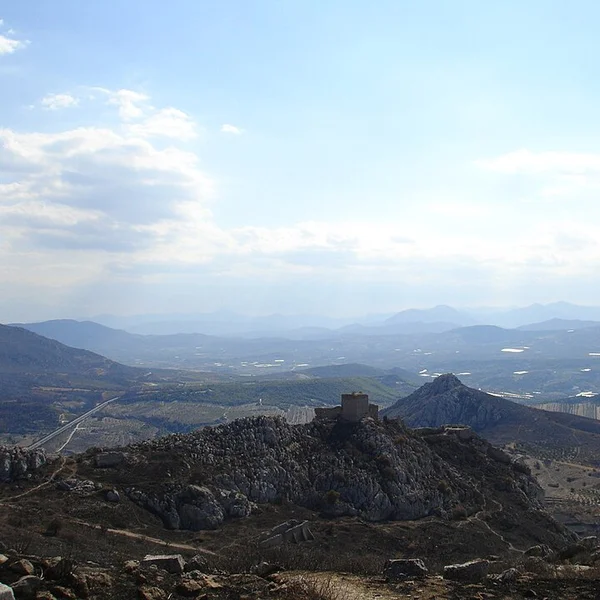
A ruined cliff castle on the Moray Firth, scheduled as a Scottish monument and used as a coastal Ithaca stand-
Troy: poem, Hittites, and the Moroccan screen
Homer's Iliad stages the Trojan War. The Odyssey begins after the city falls. Archaeology at Troy (Hisarlık, Türkiye) shows nine settlement layers. Troy VI and VIIa fit the era when Hittite tablets mention Wilusa in northwest Anatolia. That is not proof of Achilles and Hector. It is proof that powerful states fought over this corner of the Hellespont.
Christopher Nolan's Odyssey filmed exterior walled-city work at Aït Ben Haddou, a seventeenth-century Berber ksar on the Morocco caravan route. UNESCO listed the earthen towers in 1987. Gladiator and other epics used the same ridge. The film's Troy is mud brick under Atlas sun. Excavated Troy is stone and brick on the Dardanelles. Both trips are honest if you label them correctly.
Mycenaean Greece: kings, palaces, walls
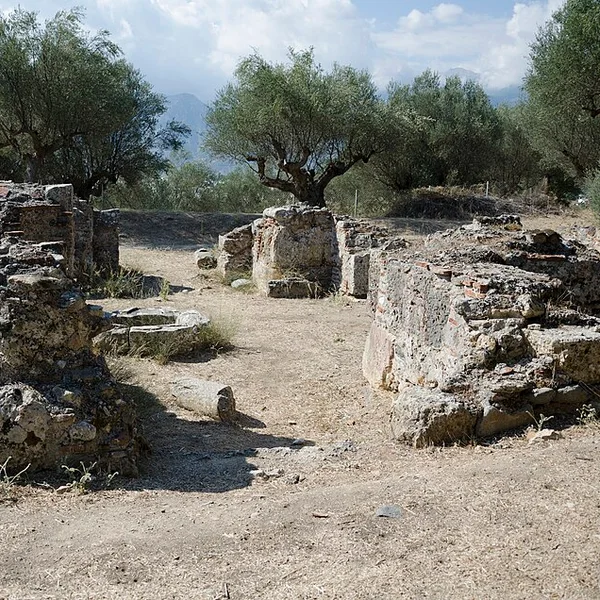
The poem opens on Ithaca, but Telemachus sails to Pylos to ask Nestor for news of Odysseus. The Palace of Nestor at Englianos is the best-preserved Mycenaean palace on the mainland: frescoes, wine magazines, and Linear B tablets baked hard in a fire around 1180 BCE. Nearby Voidokilia beach and Nestor's Cave supplied Greek unit photography for Cyclops-adjacent work in 2025.
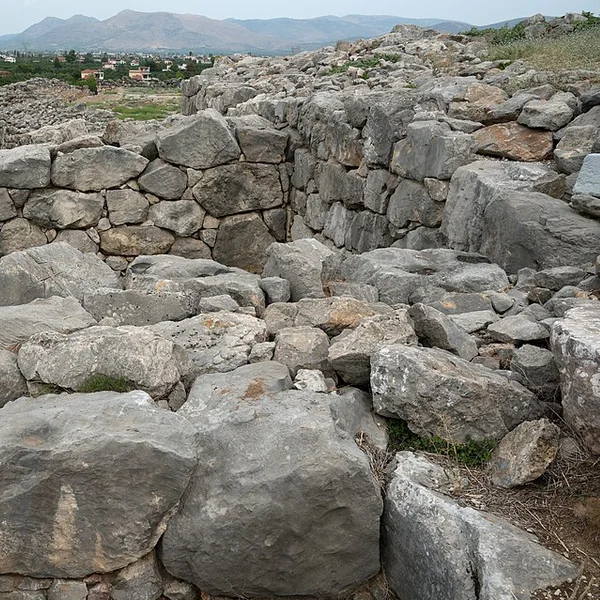
Mycenae and neighbouring Tiryns still carry the Cyclopean walls that later Greeks thought too big for ordinary builders. The Lion Gate, Grave Circle A, and tholos tombs shaped every later picture of "Heroic Age" Greece. Sparta, home of Helen and Menelaus in the Trojan tradition, left fewer stones but keeps Laconia on the mythic map.
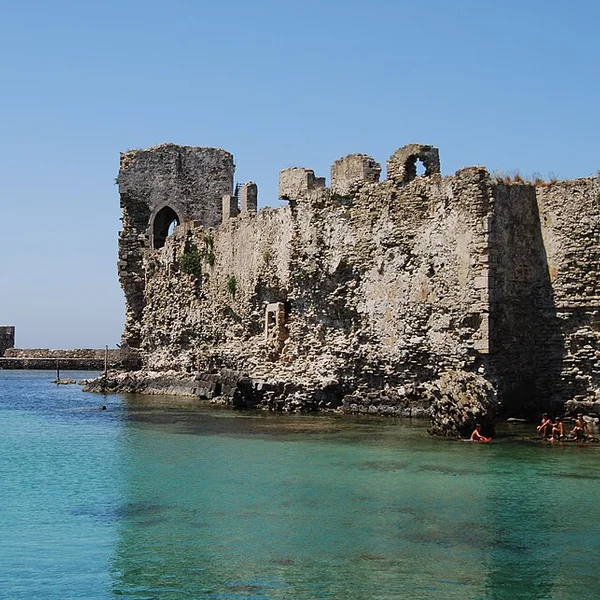
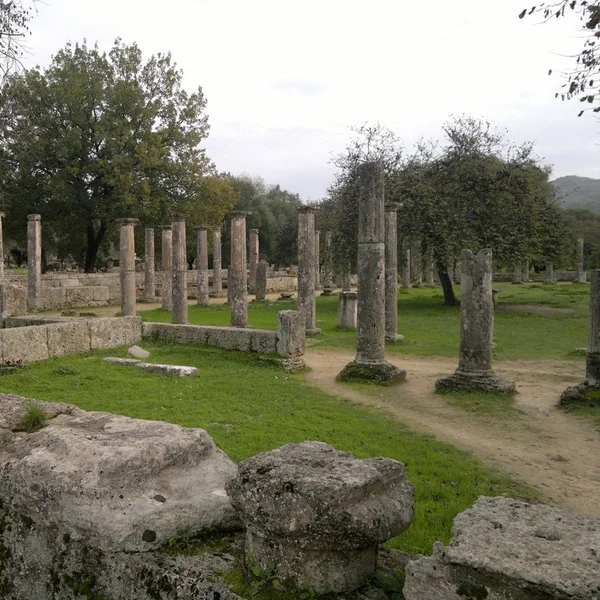
Along the southwestern coast, Methoni's Venetian castle guards the Ionian channel near Nestor's kingdom. Productions scout this shoreline when they need a fortified harbour and Messenian light. Inland, Olympia postdates Homer as a pan-Hellenic sanctuary, yet any modern Greek itinerary that follows kings and games eventually reaches the Altis.
Phaeacians, Aeolia, and Sicily
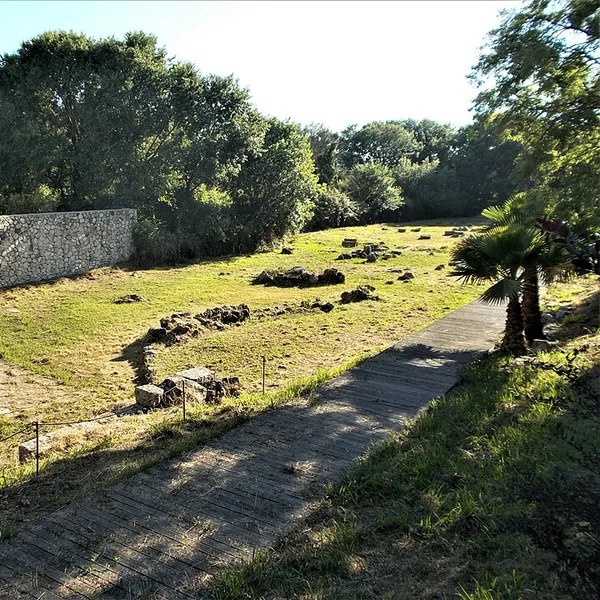
Local tradition still calls Corfu the island of the Phaeacians. Walk Palaeopolis on the Kanoni peninsula for Archaic temples, harbour works, and the city Thucydides ranked among Greece's naval powers. Whether Corcyra equals Homeric Scheria is a literary question. The stones are real.
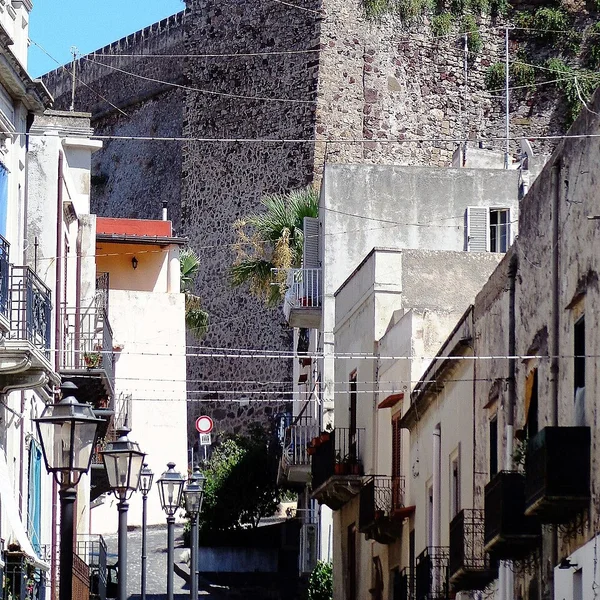
Homer's floating island of Aeolus belongs to poetry. The excavated acropolis at Lipari belongs to Neolithic traders, Bronze Age villages, and a Greek bothros of Aeolus inside the Spanish citadel. Nolan's units also worked the Aeolian and Aegadian seas, with Favignana widely reported as an Ithaca stand-in for ship and beach work.
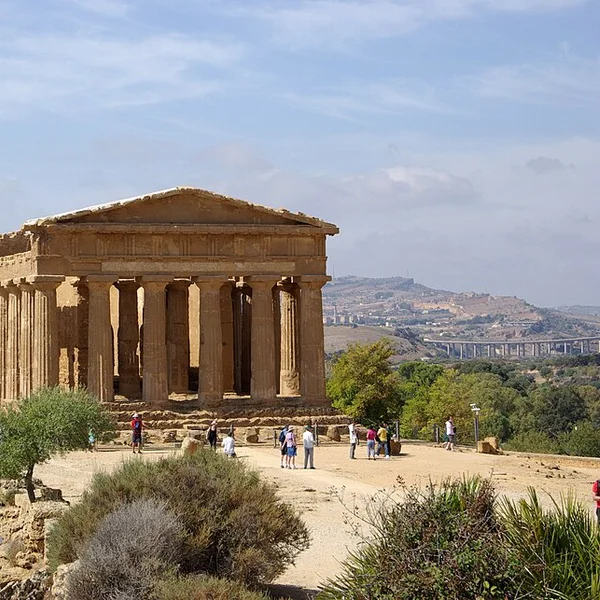
Sicily's Greek west coast offers a different kind of Homeric echo. The Doric ridge at Agrigento (ancient Akragas) is not a named Odyssey stop, yet it shows the scale of western Greek temple building that later readers projected onto Cyclops country and colonial myth.
Crete, Delphi, and the wider Greek world
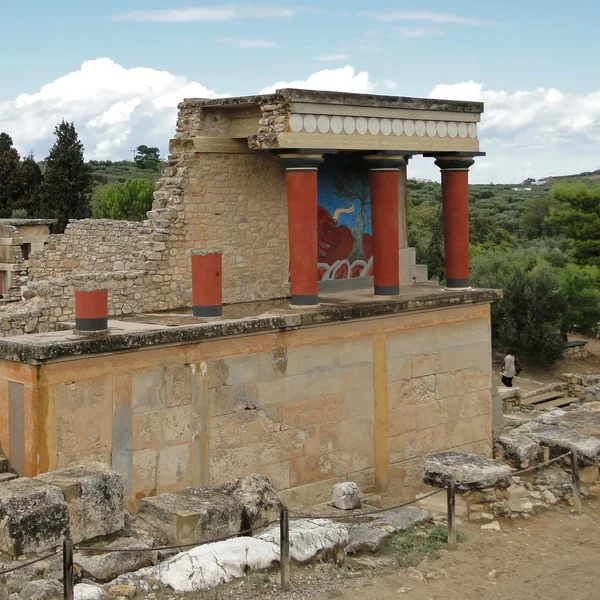
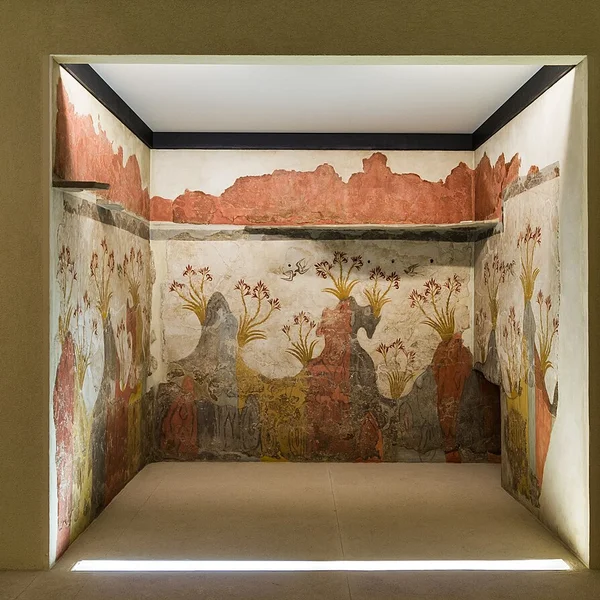
Odysseus tells stories of Crete. Minoan Knossos explains why later Greeks imagined labyrinthine palaces and bull cult on the island. Compare Evans's reconstructed throne room with Akrotiri on Thera, a Bronze Age town sealed in ash without modern concrete additions.
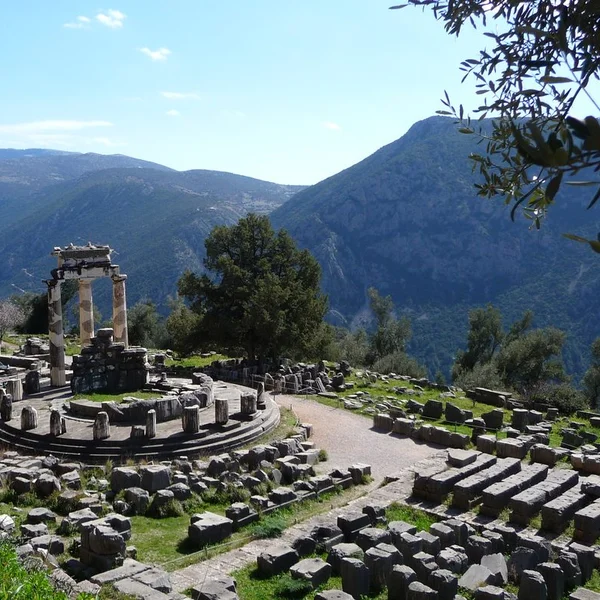
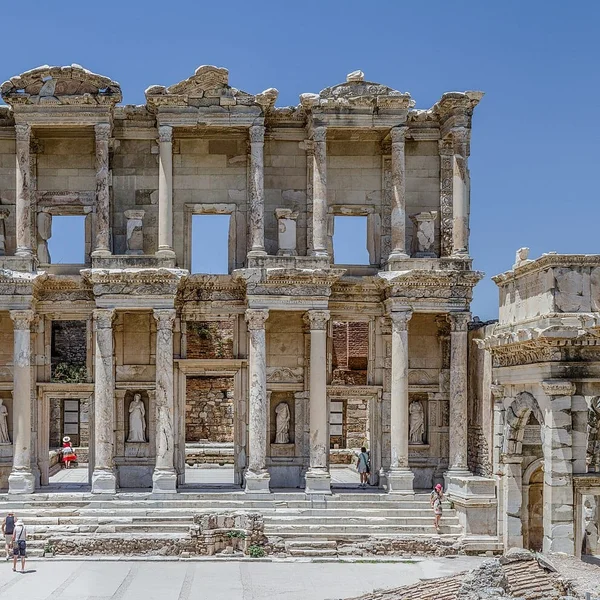
Delphi grew into a pan-Hellenic oracle after Homer's composition date, yet any modern retelling of Greek myth inherits Apollo's Pythia as a voice of fate. On the Isthmus, Corinth and Acrocorinth controlled the pass between central Greece and the Peloponnese. Nolan's Greek unit also used the Acrocorinth ridge for palace-adjacent exteriors. Across the Aegean, Ephesus shows how Roman marble cities later rose on coastlines Bronze Age Greeks already sailed.
Film geography on the atlas (and off it)
Not every reported Nolan location is an archaeological park. Findlater Castle on Scotland's Moray Firth supplied cliff and castle texture for Ithaca-adjacent scenes. Iceland (Hjörleifshöfði, Snæfellsnes, Markarfljót) carried underworld mood. The White Dune near Dakhla added Sahara emptiness. Favignana remains an island landscape more than a published Atlas dig. We list heritage sites here; we name film-only beaches and dunes so you do not confuse a Scottish cliff with Homer's harbour.
How to read evidence on each site page
Atlas labels claims Confirmed, Inferred, or Debated on every site. Homeric names are not automatic Confirmed tags. When a page links Wilusa to Troy, that is Inferred with strong Hittite support. When a ksar stands in for Troy on film, that is cultural fact, not Bronze Age stratigraphy.
Suggested route: start with Troy and Aït Ben Haddou to calibrate poem versus camera. Fly to Athens, drive Mycenae, Tiryns, Corinth, and Olympia, then ferry west for Ithaca, Methoni, and the Palace of Nestor. Add Corfu for Palaeopolis, Crete for Knossos, and Lipari if Sicily is on the ticket. For a search-first film checklist, use Nolan Odyssey filming locations.
Related reading: the Minoan Akrotiri feature deepens the Bronze Age backdrop behind Homer's characters.
Last updated: July 2026