Skip to content
Atlas AnatoliaAtlas Anatolia
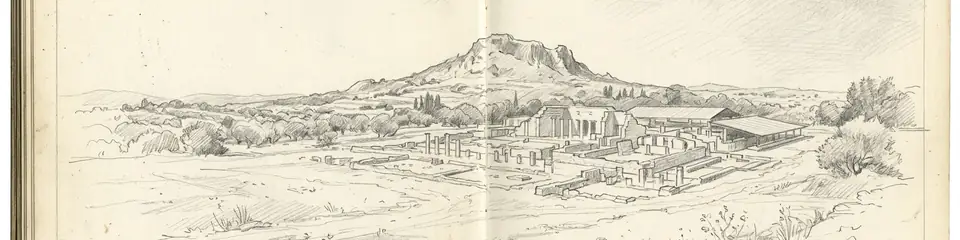
Mycenaean palace ruins at Englianos, Palace of Nestor, near Pylos

Wikimedia Commons (CC BY-SA 3.0)

Continent Record

Oldest Complex in Europe

ComplexFeatured

Palace of Nestor

Ανάκτορο του Νέστορα1300 BCE – 1180 BCE

The best-preserved Mycenaean palace on the Greek mainland, built around 1300 BCE at Englianos near modern Pylos. Its archive of Linear B tablets, frescoed halls, and wine storerooms gave archaeologists a vivid picture of Bronze Age administration and made Nestor, Homer's wise elder king of the Odyssey, feel suddenly real.

211
Interest 54

Location

Greece

37.00°N · 21.70°E · Europe

Built

c. 1300 BCE (Late Helladic IIIB)

Excavated by

Carl Blegen, 1939–1966

Linear B tablets

1,000+ administrative records

Destroyed

Fire c. 1180 BCE preserved the archive

The Palace of Nestor is the Rosetta stone of Mycenaean daily life: Linear B tablets name people, places, and industries that Homeric poetry only hints at.”

Location

Overview

The Palace of Nestor crowns a low hill at Englianos, about 17 kilometres northeast of modern Pylos in Messenia. Carl Blegen of the University of Cincinnati excavated the complex between 1939 and 1966, naming it after Nestor, the long-lived king who hosts Telemachus in Homer's Odyssey and dispenses counsel from a gilded throne in the epic's opening books.

The palace belongs to the Late Helladic IIIB phase, roughly 1300 to 1200 BCE, when Mycenaean states controlled much of southern Greece. A two-storey central building opened onto a columned courtyard. Fresco fragments show processions, chariots, and griffins. More than a thousand clay tablets inscribed in Linear B record allocations of bronze, cloth, and perfumed oil to regional districts. The script was deciphered in 1952; the tablets prove that "Nestor's" kingdom managed a bureaucratic economy, not merely a poetic one.
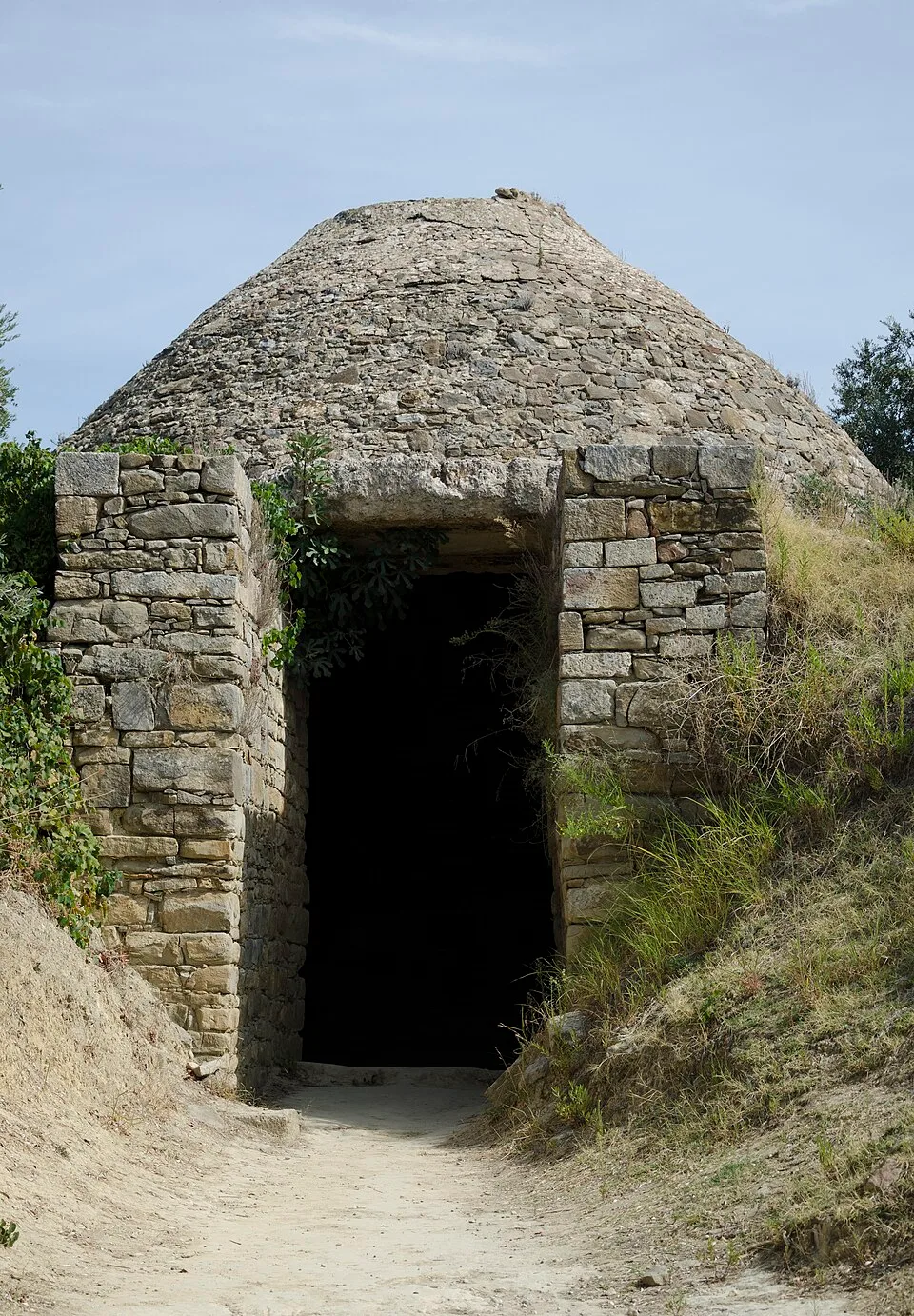
Palace of Nestor mausoleum (2)

Palace of Nestor mausoleum (2) | Peulle (CC BY-SA 4.0)

"He found Nestor in his palace on the shore, sitting on a smooth stone seat with his sons, while attendants mixed wine and prepared the feast."
— Homer, Odyssey III.35–38 (paraphrase)

A fire destroyed the palace around 1180 BCE, baking the tablets and preserving them. The tholos tombs in the surrounding landscape, including the so-called Tomb of Thrasymedes, belong to the same elite world. Voidokilia Bay, the circular beach below, is often linked in local tradition to Nestor's harbour, and recent film crews have used the Messenian coast when they need an Aegean backdrop.
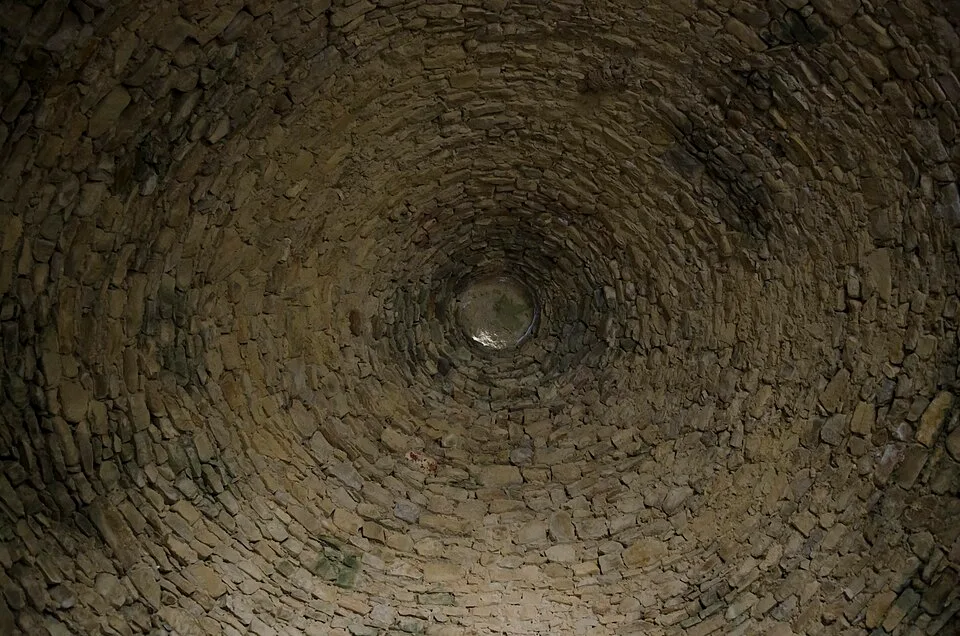
Palace of Nestor mausoleum ceiling (1)

Palace of Nestor mausoleum ceiling (1) | Peulle (CC BY-SA 4.0)

For visitors, the site is compact but revelatory: you can walk the wine magazine, the megaron throne room, and the archive room where the tablets were found. The nearby museum at Chora displays frescoes and finds. Pair a visit with Mycenae and Tiryns to compare mainland palatial architecture.
Why It Matters

The Palace of Nestor is the Rosetta stone of Mycenaean daily life: Linear B tablets name people, places, and industries that Homeric poetry only hints at. Its destruction by fire paradoxically saved the archive, giving Aegean archaeology its largest readable Bronze Age document cache outside Knossos.

Stay curious

New stories and sites, once a month. No spam.

Evidence & Interpretation

Distinguishing what is well-established from what remains debated.

Well-Established Facts

2
  • Linear B tablets from the palace name districts, personnel, and goods in a Mycenaean Greek dialect.
  • Architectural plan matches other mainland palaces: megaron, courtyard, magazines, and fresco programme.

Scholarly Inferences

1
  • Homeric Nestor may echo memory of a powerful Late Bronze Age ruler at Pylos, though the poem was composed centuries later.

Debated Interpretations

1
  • Whether Homeric Ithaca lay near this Pylos kingdom or on the island of Ithaki remains contested among geographers.

More Photos

Museum Artifacts

Community Photos

Share your experience

Have you visited this site? Upload your photos to help others discover it.

How to cite this page

Atlas Anatolia. (1300). Palace of Nestor. Atlas Anatolia. https://atlasanatolia.com/site/palace-of-nestor

Content licensed CC BY-SA 4.0 — attribution required when reusing.

Knowledge Graph

Connections to related sites and stories.

Sources

  • The Palace of Nestor at Pylos in Western MesseniaBlegen, Carl W. (1966)
  • A Companion to the Archaeology of GreeceDavis, Jack L. (2015)

Research Papers

Frequently Asked Questions

Where is Palace of Nestor located?

Palace of Nestor is located in Greece.

How old is Palace of Nestor?

Palace of Nestor dates to approximately 1300 BCE – 1180 BCE.

Which civilizations are associated with Palace of Nestor?

Palace of Nestor is associated with the Mycenaean.

Why is Palace of Nestor important?

The Palace of Nestor is the Rosetta stone of Mycenaean daily life: Linear B tablets name people, places, and industries that Homeric poetry only hints at.

Is Palace of Nestor a UNESCO World Heritage Site?

Palace of Nestor is not currently inscribed on the UNESCO World Heritage List.