Skip to content
Atlas AnatoliaAtlas Anatolia

Stories & Discoveries

Editorial deep dives into the ancient world.

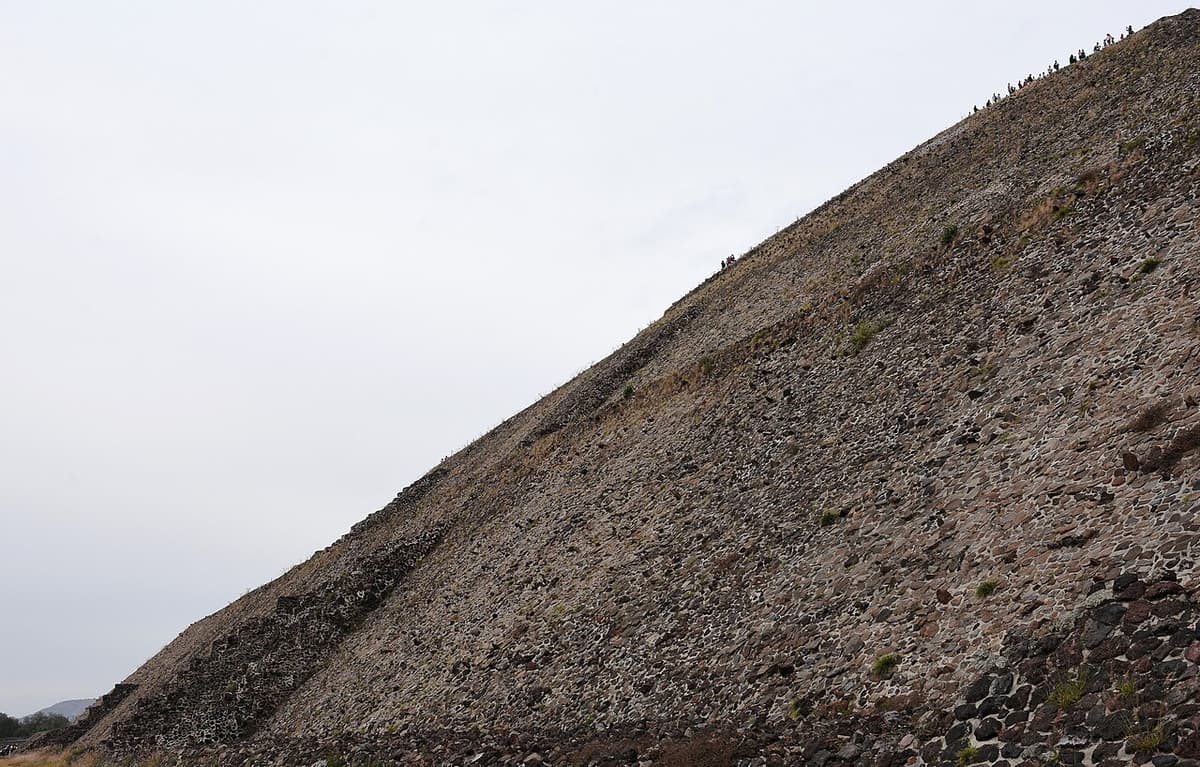
The Pyramid of the Sun at Teotihuacan with the Avenue of the Dead in the foreground, Mexico
MysteryFeatured

The City With No Name: The Mystery of Teotihuacan

At its peak, Teotihuacan was the sixth largest city in the world. It had streets on a precise celestial grid, a pyramid almost as wide as the Great Pyramid of Giza, and a sealed tunnel beneath its oldest temple containing rivers of liquid mercury. We still do not know what the people who built it called themselves, their city, or their gods.

Atlas AnatoliaMay 18, 20269 min read
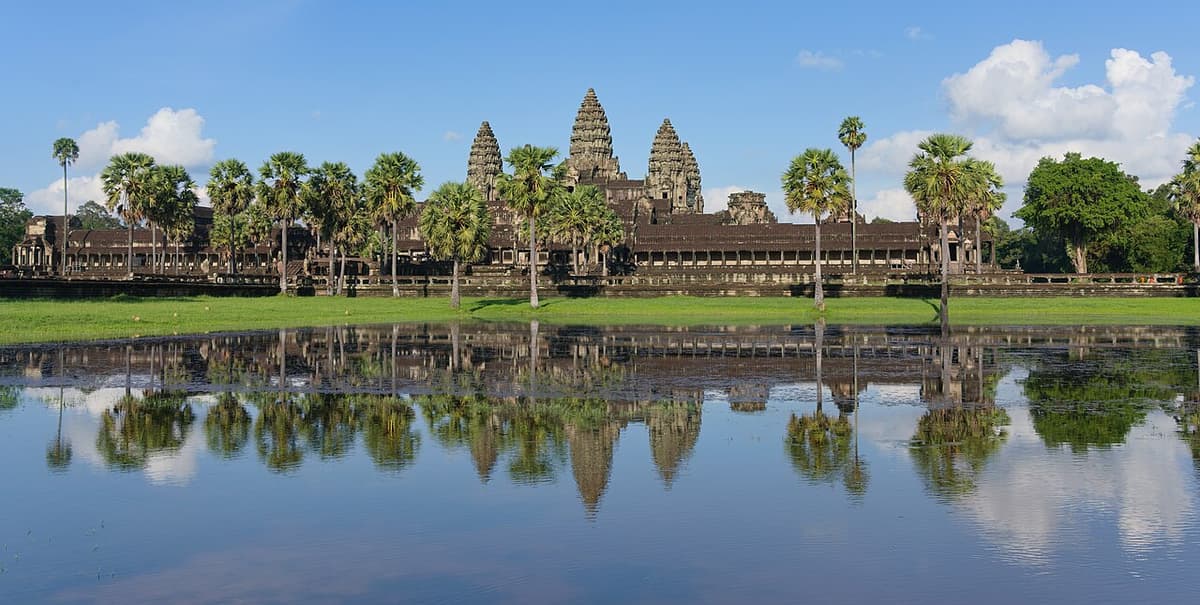
Aerial view of Angkor Wat reflected in its moat, Siem Reap Province, Cambodia
Discovery

LiDAR and the Lost City: How Angkor Turned Out to Be Much Bigger Than Anyone Knew

In 2012 and 2015, researchers flew LiDAR sensors over 1,900 square kilometres of Cambodian jungle. What the data showed reshaped everything known about the Khmer Empire: Angkor was not a cluster of famous temples. It was the largest preindustrial urban complex in world history.

Atlas AnatoliaMay 18, 20268 min read
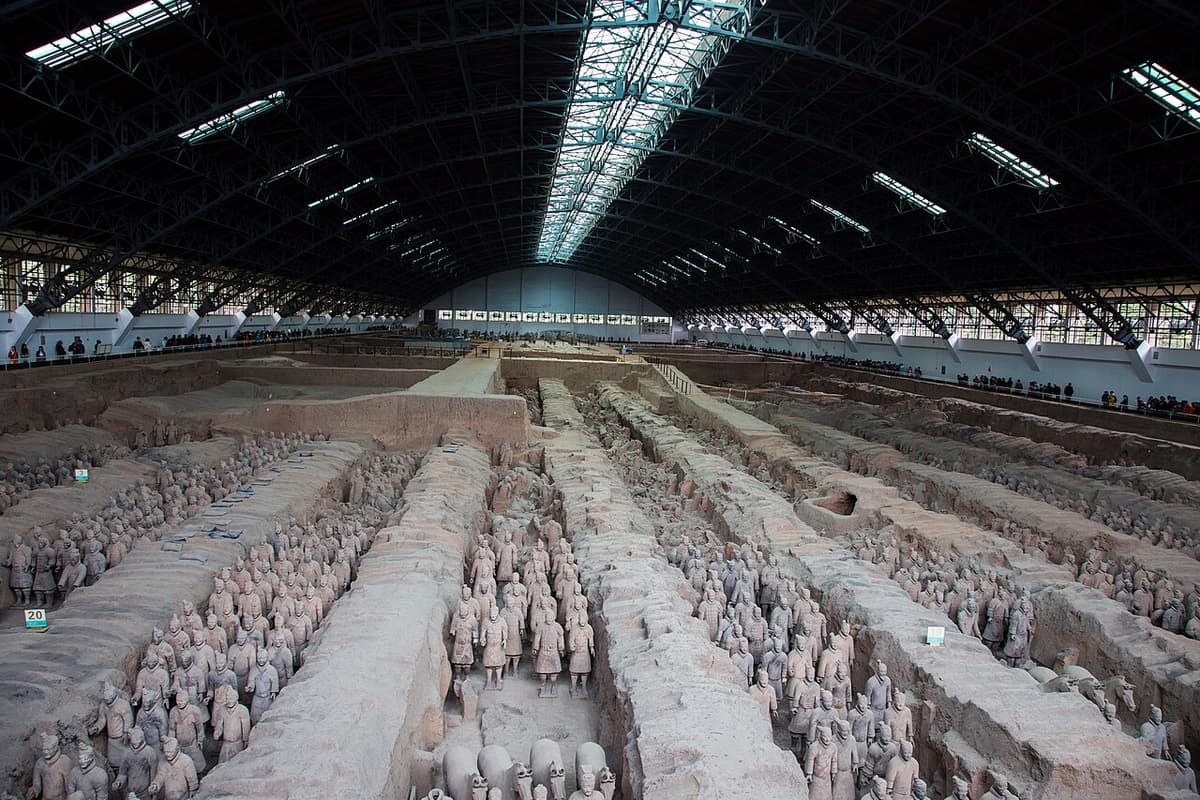
Pit 1 of the Terracotta Army near Xi'an, China, showing thousands of individualized terracotta soldiers
Mystery

The Unopened Tomb: What Lies Beneath the Terracotta Army

The terracotta warriors of Xi'an are among the most recognisable archaeological discoveries in history. Yet the burial mound they were built to guard — the sealed tomb of China's first emperor, Qin Shi Huang — has never been opened. Mercury surveys, Sima Qian's description, and muon tomography all suggest what is inside. The decision not to excavate may be the most consequential choice in modern archaeology.

Atlas AnatoliaMay 18, 20269 min read
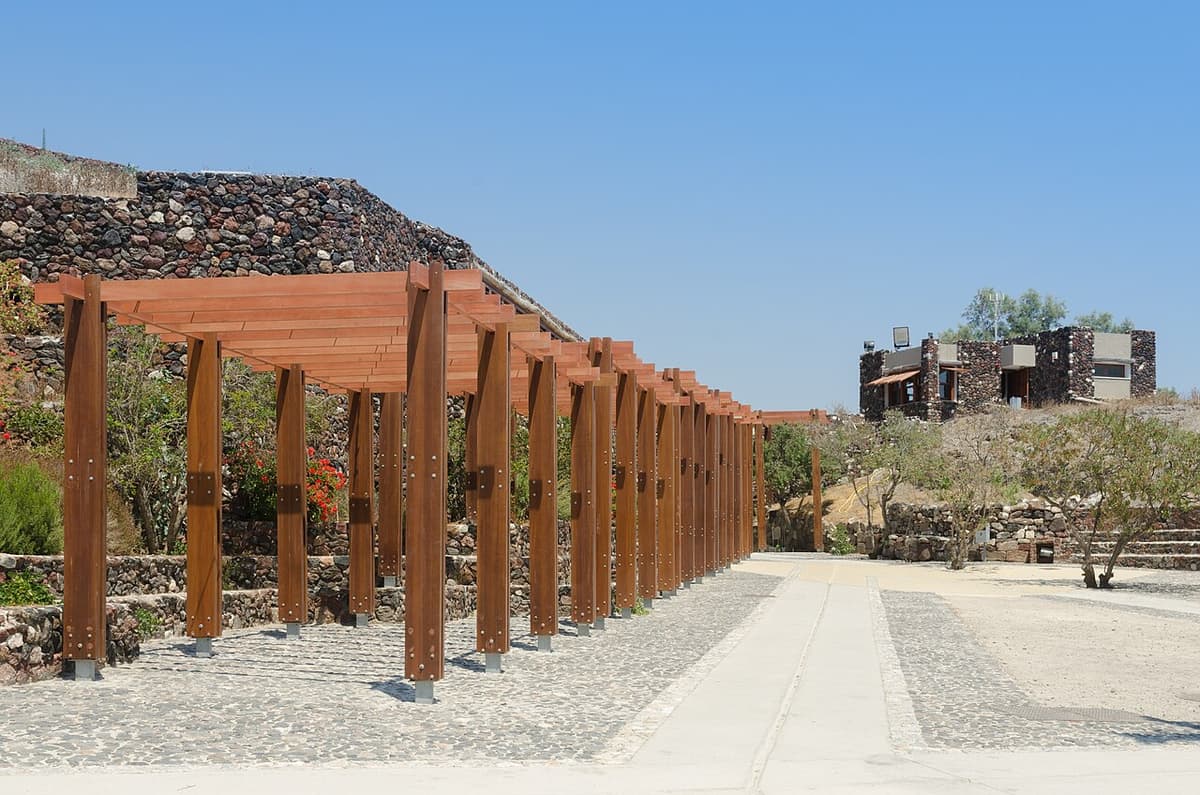
Excavated streets and multi-storey buildings of the Bronze Age town of Akrotiri, Santorini
Discovery

Akrotiri: The Bronze Age City Frozen in Ash

Sometime between 1628 and 1600 BCE, the island of Thera erupted in one of the largest volcanic explosions of the last 10,000 years. The town of Akrotiri was buried beneath 60 metres of ash. When archaeologists found it in 1967, the buildings were two storeys high, the frescoes were still on the walls, and nobody had been left behind to die.

Atlas AnatoliaMay 18, 20268 min read
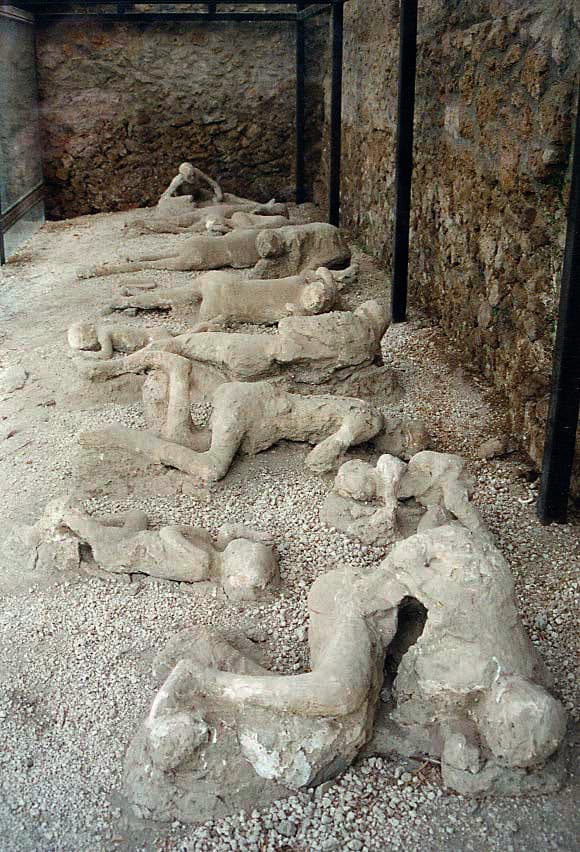
The Garden of the Fugitives at Pompeii, showing plaster casts of eruption victims
History

The Last Day of Pompeii: What Happened, Hour by Hour

Using volcanic stratigraphy, bone isotope analysis, and the two letters Pliny the Younger wrote to the historian Tacitus, we can reconstruct the 79 CE eruption of Vesuvius with extraordinary precision. The timeline is not what most people expect.

Atlas AnatoliaMay 18, 20269 min read
Mosaics of ancient Zeugma on the Euphrates
Discovery

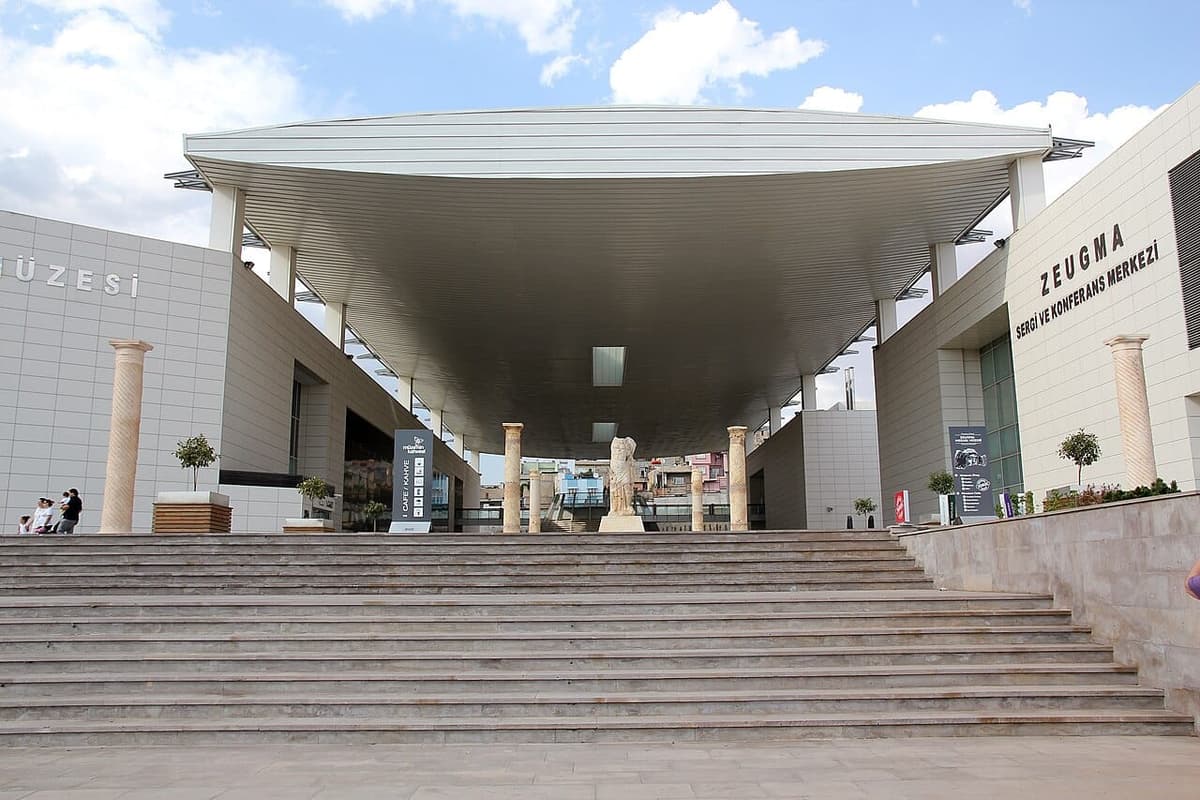
Racing the Floodwaters: How Archaeologists Saved the Mosaics of Zeugma

When the Birecik Dam began filling in 2000, teams had weeks to rescue masterpieces from a Roman city that had survived eighteen centuries underground.

Atlas AnatoliaMay 18, 20268 min read
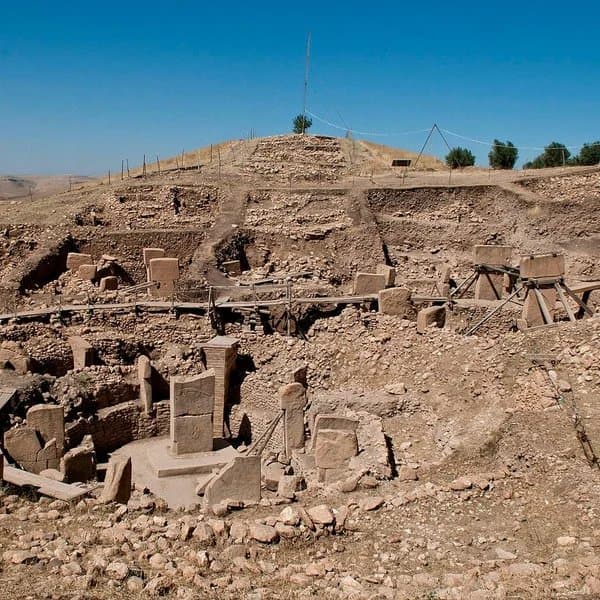
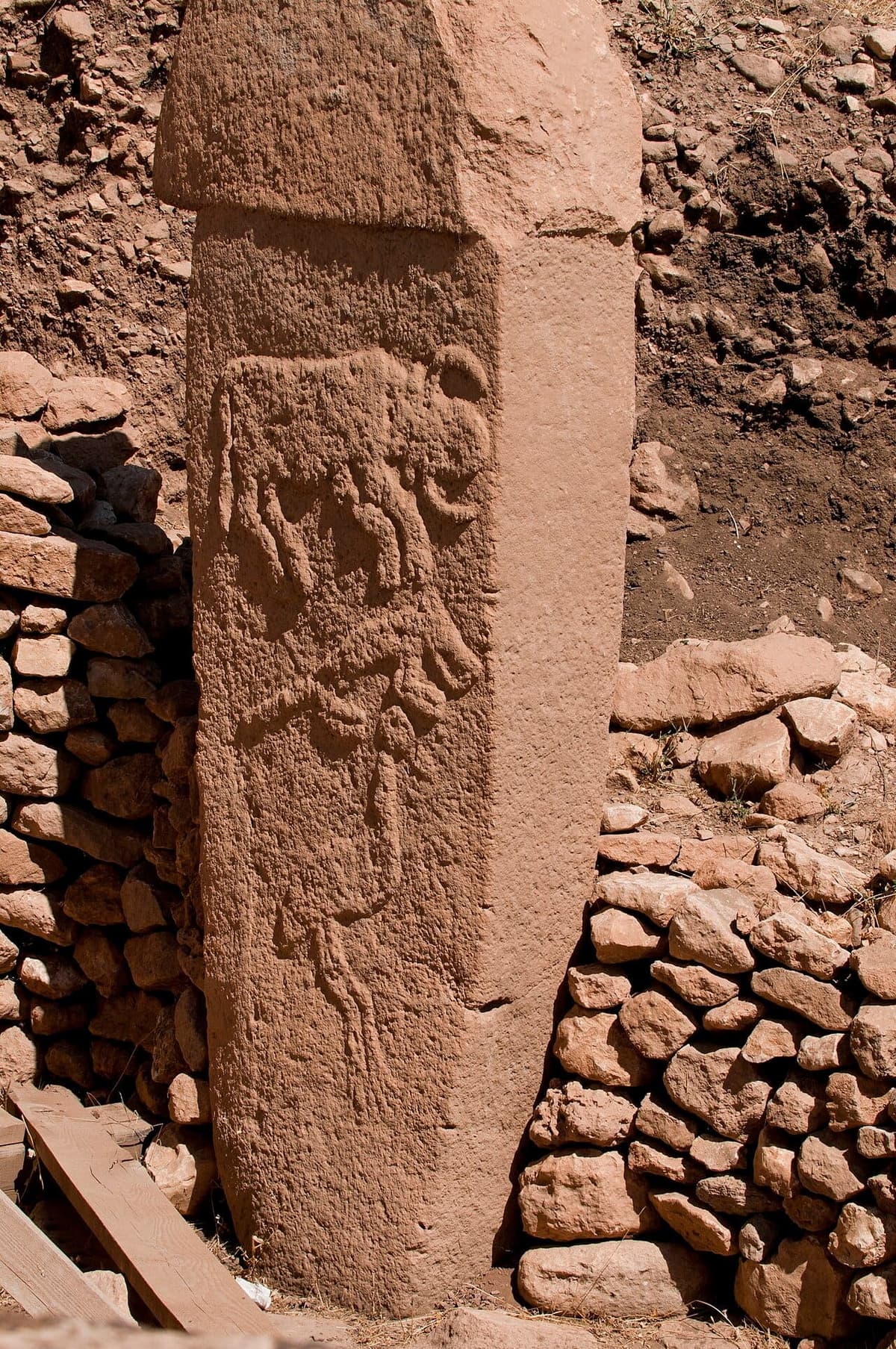
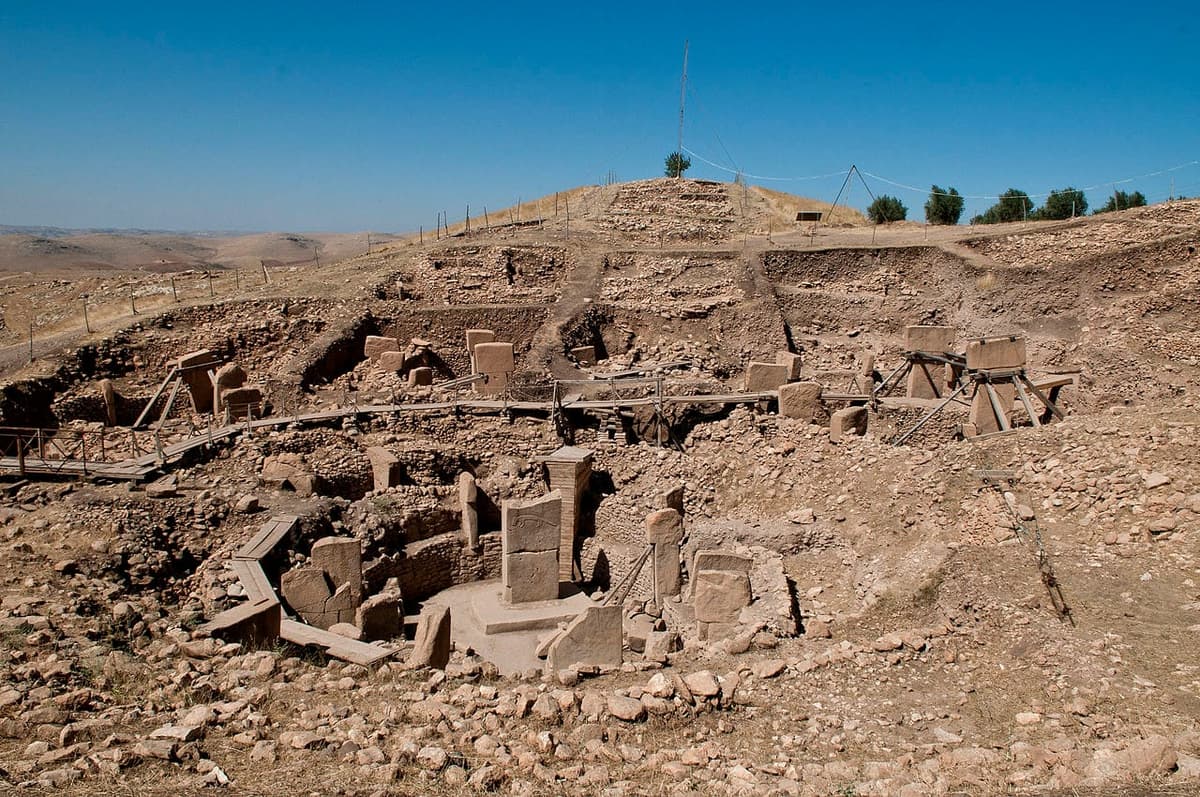
Göbekli Tepe T-shaped pillars at dawn
History

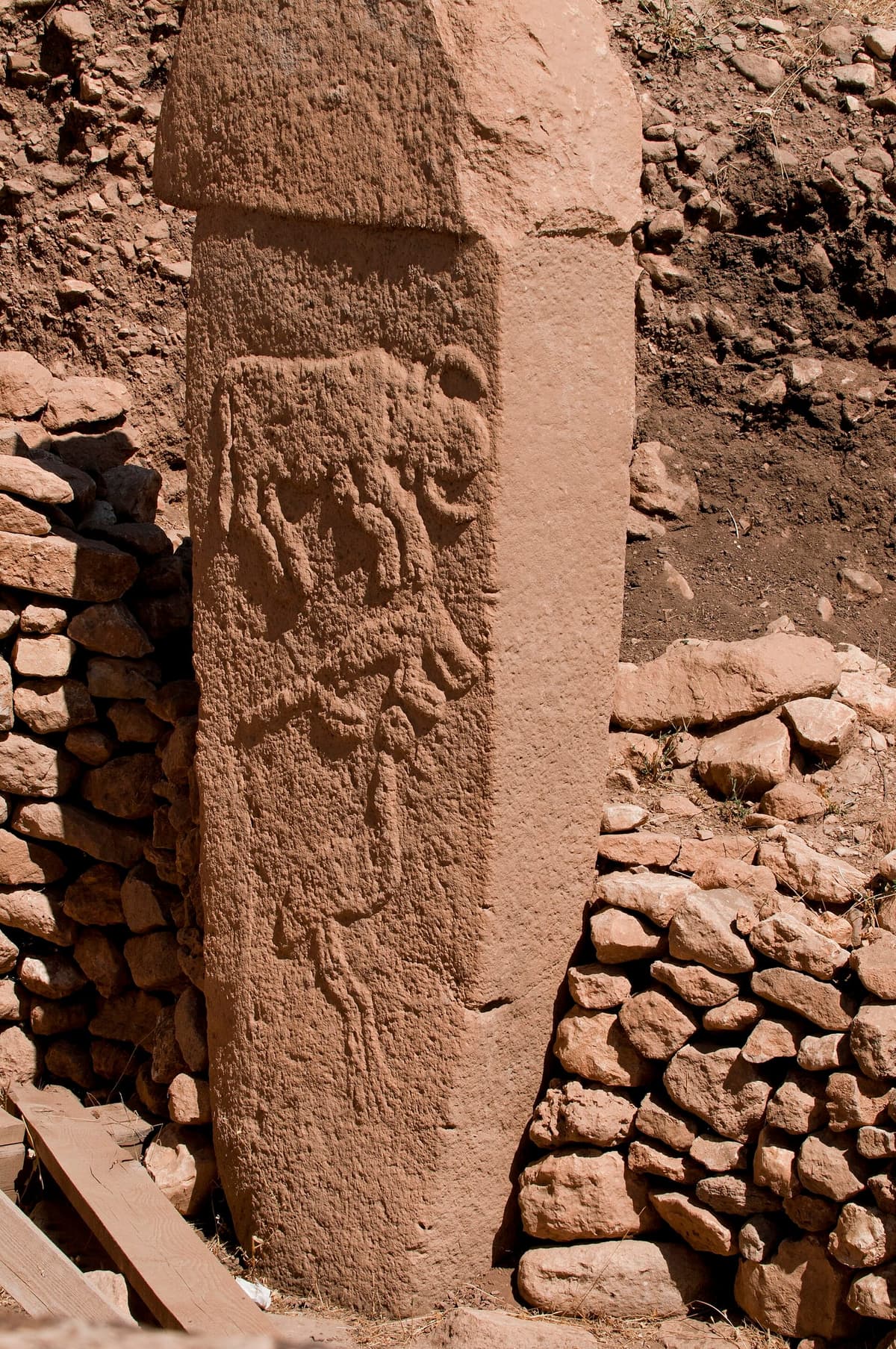
The World's First Temple: What Göbekli Tepe Rewrote About History

In 1994, a shepherd kicked at an odd stone protruding from a hillside near Şanlıurfa. Below lay Göbekli Tepe — a site that would force scholars to rethink the very foundations of human civilization.

Atlas AnatoliaMay 18, 20269 min read
T-shaped megalithic pillars at Göbekli Tepe, the world's oldest temple, in Anatolia
Guide

12 Must-Visit Ancient Sites in Anatolia

From Göbekli Tepe — the world's oldest temple — to the Hittite capital of Hattusa and the wonders of Ephesus and Cappadocia, here are 12 of the most remarkable ancient sites in Anatolia, ranked by global interest.

Seyfi Cem BaskinMay 30, 20263 min read
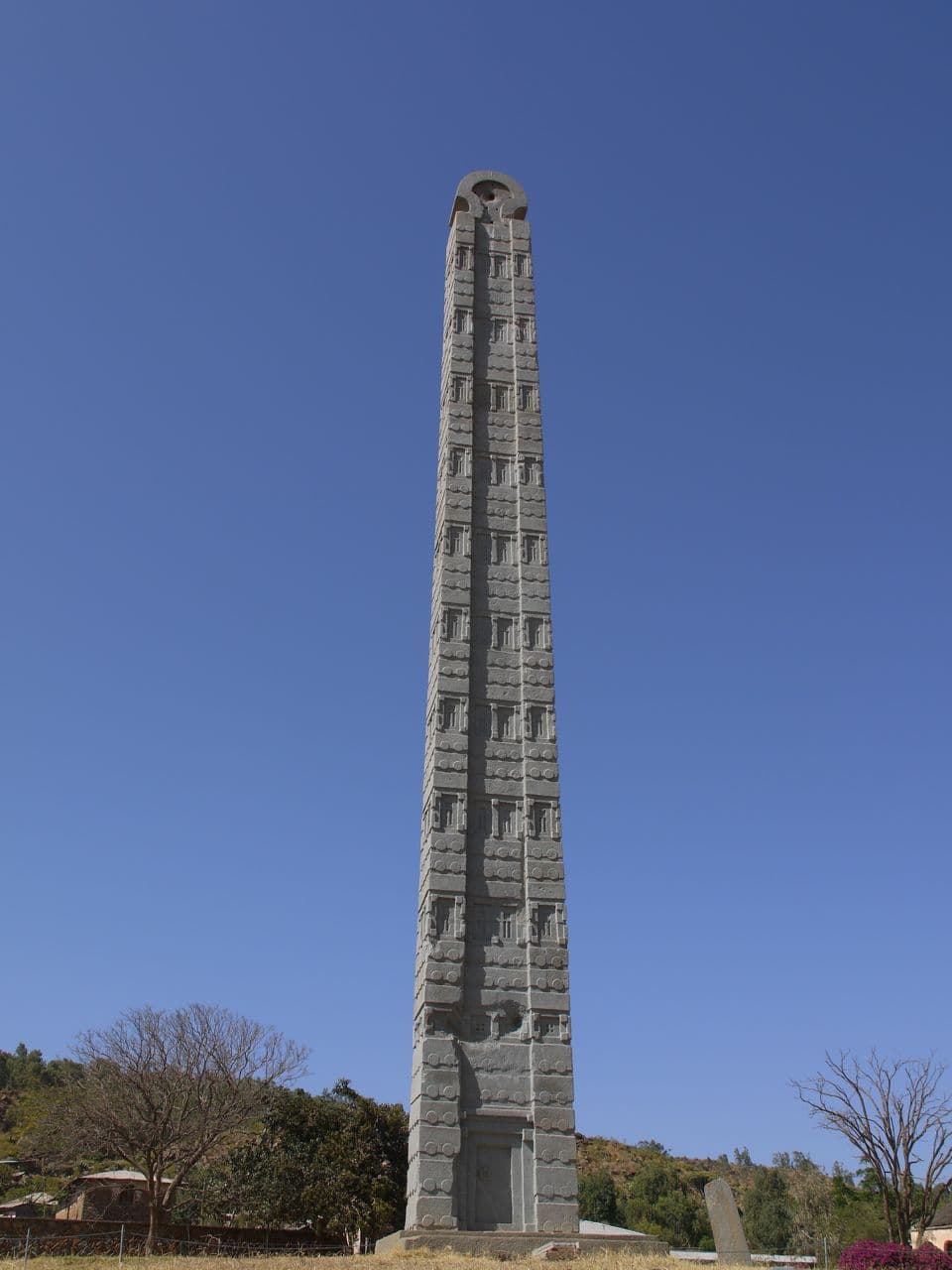
The ancient obelisks (stelae) of Aksum, Tigray, Ethiopia, royal grave markers of the Aksumite Empire
Article

Aksum: The African Empire That Crossed the Red Sea

The Persian prophet Mani, writing in the 3rd century CE, listed the four great powers of the world: Rome, Persia, the Kushans — and Aksum. The Ethiopian empire controlled the Red Sea trade route between Europe and India, converted to Christianity before Rome did, and launched a military campaign across the Arabian Sea to defeat a kingdom that was persecuting its co-religionists. Western history largely forgot about it.

Atlas AnatoliaMay 18, 20269 min read
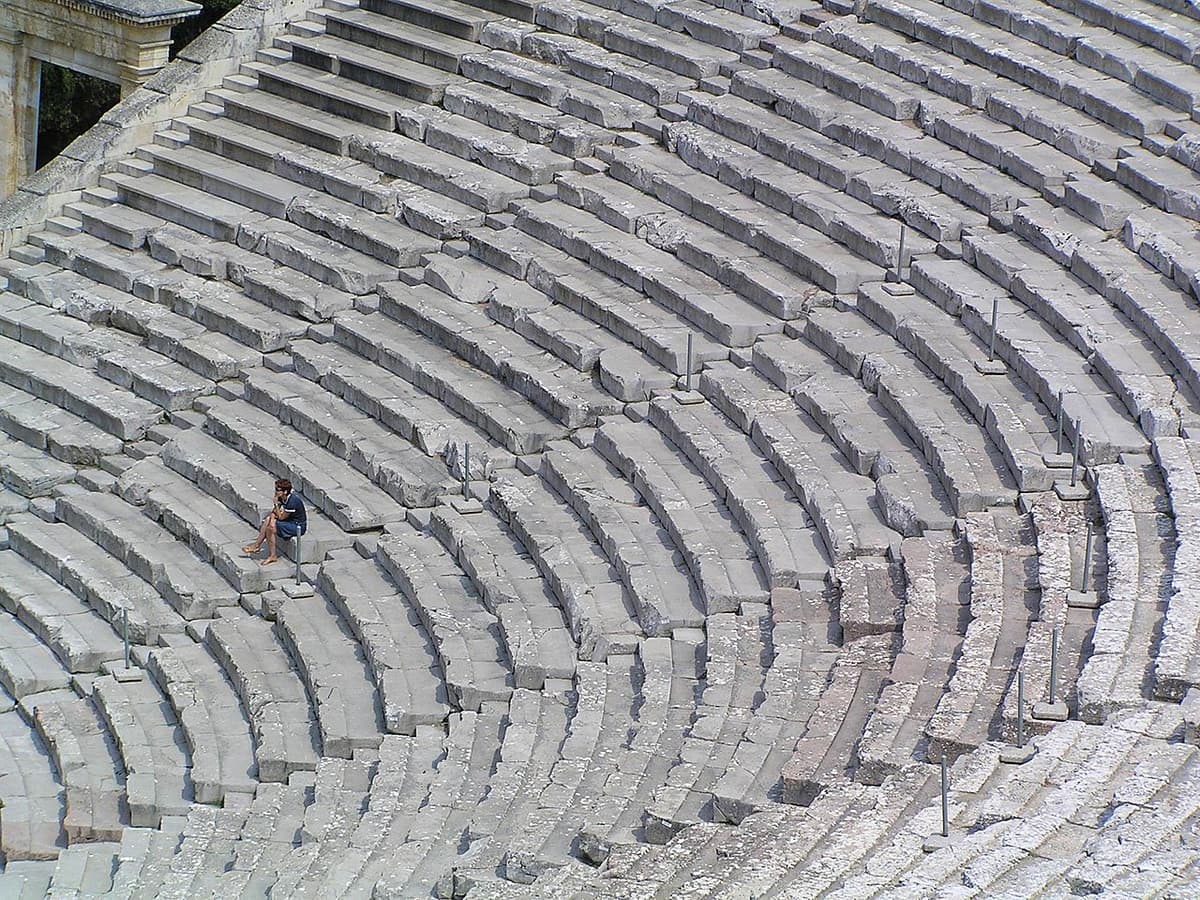
The ancient theatre of Epidaurus in the Peloponnese, Greece, with its perfectly preserved limestone seating
Article

Epidaurus: Where the Greeks Came to Dream Themselves Well

Two thousand years before the clinical trial, patients at Epidaurus slept in a sacred hall and waited for a god to appear in their dreams. The inscriptions recording the cures are matter-of-fact, not mystical. The sanctuary's theatre — one of the acoustically perfect spaces in architectural history — was part of the same complex. The Greeks understood that healing required the whole person.

Atlas AnatoliaMay 18, 20268 min read
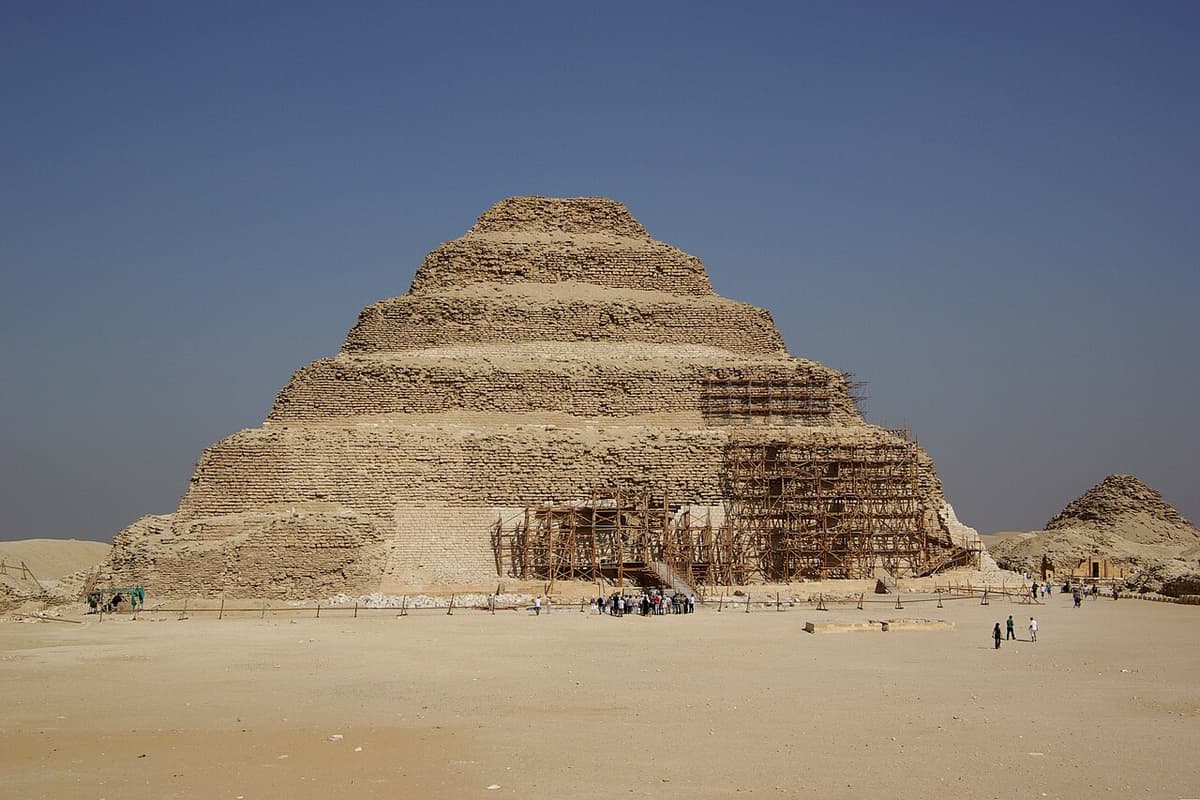
The Step Pyramid of Djoser at Saqqara, Egypt
History

Imhotep and the World's First Stone Monument

Around 2650 BCE, an Egyptian official named Imhotep made a decision that had never been made before: he built a royal tomb entirely from stone. The Step Pyramid of Saqqara is not just the oldest pyramid — it is the oldest large-scale stone structure in human history.

Atlas AnatoliaMay 18, 20268 min read
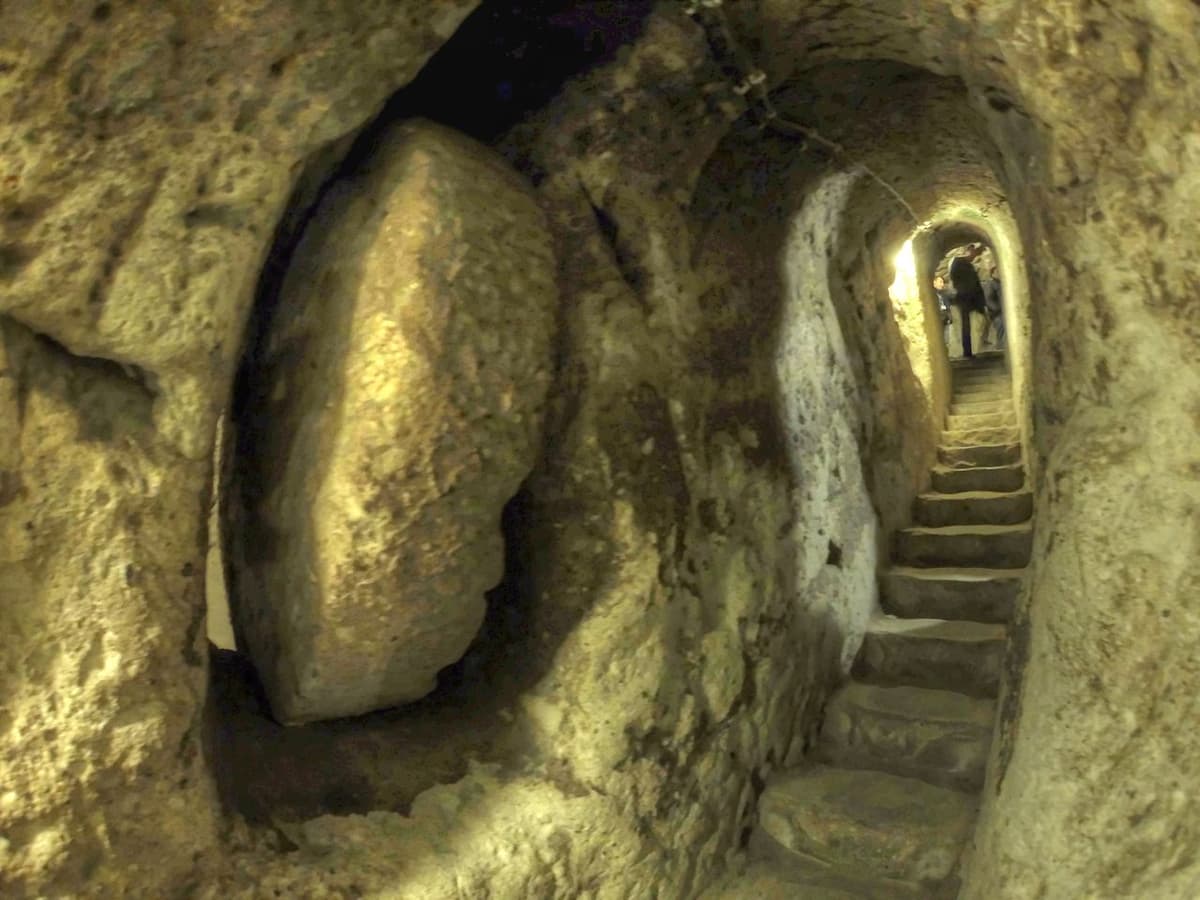
Underground passages of Derinkuyu carved from volcanic tuff
Mystery

Carved into Darkness: The Underground Cities of Cappadocia

Beneath the fairy chimneys of Cappadocia, entire cities extend dozens of meters underground, built by people who needed to vanish completely when enemies rode over the horizon.

Atlas AnatoliaMay 18, 20268 min read
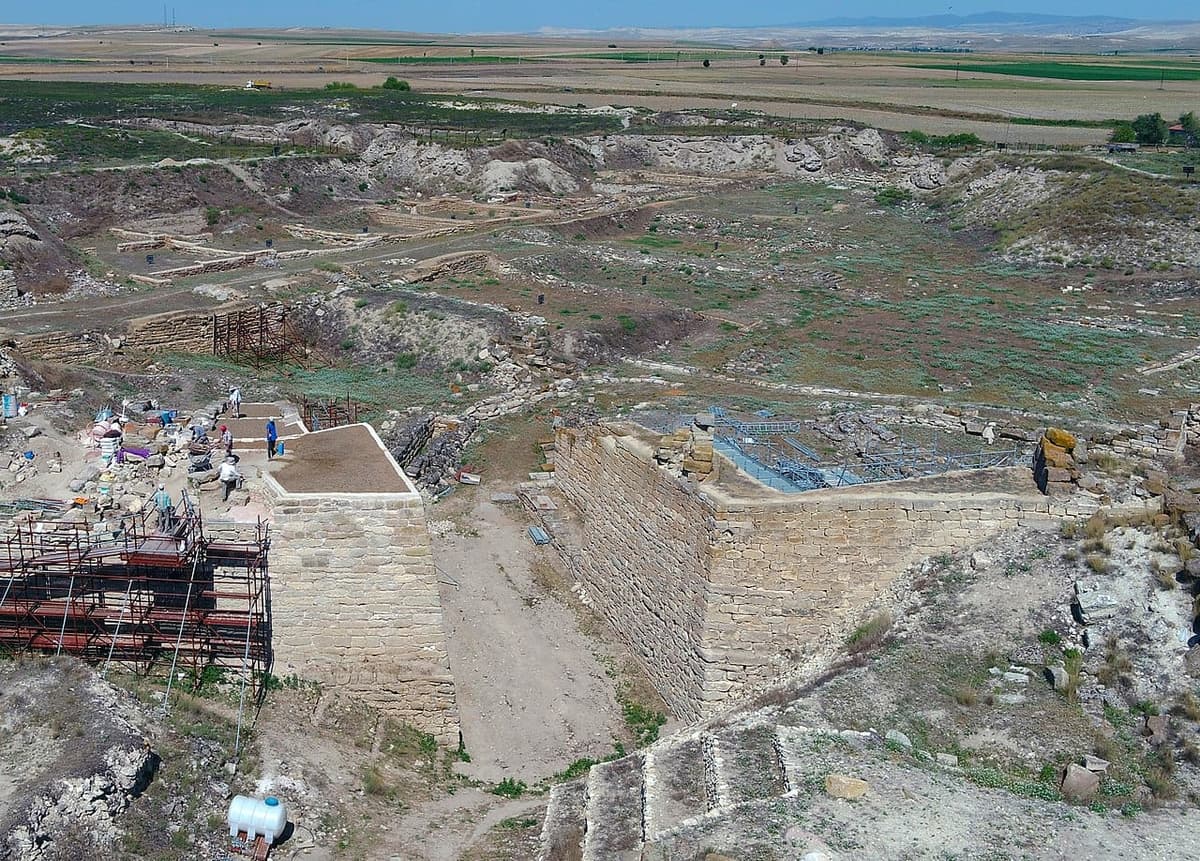
The tumulus of King Midas at Gordion
Article

After the Collapse: How Ancient Civilizations Reinvented Themselves in the Iron Age

Around 1200 BCE, every major civilization in the eastern Mediterranean collapsed simultaneously. What rose from the ashes in Anatolia was stranger and more creative than what came before — and it set the template for the world that followed.

Atlas AnatoliaMay 18, 202610 min read
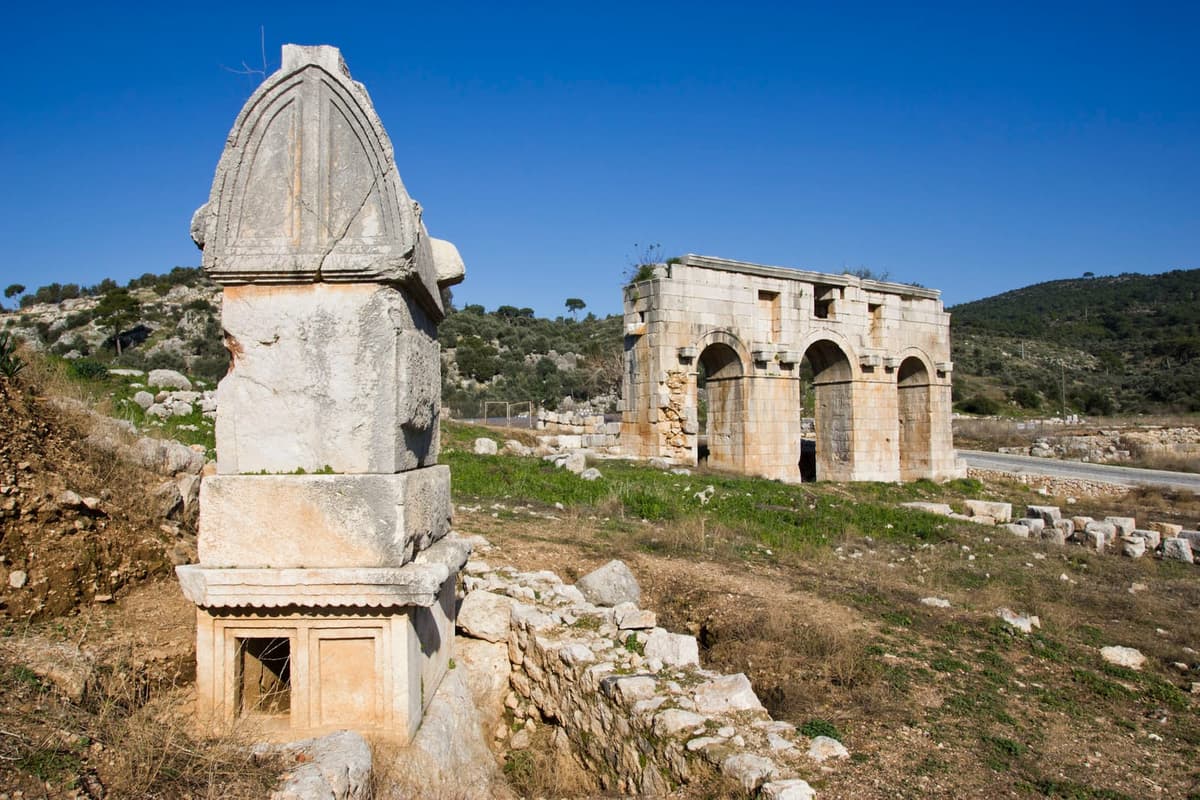
Ancient Lycian coast along the Mediterranean
Guide

Walking the Lycian Way: Where Ancient Tombs Meet the Mediterranean

A 540-kilometer trail along Turkey's Mediterranean coast threads through ruined cities, rock-cut tombs, and fishing villages where the ancient world never quite disappeared.

Atlas AnatoliaMay 18, 20269 min read
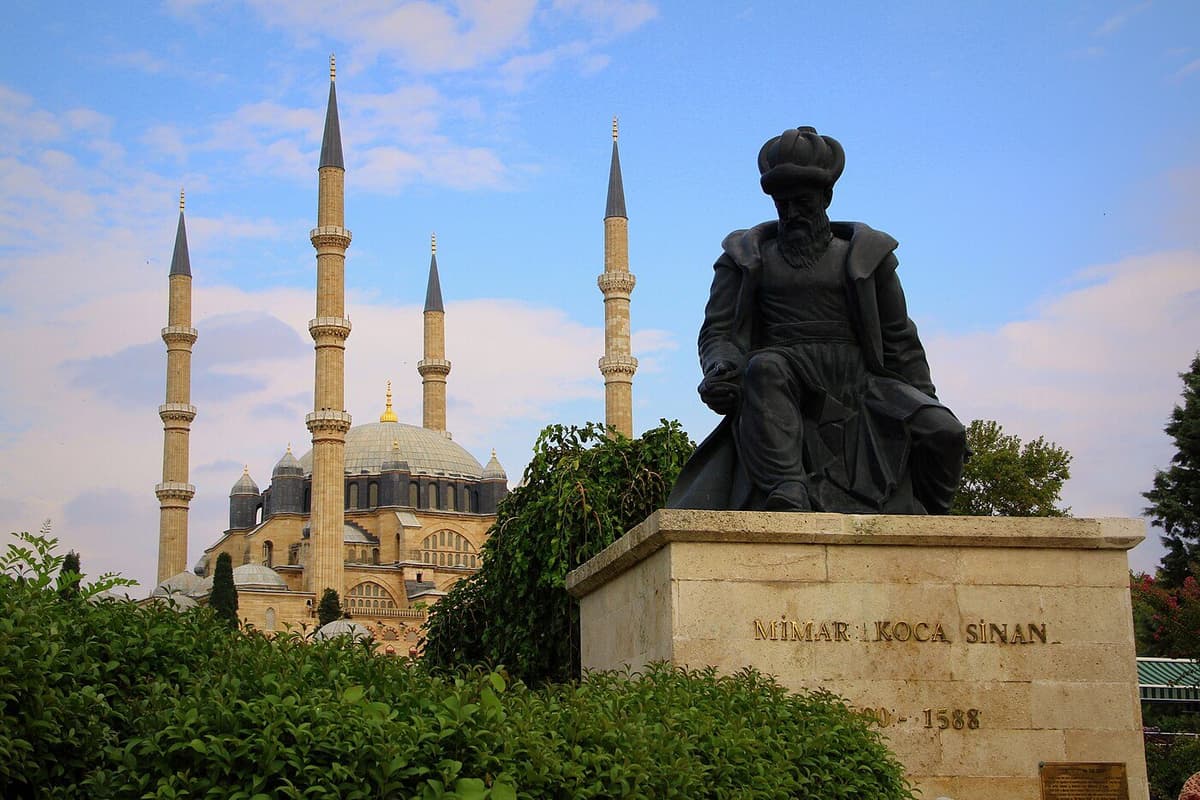
Selimiye Mosque in Edirne at sunset
Guide

Three Capitals, One Empire: An Ottoman Journey Through Architecture

Three cities, six centuries, three continents. The journey between the first Ottoman capitals traces not just a political history but an architectural one — from the intimate wooden city of the early sultans to buildings that rank among the most audacious ever constructed.

Atlas AnatoliaMay 18, 20268 min read
The Black Sea coast near Terme — ancient Themiscyra
Mystery

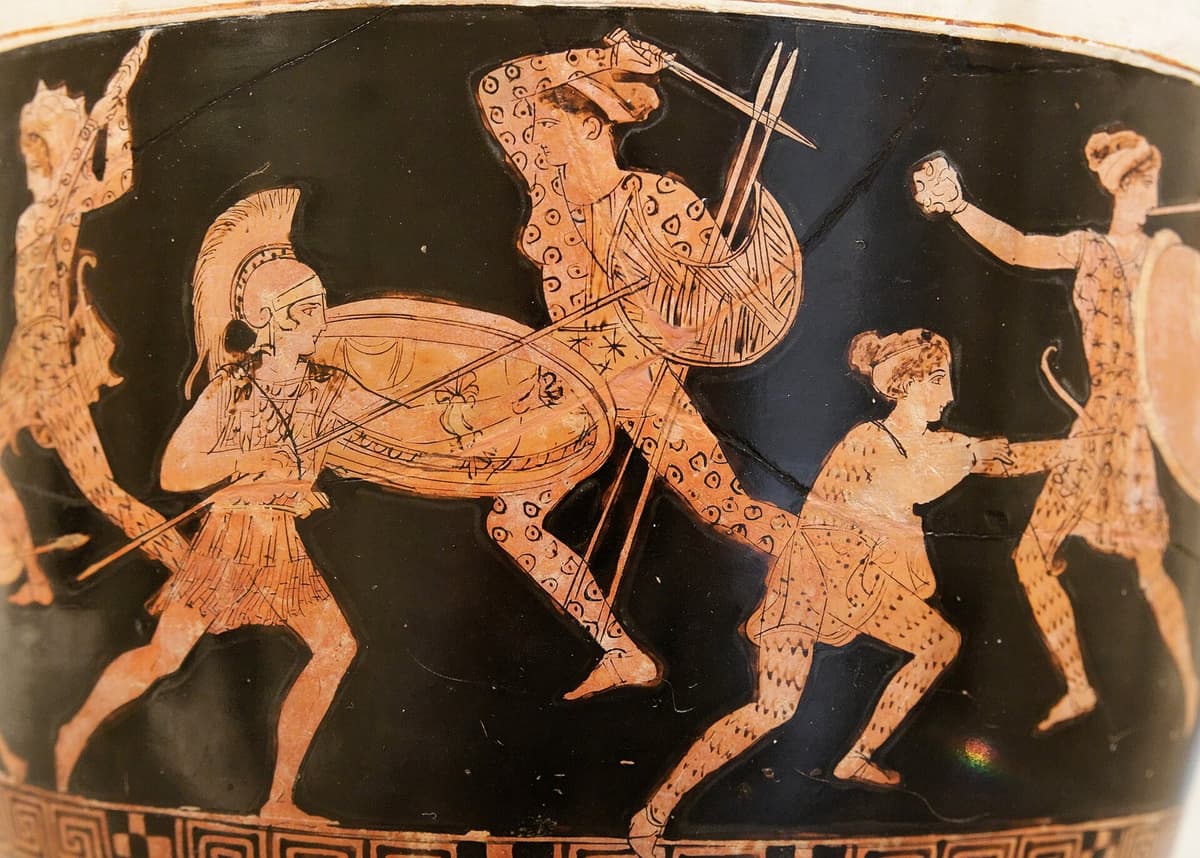
Warrior Women of the Black Sea: The Amazon Legend and the Archaeological Record

The Amazons are one of the most persistent myths of the ancient world. Then archaeology started finding women buried with weapons — and the question of where myth ends and history begins became considerably more complicated.

Atlas AnatoliaMay 18, 20267 min read
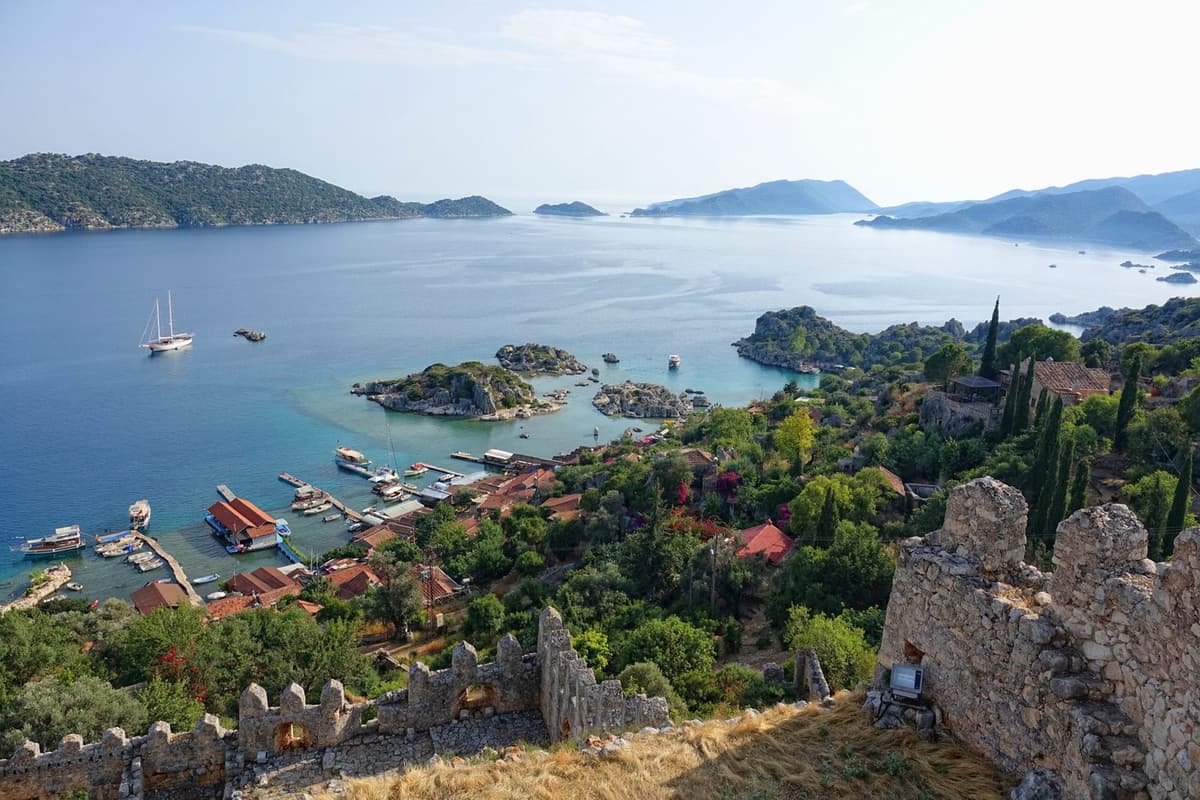
Sunken ruins visible beneath the clear water at Kekova
Discovery

Underwater Secrets: Kekova's Sunken Lycian City

The best way to see the sunken city of Kekova is from a small wooden boat on a calm morning — drifting over walls and stairways two meters below the surface, watching ancient streets materialize from the green water and dissolve again as the boat moves on.

Atlas AnatoliaMay 18, 20267 min read
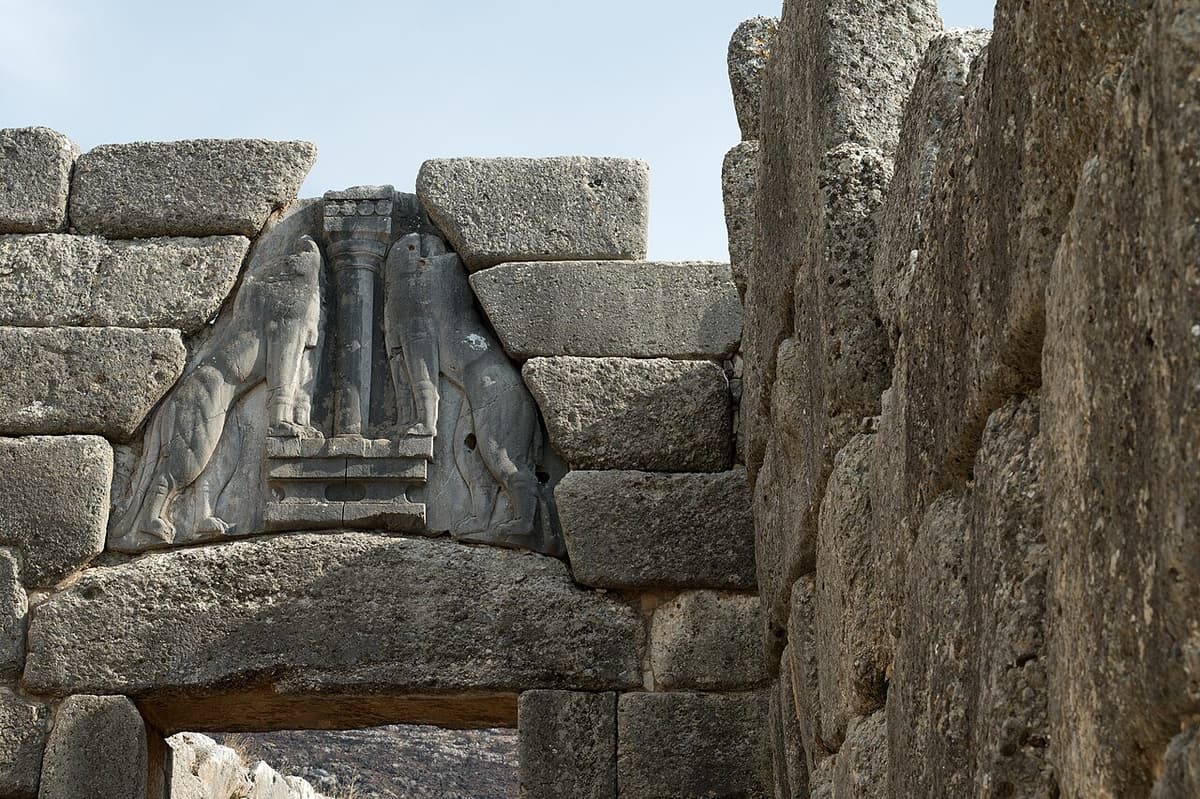
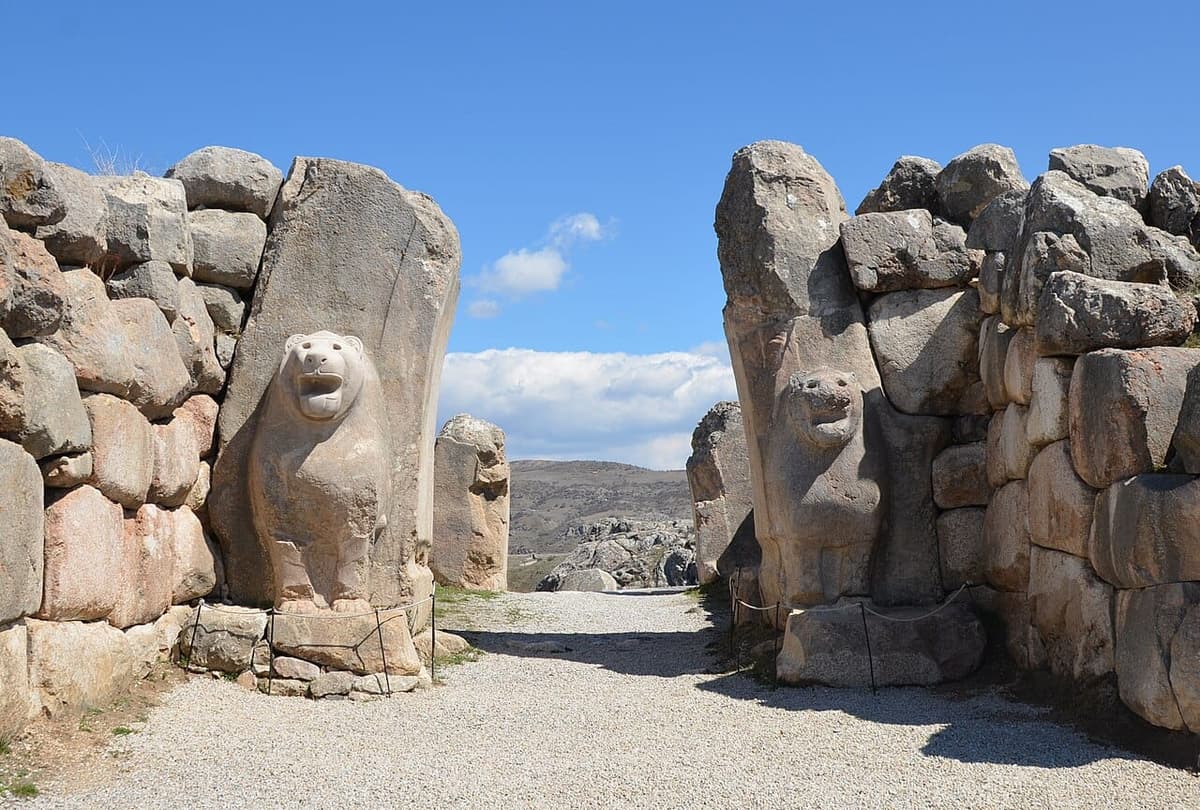
Lion Gate at Hattusha
History

From Hattusha to Troy: The Hittite Empire's Rise and Fall

The Hittites signed treaties with Egypt, defeated the armies of Mesopotamia, and controlled one of the largest territories of the Bronze Age — yet were so completely forgotten that, as recently as the 1880s, most scholars had never heard of them.

Atlas AnatoliaMay 18, 20269 min read
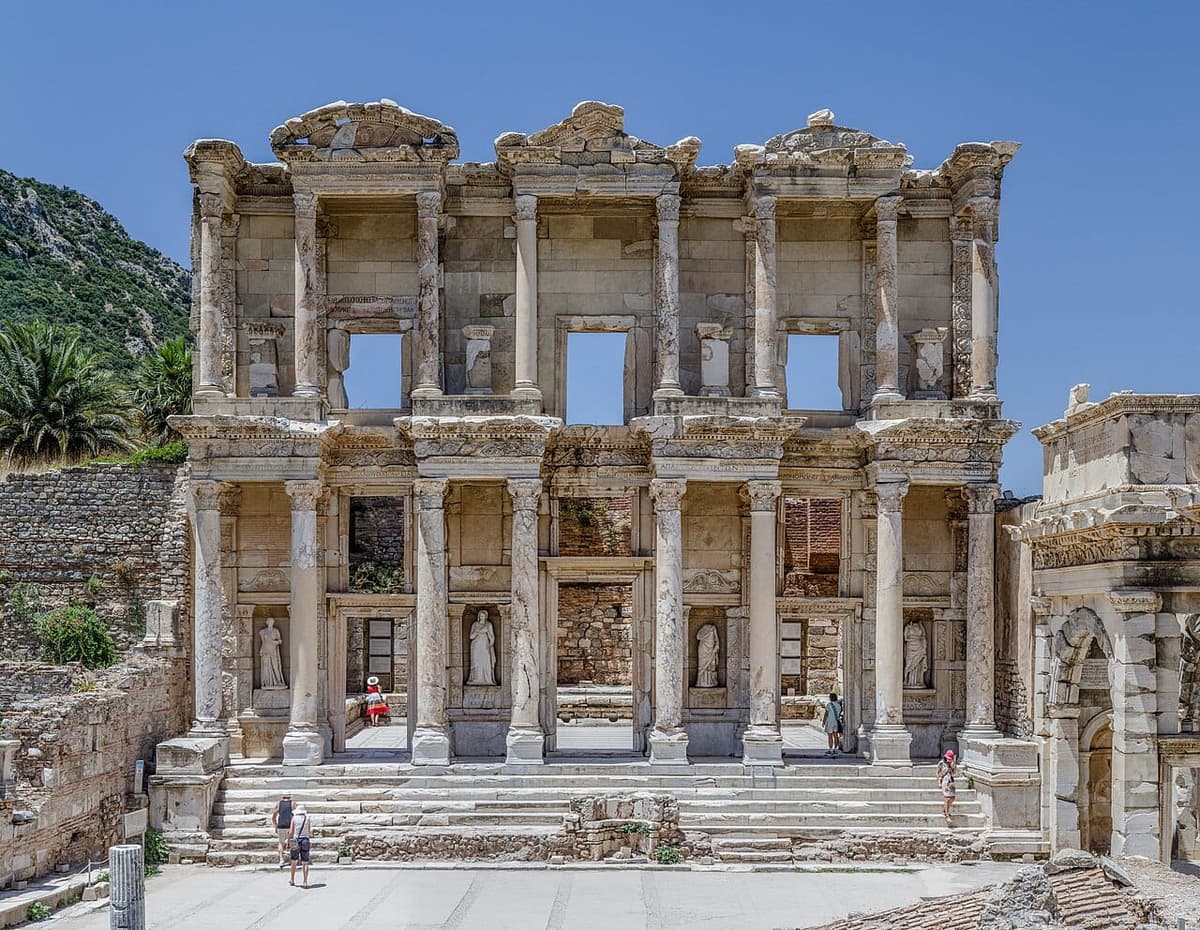
Library of Celsus at Ephesus
Guide

The Seven Churches of Revelation: Walking the Biblical Trail

The Book of Revelation opens with letters to seven churches — real communities in real cities, each still standing today in western Turkey. Walking the circuit between them is one of the stranger journeys in archaeological travel.

Atlas AnatoliaMay 18, 202610 min read