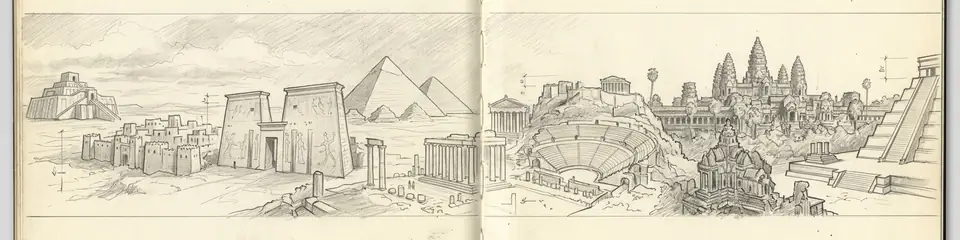
Throughout human history, civilizations have left behind monuments of breathtaking ambition — structures that have outlasted the empires that built them, the languages spoken around them, and often even the religions that inspired them. From limestone temples carved before writing existed to amphitheaters where 80,000 Romans once cheered, these ancient sites are humanity's most enduring achievements.
"Greatness in archaeology is not size alone — it is the density of human story pressed into one place."
— Atlas Anatolia editorial criteria for landmark sites
This guide explores ten of the greatest ancient sites still standing today, spanning six continents and 12,000 years of human history. Each one rewards visitors and researchers alike with layers of meaning that scholars are still uncovering.
Egypt
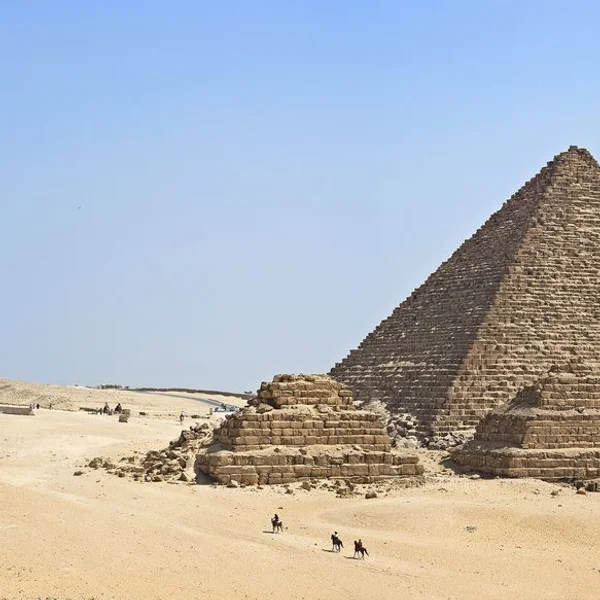
Pyramids of Giza
The Pyramids of Giza, monumental tombs of Old Kingdom pharaohs Khufu, Khafre, and Menkaure, represent the zeni
Italy
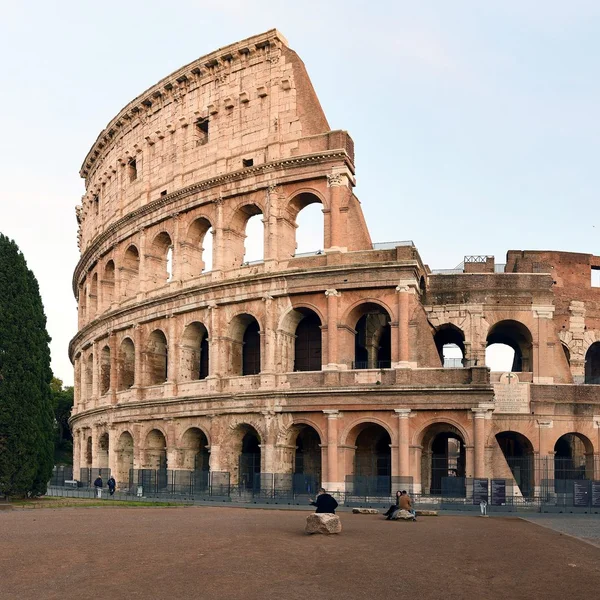
Colosseum
The Colosseum, Rome's iconic Flavian Amphitheatre, hosted gladiatorial combats and public spectacles, embodyin
Peru
Machu Picchu
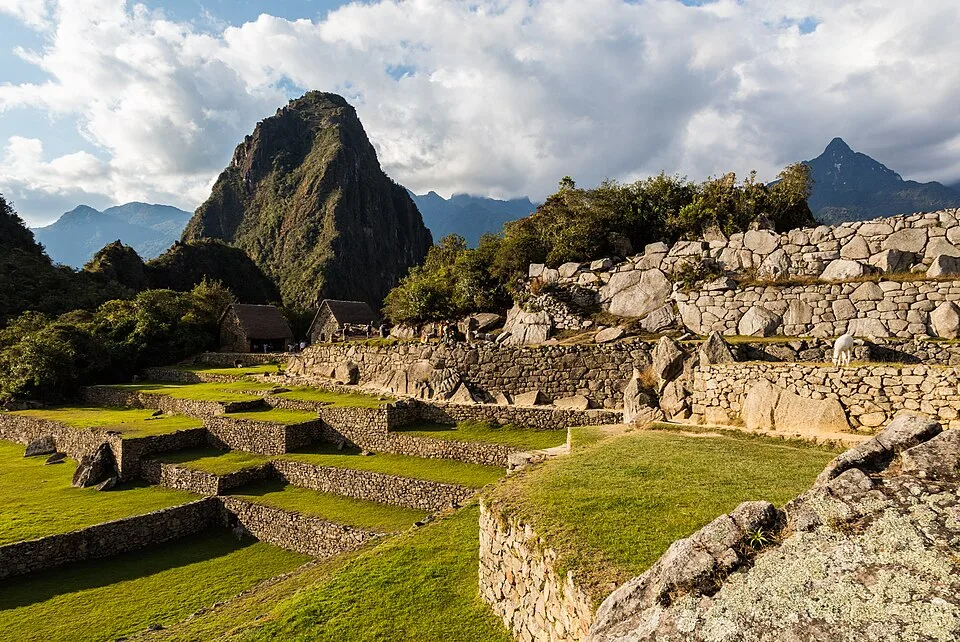
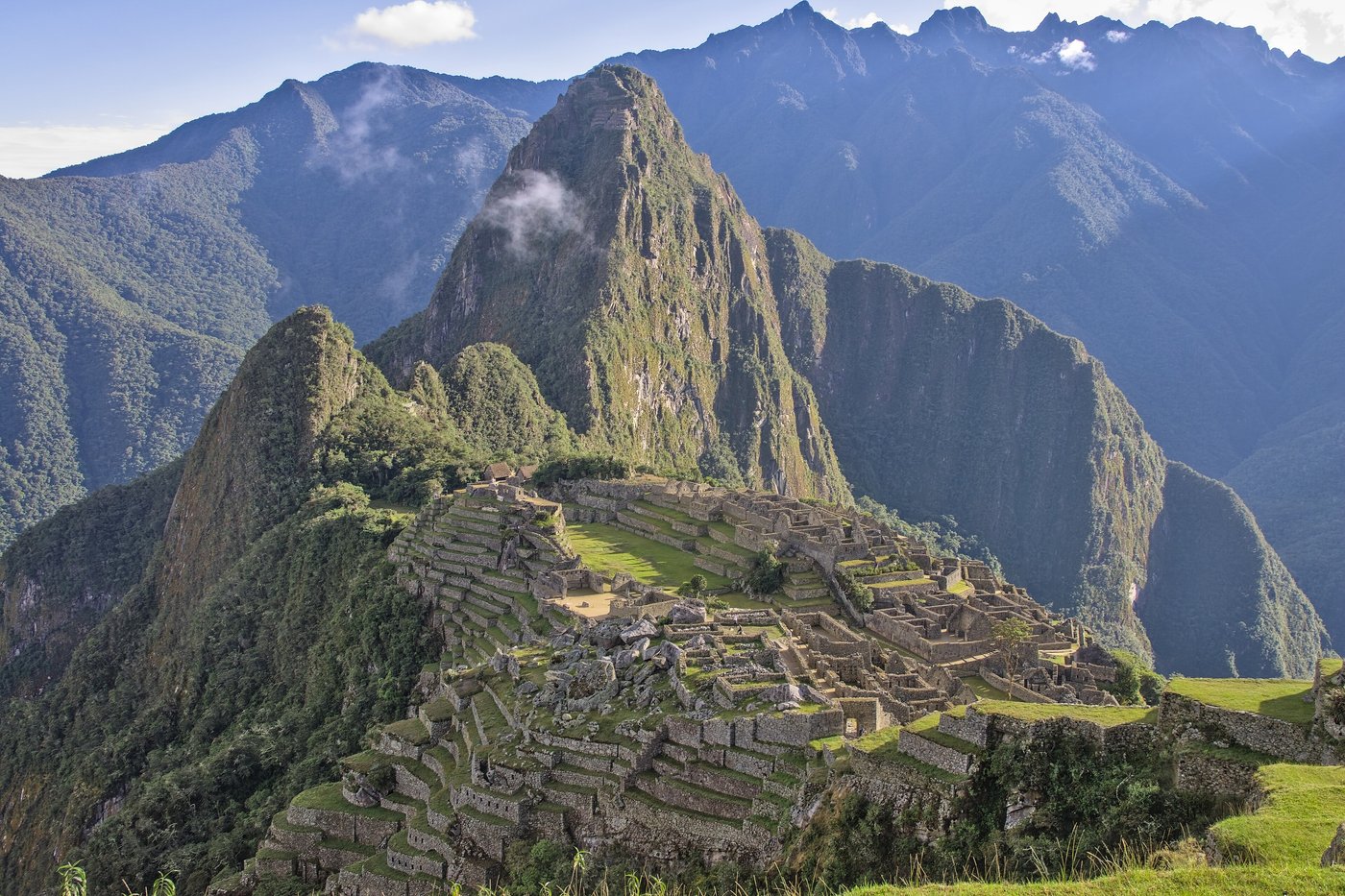
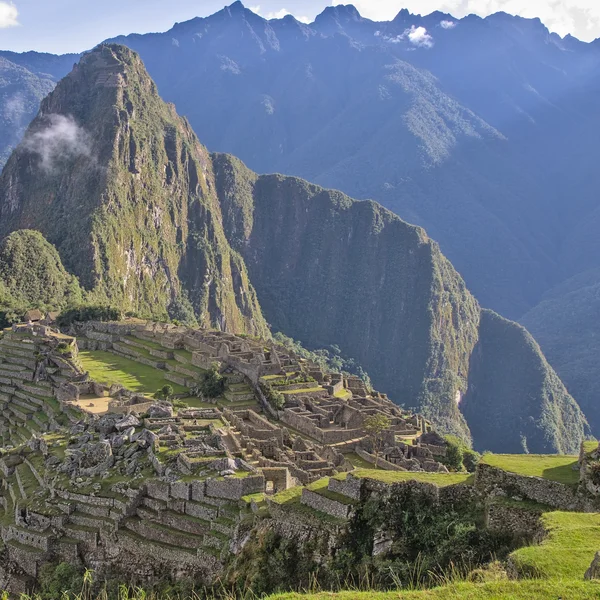
An Inca citadel built c. 1450 CE, Machu Picchu sits atop a mountain ridge in Peru. Abandoned during the Spanis
!Machu Picchu, Perú, 2015-07-30, DD 60
Machu Picchu, Perú, 2015-07-30, DD 60 | Diego Delso (CC BY-SA 4.0)
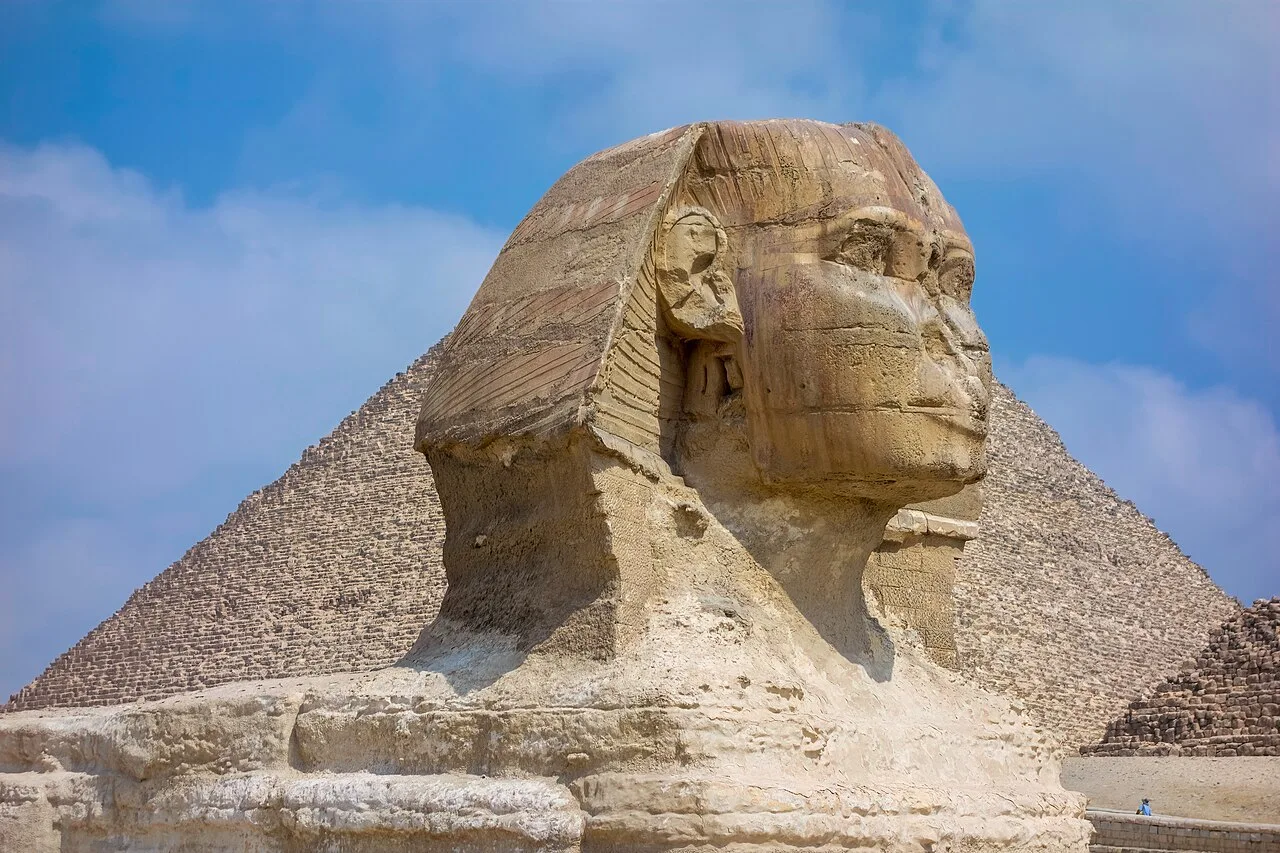
!Great Sphinx of Giza أبو الهول
Great Sphinx of Giza أبو الهول | Petar Milošević (CC BY-SA 4.0)
1. Pyramids of Giza, Egypt
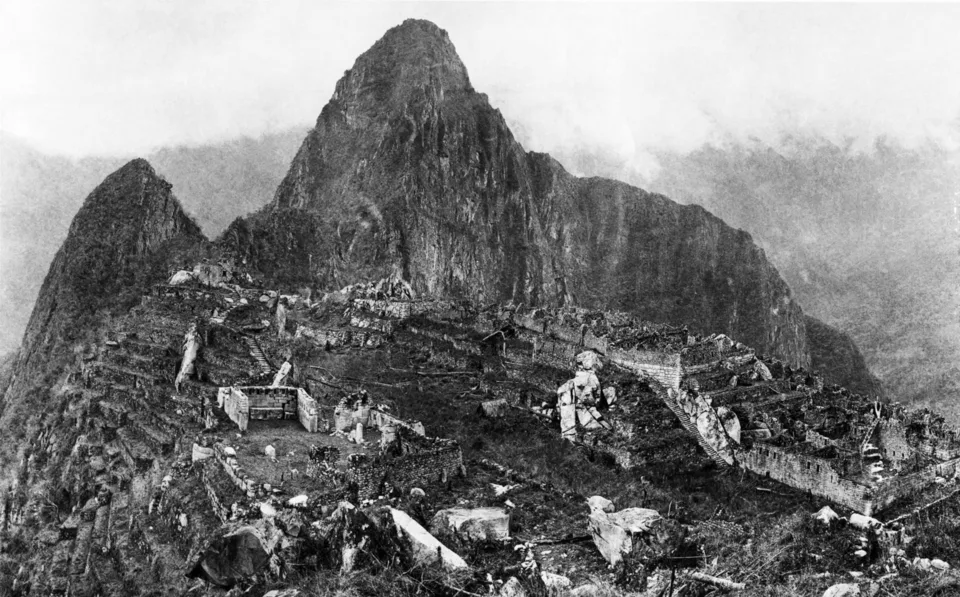
!This Picture Gives a General View of About One-Half of the City of Machu Picchu
This Picture Gives a General View of About One-Half of the City of Machu Picchu | Hiram Bingham III (Public domain)
Built: c. 2560–2500 BCE | Civilization: Ancient Egyptian | Era: Old Kingdom
No list of ancient sites is complete without the last surviving wonder of the ancient world. The Pyramids of Giza — comprising the Great Pyramid of Khufu, the Pyramid of Khafre, and the Pyramid of Menkaure — were built over roughly 80 years during Egypt's Fourth Dynasty on a limestone plateau above the Nile Delta.
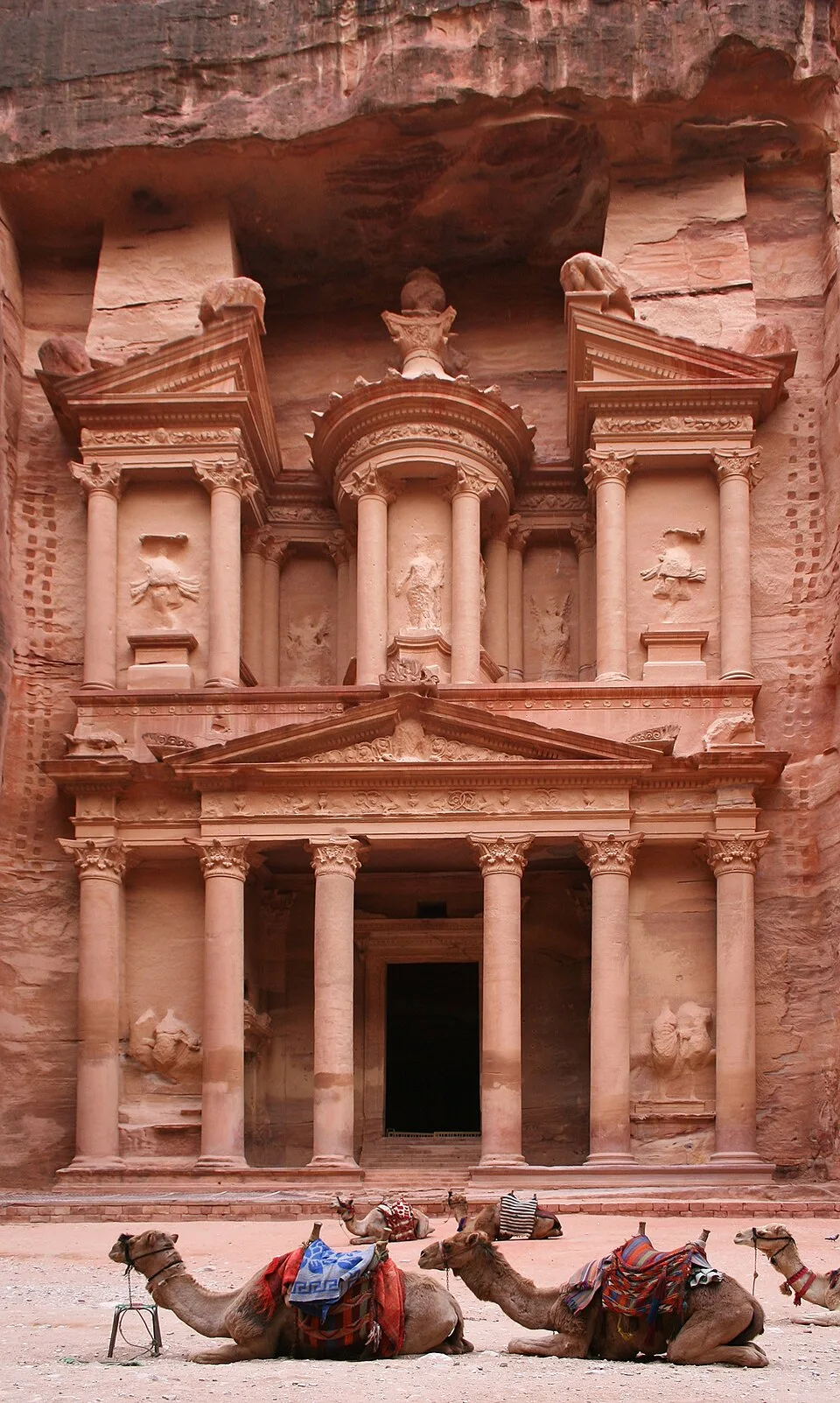
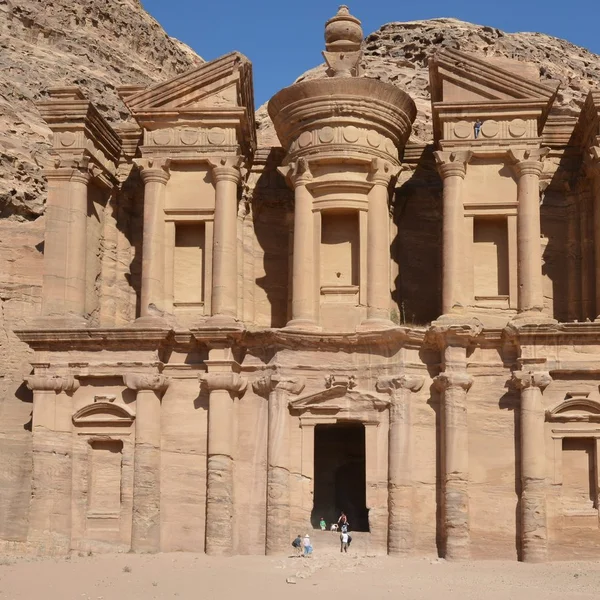
Al Khazneh Petra edit 2 | Al_Khazneh_Petra.jpg: Graham Racher from London, UK derivative work: MrPanyGoff (CC BY-SA 2.0)
The Great Pyramid stood as the tallest human-made structure on Earth for 3,800 years. Its construction required moving approximately 2.3 million stone blocks averaging 2.5 tonnes each. Modern analysis suggests a workforce of around 20,000 skilled, paid laborers — not slaves, as was once widely believed — organized into crews with names like "Friends of Khufu."
The pyramids were not isolated monuments but the centerpiece of a vast funerary complex including causeways, mortuary temples, boat pits, and the Great Sphinx. Together, they represent an entire cosmology made stone: the pharaoh's guaranteed resurrection and his eternal reign in the afterlife.
The Great Pyramid's base deviates from a perfect square by just 5.8 centimeters across its 230-meter sides — a tolerance of 0.03%, achieved without iron tools or modern surveying equipment.
Why it still matters: The engineering precision is astonishing. The base is level to within 2.1 centimeters — a standard modern construction would be proud of. What was once dismissed as ancient mystery has been revealed, through archaeology, to be meticulous planning, expert labor, and extraordinary logistical organization.
2. The Colosseum, Rome
Built: 70–80 CE | Civilization: Roman | Era: Roman Imperial
Rome's Colosseum is the largest ancient amphitheater ever built, capable of holding between 50,000 and 80,000 spectators. Construction began under Emperor Vespasian in 70 CE on the site of a drained artificial lake from Nero's infamous palace complex, and was completed by his son Titus in 80 CE — a decade of construction that used an estimated 100,000 cubic meters of travertine marble, 300 tonnes of iron clamps, and vast quantities of concrete.
The Colosseum hosted gladiatorial contests, animal hunts (venationes), public executions, and historical re-enactments. Roman engineering genius is visible throughout: numbered entrance arches allowed 50,000 people to fill and empty in under 15 minutes; a retractable canvas awning (the velarium) shaded spectators from the Mediterranean sun; the hypogeum — a two-story underground labyrinth — housed animals, gladiators, and stage machinery that could deliver surprise appearances through trap doors.
Despite centuries of earthquakes, marble-robbing, and re-use as a fortress and quarry, over two-thirds of the original structure survives.
Why it still matters: The Colosseum's influence on stadium design is unbroken. Numbered entrances, tiered seating by social class, underground service areas — every modern sports arena descends, conceptually, from this building.
3. Machu Picchu, Peru
Built: c. 1450 CE | Civilization: Inca | Era: Inca Imperial
Perched at 2,430 meters in the Andean cloud forest, Machu Picchu was built during the reign of Inca emperor Pachacuti and abandoned less than 100 years later, likely following the disruption caused by the Spanish conquest — though the Spanish themselves never found it. It lay virtually unknown outside the local Quechua-speaking communities until 1911, when American historian Hiram Bingham III was led to the site by a local farmer.
The site contains approximately 200 structures, including temples, palaces, fountains, and agricultural terraces built on carved bedrock — all constructed using ashlar masonry, fitting stones together with such precision that no mortar was required and no knife blade can pass between them. The entire structure was designed to survive the seismic activity common in the region: in an earthquake, the stones "dance" and resettle rather than collapsing.
Why it still matters: Machu Picchu raises questions that archaeologists are still debating: Was it a royal estate? A sacred ceremonial center? An astronomical observatory? Possibly all three. Its continued mystery is part of its power.
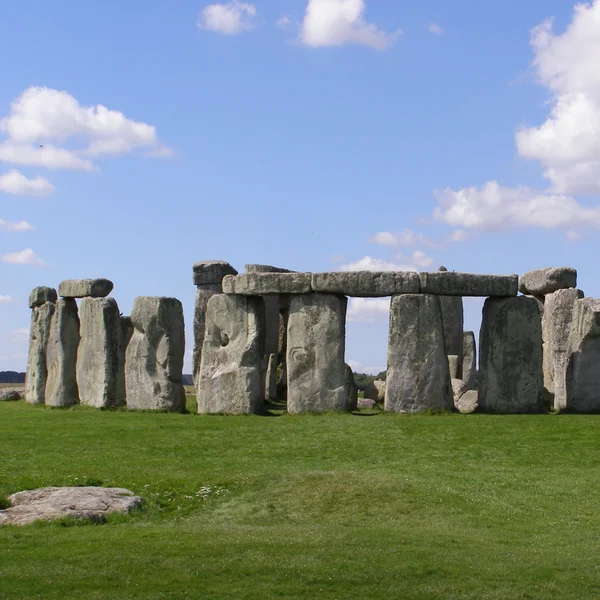
4. Stonehenge, England
Built: c. 3000–1500 BCE | Civilization: Neolithic/Bronze Age British | Era: Prehistoric
Stonehenge was not built in a single moment of inspiration but was constructed, modified, and dramatically expanded over 1,500 years. The famous sarsen stone ring — the largest stones weighing over 25 tonnes each — dates to around 2500 BCE. But the site's history begins earlier, around 3000 BCE, with an earthwork enclosure and timber settings whose exact purpose remains unclear.
The most extraordinary engineering feat is the transport of the bluestones: weighing up to 4 tonnes each, they were brought from the Preseli Hills in Wales, approximately 250 kilometers away. Experiments suggest a combination of sledges, rafts, and ropes could have accomplished this, but the motivation remains debated — the Welsh quarries appear to have been considered sacred sites in their own right.
Why it still matters: Stonehenge is precisely aligned with the summer and winter solstices, indicating an intimate connection to astronomical cycles and the agricultural calendar. It proves that complex, sustained collective organization existed in prehistoric Britain millennia before the first city in the British Isles.
5. Petra, Jordan
Built: c. 4th century BCE | Civilization: Nabataean | Era: Hellenistic/Roman
Carved directly into rose-red sandstone cliffs in a narrow desert canyon, Petra served as the capital of the Nabataean Kingdom — master traders who controlled the lucrative overland routes carrying spices, incense, silk, and precious metals between Arabia, India, China, and the Mediterranean world.
The city's most iconic structure, the Treasury (Al-Khazneh), is a 40-meter-tall tomb façade of extraordinary precision, its columns and pediments carved in-situ from the living rock. But Petra is far more than this single building: the site encompasses over 800 individual monuments — temples, royal tombs, a colonnaded street, bathhouses, and a 4,000-seat theater — all sustained by a sophisticated hydraulic engineering system that captured and stored rainwater to supply a city of 20,000 people in an extreme desert environment.
Petra's hydraulic engineers channeled, stored, and distributed water across an entire desert city of 20,000 people using only gravity, carved channels, ceramic pipes, and covered cisterns — a system so effective parts of it still function today.
Why it still matters: Petra demonstrates how sophisticated engineering, trade, and cultural exchange could sustain a thriving civilization in seemingly impossible conditions — and how completely such a civilization can vanish from historical memory. After the Roman annexation in 106 CE, the city gradually faded, and by the medieval period it was known only to local Bedouin.
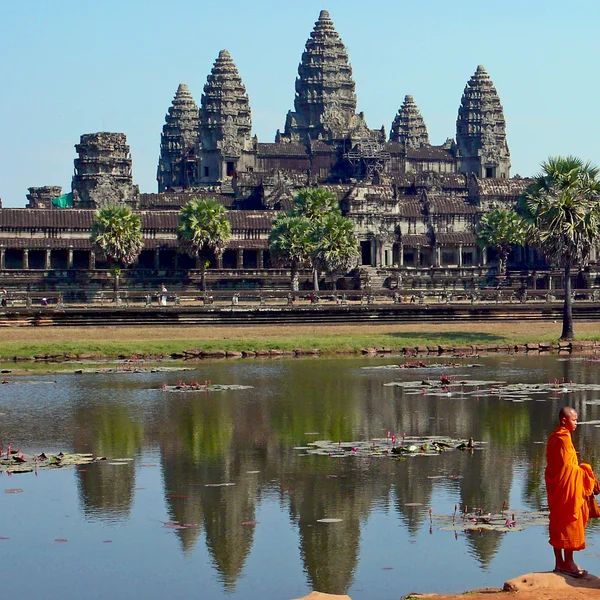
6. Angkor Wat, Cambodia
Built: c. 1113–1150 CE | Civilization: Khmer | Era: Medieval
The largest religious monument ever constructed, Angkor Wat covers approximately 163 hectares and was built over 37 years for Khmer king Suryavarman II. Originally a Hindu temple dedicated to Vishnu, it was later converted to Theravada Buddhism — a transition visible in the layered iconography of its walls.
The statistics are staggering: the temple complex uses more stone than the Great Pyramid of Giza; its outer gallery walls stretch 800 meters and contain the world's largest continuous bas-relief carvings, depicting Hindu mythology and historical battles in exhaustive detail; the surrounding moat — 190 meters wide and 5.5 kilometers in perimeter — is the largest temple moat on Earth.
The city of Angkor, of which Angkor Wat was one component, may have been the largest pre-industrial urban settlement in the world, housing up to one million people at its 12th-century peak.
Why it still matters: Angkor Wat is simultaneously an astronomical instrument (aligned to the spring equinox sunrise), a cosmological map (its five towers representing Mount Meru, home of the Hindu gods), and a political statement. It remains the world's most powerful surviving example of architecture deployed as theology.
7. Chichén Itzá, Mexico
Built: c. 600–1200 CE | Civilization: Maya | Era: Classic/Terminal Classic Maya
Located in Mexico's Yucatán Peninsula, Chichén Itzá was one of the most powerful cities of the Late Classic Maya world. At its peak in the Terminal Classic period (800–1000 CE), it may have housed 35,000 people and controlled a territory extending across northern Yucatán.
The site's defining structure, El Castillo (the Temple of Kukulcán), encodes extraordinary astronomical precision. Each of its four stairways contains 91 steps — 91 × 4 plus the top platform equals 365, matching the solar year exactly. During the spring and autumn equinoxes, the angle of the setting sun creates a shadow pattern on the northern staircase that appears as a feathered serpent descending from the heavens — a phenomenon that draws tens of thousands of visitors every year and was almost certainly deliberately designed.
Why it still matters: Chichén Itzá demonstrates the advanced mathematical and astronomical knowledge embedded in Maya architecture, and its Terminal Classic florescence offers crucial evidence about the political transformations that preceded — and perhaps caused — the broader Maya collapse elsewhere in the lowlands.
8. The Parthenon, Greece
Built: 447–432 BCE | Civilization: Classical Greek | Era: Classical
Crowning the Acropolis of Athens, the Parthenon is the defining monument of Classical Greek civilization and of the Western architectural tradition it spawned. Built under the direction of sculptor Pheidias during the political leadership of Pericles, it served as a temple housing a 12-meter ivory-and-gold statue of Athena — a statue now lost, known only through ancient descriptions.
The building is a lesson in controlled illusion. Its columns lean slightly inward (they would converge at a point 2.4 kilometers above the building if extended). The floor is curved rather than flat, rising approximately 6 centimeters at the center. The columns bulge slightly in the middle (entasis). These refinements, invisible to the casual eye but perceptible at some level of perception, give the Parthenon its appearance of perfect geometric order.
Why it still matters: The Parthenon established an architectural vocabulary — pediments, colonnades, proportional systems — that defines public buildings from Washington D.C. to New Delhi. Its ongoing history (converting to a church, then a mosque, then suffering catastrophic damage in a 1687 explosion) is also the history of Athens itself.
9. Persepolis, Iran
Built: c. 518–330 BCE | Civilization: Achaemenid Persian | Era: Iron Age/Antiquity
Founded by Darius I and continued by his successors Xerxes and Artaxerxes I, Persepolis served as the ceremonial capital of the Achaemenid Empire — the largest empire the ancient world had yet seen, stretching from Egypt and Thrace in the west to the Indus Valley in the east. It was the stage on which Persian imperial power was performed for the world.
The site's centerpiece is the Apadana, a massive audience hall where the Achaemenid king received delegations from across his empire. Its staircases are lined with one of antiquity's finest surviving relief sculptures: friezes showing 23 subject nations arriving in procession to present tribute — Medes, Elamites, Armenians, Greeks, Lydians, Nubians, Indians, and others, each depicted with distinctive dress, hairstyles, and gifts. Together, they constitute an astonishing document of the ancient world's diversity.
Alexander the Great burned Persepolis to the ground in 330 BCE — reportedly in retaliation for the Persian burning of Athens 150 years earlier.
Why it still matters: Persepolis offers the clearest surviving vision of how a Persian great king presented himself to his subjects and to history — not as a conqueror, but as the legitimate ruler of a divinely ordered world empire.
10. Rapa Nui, Chile
Built: c. 1200–1650 CE | Civilization: Polynesian Rapa Nui | Era: Medieval
Rapa Nui — known outside Polynesia as Easter Island — lies 3,700 kilometers from the nearest continental coast, making it one of the most isolated inhabited places on Earth. Yet its early Polynesian settlers, who arrived around 1200 CE in outrigger canoes navigating by stars, created nearly 1,000 monumental stone figures called moai, the largest standing over 10 meters tall and weighing 75 tonnes.
Experimental archaeology has confirmed that the statues could be "walked" into position — teams of people using ropes to rock them side to side in a waddling motion — matching Rapa Nui oral tradition. The moai were not the finished product: each stood on a ceremonial platform (ahu) with inlaid coral eyes that were added only when the statue was in its final position, as if activating it.
The society that built them later experienced catastrophic collapse — a combination of deforestation, soil erosion, and (from the 18th century) slave raiding and disease.
A civilization navigated 3,700 kilometers of open ocean by stars alone, built 900 stone statues each weighing dozens of tonnes, and sustained a complex society on a 163-square-kilometer island. Then, within a few generations, it was gone.
Why it still matters: Rapa Nui is both a testament to human ingenuity in extreme circumstances and a case study in societal collapse through ecological overreach. Its lessons resonate in contemporary discussions about sustainability and the fragility of complex civilizations.
United Kingdom
Stonehenge
Stonehenge is a prehistoric megalithic monument in Wiltshire, England, erected in phases between 3100 and 1600
Jordan
Petra
Petra, the Nabataean capital from ~300 BCE to 700 CE, is famed for its rock-cut tombs and sophisticated water
Cambodia
Angkor Wat
Angkor Wat, the world’s largest religious monument, was built as a Hindu temple dedicated to Vishnu by Khmer k
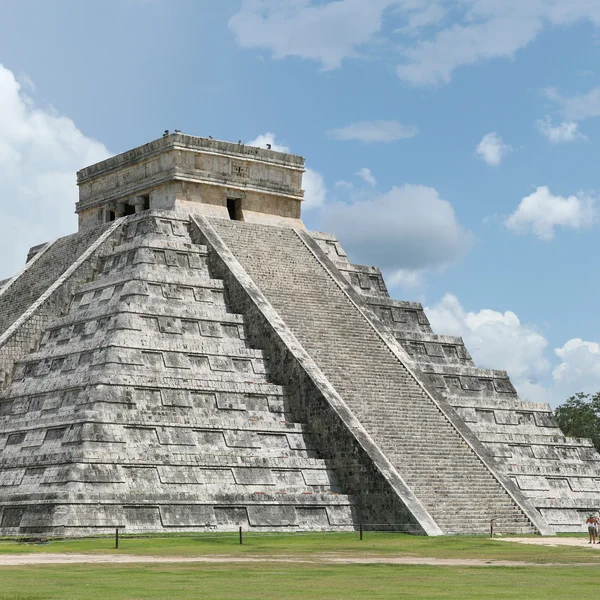
Mexico
Chichén Itzá
A major Maya-Toltec ceremonial center from 600–1200 CE, featuring the iconic stepped pyramid of Kukulcán and o
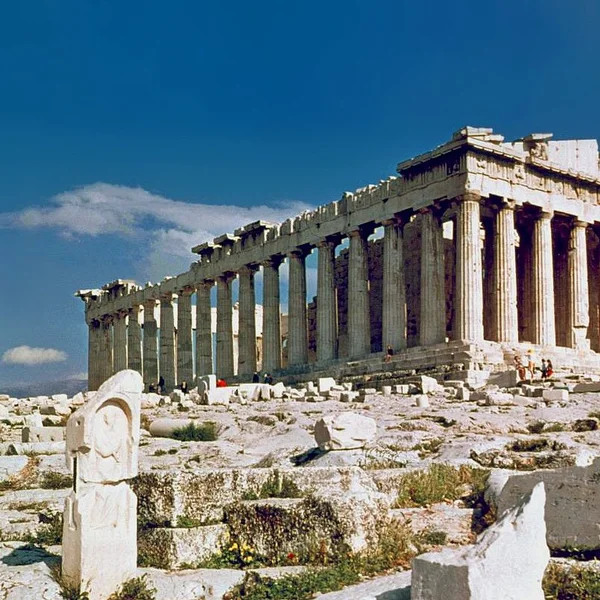
Greece
Parthenon
The Parthenon (447–432 BCE) on the Athenian Acropolis is the supreme achievement of Classical Greek temple arc
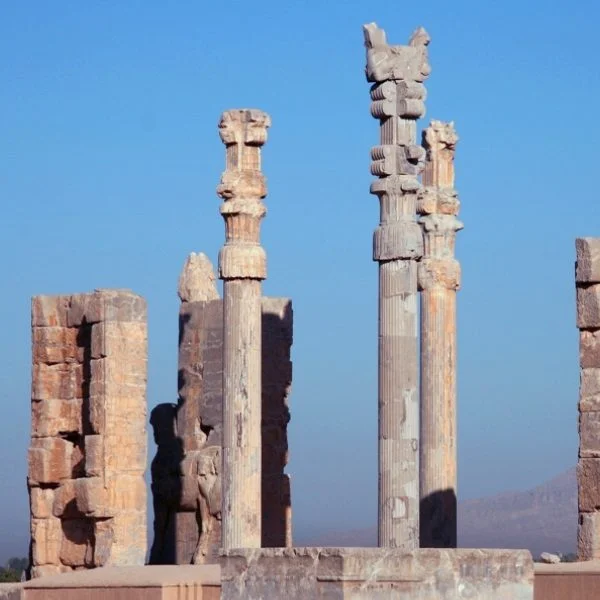
Iran
Persepolis
Ceremonial capital of the Achaemenid Empire, built by Darius I c. 518 BCE and sacked by Alexander the Great in
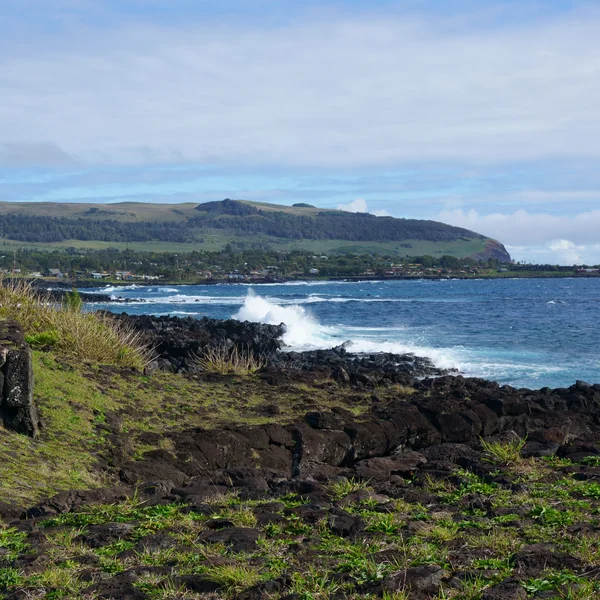
Chile
Rapa Nui
Rapa Nui (Easter Island) is famed for its colossal stone moai, crafted by a Polynesian society that flourished
Where to Go From Here
These ten sites are extraordinary — but they represent only a fraction of what survives from humanity's ancient past. Thousands of years of human achievement are mapped at Atlas Anatolia: over 200 major archaeological sites across all six inhabited continents, from the 12,000-year-old sanctuaries of Anatolia to the sacred cities of the Inca, the Buddhist monuments of Southeast Asia, the megalithic tombs of Ireland, and the ceremonial mounds of North America.
Each entry on Atlas Anatolia includes evidence confidence ratings, period timelines, excavation histories, and multilingual content — because the ancient world deserves to be understood with the same rigor we bring to the modern one.