
Overview
Discovery and Early Investigation
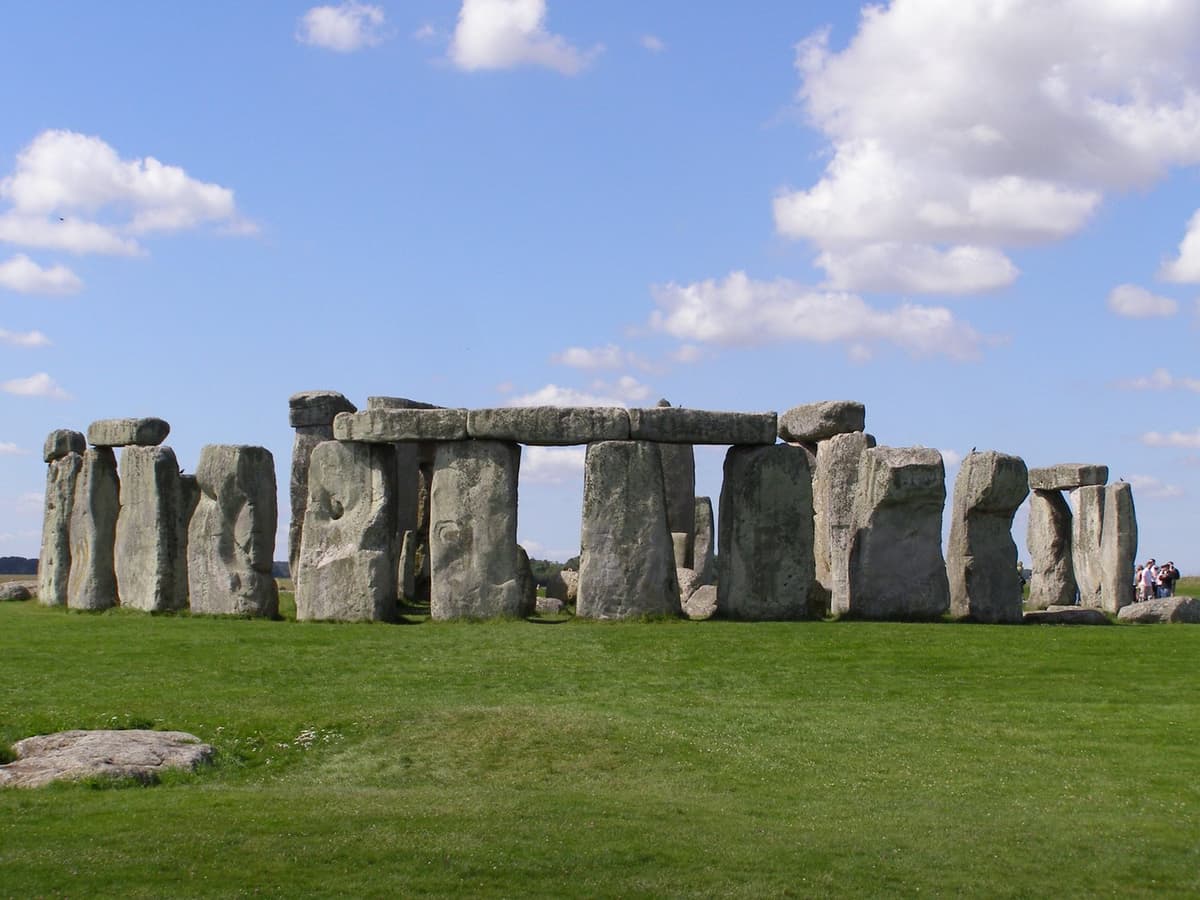
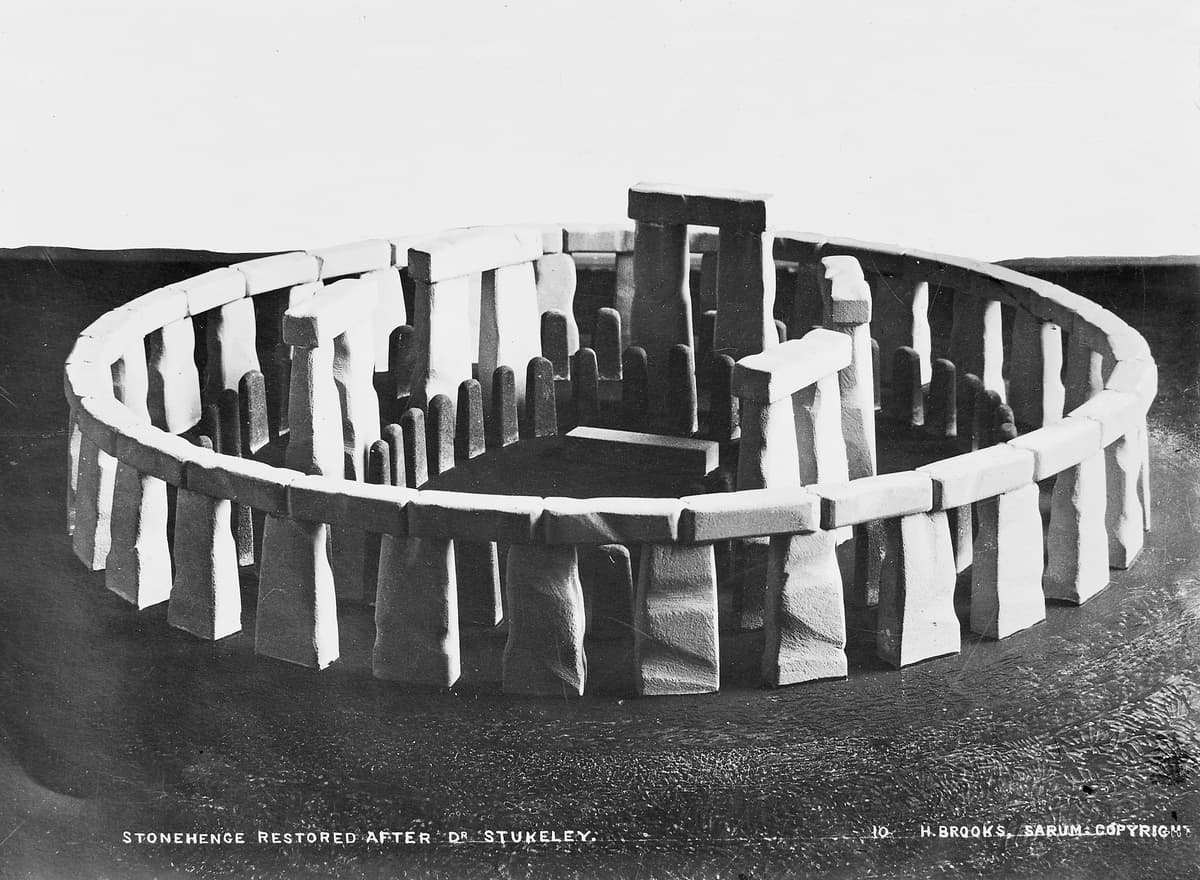
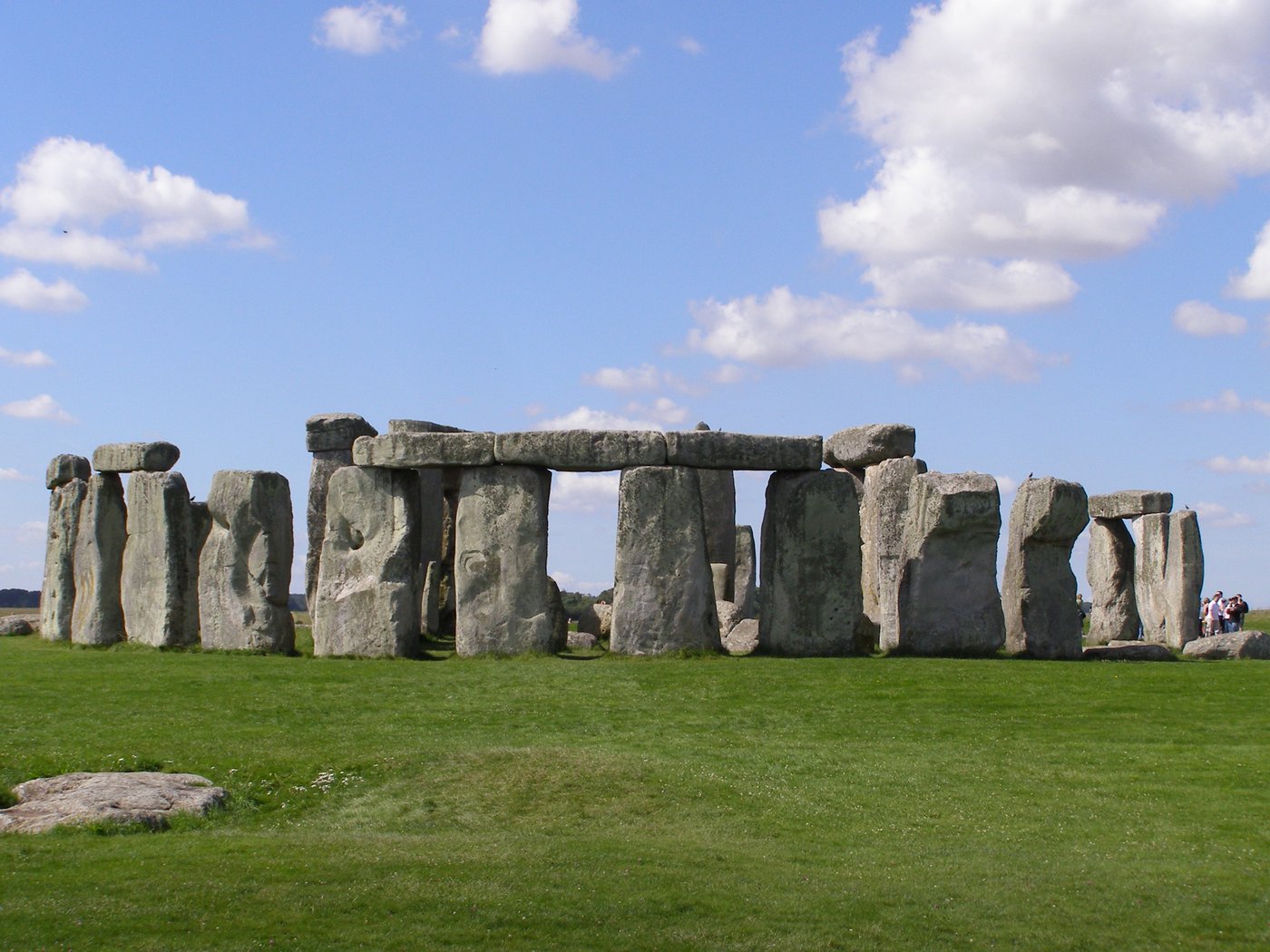
Stonehenge has been a recognizable feature on Salisbury Plain for millennia, mentioned in medieval chronicles and depicted by artists. The first recorded excavation occurred in the 1620s when George Villiers, Duke of Buckingham, dug a pit at the center under royal permission, reporting the discovery of animal bones and charcoal. John Aubrey's observations in 1666 provided the first systematic description, attributing the monument to the Druids—a theory later disproven. William Stukeley in the 1740s recognized the solstitial alignment, pioneering the field of archaeoastronomy.
"Some say it was reared by the Britons, in memory of Aurelius Ambrosius. Others, that the giants brought the stones from Africa to Ireland, and Merlin removed them by his art to Britain."
— Geoffrey of Monmouth, Historia Regum Britanniae IX.12, c. 1136
Construction Phases
Constructed over 1500 years, Stonehenge evolved through several distinct phases. The earliest monument, dating to around 3100 BCE, comprised a circular earthwork enclosure with a ring of 56 pits known as the Aubrey Holes, which held cremation burials and possibly timber posts. Around 2600 BCE, the builders transported massive sarsen stones from the Marlborough Downs and smaller bluestones from the Preseli Hills in Wales, arranging them in the iconic trilithons and outer circle. The final phase, around 1600 BCE, saw the reworking of the bluestones into inner circles and the extension of external avenues.
"The stones of Stonehenge have watched over Wessex for three thousand years and more — not a ruin so much as a calendar written in rock."
— Paraphrase of archaeoastronomy interpretations of Stonehenge
Astronomical Alignments
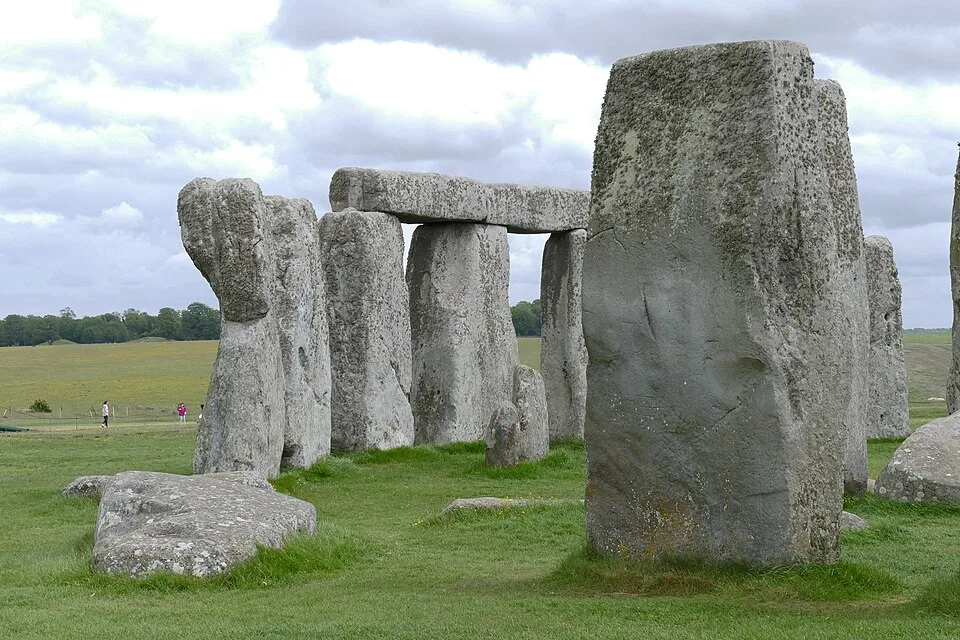
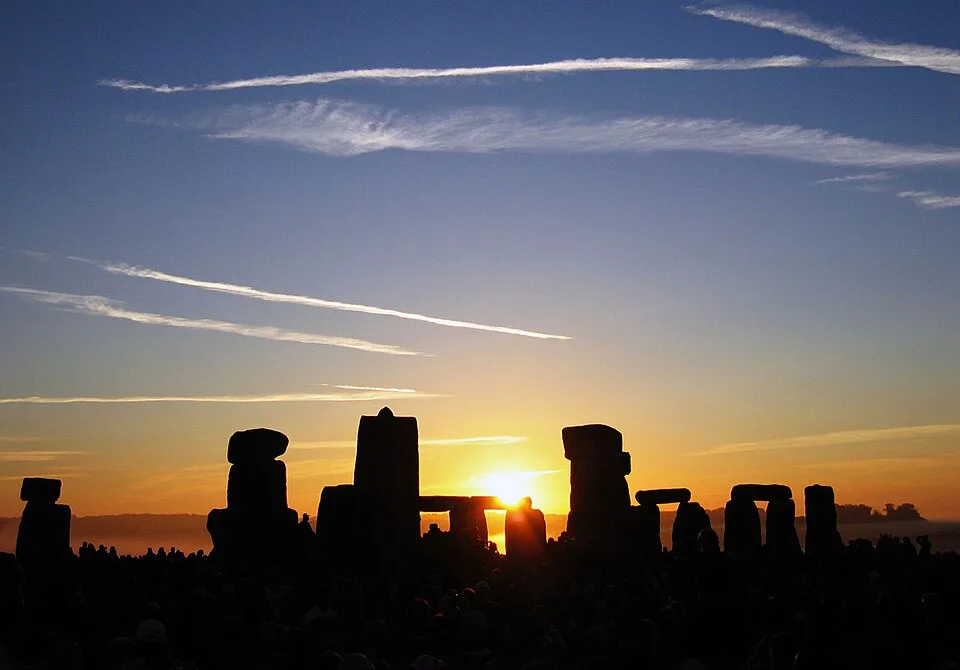
The axis of Stonehenge aligns with the midsummer sunrise and midwinter sunset, indicating intentional solar orientation. The Heel Stone, positioned outside the main circle, marks the point on the horizon where the sun rises at the summer solstice. Some researchers also argue for lunar alignments, though these are less certain. The precision of these alignments suggests that the monument functioned as a calendar for agricultural or ritual purposes.
Burial and Ritual Landscape
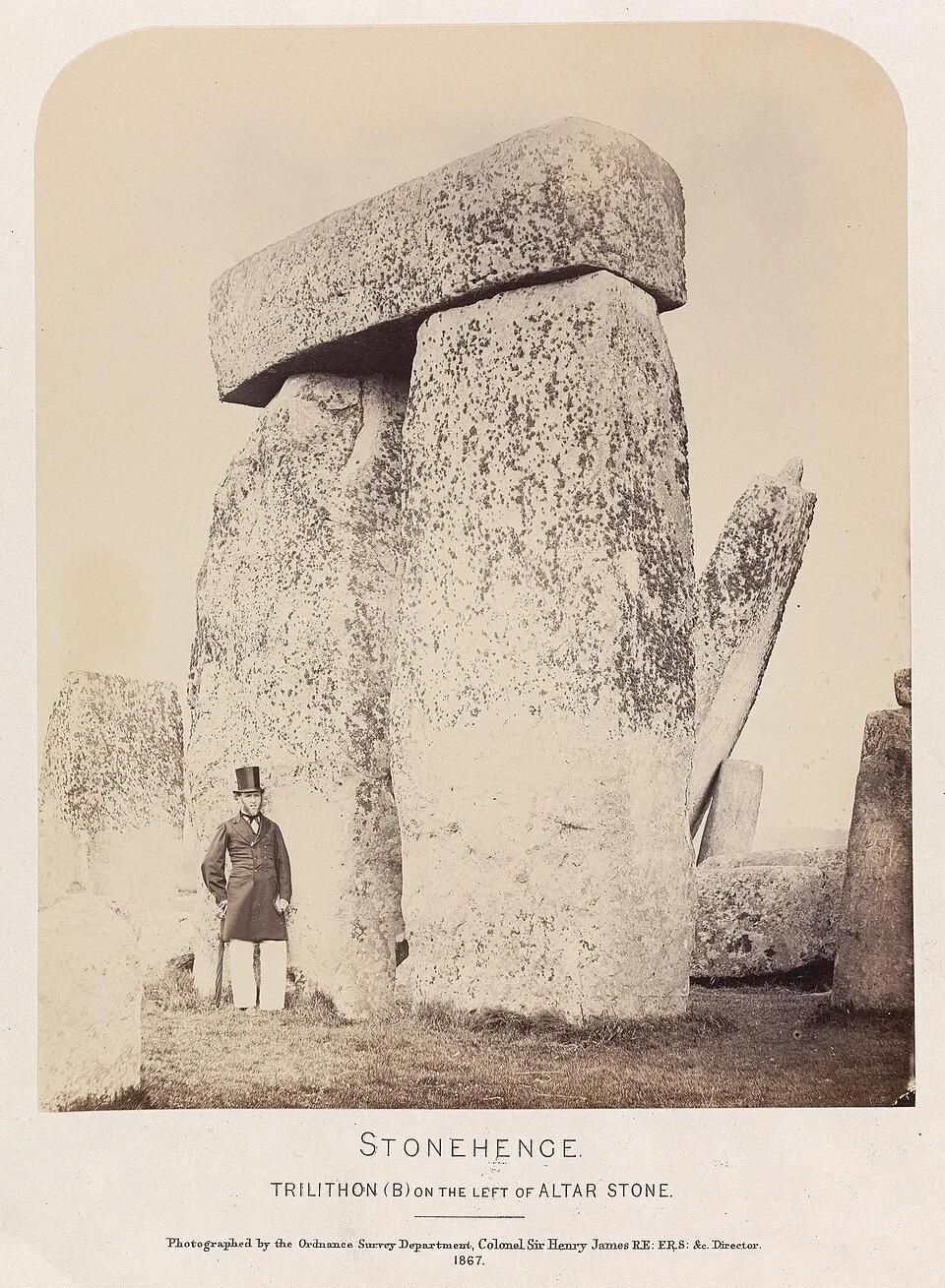
Excavations have uncovered over 50 cremation burials within the Aubrey Holes, dating to the earliest phase, making Stonehenge one of the largest Neolithic cemeteries in Britain. The surrounding landscape is dotted with hundreds of burial mounds, the Cursus, Woodhenge, and Durrington Walls, indicating that Stonehenge was part of a vast ceremonial complex. Isotope analysis of human remains reveals that some individuals came from as far as Wales, suggesting the site held widespread significance.
Conservation and Modern Research
Restoration campaigns in the 20th century re-erected fallen stones and stabilized the monument. The 2008 excavation led by Timothy Darvill and Geoffrey Wainwright confirmed the presence of bluestone debitage and altered the dating of the stone circles. Recent non-invasive surveys using ground-penetrating radar and magnetometry have uncovered previously hidden features, including a 'super-henge' at Durrington Walls, reshaping our understanding of the entire Stonehenge landscape.