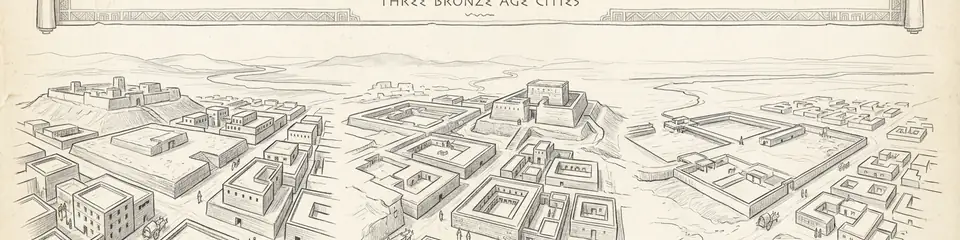
The Indus Valley Civilization (also Harappan Civilization) flourished c. 2600–1900 BCE across modern Pakistan and northwest India — contemporary with Bronze Age Egypt and Mesopotamia, yet distinct in urban design, craft production, and its still-undeciphered script.
Atlas Anatolia links three of the best-documented cities. Use the compare tool to place dates, evidence ratings, and geography side by side.
"Harappa and Mohenjo-daro were planned towns — streets at right angles, drains beneath the house floors — a civic order without kings' names on the bricks."
— Paraphrase of John Marshall's reports on the Indus excavations (1920s–30s)
Mohenjo-daro — Grid City on the Indus
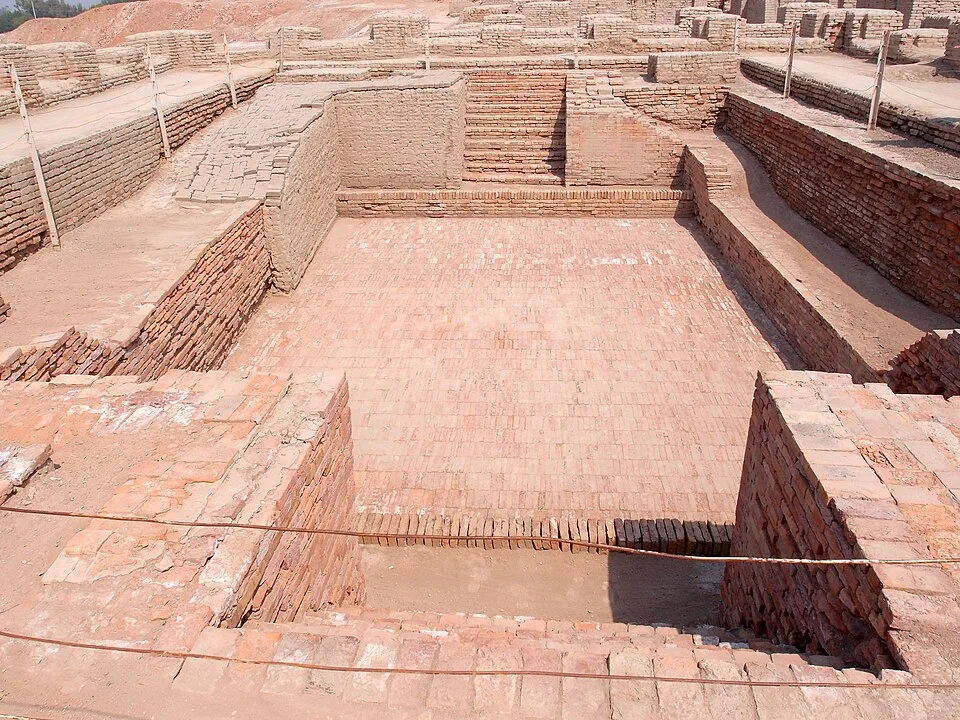
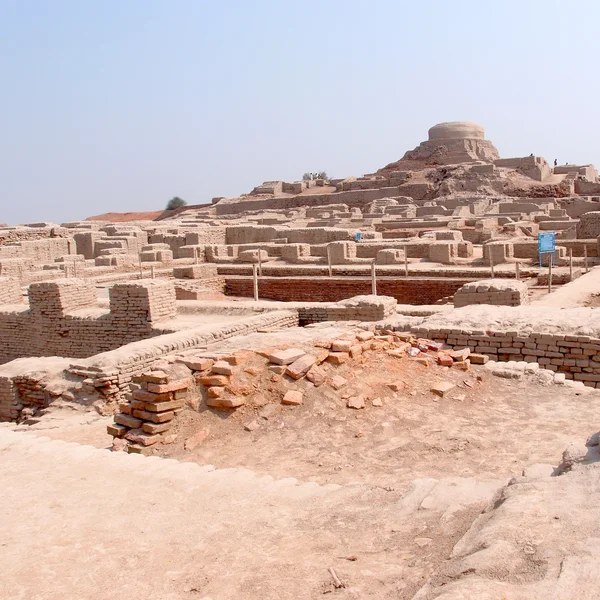
Mohenjo-daro ("Mound of the Dead") in Sindh, Pakistan, is the iconic Harappan city: baked-brick streets laid on a cardinal grid, a sophisticated drainage system, and the Great Bath — a watertight pool that may have served ritual bathing. No palaces or royal tombs dominate the plan; the layout suggests relatively egalitarian urban organisation compared with contemporary Mesopotamia or Egypt.
Great bath view Mohenjodaro | Saqib Qayyum (CC BY-SA 3.0)
Harappa — The Namesake Site
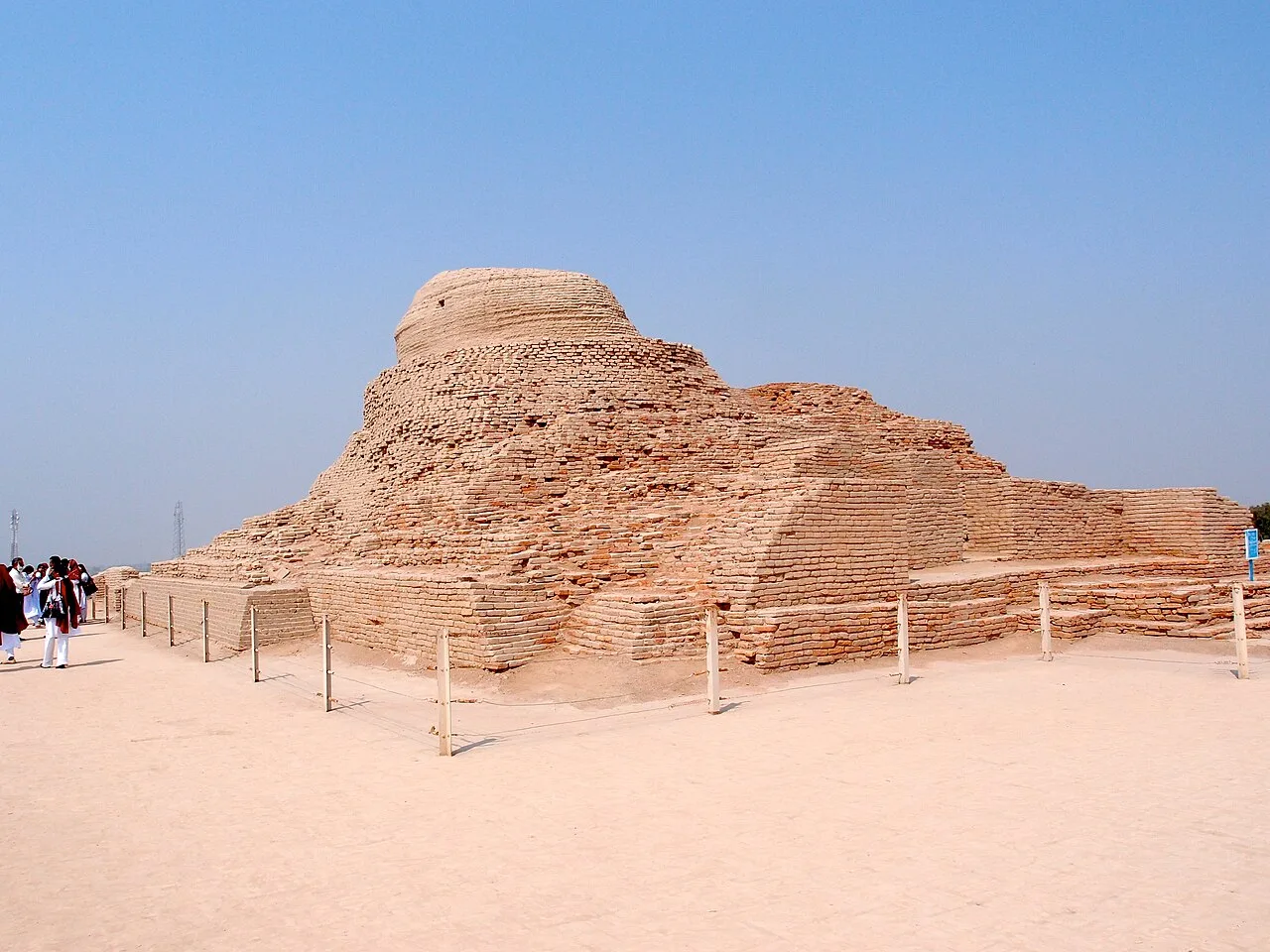
Buddhist stupa, Mohenjo-daro | Saqib Qayyum (CC BY-SA 3.0)
Harappa on the Ravi River gave the civilization its archaeological name. Excavations revealed granaries, craft workshops, and stamp seals bearing animal motifs and short inscriptions. Harappa anchors the eastern extent of mature Harappan settlement.
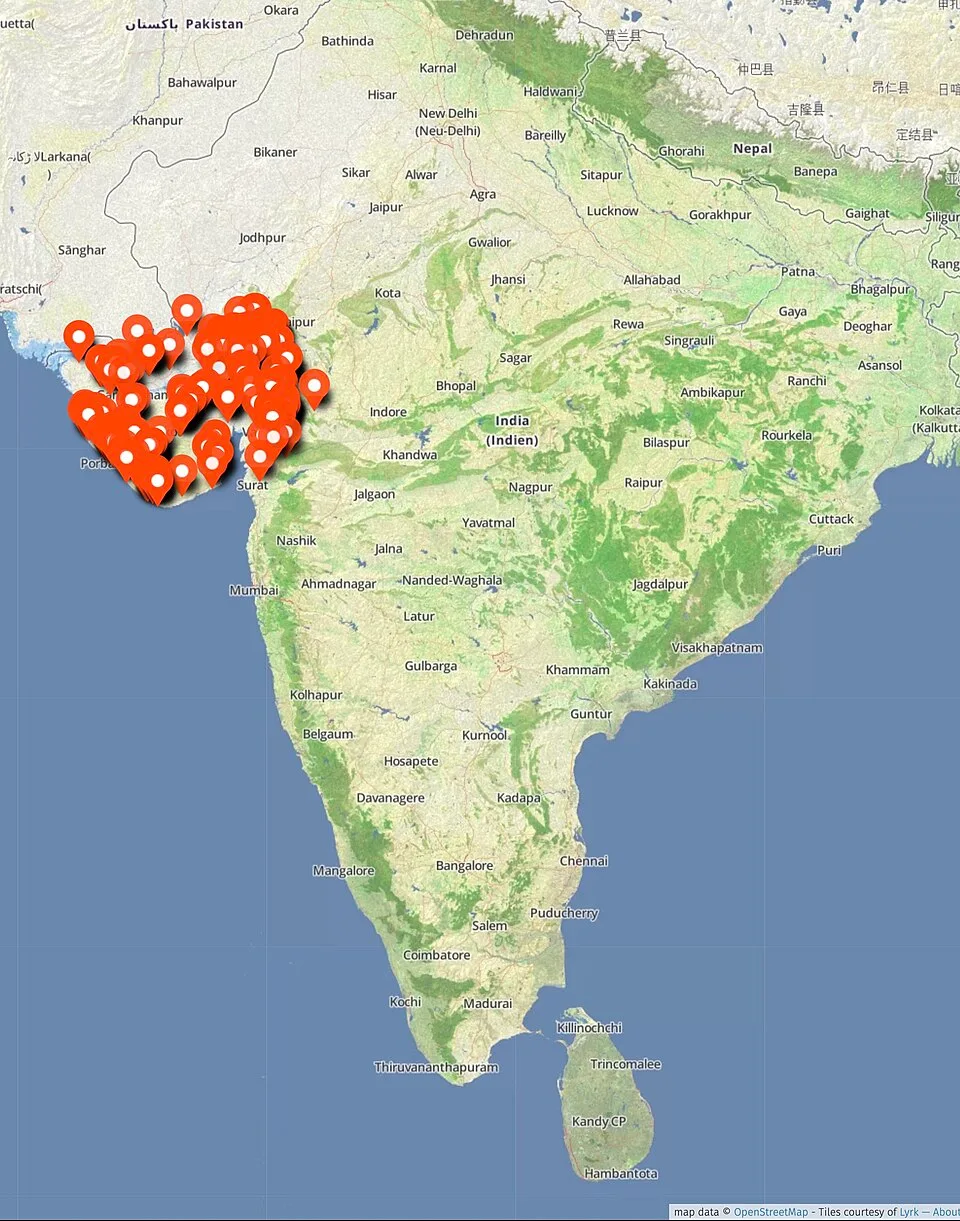
!Historic heritage sites of Gujarat with GPS coordinates
Historic heritage sites of Gujarat with GPS coordinates | Ms Sarah Welch (CC BY-SA 4.0)
Dholavira — City in the Rann
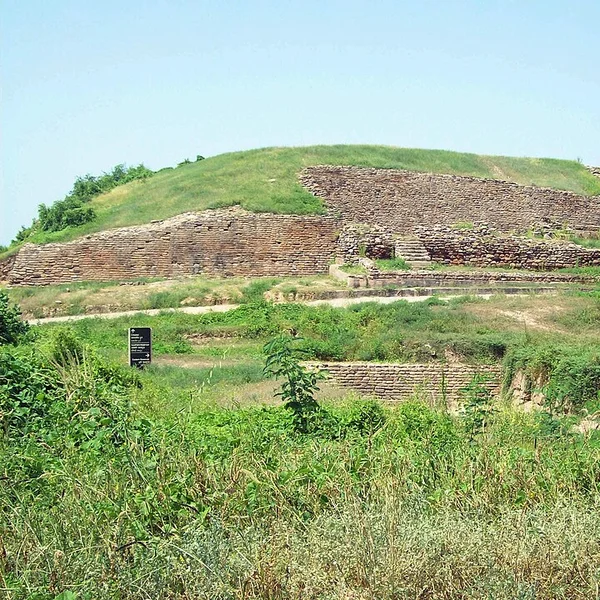
On Khadir Island in Gujarat, Dholavira preserves a dockyard, reservoirs, and a three-part city plan adapted to arid conditions — evidence that Harappan urbanism was not a single template but responded to local environments.
!File:Prehistoric Ancient And Hindu India.djvu
File:Prehistoric Ancient And Hindu India.djvu | R D banerji (Public domain)
What We Still Debate
Scholars continue to debate the Indus script (logo-syllabic or purely symbolic?), the cause of deurbanisation after c. 1900 BCE (climate shift, river avulsion, socio-economic transformation), and the relationship between Harappan culture and later Vedic traditions. Atlas Anatolia labels claims accordingly — Confirmed, Inferred, or Debated — on each site page.
Explore the broader Indus Valley timeline or open the classroom compare URL for assignments.
Last updated: July 2026
Pakistan
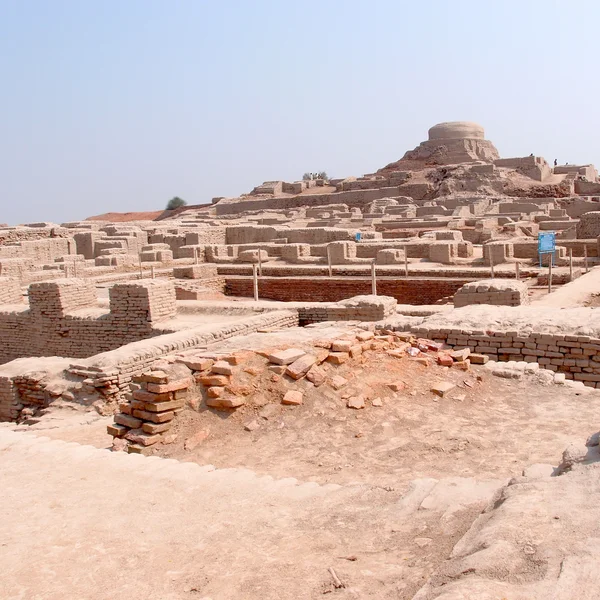
Mohenjo-daro
Mohenjo-daro, a principal urban center of the Indus Civilization (c. 2500–1700 BCE), exemplifies advanced Bron
Pakistan
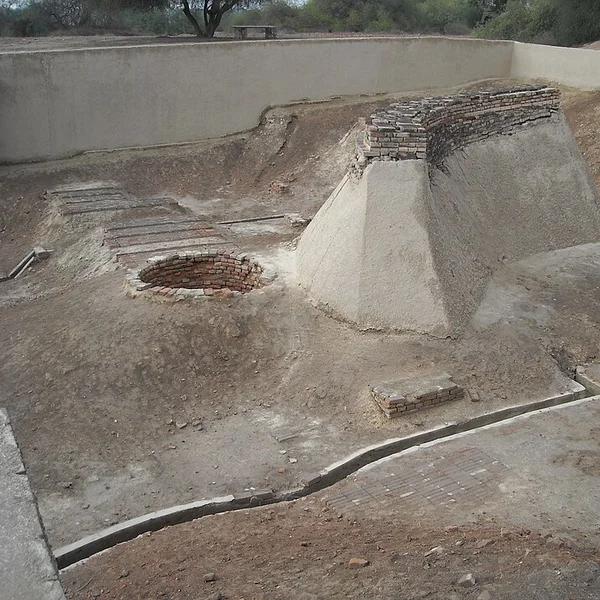
Harappa
The city that gave the Indus Valley Civilisation its name — a planned Bronze Age metropolis in what is now Pak
India
Dholavira
The best-preserved and most sophisticated city of the Indus Valley Civilisation — a planned Bronze Age metropo