Overview
Tiryns lies on a low limestone ridge in the Argolid plain, between Argos and Nafplio in the northeastern Peloponnese. Heinrich Schliemann opened trenches here in 1884–1885, but the German Archaeological Institute's systematic work in the 20th century revealed the full plan: a palace megaron, propylon, casemates, and the great galleries within the west wall.
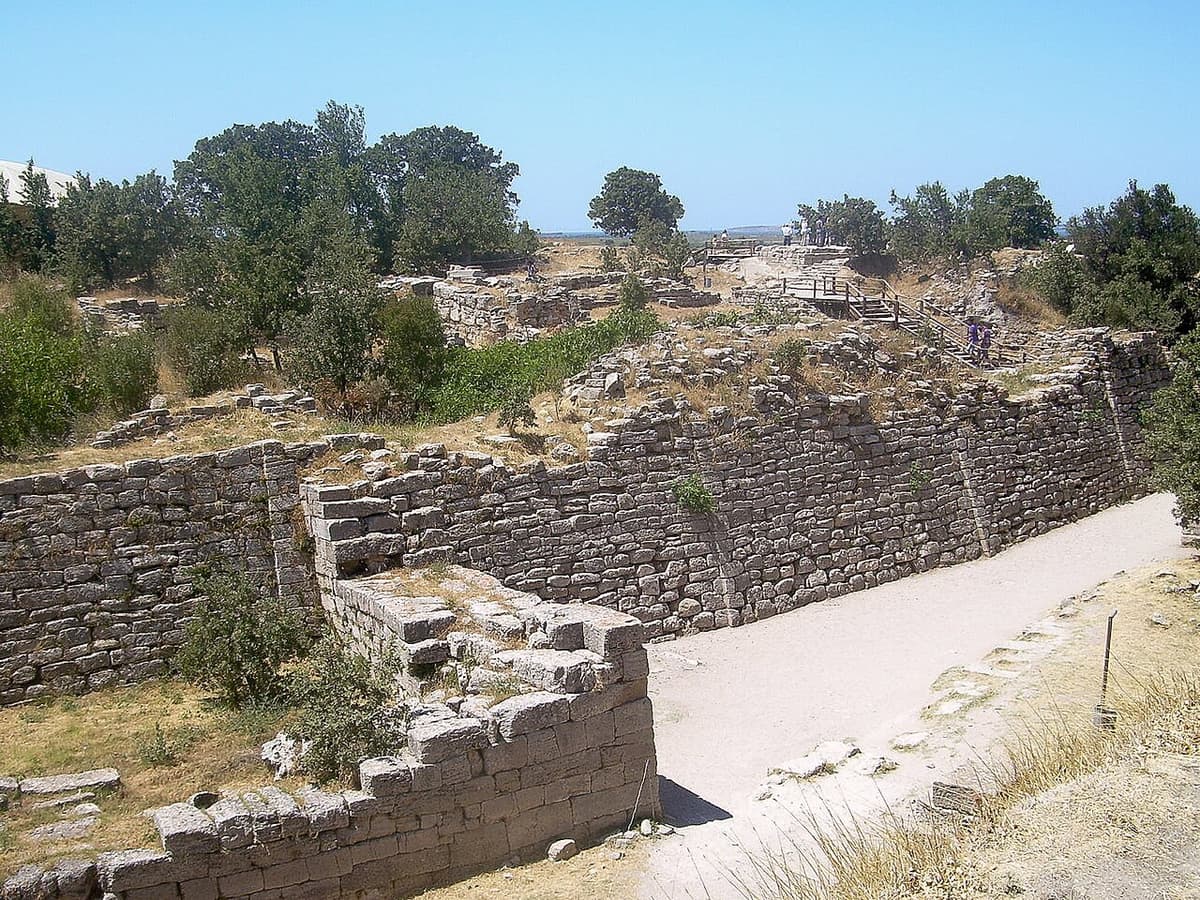
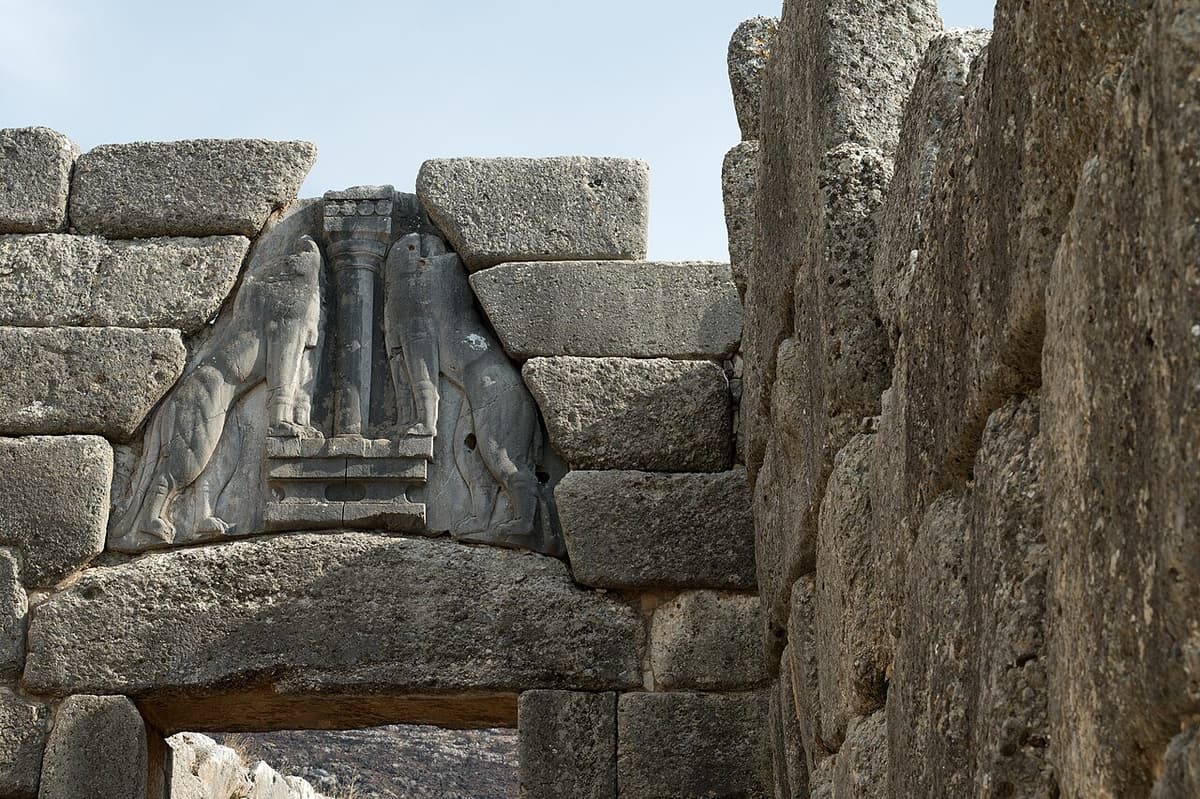
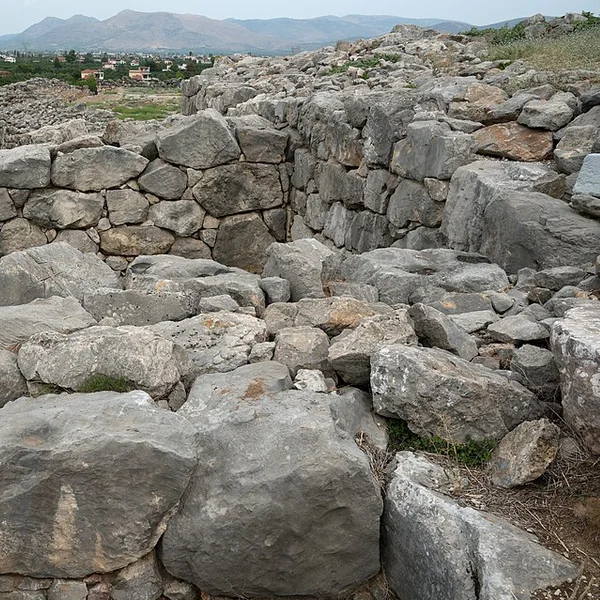
The walls are the headline. Limestone boulders, some weighing several tonnes, are fitted without mortar in the so-called Cyclopean style. A corbelled tunnel leads to a cistern. Ancient Greeks already marvelled: Pausanias attributed the masonry to Cyclopes. Homer mentions "wall-girt Tiryns" in the Iliad's catalogue of ships, tying the fortress to the same heroic world as Mycenae.
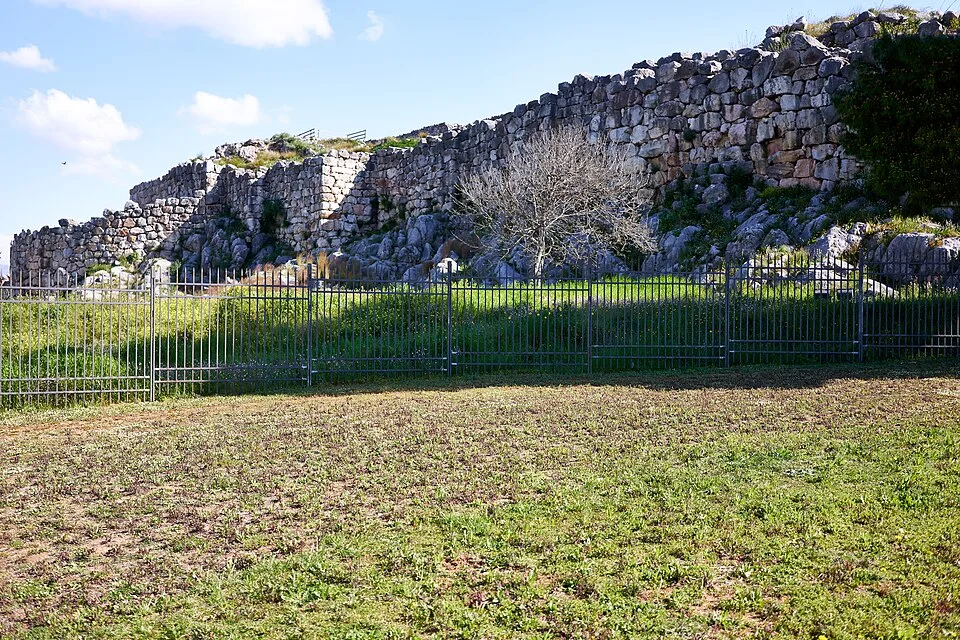
"They who held Tiryns, wall-girt city, and Hermione and Asine that lie along the deep bay."
— Homer, Iliad II.561–562 (catalogue of ships, paraphrase)
Occupation runs from the Neolithic through Late Helladic IIIB, with the palatial phase around 1400 to 1200 BCE. After the Bronze Age collapse the site shrank but remained inhabited into classical times. UNESCO inscribed Tiryns with Mycenae in 1999 as masterpieces of Mycenaean civilisation.
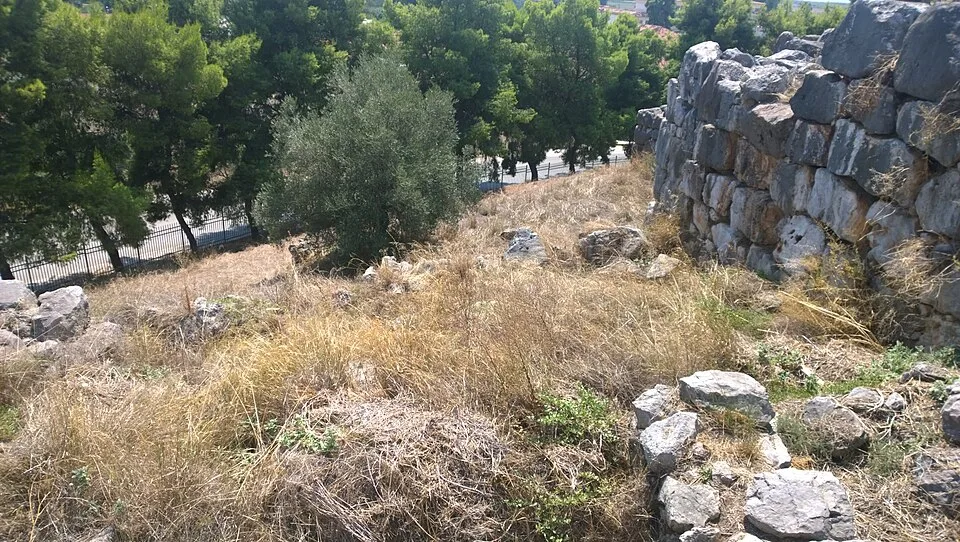
Film crews seeking authentic Aegean fortifications sometimes scout here rather than building sets. The scale is human: you can walk the entire circuit in an hour and still feel the weight of the stones. Combine with Mycenae the same day; both are short drives from Nafplio.