Overview
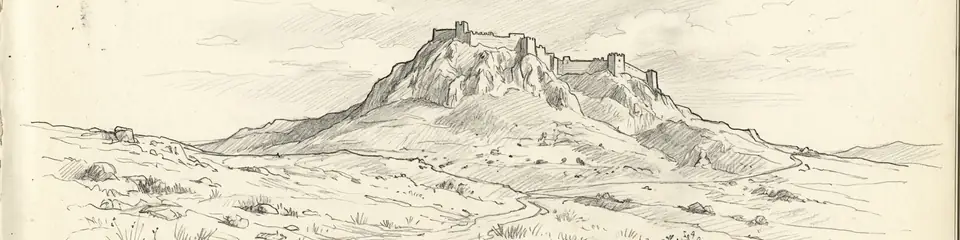
Acrocorinth rises abruptly above the ruins of ancient Corinth in the northeastern Peloponnese. Its springs, especially the Upper Peirene, made the summit habitable, while cliffs on three sides made it a natural fortress. Bronze Age traces on the peak show the hill was valued long before the classical city flourished below.
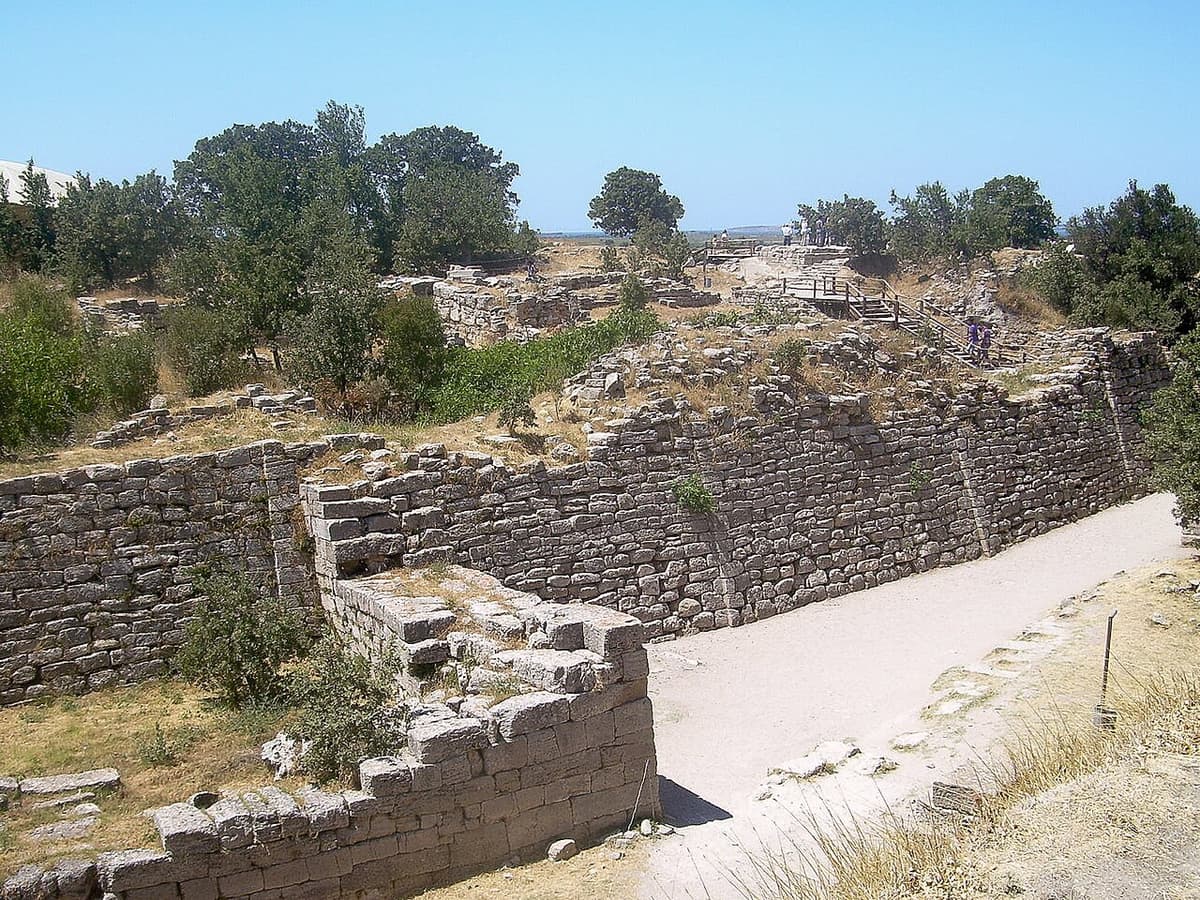
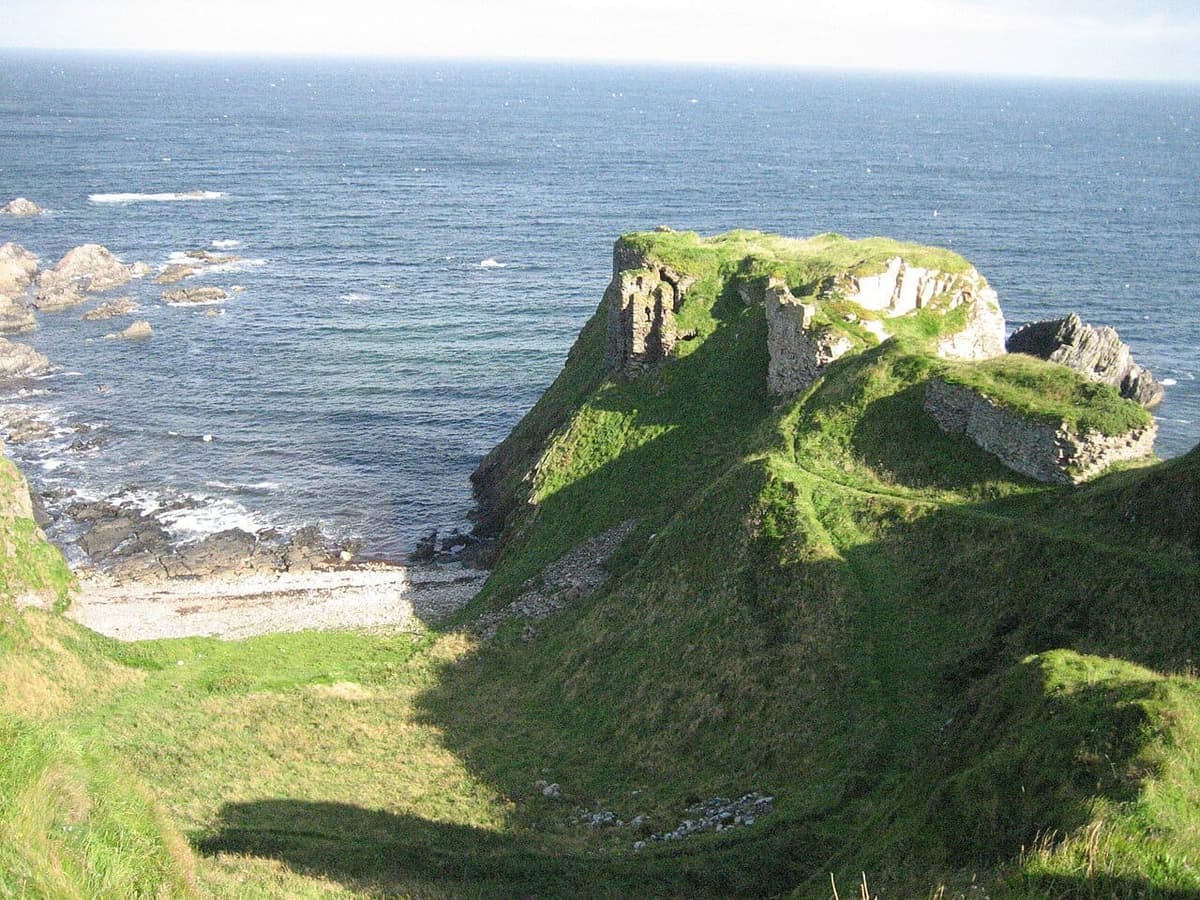
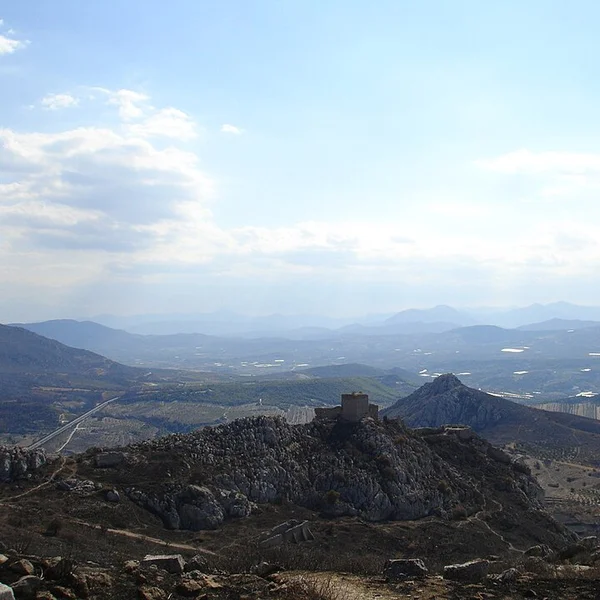
In the Greek and Roman periods Acrocorinth served as the acropolis of Corinth, a refuge in war and a religious centre tied to Aphrodite. Medieval Byzantines, Frankish knights of the Principality of Achaea, Venetians, and Ottomans each rebuilt walls and towers. The triple circuit you walk today is largely Ottoman and Venetian, but it follows much older lines. From the summit on a clear day you see the Gulf of Corinth, the Saronic Gulf, and the routes armies and merchants fought over.
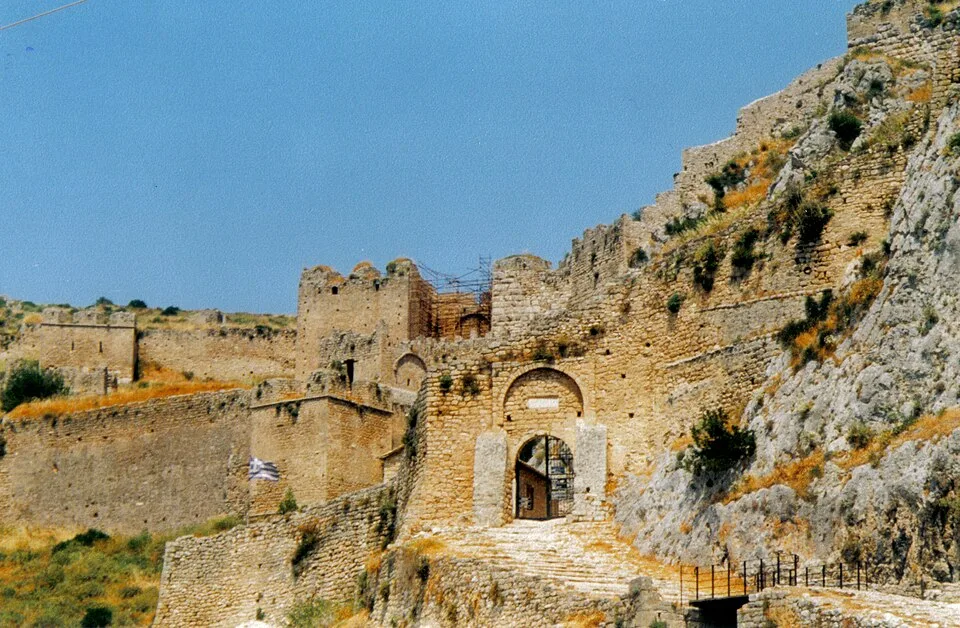
"Corinth is called wealthy, and the acropolis that watches the isthmus is held by those who control the passage between two seas."
— Composite from Thucydides and Pausanias on Corinth's strategic height
Homer's Odyssey does not stage scenes on Acrocorinth, yet Corinth's isthmus belongs to the mental map of any Aegean voyage. Heroes and traders in epic and historical sources pass through the narrows or portage ships across the diolkos track. Modern productions filming Greek myth often seek commanding heights like this for establishing shots of kingdoms and sieges.
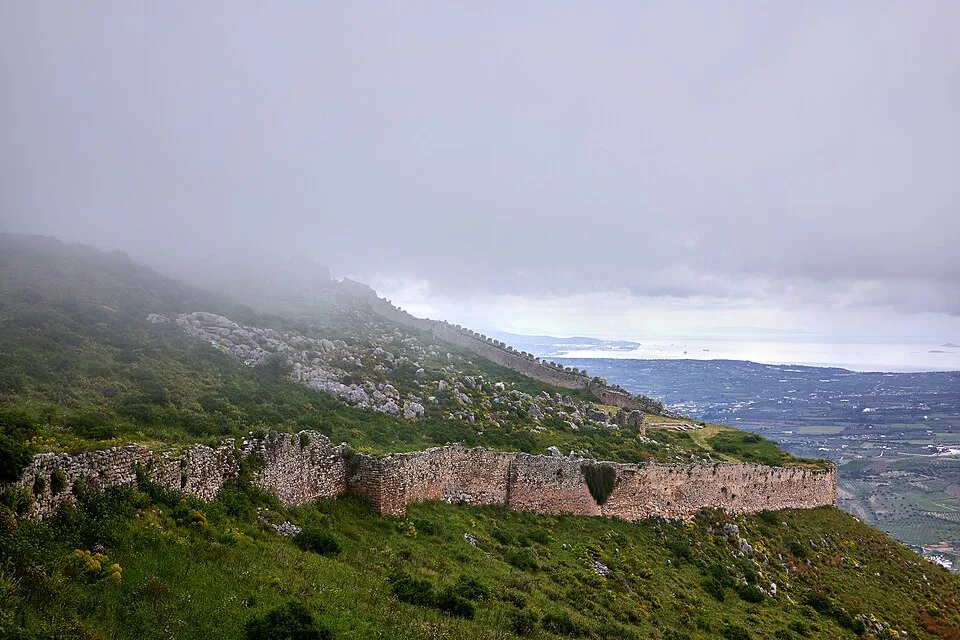
Archaeological work on the lower city (Corinth) supplies the urban counterpart: temples, shops, and the forum. Together, hill and plain explain why Corinth remained strategically priceless from antiquity through the Crusades.