Overview
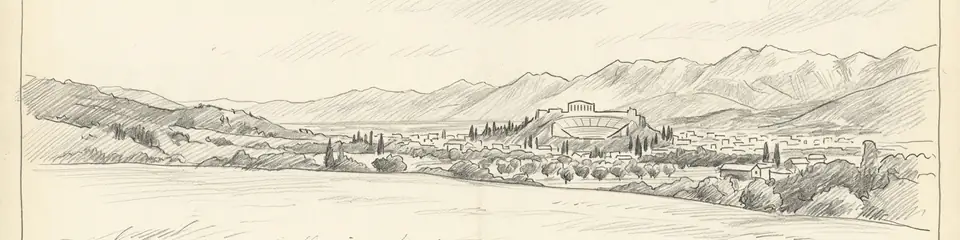
Sparta lies in the Eurotas River valley of Laconia, surrounded by mountains that encouraged isolation and hard training. Ancient writers idealised and feared Spartans in equal measure: austere citizens, helot farmers, two kings, and armies said to obey commands without question. Helen, whose abduction launches the Iliad's conflict, was mythically Spartan; Menelaus ruled here before pursuing Paris to Troy.
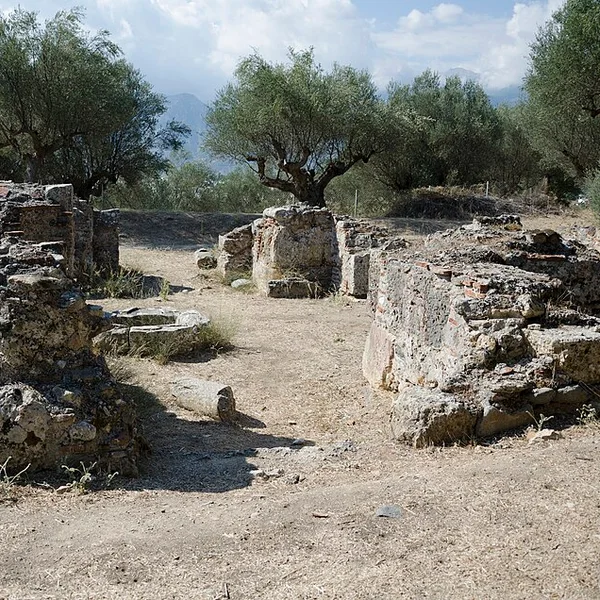
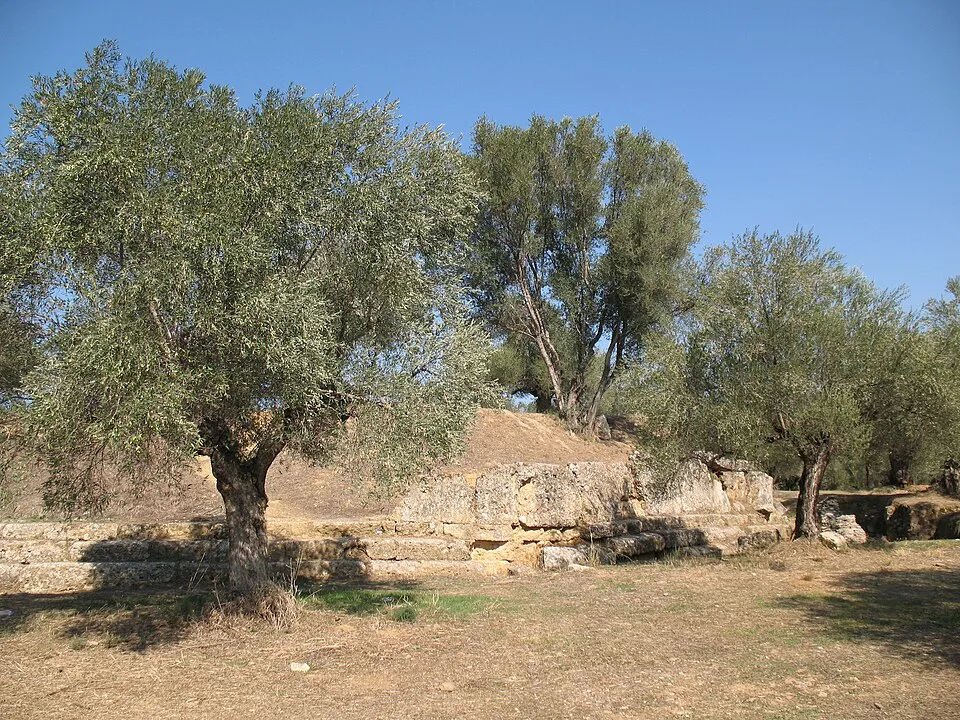
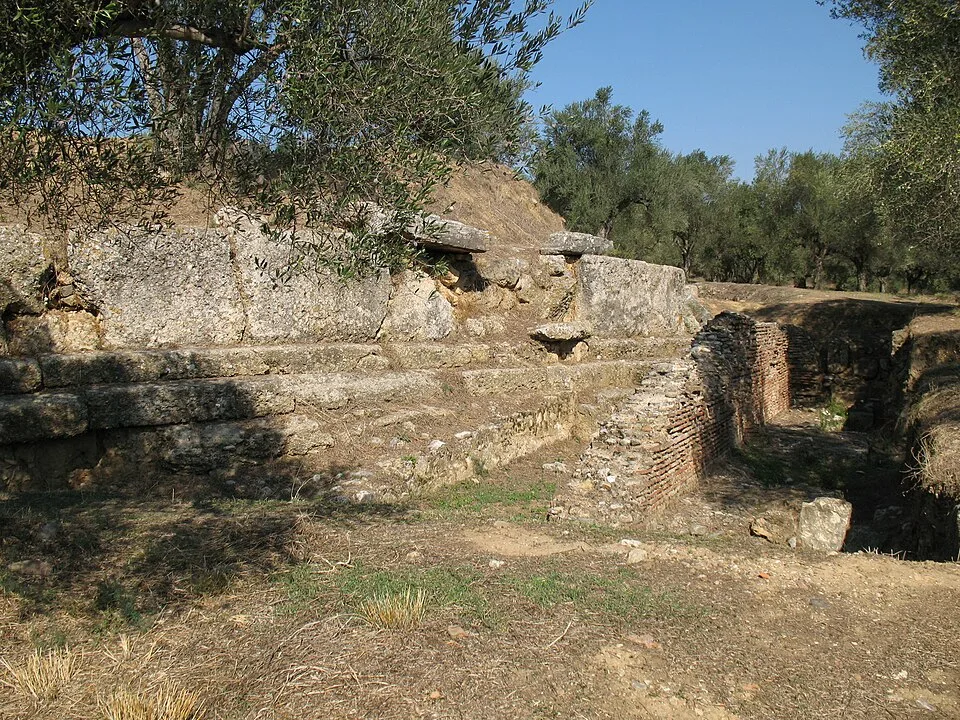
Do not expect Pompeii-like streets. Spartans lived modestly by design; later earthquakes and Byzantine rebuilding erased much. The archaeological site on the acropolis includes a Roman theatre, the remains of the Temple of Athena Chalkioikos, and stoas later visitors used. Nearby, the sanctuary of Artemis Orthia produced thousands of votive lead figurines from ritual dances that could turn brutal.
"Sparta is not walled with towers; her men are the wall, and they lie not asleep but stand armed on the borders."
— Attributed to Lycurgus in later tradition; paraphrase of Spartan austerity topos
The Sparta Archaeological Museum collects sculpture, pottery, and inscriptions that fill gaps left on the ground. For Homeric tourism, Sparta completes the Peloponnesian triangle with Mycenae (Agamemnon) and Palace of Nestor (Nestor). Film productions sometimes film Laconian landscapes when they need austere mountains behind bronze-age armies.
Sparta rewards readers of myth more than hunters of marble grandeur. Come for context, museum cases, and the odd thrill of standing where Thucydides and Plutarch argued about virtue and empire.