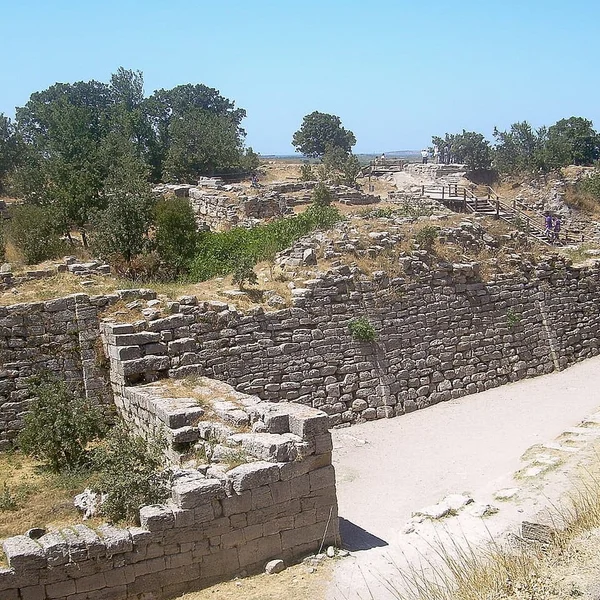
Overview
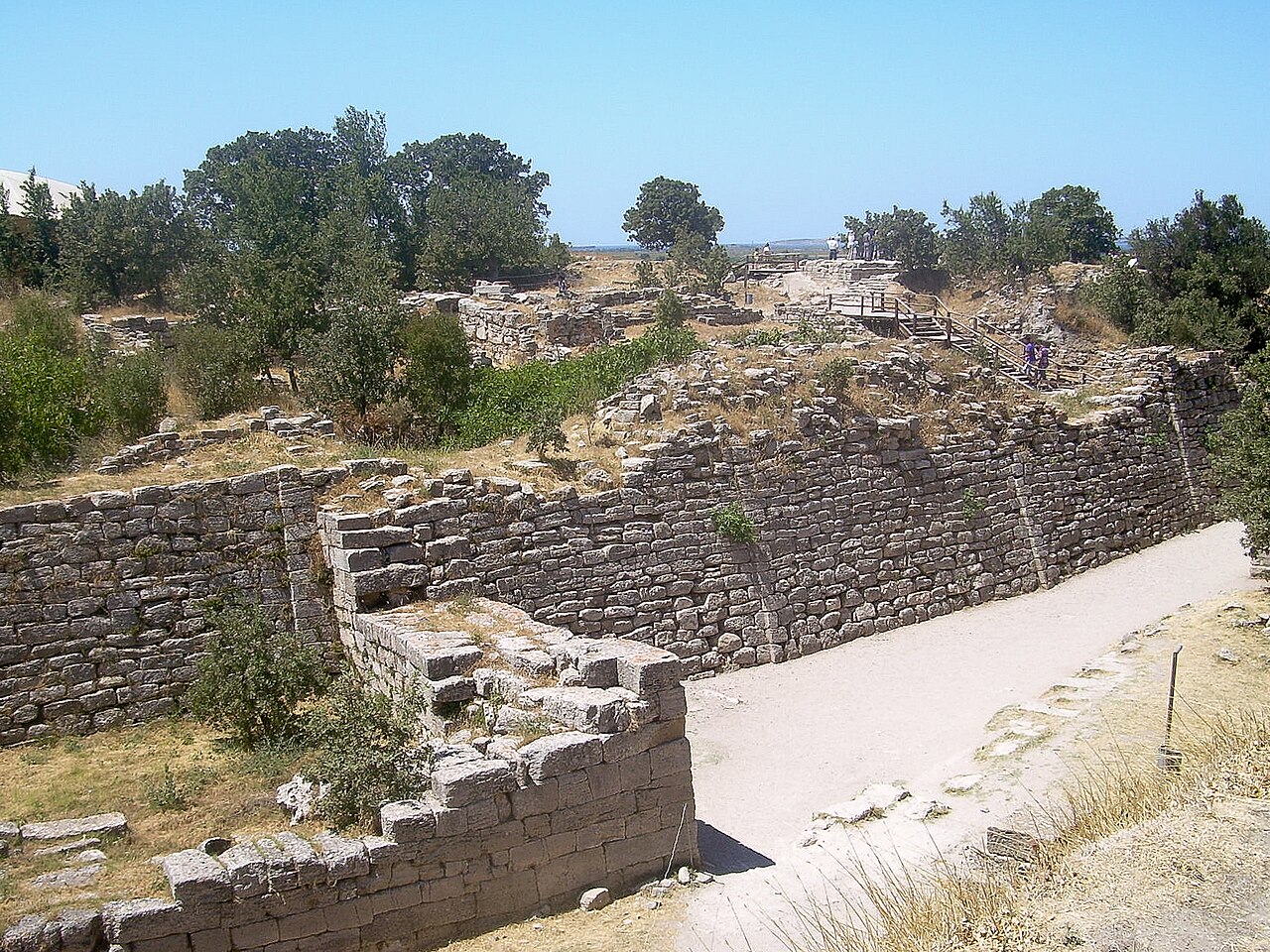
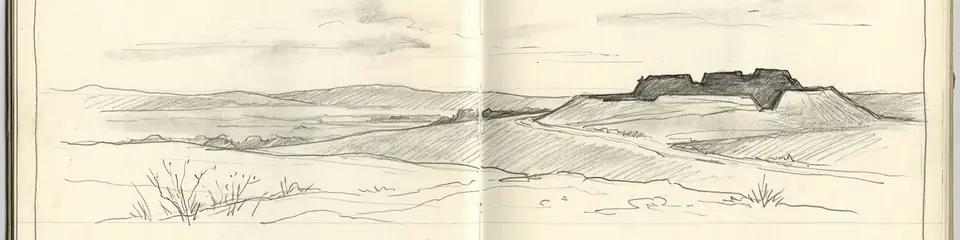
Troy sits at Hisarlık, a tell overlooking the plain where the Scamander (Karamenderes) meets the Hellespont near modern Çanakkale. At least nine major occupation levels, labelled Troy I through Troy IX, stack from the Early Bronze Age into the Roman and Byzantine periods. The mound's strategic position controlled access between the Aegean and the Black Sea worlds.
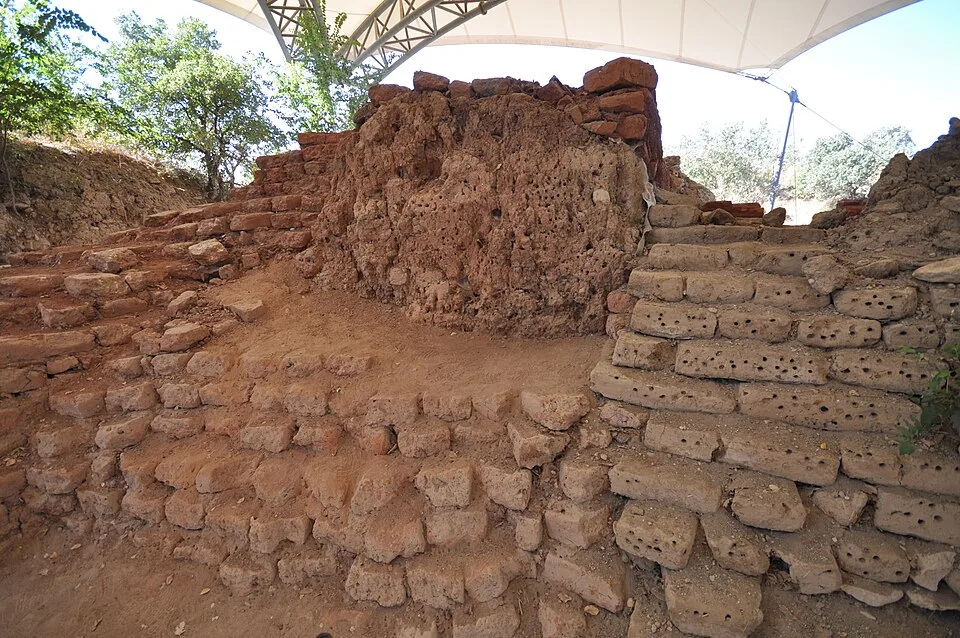
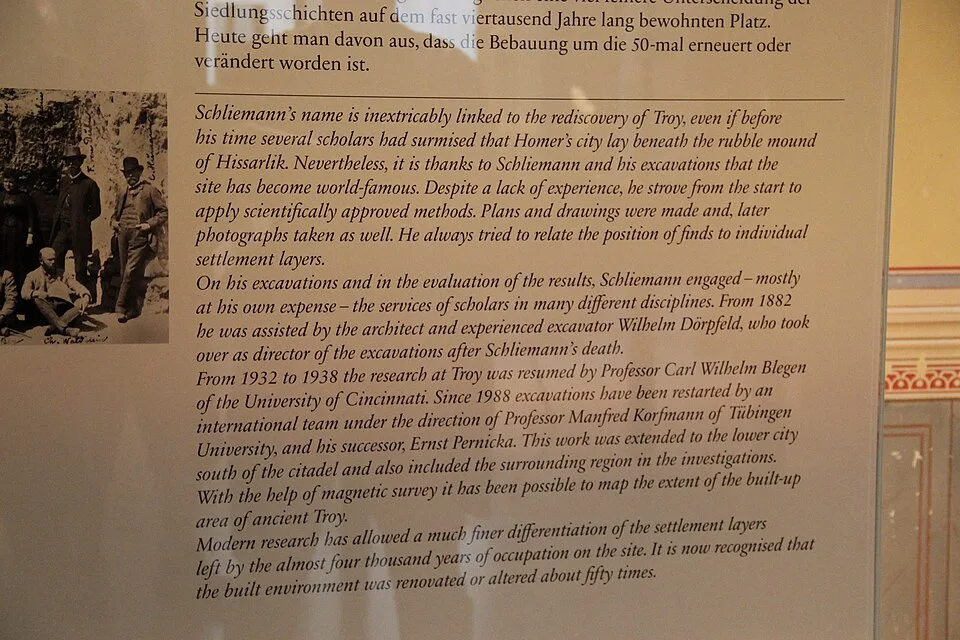
Heinrich Schliemann began digging here in 1870, convinced that Homer's Iliad preserved memory of a real siege. He cleared much of Troy II's citadel and famously "discovered" Priam's Treasure there, a date we now know is centuries too early for any Trojan War tradition. Later excavators, including Wilhelm Dörpfeld, Carl Blegen, and Manfred Korfmann, refined the stratigraphy. Troy VI (c. 1700–1250 BCE) and Troy VIIa (c. 1250 BCE), with evidence of fire and fighting, remain the strongest archaeological candidates for a conflict that might echo in later poetry.
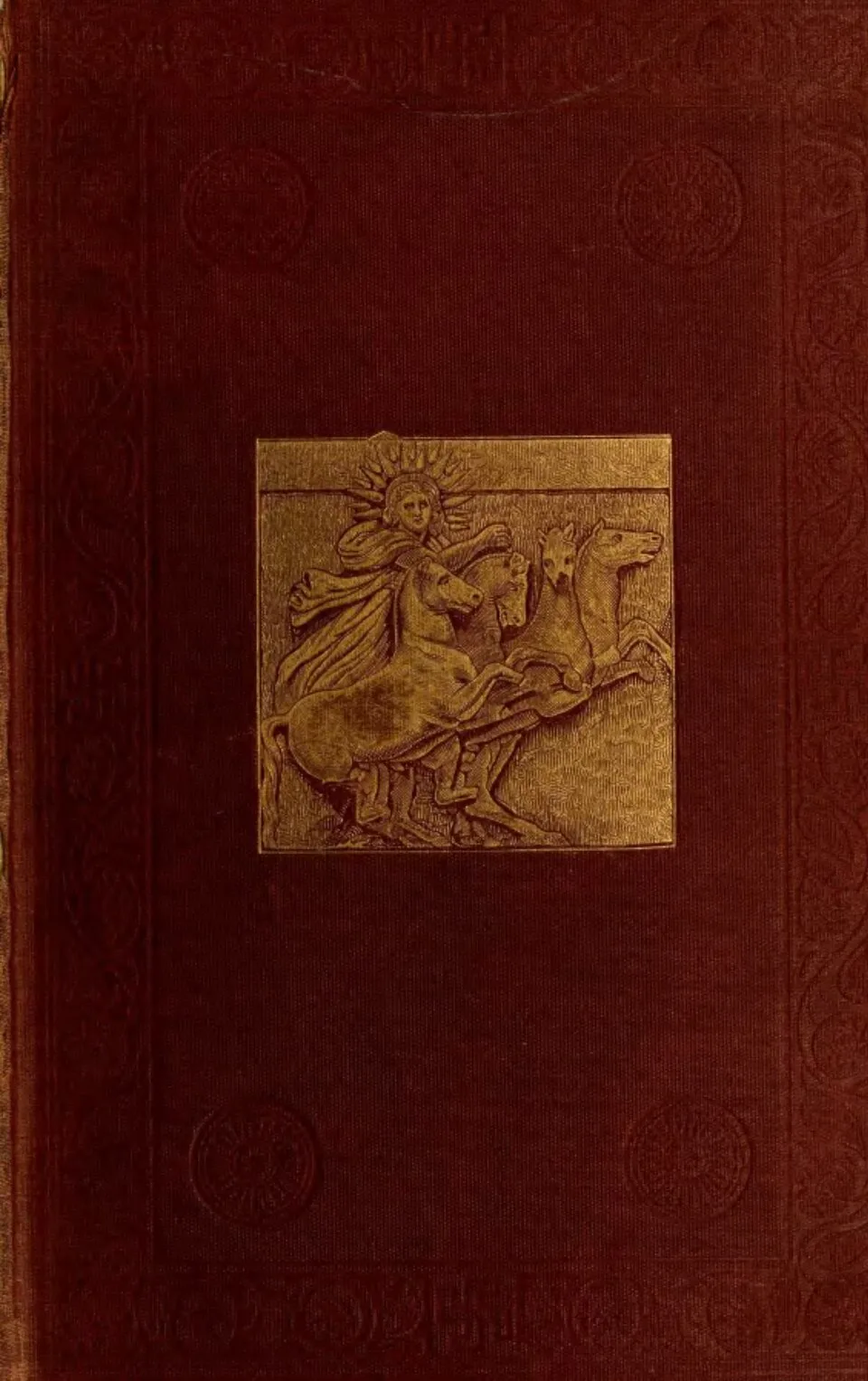
"Sing, O goddess, the anger of Achilles son of Peleus, that brought countless ills upon the Achaeans."
— Homer, Iliad, Book I (c. 8th century BCE)
Hittite cuneiform tablets from Hattusa mention a kingdom called Wilusa in northwest Anatolia and a ruler "Alaksandu" whose name invites comparison with Homer's Alexandros (Paris). A letter between Hittite and Ahhiyawan (Mycenaean Greek?) kings discusses territorial disputes in the region. These documents do not prove Homer's plot, but they show powerful states clashing near Troy's date.
"There is a land called Ilios… and a city of wide streets — yet the tell at Hisarlık alone must answer whether Homer's war left fire in the earth."
— Composite of Iliad II and modern excavation debate
Cinema rarely films on the tell itself. Christopher Nolan's Odyssey reportedly used the UNESCO ksar of Aït Ben Haddou in Morocco for exterior walled-city shots. That is honest movie magic: the excavated city is stone and brick on the Dardanelles; the screen version borrows mud-brick towers under Atlas light. Visiting both places teaches how epic film and Bronze Age archaeology tell different kinds of true stories.
Today a wooden horse stands near the entrance for tourists; the real finds live in the Troy Museum in Çanakkale. Walk the ramp of Troy II, the megaron houses of Troy VI, and the fortifications Korfmann argued were a lower city wall facing the plain.