Skip to content
Atlas Anatolia
NewsLalibela at the Heart of Cultural Diplomacy and World Heritage ConservationStudy Tracks Origins of 19th-Century Africans Left on Atlantic Island
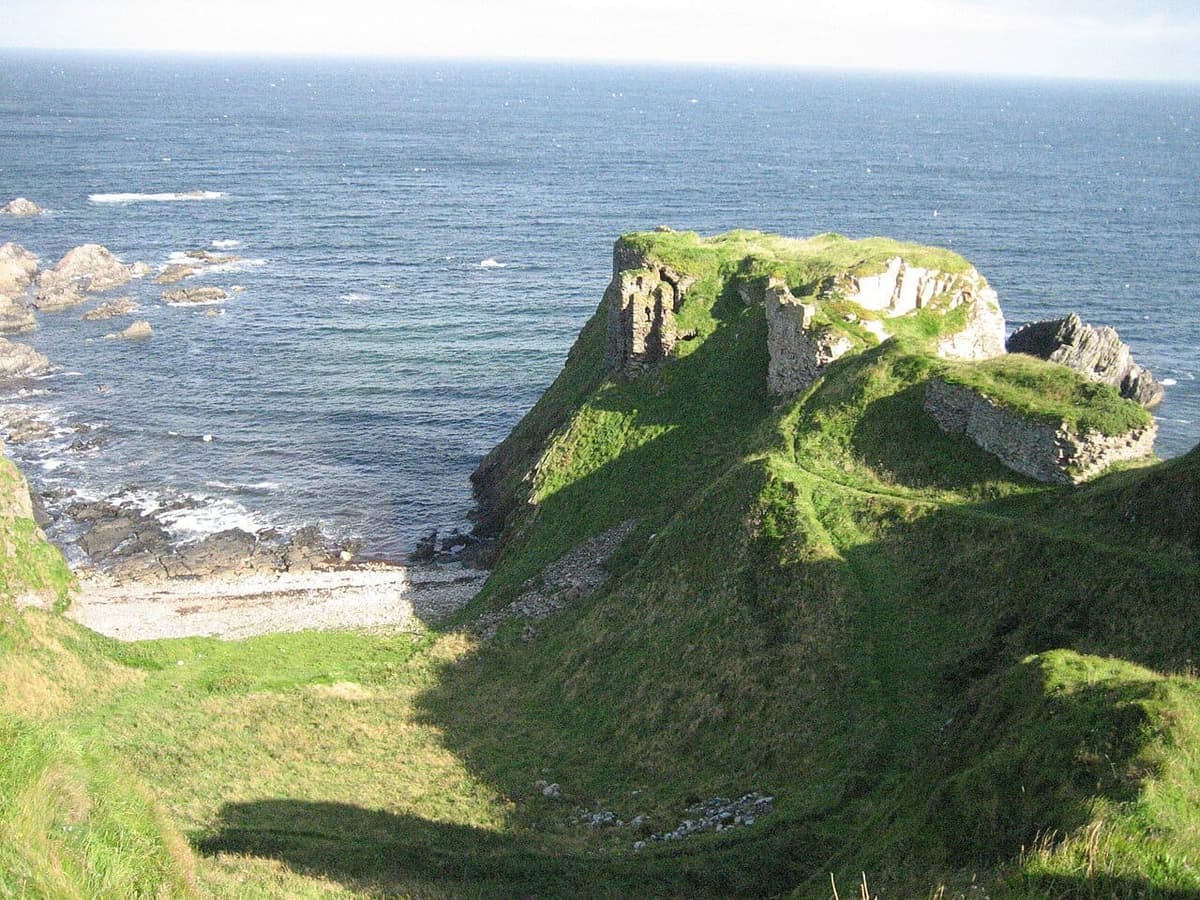
Ruins of Findlater Castle on a cliff above the Moray Firth, Scotland

Wikimedia Commons (CC BY-SA 4.0)

HeritageFortress

Findlater Castle

1246 CE – 1653 CE

A ruined cliff castle on the Moray Firth, scheduled as a Scottish monument and used as a coastal Ithaca stand-in for Christopher Nolan’s 2026 Odyssey film.

21
Interest 51

Location

United Kingdom

57.69°N · 2.77°W · Europe

First mentioned

1246

Cliff height

c. 15 m above Moray Firth

Scheduled

SM2846 (Historic Environment Scotland)

Film use

Nolan Odyssey Ithaca cliff unit (2025)

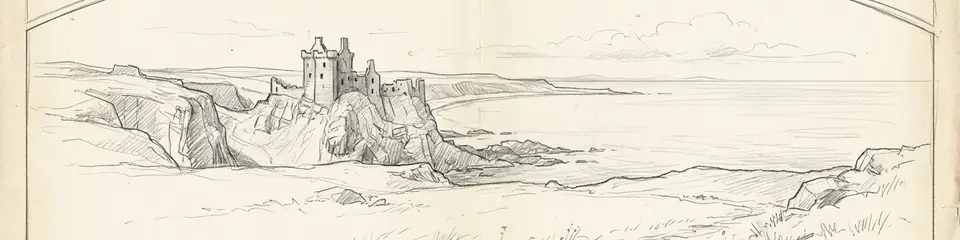
Graphite pencil sketch banner of Findlater Castle

Findlater shows how modern epic cinema borrows real cliff fortresses while Homeric Ithaca remains an Ionian archaeological and topographical problem.”

Location

Overview

Findlater Castle clings to a quartz-rich cliff about 15 m above the Moray Firth, west of Banff between Cullen and Portsoy in Aberdeenshire. The name comes from Scots Gaelic fionn leitir, “white cliff.” The first written notice dates to 1246. Alexander III repaired the stronghold in the 1260s against a Norwegian threat under Haakon IV. The ruins visible today largely reflect a fourteenth-century rebuild, with further licences to repair issued to Walter Ogilvy in 1445.

Mary, Queen of Scots sent artillery against the castle in 1562 during the Huntly crisis. By the seventeenth century the Earls of Findlater preferred Cullen House inland, and the cliff seat fell into picturesque ruin. Historic Environment Scotland lists it as scheduled monument SM2846.

In 2025 unit photography for Christopher Nolan’s The Odyssey used Findlater and the nearby Moray Firth coast (including Culbin Forest) when the production needed a northern cliff for Ithaca-adjacent castle and shoreline work. The stones are medieval Scotland, not Bronze Age Ionian Greece. Pair the visit with Atlas stops at Ithaca and Methoni if you want poem, harbour fort, and film geography on one itinerary.
Why It Matters

Findlater shows how modern epic cinema borrows real cliff fortresses while Homeric Ithaca remains an Ionian archaeological and topographical problem. It also preserves a compact Scottish medieval story of Ogilvy lords, Gordon intrigue, and coastal defence.

Evidence & Interpretation

Distinguishing what is well-established from what remains debated.

Well-Established Facts

2
  • Documentary and fabric evidence place a medieval castle on this cliff from at least the thirteenth century.
  • Production reporting places Nolan Odyssey Moray Firth / Findlater photography in 2025.

Debated Interpretations

1
  • Which Odyssey scenes used Findlater versus nearby Culbin or other Moray locations remains production-detail dependent.

More Photos

Community Photos

Share your experience

Have you visited this site? Upload your photos to help others discover it.

Related Stories

How to cite this page

Atlas Anatolia. (1246). Findlater Castle. Atlas Anatolia. https://atlasanatolia.com/site/findlater-castle

Content licensed CC BY-SA 4.0 — attribution required when reusing.

Graph

Connections to related sites and stories.

Sources

  • Daughters of the NorthHenderson, Jennifer Morag (2025)
  • Findlater Castle (SM2846)Historic Environment Scotland (1969)

Frequently Asked Questions

Where is Findlater Castle located?

Findlater Castle is located in United Kingdom.

How old is Findlater Castle?

Findlater Castle dates to approximately 1246 CE – 1653 CE.

Which civilizations are associated with Findlater Castle?

Findlater Castle is associated with the Celtic, British.

Why is Findlater Castle important?

Findlater shows how modern epic cinema borrows real cliff fortresses while Homeric Ithaca remains an Ionian archaeological and topographical problem.

Is Findlater Castle a UNESCO World Heritage Site?

Findlater Castle is not currently inscribed on the UNESCO World Heritage List.