


Ancient Architectural Reconstructions
Experience the world’s most magnificent ancient monuments as they stood at their zenith. Interactive before-and-after sliders comparing original classical splendor against surviving ruins, backed by rigorous archaeological research.
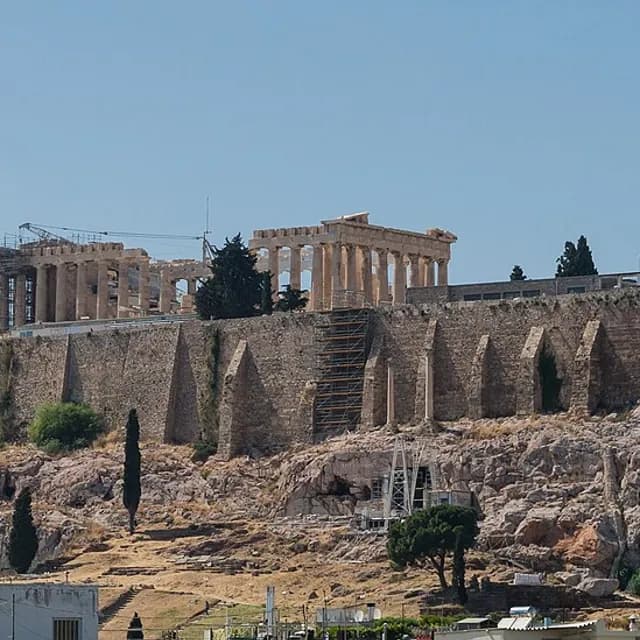
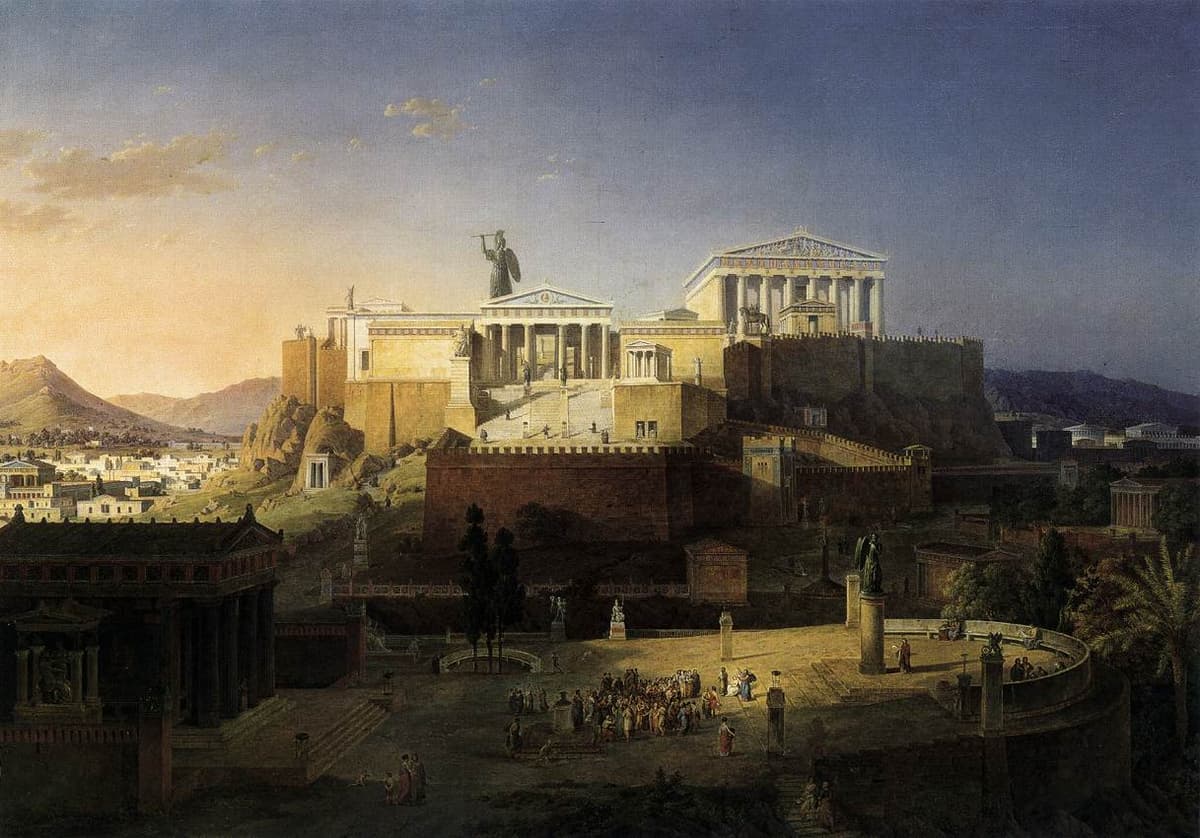
The Parthenon & Acropolis of Athens
From Periclean Golden Age marble majesty to modern UNESCO monument
Commissioned by Pericles and built under the artistic direction of Phidias between 447 and 432 BCE, the Parthenon stood as the supreme achievement of Doric architecture. Gilded shields hung from the architraves, brilliant blue and red polychromy adorned the friezes, and inside stood the colossal 12-meter chryselephantine (gold and ivory) statue of Athena Parthenos. In 1687, during the siege by Venetian general Francesco Morosini, a mortar round struck the Ottoman gunpowder depot housed within the cella, blasting out the central columns and roof.
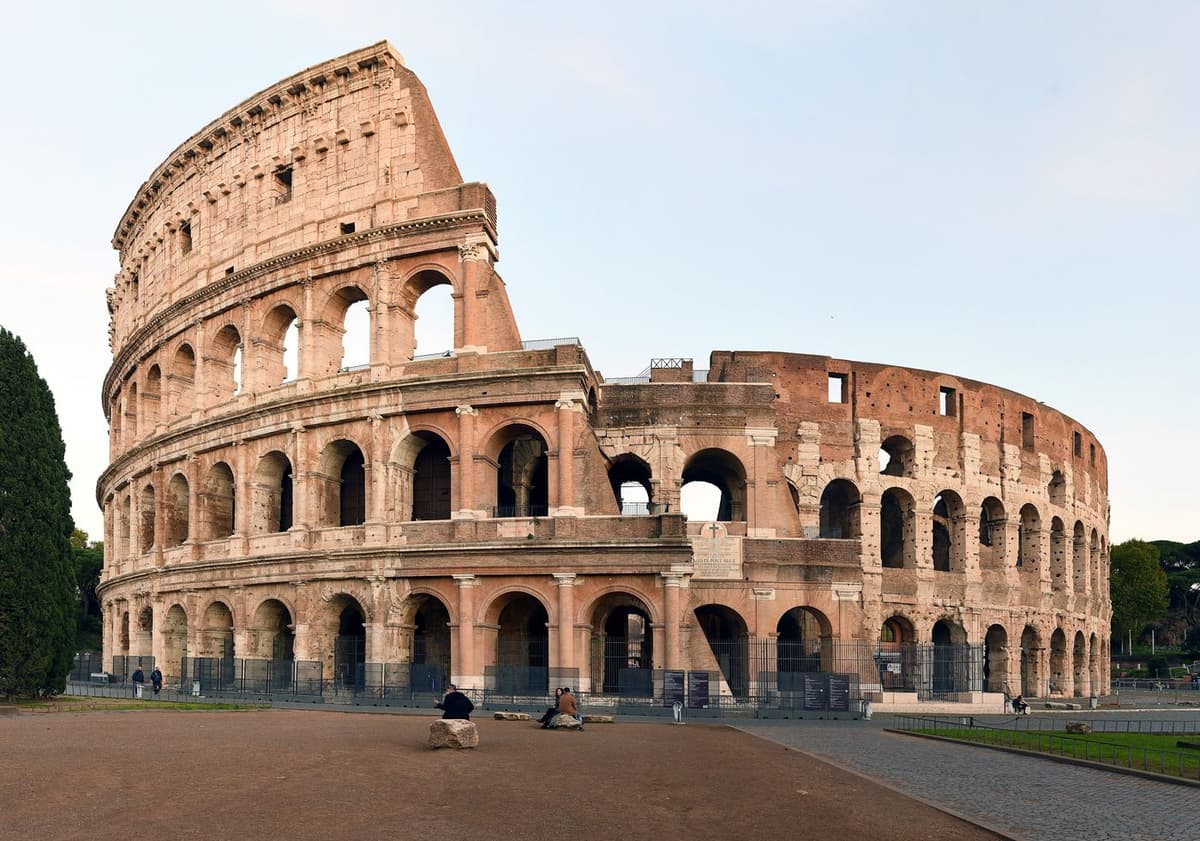
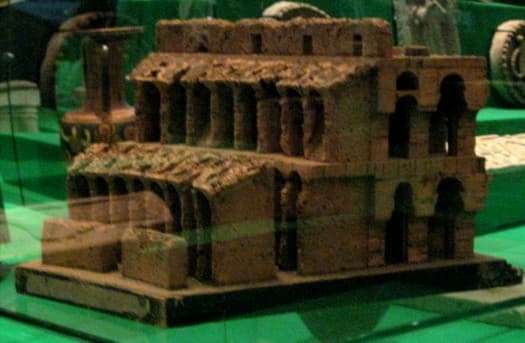
The Colosseum (Flavian Amphitheatre)
From imperial travertine stadium with giant canvas velarium to romantic ruin
Inaugurated by Emperor Titus in 80 CE with 100 days of games, the Colosseum held 50,000 to 70,000 spectators across tiered travertine arcades. Roman sailors operated the giant velarium canvas awning to shade spectators from Mediterranean heat. A wooden arena floor dusted in glittering mica sand covered the hypogeum staging tunnels. Over centuries of earthquakes and medieval stone quarrying, the southern outer facade collapsed, and travertine blocks were plundered to build St. Peter’s Basilica.
Sanctuary of Apollo at Delphi
The Omphalos of the ancient world: marble treasuries, sacred way, and Doric temple
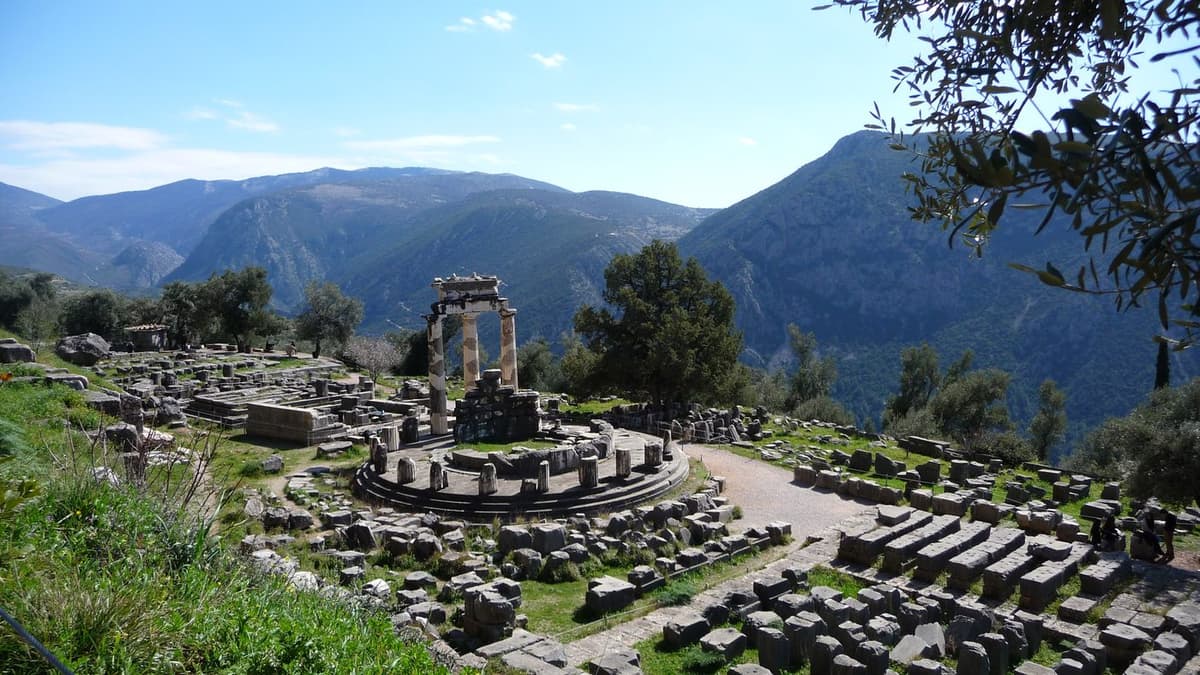
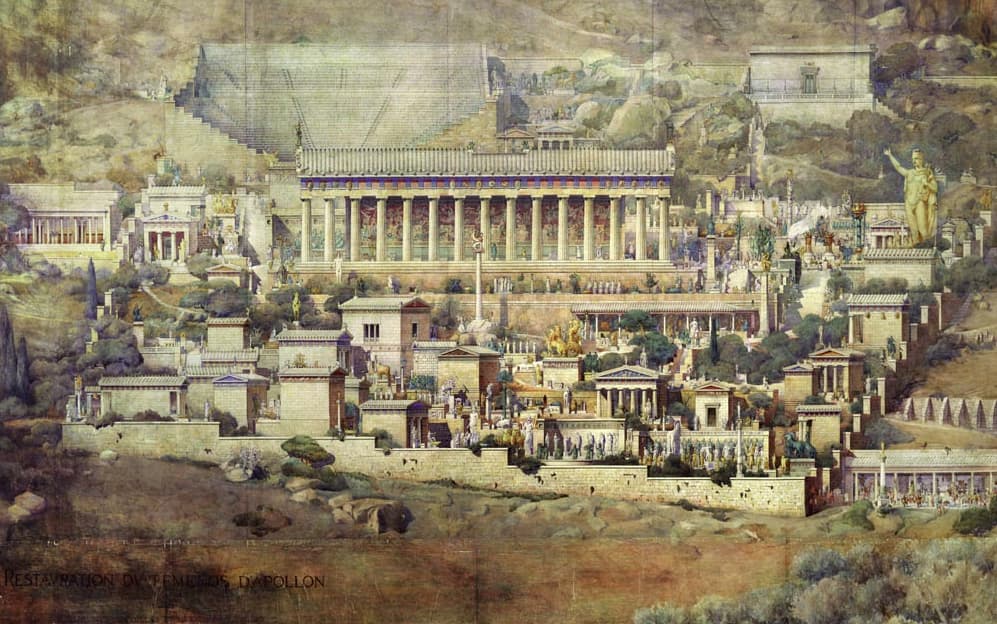
Perched along the precipitous limestone slopes of Mount Parnassus, Delphi was revered as the spiritual center of the Mediterranean. Kings and generals wound their way up the zigzagging Sacred Way, past dozens of competition treasuries built of Parian and Pentelic marble, toward the 4th-century BCE Doric Temple of Apollo where the Pythia delivered intoxicating prophecies from a chasm above vapor vents.
Acropolis of Pergamon & The Great Altar
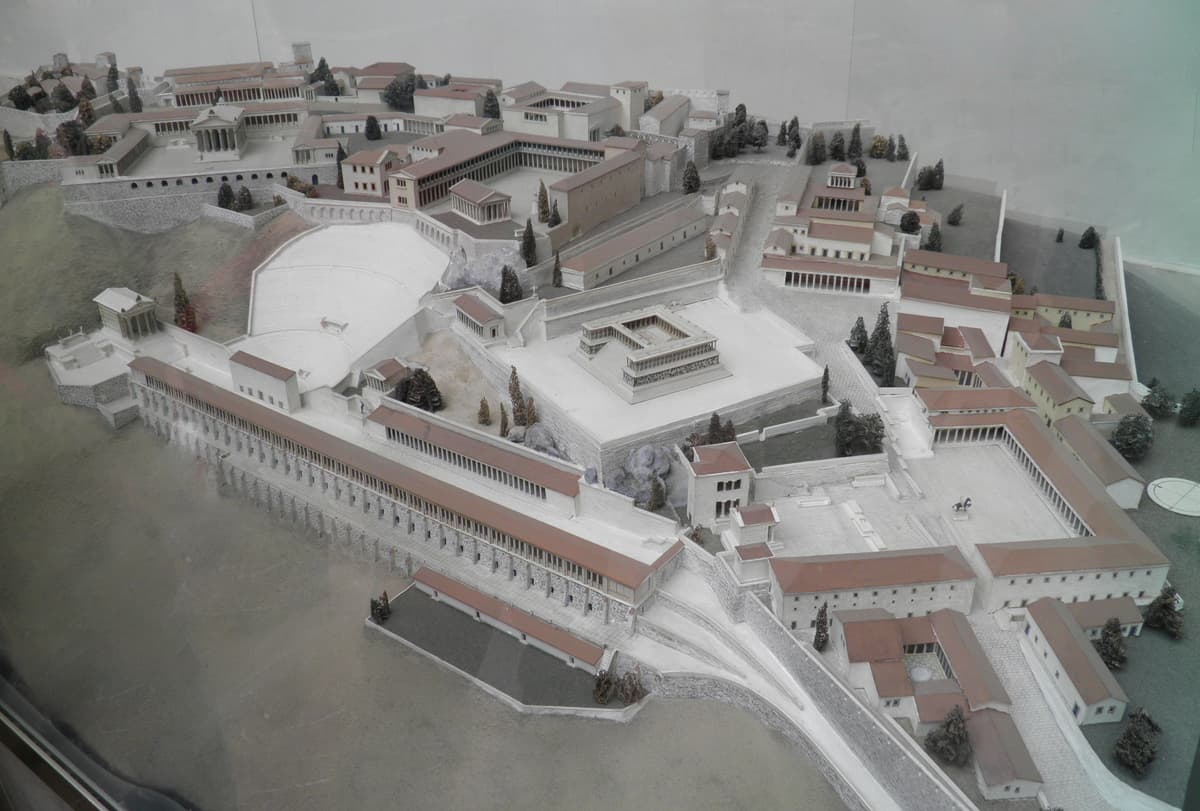
Hellenistic royal citadel perched 330 meters above the Caicus river valley
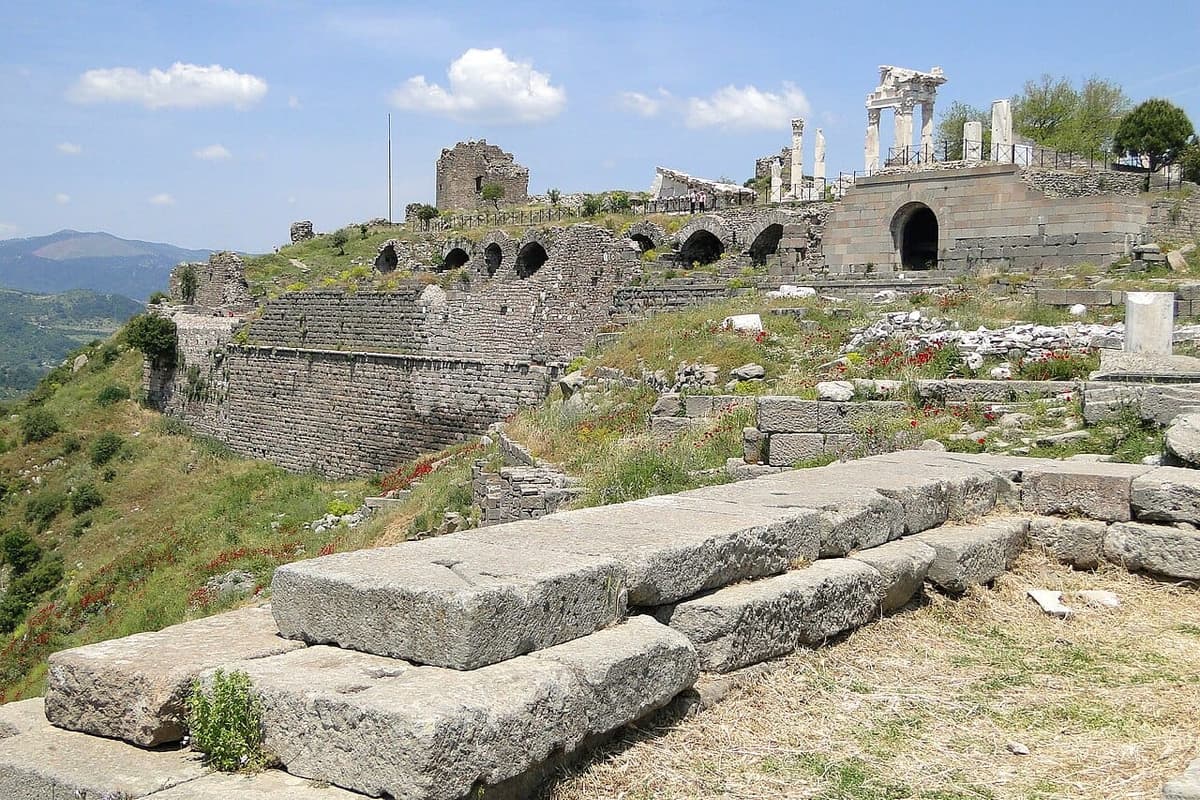
Capital of the Attalid dynasty, Pergamon was engineered as an architectural amphitheater on a natural rocky spine. Tiered terraces supported the Library of 200,000 parchment scrolls, the steepest theater in the classical world (10,000 capacity), the Trajaneum, and the Great Altar of Zeus with its 113-meter frieze of the Gigantomachy (gods battling giants). In the late 19th century, engineer Carl Humann excavated the altar, which was reconstructed in the Pergamon Museum in Berlin.
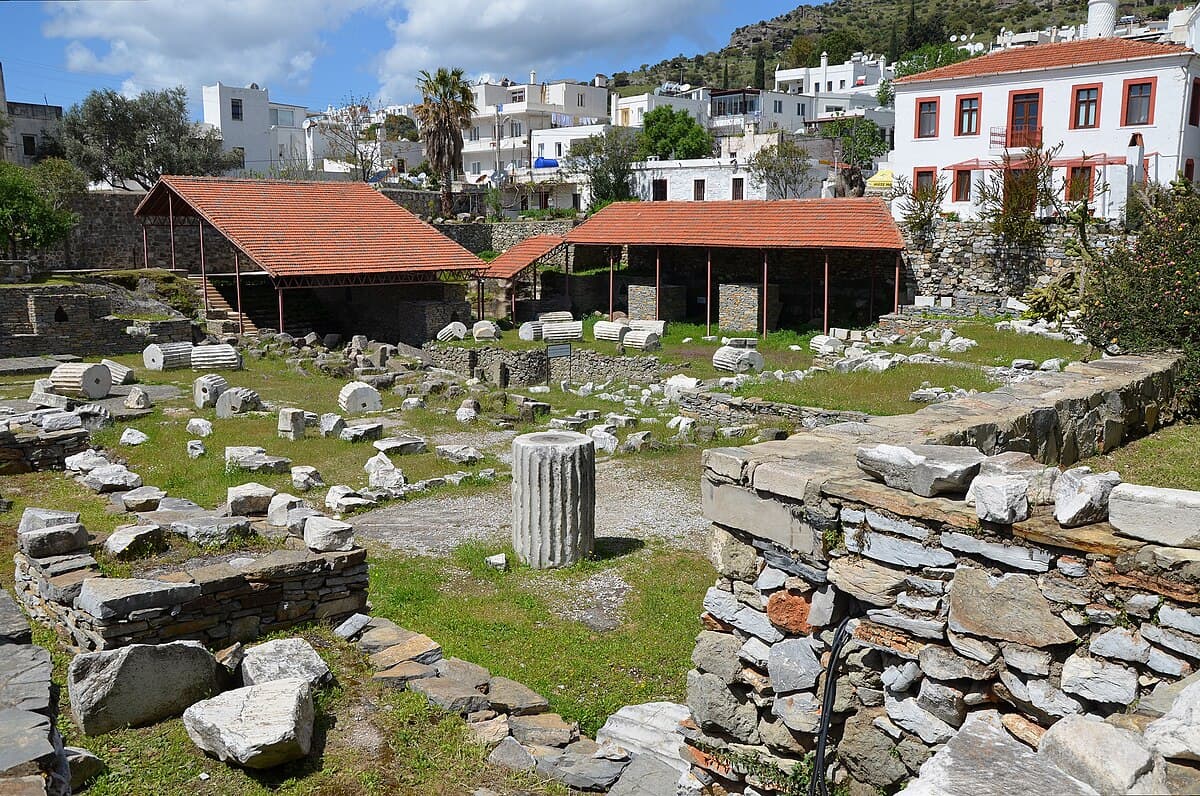
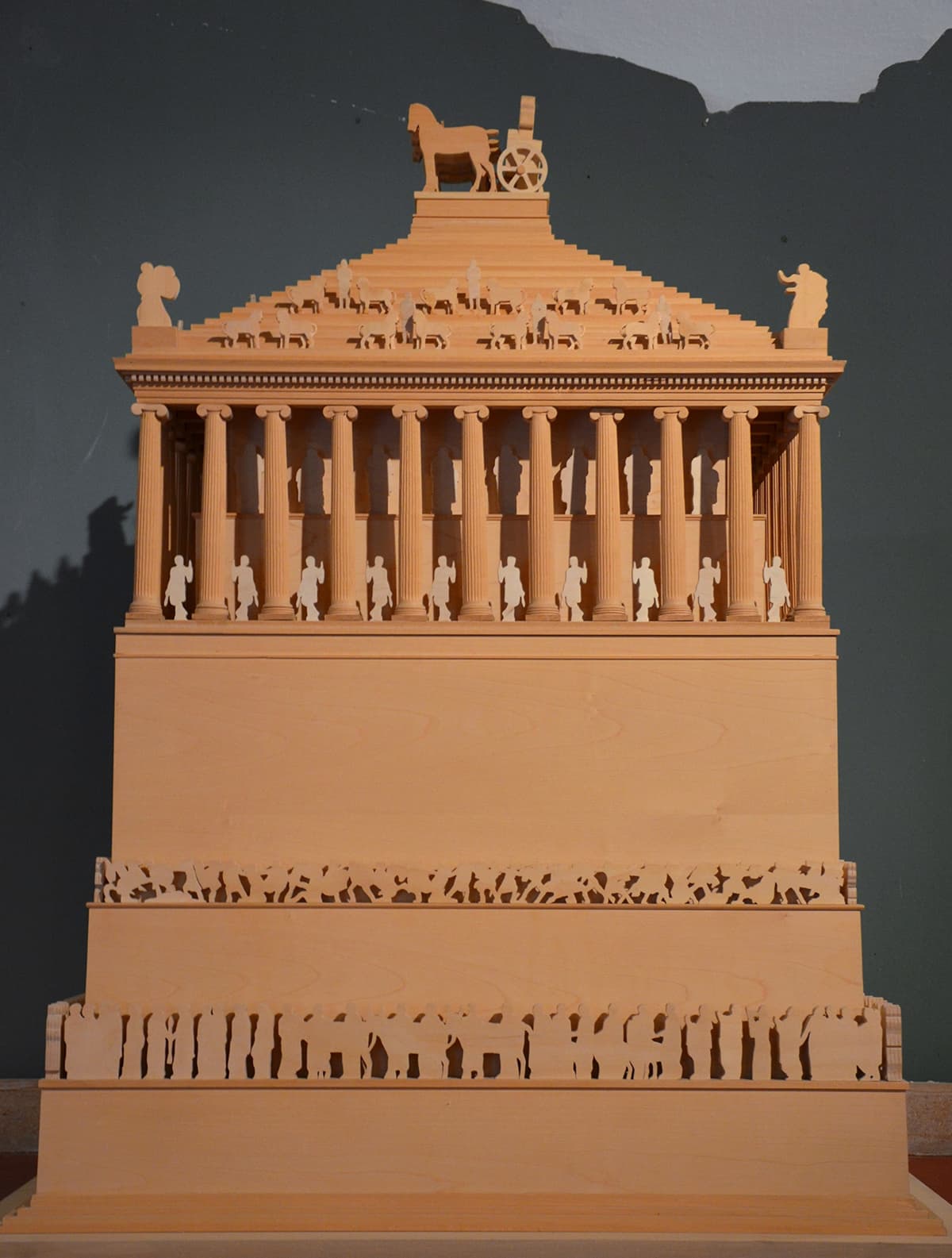
The Mausoleum at Halicarnassus
One of the Seven Wonders of the Ancient World: 45-meter pyramid monument
Erected around 350 BCE for Mausolus, ruler of Caria, and his sister-wife Artemisia II, this monumental tomb gave its name to all subsequent above-ground tombs (mausoleums). Rising 45 meters, it featured a stepped podium, an Ionic peristyle of 36 columns, a 24-step pyramid roof, and a colossal marble four-horse chariot (quadriga) at its apex. Earthquakes between the 12th and 15th centuries shattered the tomb, and the Knights Hospitaller of Rhodes dismantled the remaining marble blocks to reinforce the walls of Bodrum Castle.
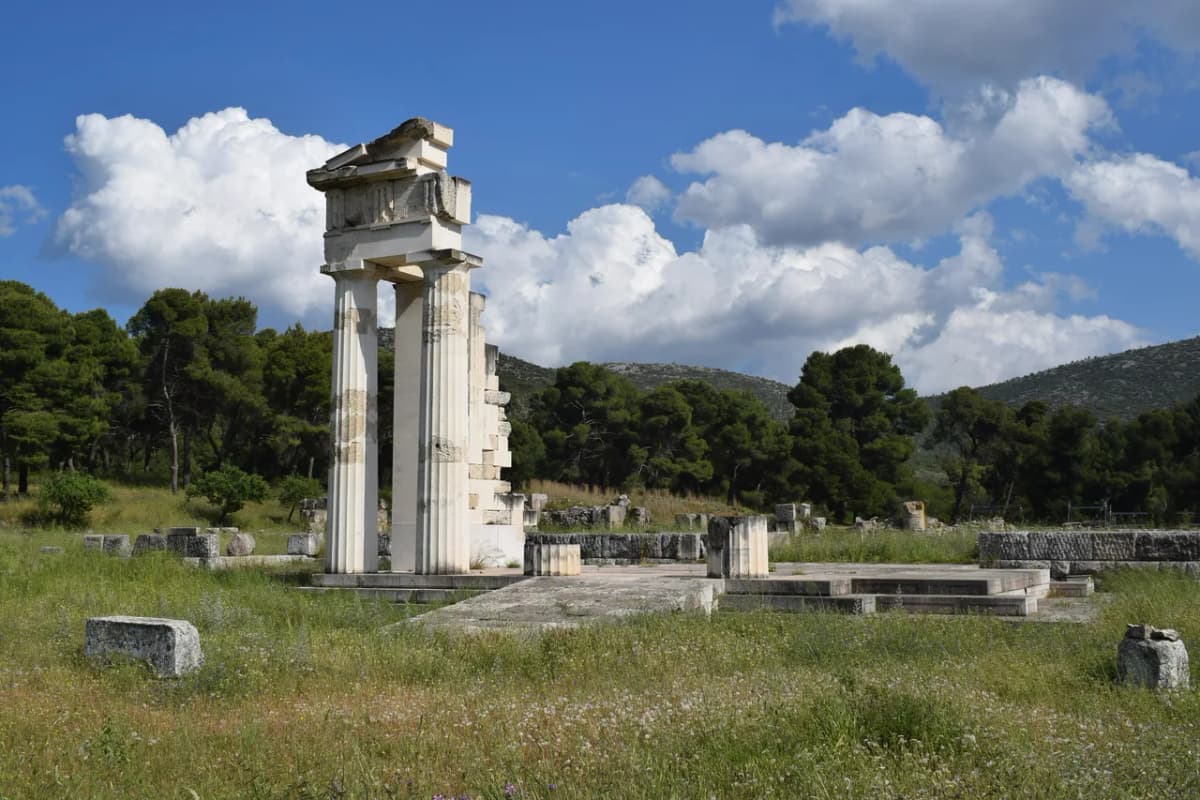
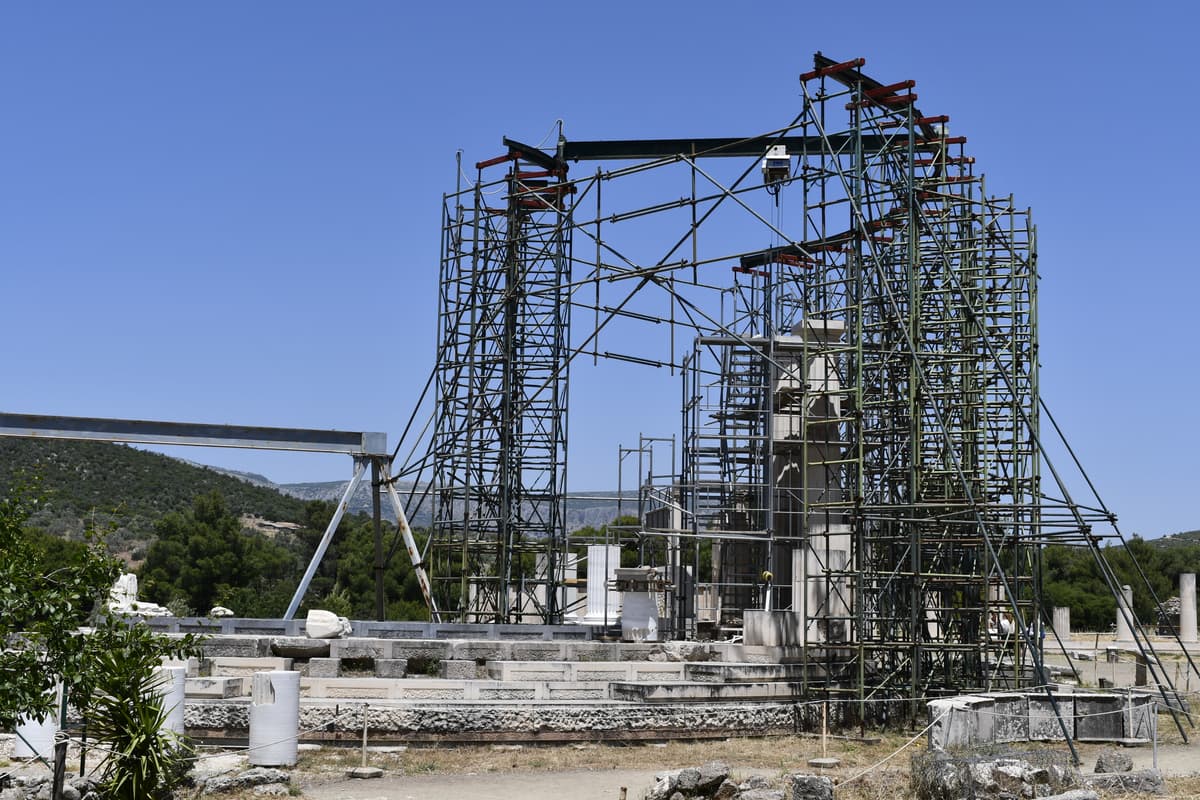
The Tholos of Epidaurus (Thymele)
Polykleitos the Younger’s circular marble marvel with subterranean labyrinth crypt
Designed by Polykleitos the Younger around 360 BCE inside the healing sanctuary of Asklepios, the Tholos (known in inscriptions as Thymele) was celebrated in antiquity as the most beautiful circular building in Greece. It featured an outer ring of 26 Doric columns in poros limestone, an inner ring of 14 white Pentelic marble Corinthian columns with exquisitely carved acanthus capitals, and beneath the floor, a mysterious concentric stone labyrinth where sacred healing serpents were kept.
The Roman Forum & Imperial Rostra
The political heartbeat of the Mediterranean: basilicas, temples, and triumphal arches
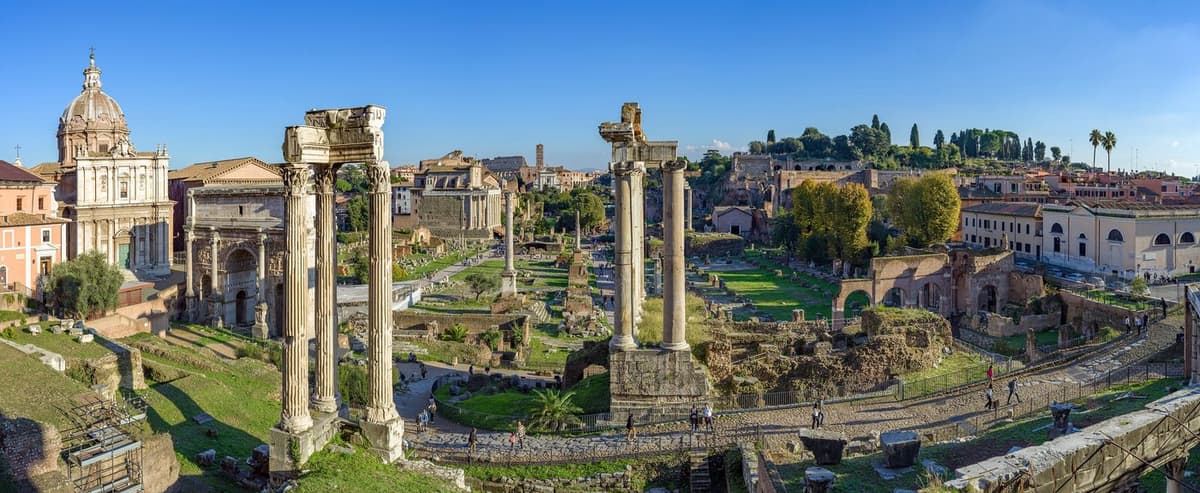
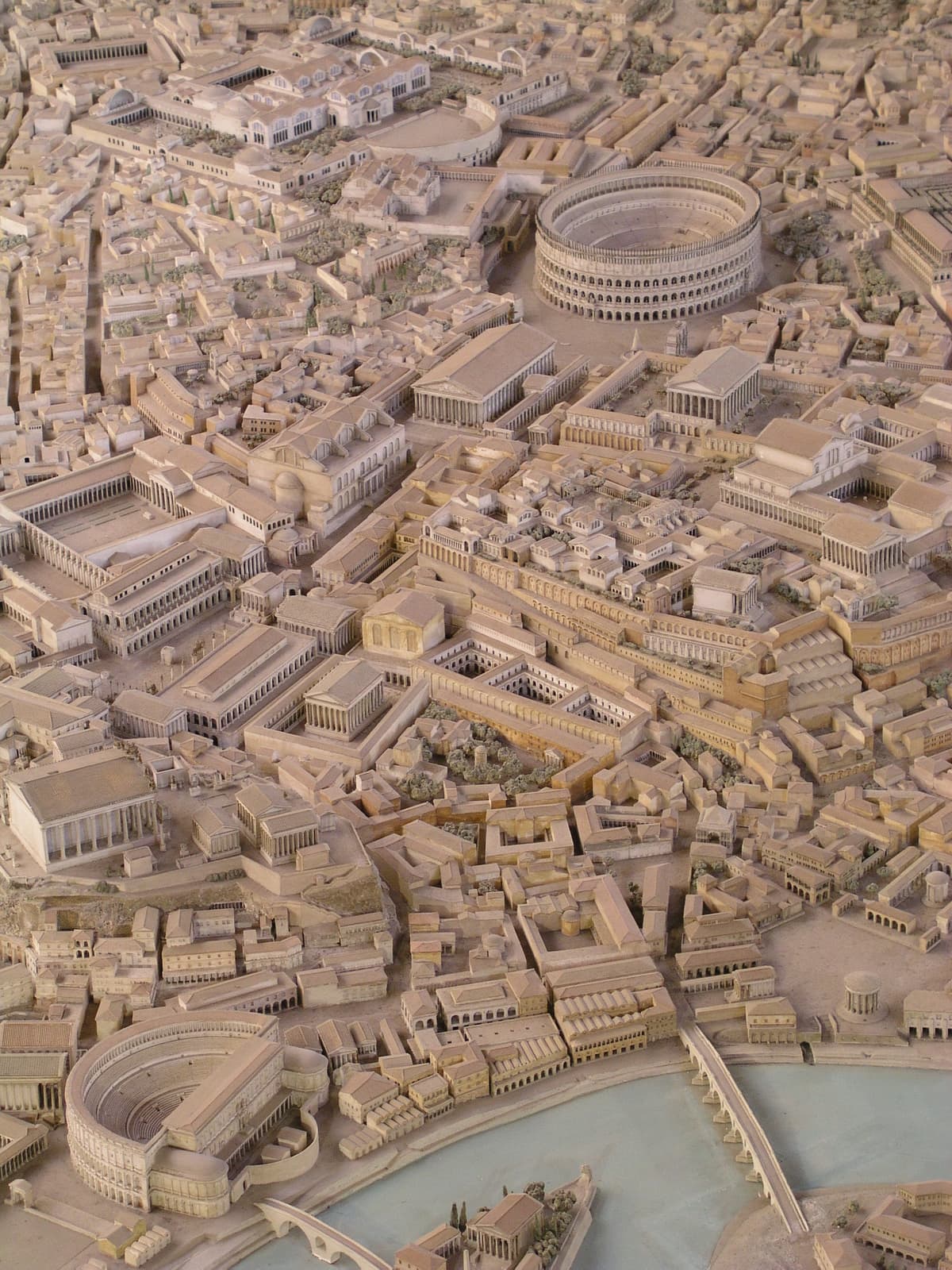
For a thousand years, the Roman Forum was the nucleus of political, judicial, commercial, and religious life in the Mediterranean world. Gismondi’s legendary 1:250 scale plaster model in Rome captures the Forum in its Constantine-era zenith (c. 315 CE): the towering Basilica of Maxentius, the gilded roof of the Temple of Venus and Roma, the Arch of Septimius Severus, and the bronze statues flanking the Rostra speaker podium.
Ishtar Gate & The Processional Way of Babylon
Nebuchadnezzar II’s lapis-glazed cobalt portal guarded by 575 dragons and aurochs
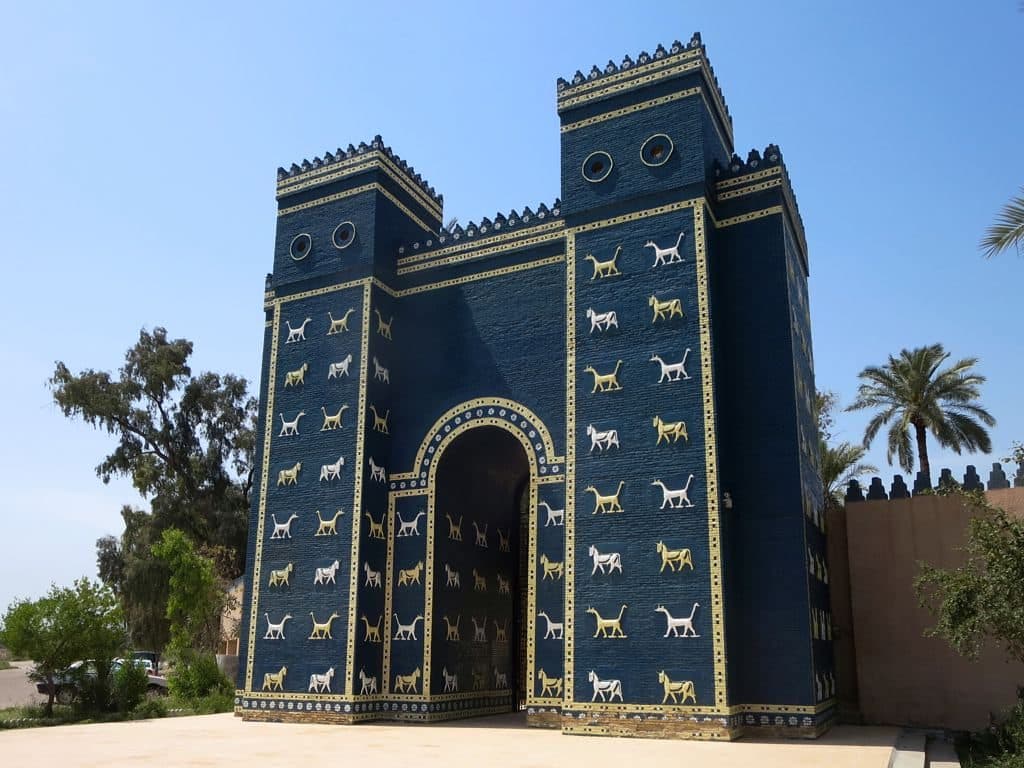
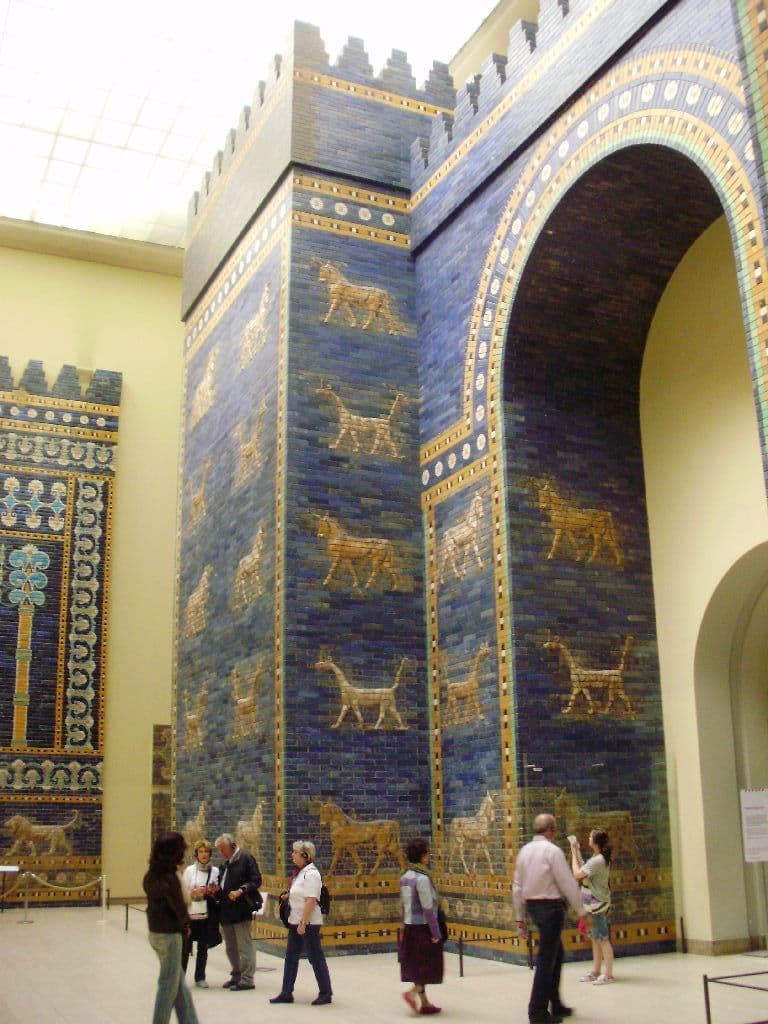
Constructed around 575 BCE on the orders of King Nebuchadnezzar II on the north side of Babylon, the Ishtar Gate served as the grand entrance to the city and the terminus of the 800-meter paved Processional Way. The gate was built of cedar timber and fired bricks glazed in vivid cobalt blue imitating lapis lazuli, embossed with 575 alternating relief figures of mušḫuššu (horned dragons, symbol of Marduk) and aurochs (wild bulls, symbol of Adad).
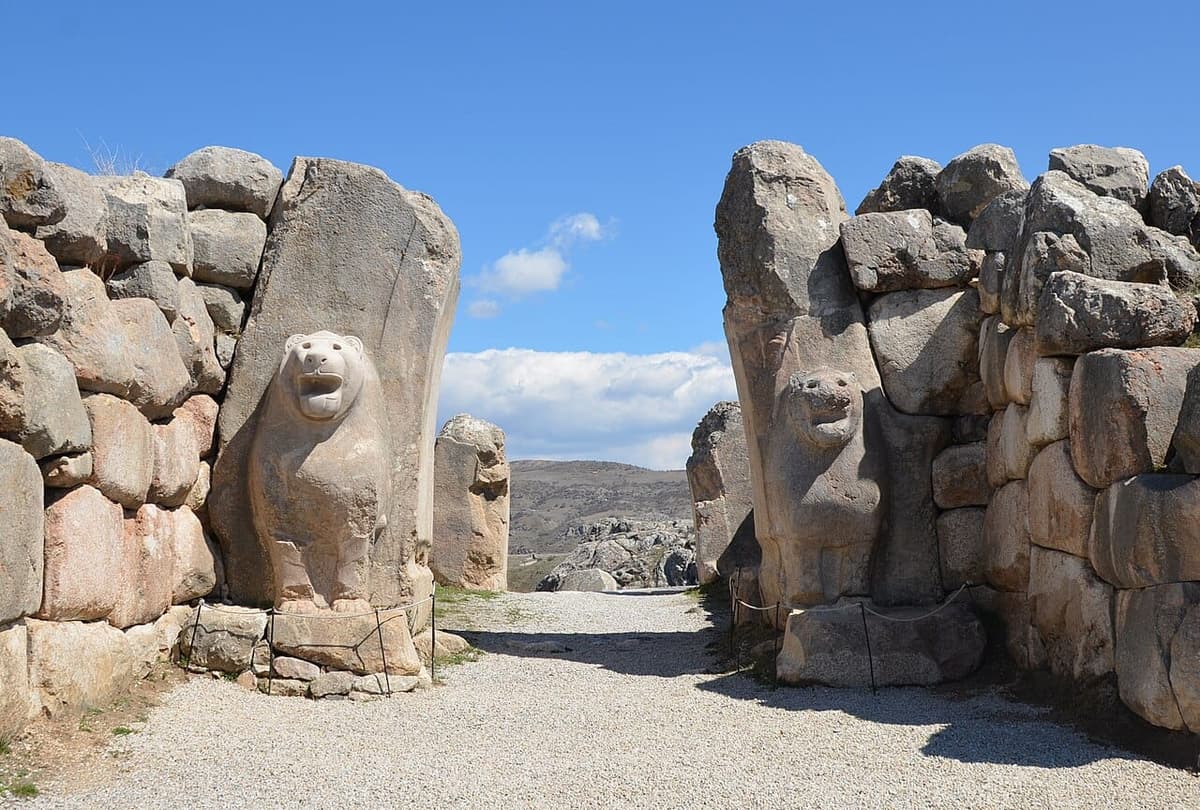
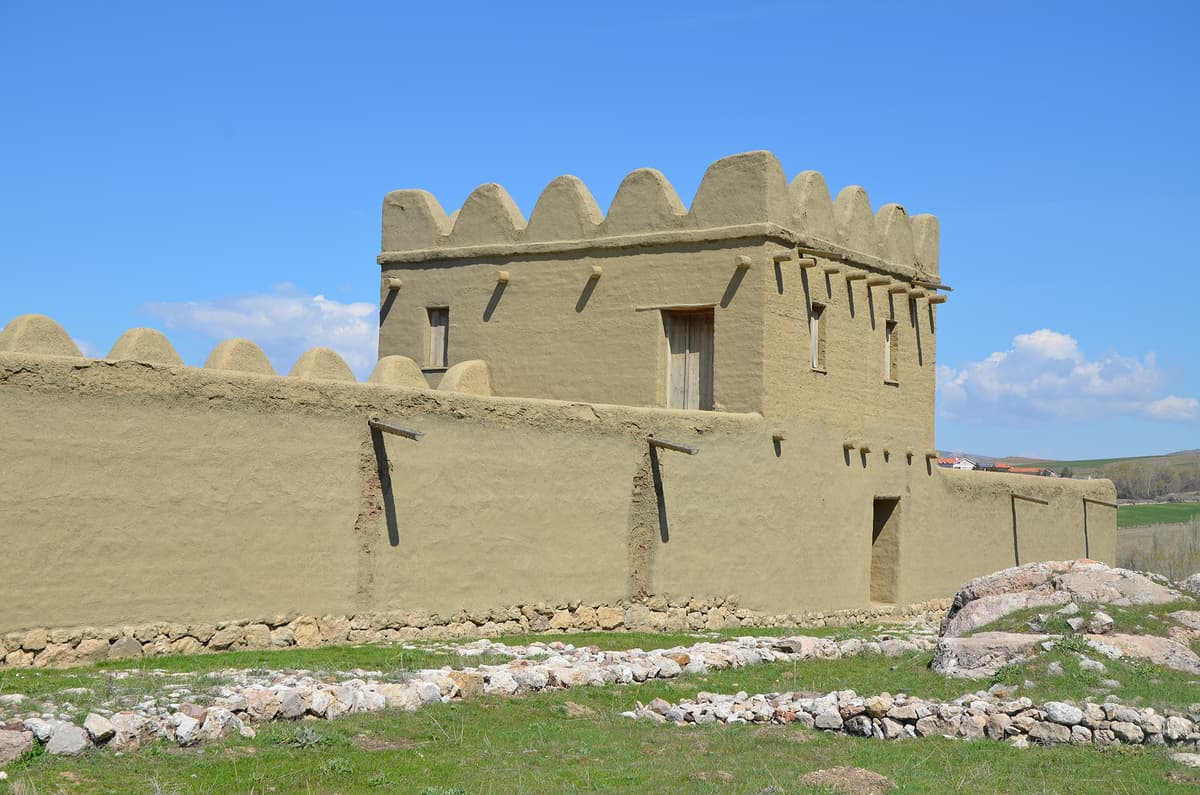
Mudbrick City Walls of Hattusha
Experimental archaeology reconstructing Bronze Age superpower military architecture
Between 2003 and 2005, the German Archaeological Institute (DAI) undertook one of the largest experimental archaeology projects in the world at Hattusha. Using original Hittite clay formulations, straw, and water, researchers manufactured over 64,000 mudbricks by hand to reconstruct a 65-meter section of the lower city wall, complete with two crenellated defensive towers rising 12 meters above stone socle foundations.
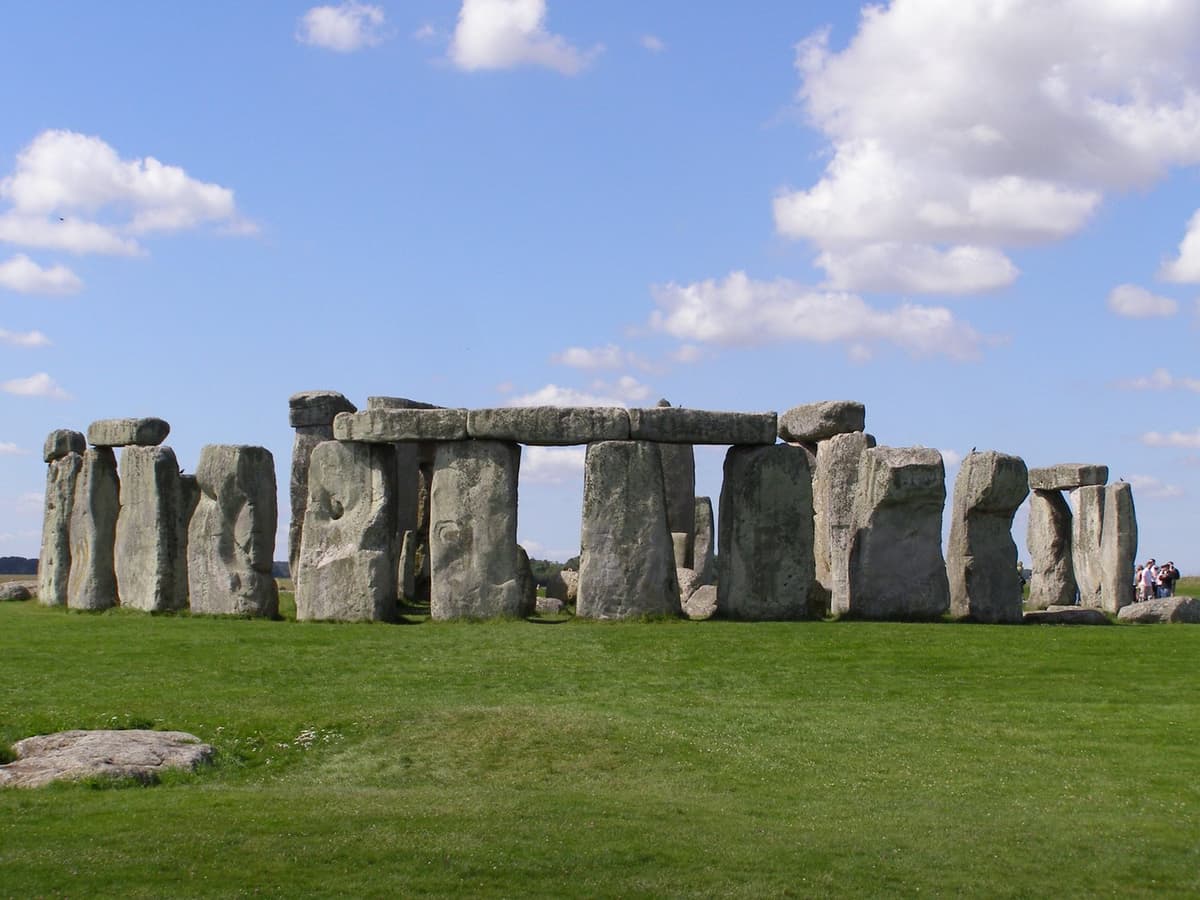
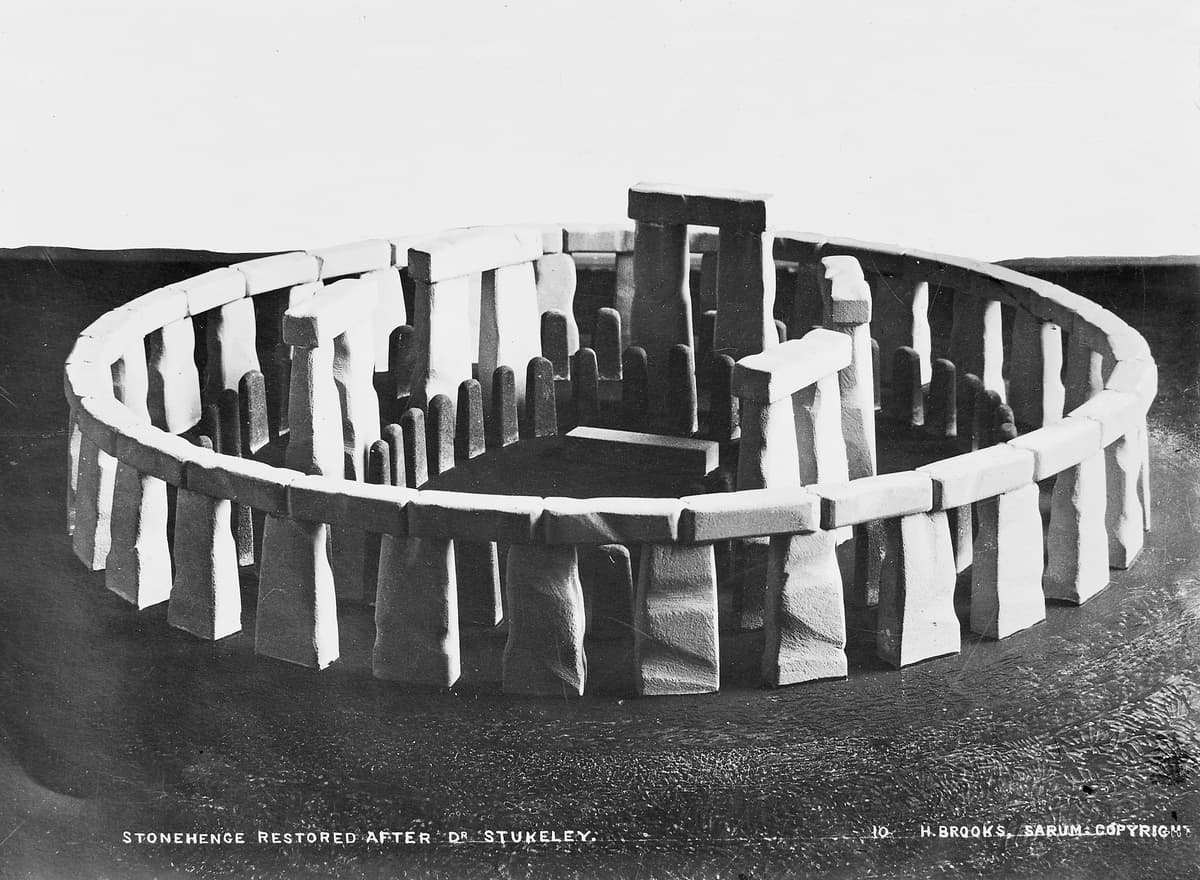
Stonehenge Megalithic Sanctuary
Neolithic astronomical temple with complete outer sarsen lintels and inner horseshoe
Constructed in several phases between 3000 and 2000 BCE on Salisbury Plain, Stonehenge reached its climax around 2500 BCE with the erection of the giant 25-ton sarsen stones arranged in an unbroken outer ring of 30 uprights capped by horizontal lintels with mortise-and-tenon joints. Inside stood five colossal trilithons arranged in a horseshoe, precisely aligned along the solstice sunrise and sunset axis.