Skip to content
Atlas Anatolia
News
Classical Antiquity
2,800-year-old agora uncovered at Troy refutes Dark Age abandonment myth
Ice Age teeth in Sulawesi push betel-nut use back as far as 25,000 years
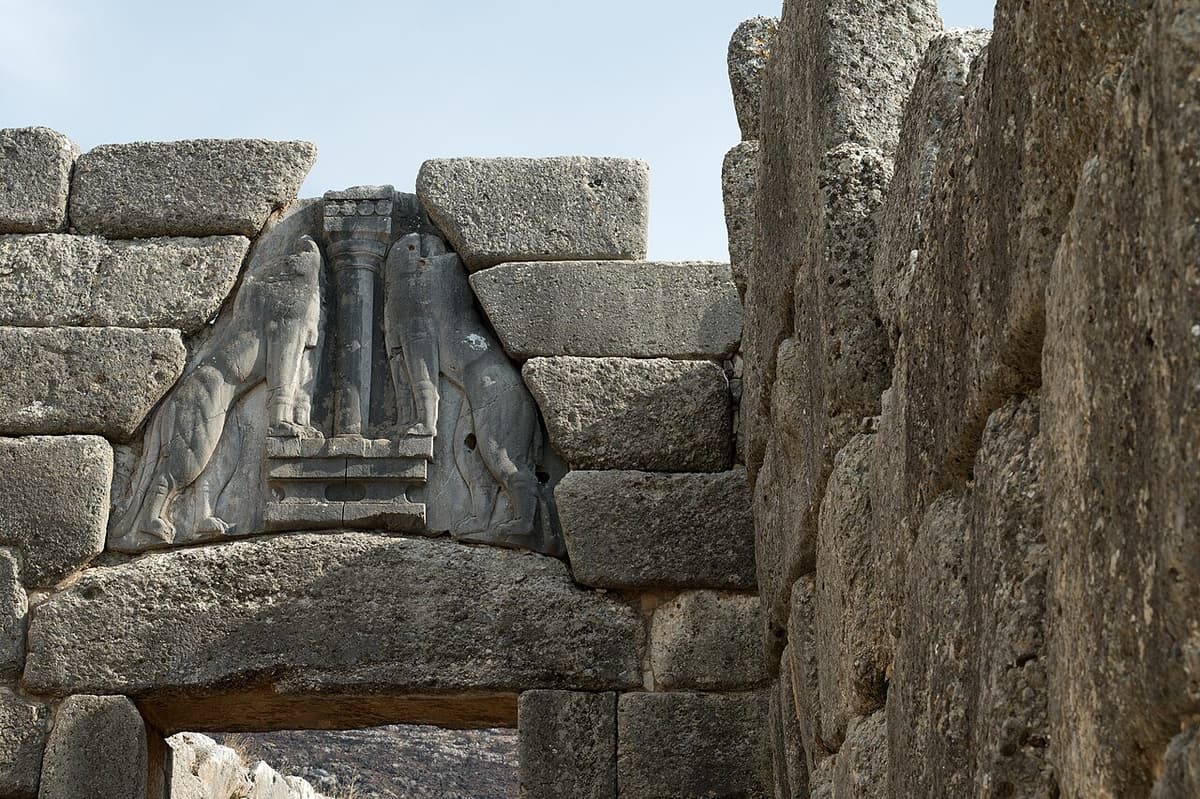
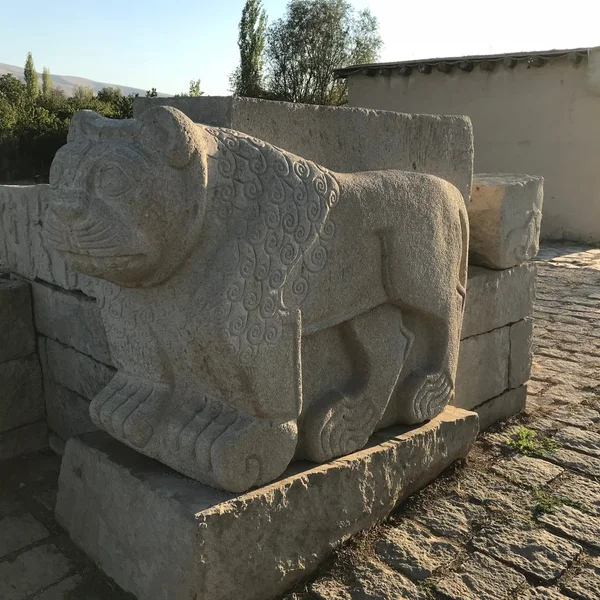
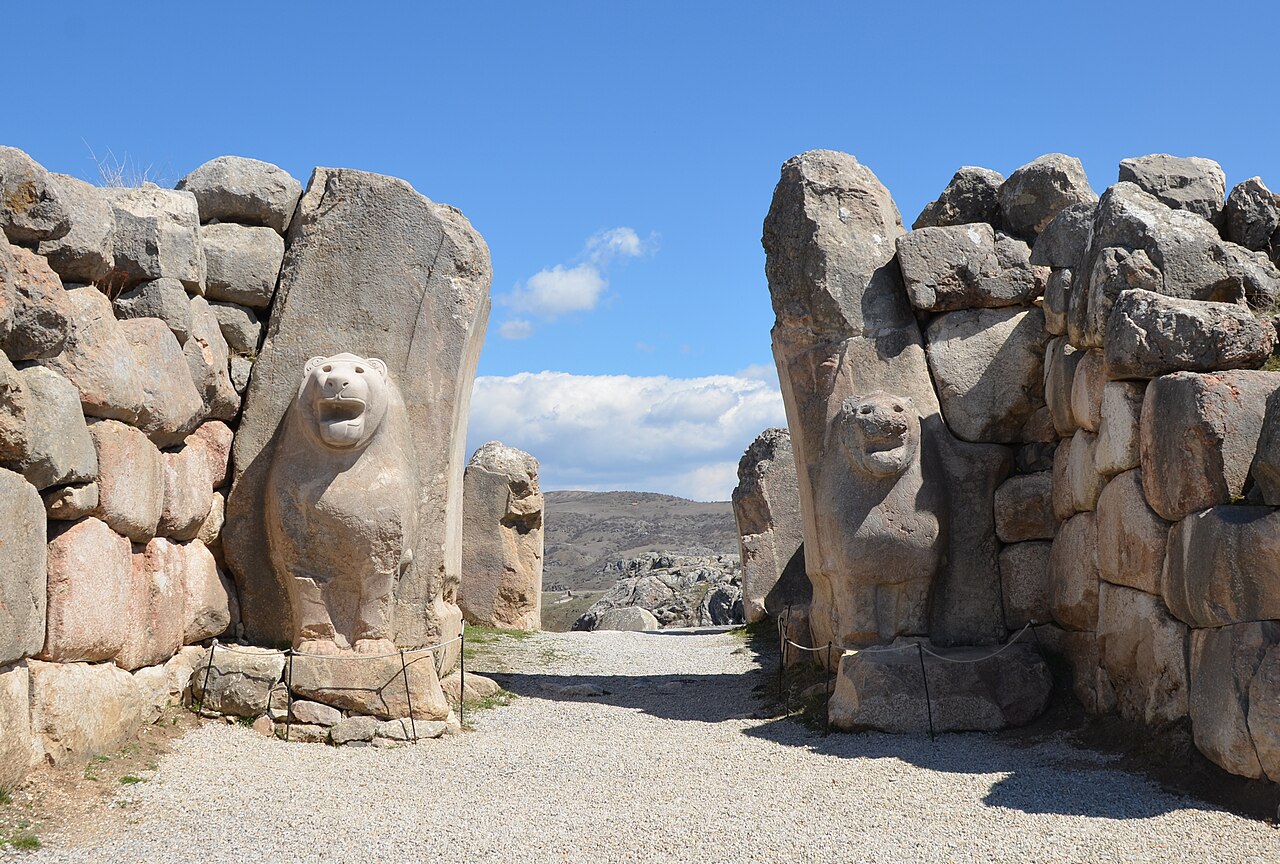
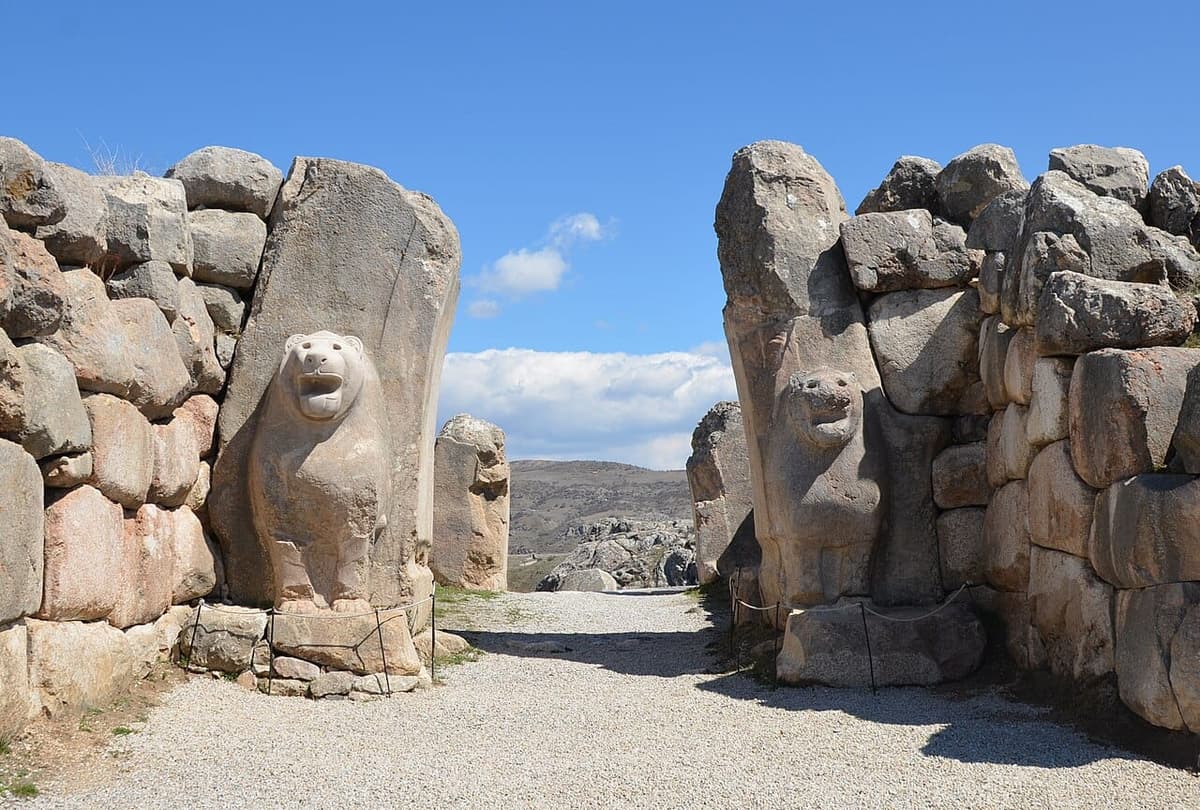
The Lion Gate at Hattusha, capital of the Hittite Empire

Wikimedia Commons (CC BY-SA)

CityUNESCOFeatured

Hattusha

Seyfi Cem Baskin

Hattuşa1650 BCE – 1178 BCE

Capital of the Hittite Empire, one of the great powers of the Late Bronze Age. Features massive fortifications, monumental gates with lion and sphinx sculptures, and the Great Temple.

411
Interest 65

Location

Çorum · Central Anatolia · Türkiye

40.02°N · 34.62°E · Asia

Date Range

c. 1650–1178 BCE

City Area

~1.8 km²

UNESCO Status

World Heritage Site (1986)

Key Find

Royal cuneiform archives

Water Reservoir Capacity

Approximately 2,200 cubic meters in the Great Temple complex reservoir

Number of Cuneiform Tablets Found

Over 30,000 fragments, reconstructed into about 13,000 tablets

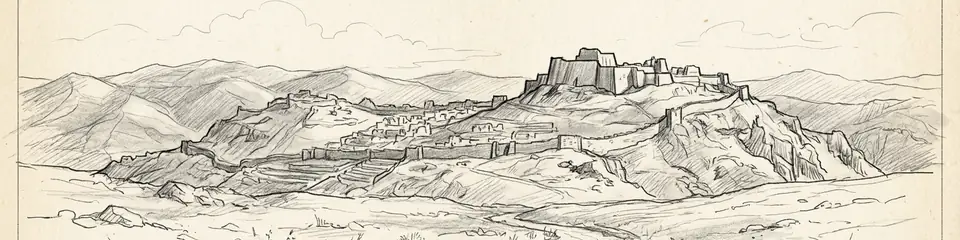
Graphite pencil sketch banner of Hattusha

“Hattusha was the center of the Hittite Empire, one of the most powerful states of the Late Bronze Age alongside Egypt and Assyria.”

From Wikipedia

Hattusa was the capital of the Hittite Empire in the late Bronze Age. Its ruins lie near modern Boğazkale, Turkey, within the great loop of the Kızılırmak River. The city was at its peak during the mid-14th century BC, when it was one of the largest urban centers in the Near East.

Read full article on Wikipedia →

Location

🌐Ancient Trade Network Hub

This site served as a vital station or terminal along the ancient world’s trade corridors:

Overview

Hattusha, located near the modern village of Boğazkale in Çorum Province, was the capital of the Hittite Empire from roughly 1650 to 1178 BCE. At its height, the city covered approximately 1.8 square kilometers and was enclosed by more than 6 kilometers of fortification walls.

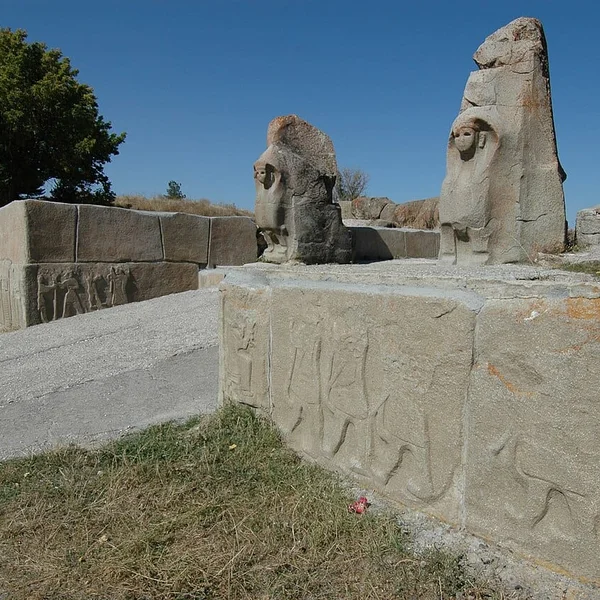
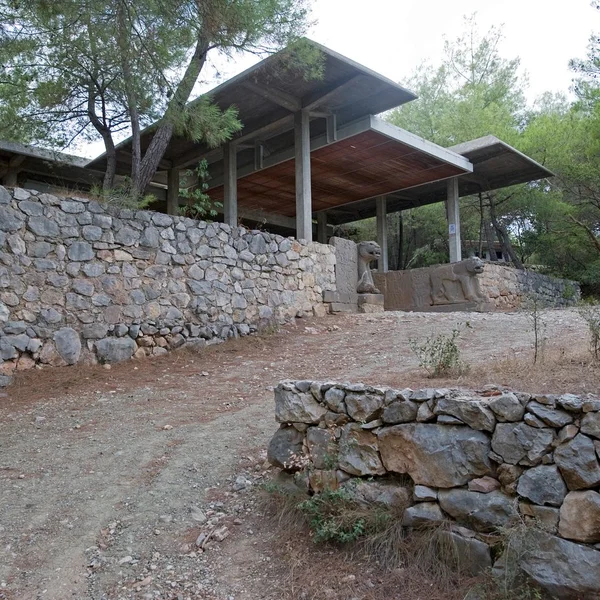
The city's most recognizable features include the Lion Gate, the Sphinx Gate, and the King's Gate — monumental entrances adorned with carved reliefs. The Great Temple (Temple I), dedicated to the storm god and the sun goddess of Arinna, is the largest known Hittite temple.

"The Sun-goddess of Arinna is queen of all lands. In the land of Hatti she bears the name Sun-goddess of Arinna."
— Hittite Prayer Text, c. 1400 BCE

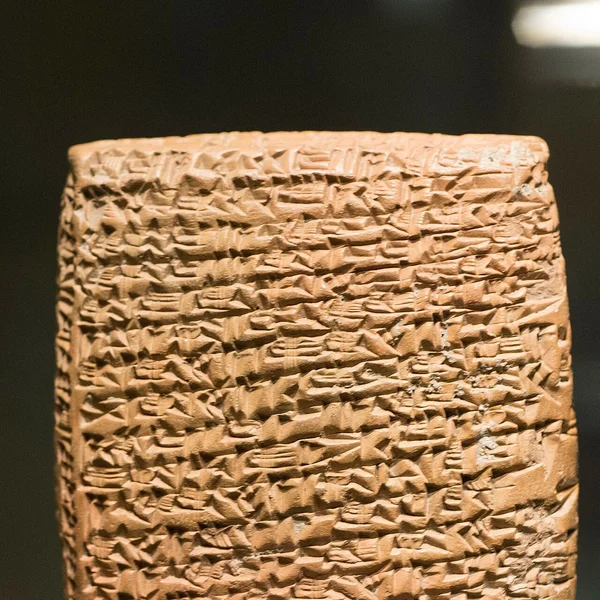
In 1906, thousands of cuneiform clay tablets were discovered at the site, constituting the royal archives of the Hittite Empire. These tablets, written in Hittite, Akkadian, and several other languages, provide an extraordinary record of Hittite diplomacy, religion, law, and daily life. Among them is one of the earliest known peace treaties — between Hittite King Hattusili III and Egyptian Pharaoh Ramesses II.

The site has been extensively excavated since 1906, primarily by German archaeological teams.
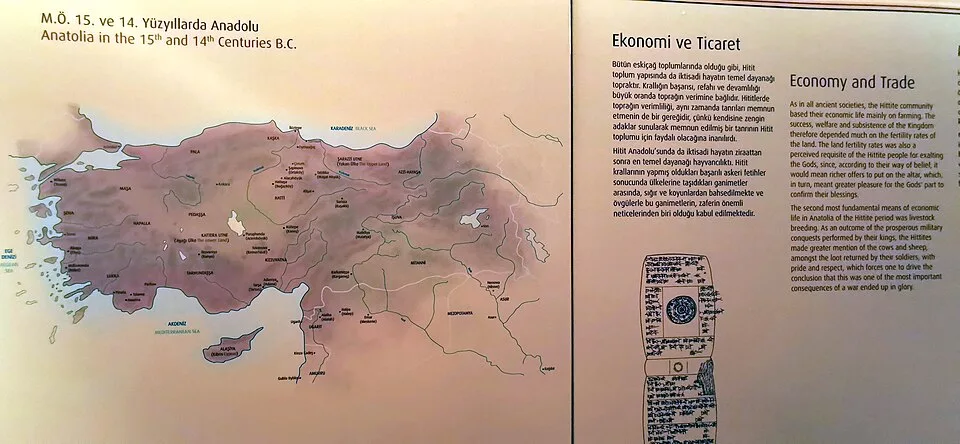
Museum Hattusa - Boğazköy Museum, Boğazköy, Çorum, Turkey 16
Museum Hattusa - Boğazköy Museum, Boğazköy, Çorum, Turkey 16 | Murat Özsoy 1958 (CC BY-SA 4.0)

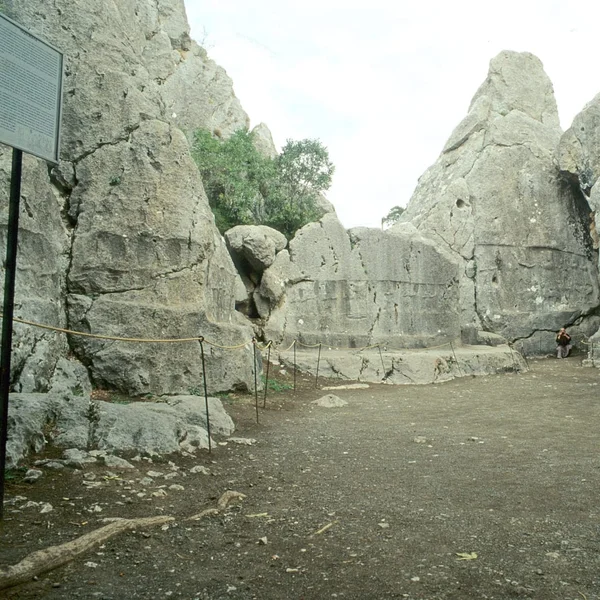
Beyond its monumental gates and temples, Hattusha's urban landscape reveals sophisticated infrastructure. The city featured an extensive network of subterranean passages, most notably the 71-meter-long Yerkapı postern tunnel, and large artificial ponds for water storage. Residential quarters, such as those excavated on Büyükkaya, show a mix of large, multi-roomed houses and smaller dwellings, indicating social stratification. Artifacts like spindle whorls, loom weights, and imported items like Egyptian scarabs and Mycenaean pottery attest to a vibrant daily life of craft production and long-distance trade connections across the Mediterranean and Near East. The city's final destruction around 1178 BCE was comprehensive, with evidence of intense fire across the Upper City. While often linked to the broader Late Bronze Age Collapse, the precise agents—whether the so-called Sea Peoples, internal rebellion, or a combination of factors—remain a subject of scholarly investigation. The site was not reoccupied as a major urban center, preserving its Hittite strata for modern archaeology.
Why It Matters

Hattusha was the center of the Hittite Empire, one of the most powerful states of the Late Bronze Age alongside Egypt and Assyria. The discovery of the royal archives revolutionized understanding of ancient Near Eastern history, diplomacy, and linguistics. The Hittite-Egyptian peace treaty found here is one of the earliest known international peace agreements and is commemorated at the United Nations headquarters. Hattusha was inscribed as a UNESCO World Heritage Site in 1986.
🏛️Excavation Archive DossierActive Field Season

Hattusha (Boğazköy) Field Missions & Stratigraphy

Supervising Authority: T.C. Kültür ve Turizm Bakanlığı (Kültür Varlıkları ve Müzeler Genel Müdürlüğü)

📐Stratigraphic Horizon Matrix

Consensus Classification
LayerPeriod & DatingArchitecture & FindsStatus
Old Hittite Kingdom (Hattusha IVa–c)
Late Bronze Age I
c. 1650 – 1400 BCE
Ascension of Hattusha as imperial capital replacing Kanesh/Nesa; early monumental cyclopean gates.
Confirmed
Hittite Empire (Hattusha III–II)
Late Bronze Age II (Empire Period)
c. 1400 – 1180 BCE
Imperial zenith under Suppiluliuma I and Tudhaliya IV; destroyed by widespread burning and collapse c. 1180 BCE.
Confirmed

🧭Field Directors & Mission Chronology

1834
Charles Texier
Independent French Archaeological Mission

Discovered colossal ruins and rock-reliefs at Yazılıkaya; initially mistook them for Pteria or Medo-Persian remains.

1906–1912
Hugo Winckler & Theodore Makridi
Royal Prussian Museums & Imperial Ottoman Museum

Uncovered thousands of cuneiform clay tablets; enabled Bedřich Hrozný (1915) to decipher the Indo-European Hittite language.

1931–1977
Prof. Dr. Kurt Bittel
Deutsches Archäologisches Institut (DAI)

Systematic excavations of the royal citadel (Büyükkale), Great Temple 1, and the lower city fortifications.

2006–present
Prof. Dr. Andreas Schachner
DAI Istanbul

Reconstruction of mudbrick city walls; discovered previously unknown Indo-European Kalasma language in 2023 tablets.

📚Primary Academic Monographs

Hattusha: The Capital of the Hittites

Bittel, Kurt (1970) — Oxford University Press, New York

Hattuscha: Ein Führer durch die hethitische Hauptstadt

Seeher, Jürgen (2011) — Ege Yayınları, Istanbul

Evidence & Interpretation

Distinguishing what is well-established from what remains debated.

Well-Established Facts

4
  • Thousands of cuneiform tablets document Hittite law, diplomacy, religion, and administration.
  • The city was protected by massive fortification walls with monumental gates.
  • The Hittite-Egyptian peace treaty (Treaty of Kadesh) was found among the archives.
  • The city's fortifications included a postern tunnel, over 70 meters long, constructed through the rampart near the Sphinx Gate.

Scholarly Inferences

1
  • The city's destruction around 1178 BCE is linked to the broader Late Bronze Age Collapse.

Debated Interpretations

1
  • The exact causes and sequence of Hattusha's abandonment and destruction remain under study.

Discovery & Excavation

1834

First European visit

Led by Charles Texier

French explorer Charles Texier visited the ruins and published descriptions.

1906

Discovery of cuneiform archives

Led by Hugo Winckler

Hugo Winckler discovered thousands of cuneiform tablets constituting the Hittite royal archives.

1931

Systematic German excavations begin

Led by Kurt Bittel / German Archaeological Institute

Kurt Bittel led long-term excavations that revealed the full extent of the city.

1993

Discovery of the Südburg Inscription

Led by Jürgen Seeher (German Archaeological Institute)

Excavation revealed a rock-cut hieroglyphic Luwian inscription detailing the military achievements of Suppiluliuma II, the last known Hittite king.

Then vs Now Reconstruction

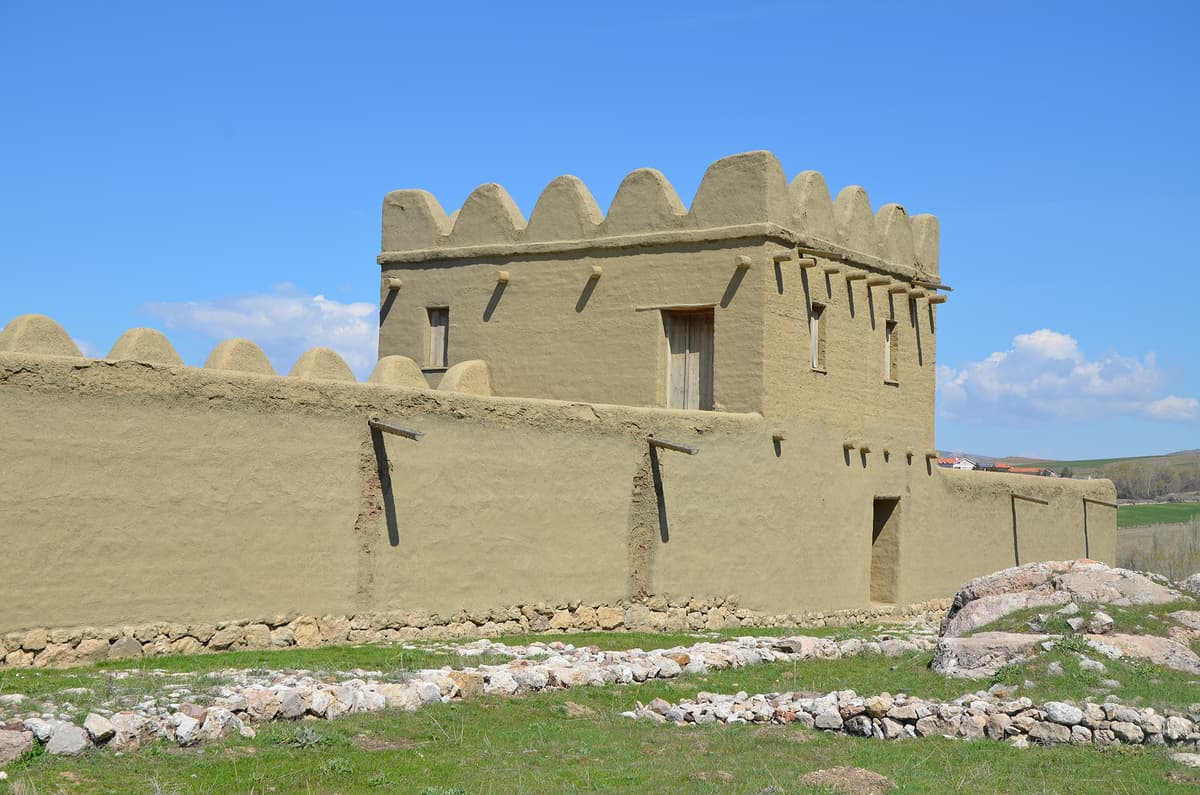
Mudbrick City Walls of Hattusha

All Reconstructions→
Mudbrick City Walls of Hattusha - Present Day
Mudbrick City Walls of Hattusha - c. 13th Century BCE
THEN · c. 13th Century BCE
NOW · Present Day

Mudbrick City Walls of Hattusha

Experimental archaeology reconstructing Bronze Age superpower military architecture

Hittite Empire · Türkiye

Between 2003 and 2005, the German Archaeological Institute (DAI) undertook one of the largest experimental archaeology projects in the world at Hattusha. Using original Hittite clay formulations, straw, and water, researchers manufactured over 64,000 mudbricks by hand to reconstruct a 65-meter section of the lower city wall, complete with two crenellated defensive towers rising 12 meters above stone socle foundations.

Community Photos

Share your experience

Have you visited this site? Upload your photos to help others discover it.

Related Stories

How to cite this page

Atlas Anatolia. (1650). Hattusha. Atlas Anatolia. https://atlasanatolia.com/site/hattusha

Content licensed CC BY-SA 4.0 — attribution required when reusing.

Related Sites

Graph

Connections to related sites and stories.

Read the full article on World History Encyclopedia
World History Encyclopedia · CC BY-NC-SA

Sources

  • The Hittites and Their World — Billie Jean Collins (2007)
  • UNESCO World Heritage — HattushaLink

Frequently Asked Questions

Where is Hattusha located?

Hattusha is located in Çorum, Central Anatolia, Türkiye.

How old is Hattusha?

Hattusha dates to approximately 1650 BCE – 1178 BCE.

Which civilizations are associated with Hattusha?

Hattusha is associated with the Hittite.

Why is Hattusha important?

Hattusha was the center of the Hittite Empire, one of the most powerful states of the Late Bronze Age alongside Egypt and Assyria.

Is Hattusha a UNESCO World Heritage Site?

Yes — Hattusha is inscribed as a UNESCO World Heritage Site.