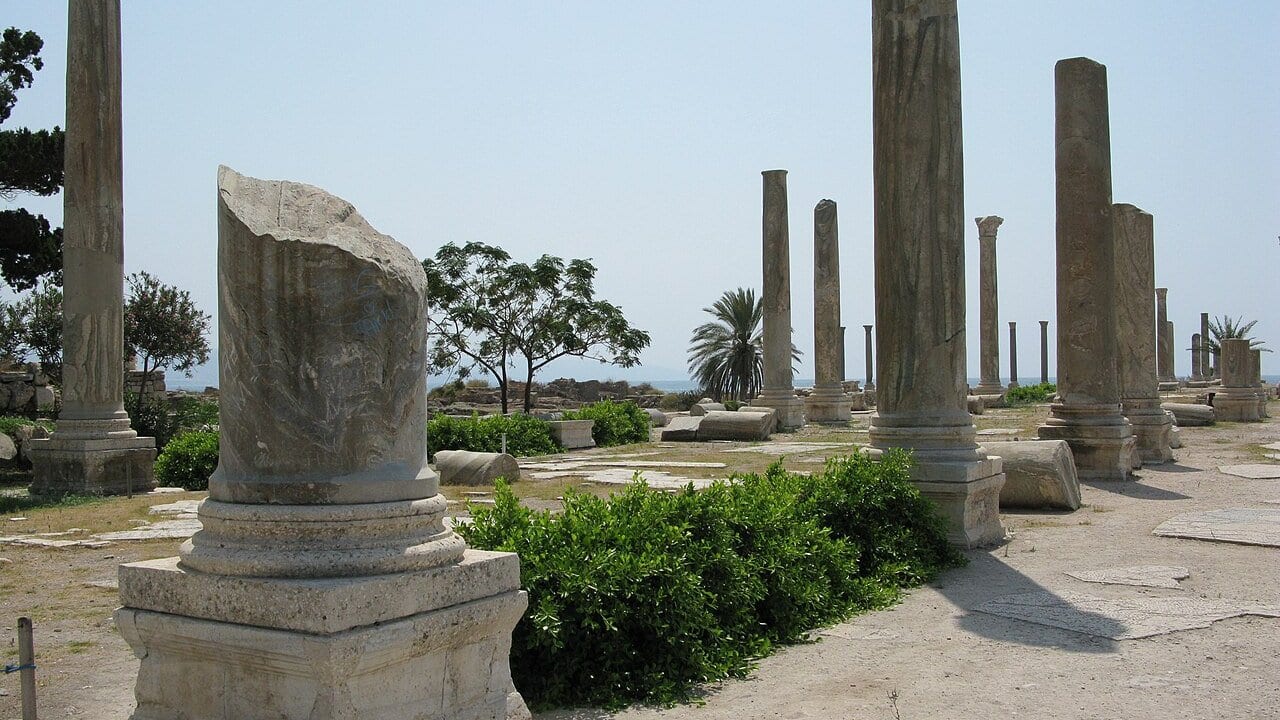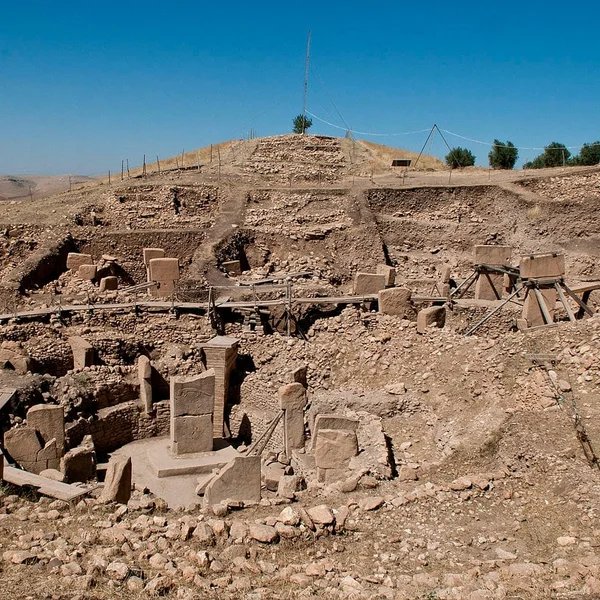
Anatolia — the vast highland peninsula of modern Türkiye bounded by the Black Sea, Aegean, and Mediterranean — is not a peripheral province or side chapter of Mediterranean antiquity. It is a continuous, ten-thousand-year laboratory of deep time: Pre-Pottery Neolithic ritual complexes, egalitarian mudbrick proto-cities, Bronze Age imperial archives, Homeric citadels, Ionian intellectual revolutions, and colossal Roman provincial capitals, frequently situated within a single afternoon's drive of one another.
This guide provides an academic, map-first itinerary through twelve of the most stratigraphically and architecturally consequential ancient sites in Anatolia. Each site entry connects to a full Atlas Anatolia dossier complete with GPS coordinates, excavation histories, UNESCO inscriptions, and Confirmed / Inferred / Debated scholarly evidence ratings.
Turkey
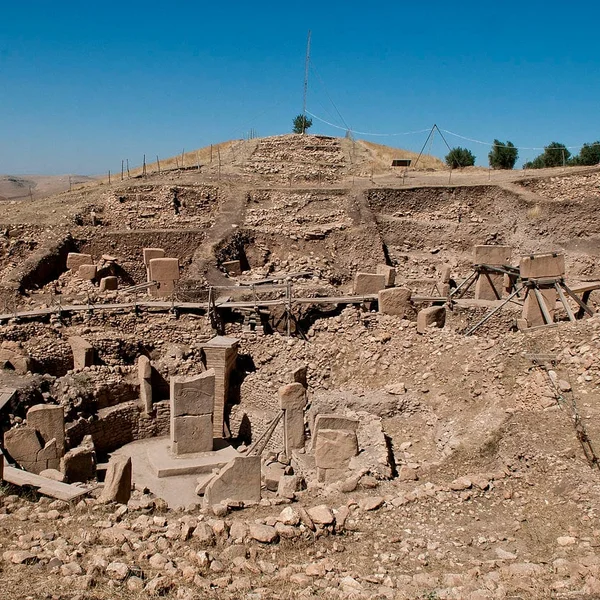
Göbekli Tepe
The world's oldest known monumental sanctuary, predating Stonehenge by roughly 6,000 years. Massive carved T-s
Türkiye
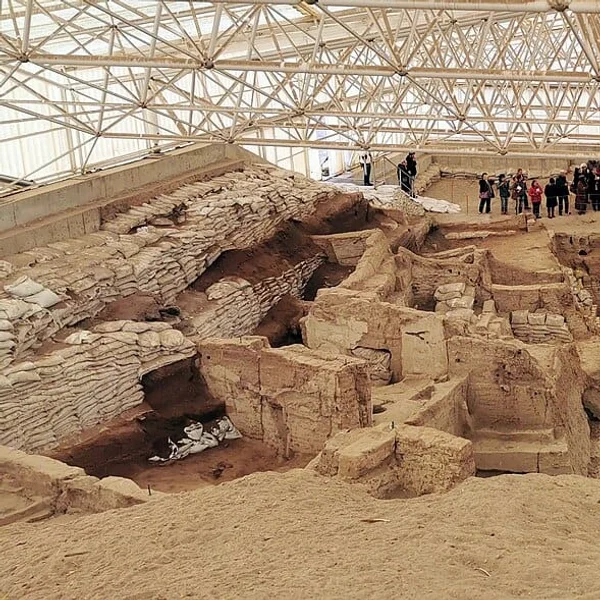
Çatalhöyük
One of the world's earliest known proto-urban settlements, occupied from roughly 7400 to 5600 BCE. Famous for
Türkiye
Hattusha
Capital of the Hittite Empire, one of the great powers of the Late Bronze Age. Features massive fortifications
Türkiye
Alacahöyük
One of the most important pre-Hittite and Hittite sites in Anatolia. The royal tombs yielded spectacular gold
Türkiye
Troy
Nine settlement layers at Hisarlık in northwestern Türkiye, where Heinrich Schliemann dug for Homer's Troy and
Türkiye
Sardis
Capital of the Lydian Kingdom, where coinage was likely invented. Home to King Croesus and his legendary wealt
Türkiye
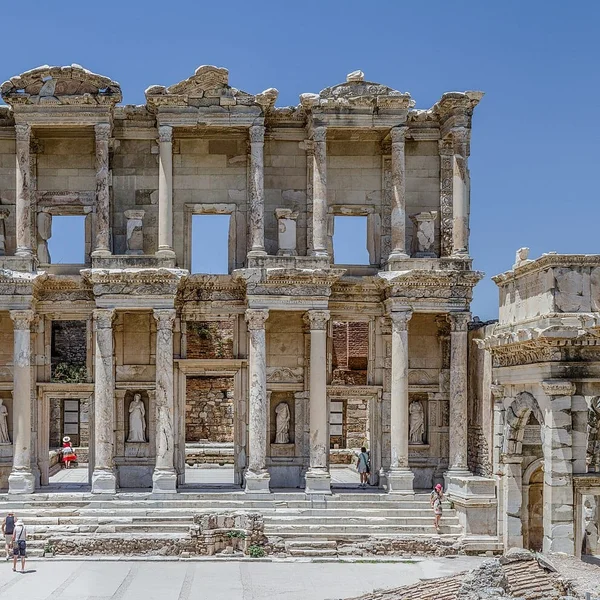
Ephesus
Major Ionian city near modern Selçuk, once home to the Temple of Artemis and later a Roman metropolis of marbl
Türkiye
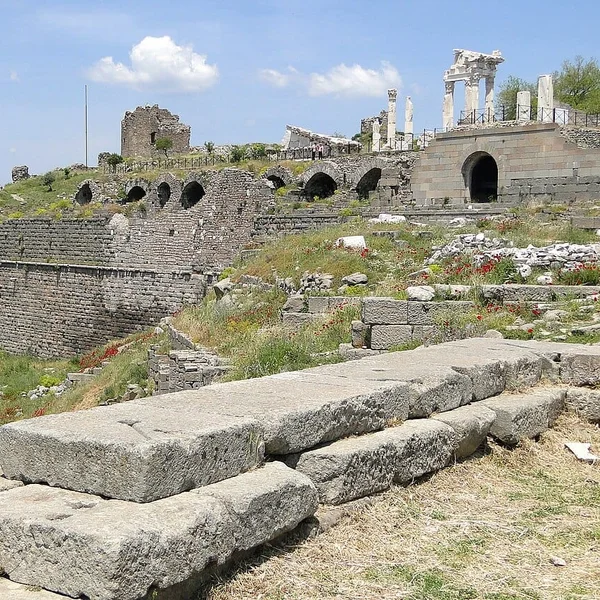
Pergamon
A major Hellenistic capital perched on a dramatic acropolis, renowned for its Great Altar, its library rivalin
Türkiye
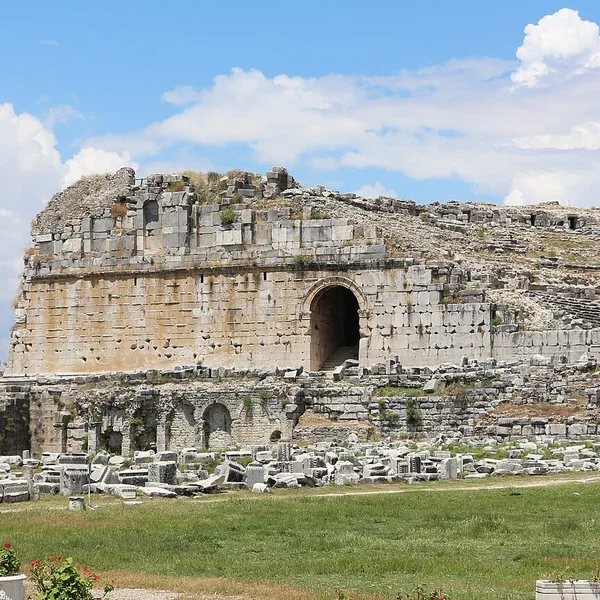
Miletus
Birthplace of Western philosophy — home to Thales, Anaximander, and Anaximenes. One of the greatest Ionian cit
Türkiye
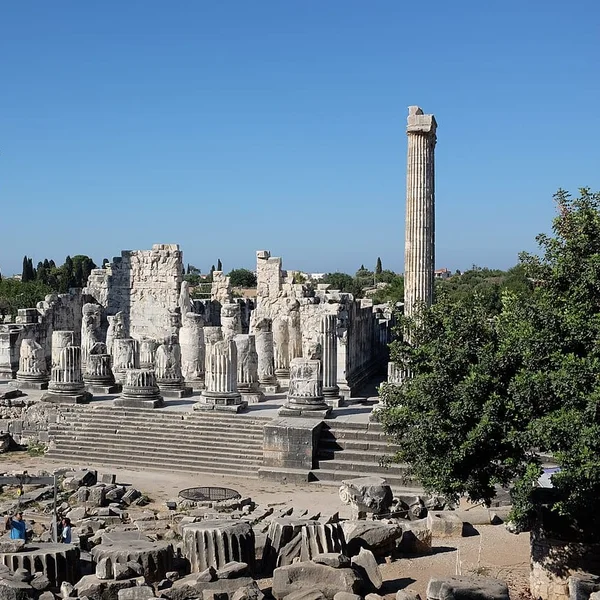
Didyma
Site of one of the most important oracles of the ancient world and the colossal Temple of Apollo — one of the
Türkiye
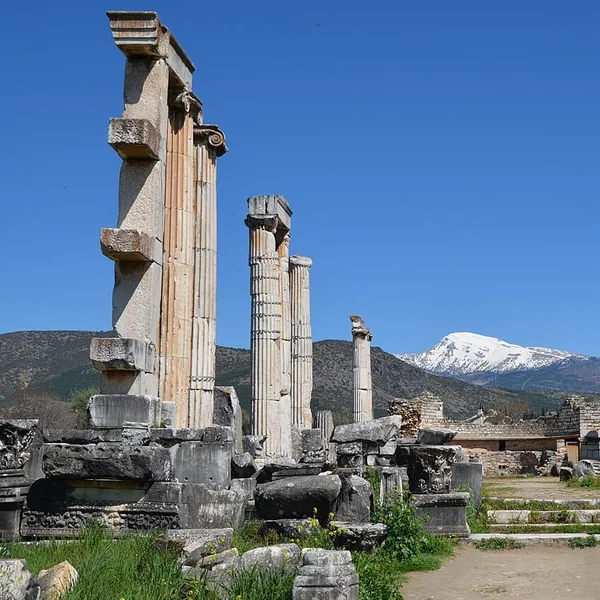
Aphrodisias
A Greco-Roman city famed for its marble sculpture workshops, the Temple of Aphrodite, and a remarkably well-pr
Türkiye
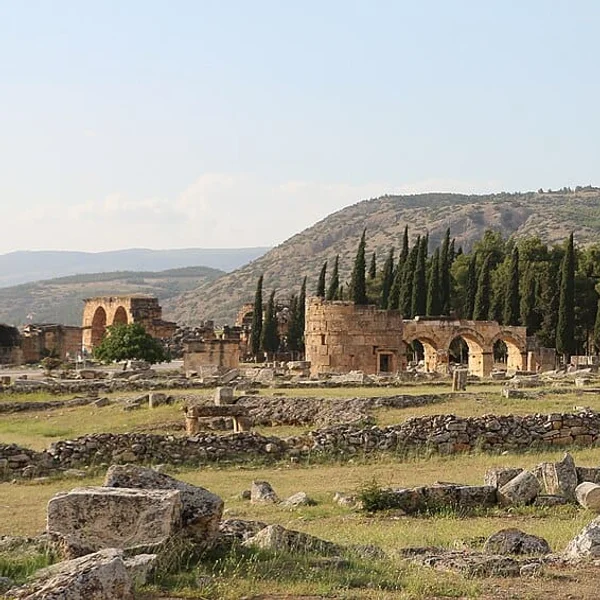
Hierapolis
A Greco-Roman spa city perched above the famous white travertine terraces of Pamukkale. One of the best-preser
1. Deep Time and the Neolithic Revolution: Göbekli Tepe & Çatalhöyük
The dawn of settled life and monumental architecture in Anatolia completely restructured global archaeological theory, proving that complex ritual coordination preceded domesticated cereal agriculture and urban statehood.
Göbekli Tepe: Monumental Forager Ritual Architecture (c. 9600–8000 BCE)
Situated on a limestone ridge overlooking the Harran Plain near Şanlıurfa, Göbekli Tepe dismantled the traditional unilinear paradigm that temples must follow agricultural surplus. Excavations initiated by Klaus Schmidt and continued by the German Archaeological Institute (DAI) revealed megalithic circular enclosures featuring monolithic T-shaped pillars up to 5.5 metres high. Carved with high- and low-relief predators—leopards, vultures, scorpions, and wild boars—these pillars represent stylized anthropomorphic beings.
Recent investigations under the multi-site Taş Tepeler initiative (including Karahan Tepe and Sayburç) demonstrate that Göbekli Tepe was not an isolated anomaly, but part of a densely settled regional ritual landscape created by mobile hunter-gatherers gathering seasonally for feasting and communal rites.
Çatalhöyük: Egalitarian Rooftop Proto-Urbanism (c. 7400–6000 BCE)
On the alluvium of the Konya Plain, Çatalhöyük—excavated by James Mellaart in the 1960s and re-evaluated by Ian Hodder’s reflexive team—reveals a radically different social experiment. Spanning 13 hectares, this dense Neolithic proto-city housed up to 8,000 people in contiguous mudbrick domestic units without streets, lanes, or public squares.
Residents moved across rooftops and entered homes via wooden ladders through smoke vents. Intramural burials beneath plastered sleeping platforms, plastered cattle skulls (bucrania), wall paintings of headless corpses and giant leopards, and obsidian trade from Cappadocia reveal an intensely symbolic, socially egalitarian society devoid of centralized administrative palaces or social stratification.
2. Bronze Age Highland Superpowers: Hattusha & Alacahöyük
During the second millennium BCE, the arid Anatolian plateau became the heartland of the Hittite Empire, a military and diplomatic peer of New Kingdom Egypt and the Assyrian Empire.
Hattusha: Mountain Citadel of the Thousand Gods (c. 1650–1200 BCE)
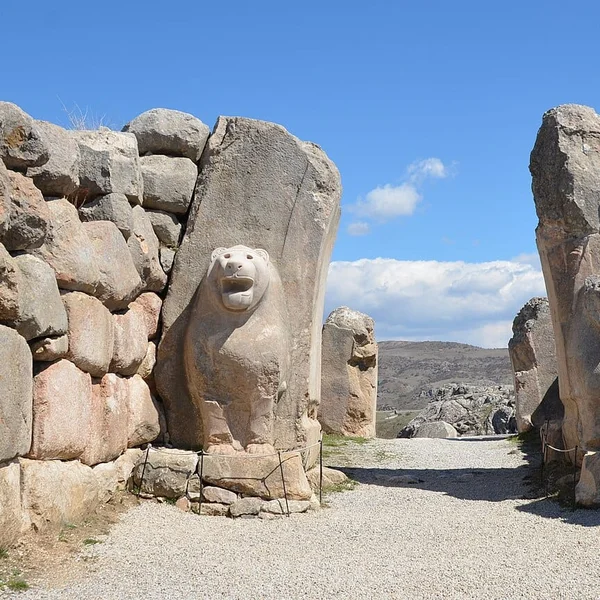
Located at Boğazkale in the Çorum province, Hattusha served as the fortified capital of the Hittite kingdom. Perched on a jagged rocky escarpment, the city was enclosed by massive double cyclopean defensive walls spanning over 6 kilometres, pierced by monumental gates adorned with high-relief stone guardians: the Lion Gate, the Sphinx Gate, and the King’s Gate.
Within its walls, excavators recovered over 30,000 cuneiform clay tablets in the Hittite, Luwian, and Akkadian languages, including the Anatolian copy of the famous Treaty of Kadesh (1258 BCE) concluded with Pharaoh Ramesses II. Just two kilometres northeast lies Yazılıkaya, an open-air rock sanctuary whose natural limestone galleries feature bas-relief processions of the Hurrian-Hittite pantheon led by the storm god Teshub and the sun goddess Hebat.
Alacahöyük: Royal Standards and Sphinges (c. 2500–1200 BCE)
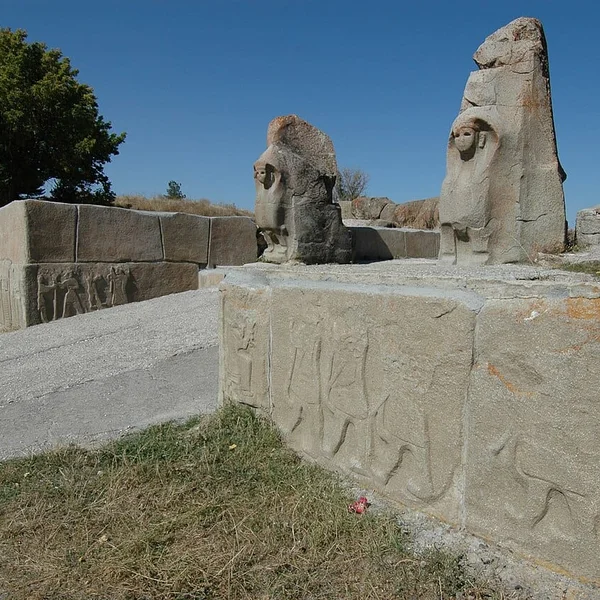
Just 30 kilometres north of Hattusha, Alacahöyük provides the chronological bridge between the pre-Hittite indigenous Hattian culture of the Early Bronze Age and the later Hittite imperial era. The site is globally famous for its thirteen Early Bronze Age Royal Tombs (c. 2400–2200 BCE), which yielded exquisite bronze, silver, and gold ceremonial standards featuring solar discs, horned bulls, and stags inlaid with electrum, now preserved in Ankara's Museum of Anatolian Civilizations. During the later Empire period, Alacahöyük was fortified with a grand Sphinx Gate featuring carved stone orthostats depicting royal sacrificial rituals and musicians.
3. The Epic and Lydian West: Troy & Sardis
Western Anatolia acted as the dynamic commercial and cultural hinge between the Aegean Sea and the central Anatolian interior.
Troy (Hisarlık): Stratigraphy vs. Homeric Myth (c. 3000 BCE–500 CE)
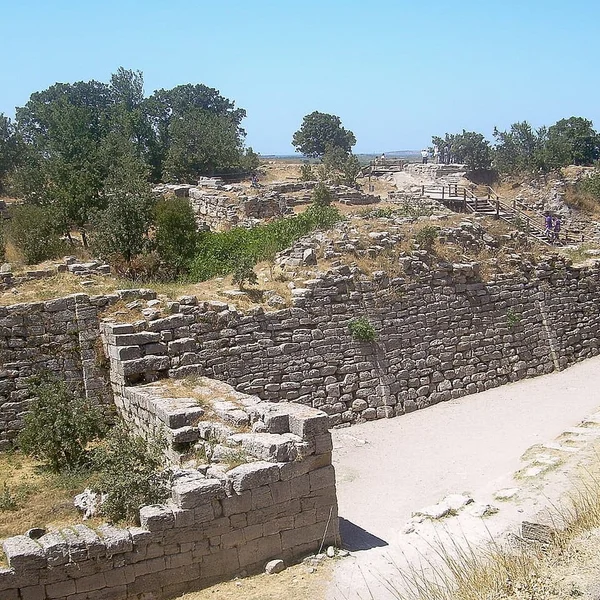
Overlooking the Dardanelles, Troy is one of the most celebrated multi-layered tells in world archaeology. Excavated famously (and destructively) by Heinrich Schliemann in the 1870s, and later methodically re-excavated by Wilhelm Dörpfeld, Carl Blegen, and Manfred Korfmann, the mound preserves nine major archaeological levels and over 46 building phases:
- Troy II (c. 2500–2300 BCE): Early Bronze Age citadel where Schliemann mistakenly claimed "Priam's Treasure," now known to predate the Homeric Trojan War by over a millennium.
- Troy VI and VIIa (c. 1750–1180 BCE): Late Bronze Age fortified citadel featuring sloping ashlar masonry walls and a dense lower town. Stratum VIIa displays widespread burn layers, projectile points, and unburied skeletons consistent with a violent siege during the 12th-century BCE Bronze Age Collapse.
Sardis: Gold of Pactolus and the Lydian Capital (c. 1000 BCE–600 CE)
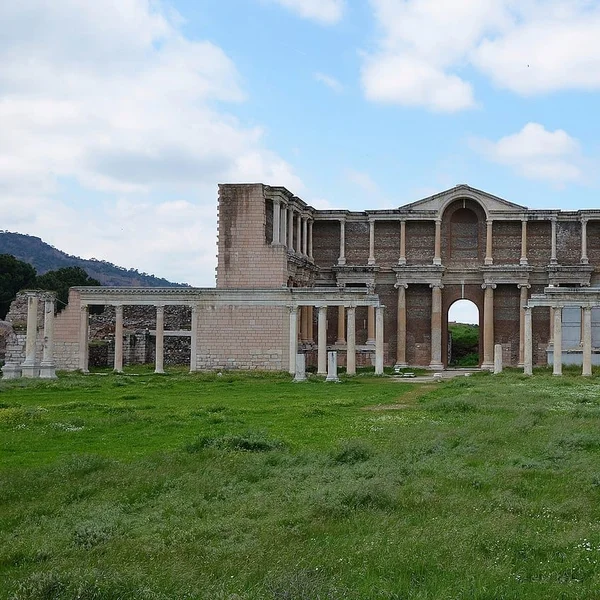
Nestled beneath the steep crags of Mount Tmolus, Sardis was the legendary capital of the Lydian Empire, where King Alyattes and King Croesus minted the Western world's first standardized electrum and gold coinage in the 6th century BCE. Excavations by Harvard and Cornell universities revealed gold refining workshops along the Pactolus stream, monumental Lydian sandstone defensive ramparts over 20 metres thick, a colossal Hellenistic Temple of Artemis, and one of the largest ancient Roman synagogues ever excavated, featuring vibrant polychrome mosaic floors.
4. The Ionian Enlightenment and Coastal Megacities: Ephesus, Pergamon, Miletus, Didyma
Along the Aegean shoreline, Greek colonists and native Anatolian (Carian and Lelegian) populations merged, sparking the birth of philosophy, urban grid planning, and monumental marble architecture.
Ephesus: The Roman Metropolis of Asia (c. 10th Century BCE–7th Century CE)
Ephesus was the pre-eminent Roman administrative and commercial hub of the eastern Mediterranean, boasting an estimated population of over 200,000 inhabitants. While its Archaic Temple of Artemis (one of the Seven Wonders of the Ancient World) now survives as a single marshy column, the Roman cityscape along Curetes Street preserves unmatched architectural splendor:
- The Library of Celsus: An extraordinary two-story Roman facade restored through rigorous anastylosis.
- The Terrace Houses (Yamaç Evleri): Multi-story Roman hillside villas decorated with intricate mosaic pavements, marble revetment, and underfloor hypocaust heating systems.
- The Great Theatre: Seating 25,000 spectators, where the Apostle Paul clashed with the silversmiths of Artemis.
Pergamon: The Vertical Attalid Acropolis (c. 3rd Century BCE–3rd Century CE)
Rising 330 metres above the modern town of Bergama, Pergamon represents the pinnacle of dramatic Hellenistic landscape urbanism. Built by the Attalid dynasty, the acropolis features the world's steepest ancient theater (seating 10,000 on a 50-degree incline), the monumental foundations of the Great Altar of Zeus, and a world-famous library holding 200,000 parchment scrolls. Down in the valley, the Asklepieion was one of antiquity's foremost holistic medical sanctuaries, where physicians like Galen treated patients through dream therapy, mud baths, and theater.
Miletus and Didyma: Grid Urbanism and the Great Oracle
- Miletus: The birthplace of pre-Socratic natural philosophy (Thales, Anaximander, Anaximenes) and the father of city planning, Hippodamus of Miletus, who introduced the orthogonal street grid. Silting by the Meander River eventually transformed this four-harbored maritime power into an inland ruin.
- Didyma: Linked to Miletus by a 20-kilometre Sacred Way, Didyma housed the colossal Didymaion—the largest ionic temple in the Greek world after the Heraion of Samos. Built over an active subterranean chasm, pilgrims consulted the priestess of Apollo for geopolitical prophecies that steered Mediterranean colonization.
5. Marble and Geothermal Cults: Aphrodisias & Hierapolis
Aphrodisias: The Master Sculptors of the Empire (c. 2nd Century BCE–5th Century CE)
Dedicated to Aphrodite, Aphrodisias in Caria flourished thanks to its proximity to inexhaustible white and blue-grey marble quarries on Mount Baba Dağ. Excavated under Kenan Erim and R.R.R. Smith (New York University / Oxford), the site is world-renowned for its virtuoso sculpture school. The Sebasteion—a lavish three-story temple complex dedicated to the Julio-Claudian Roman emperors and Aphrodite—preserves dozens of intact marble relief panels depicting emperors conquering personified barbarian nations. The city's 30,000-seat stadium remains the best-preserved athletics venue of the Roman world.
Hierapolis: Travertine Terraces and the Plutonium (c. 2nd Century BCE–6th Century CE)
Perched directly above the gleaming white calcium travertine terraces of modern Pamukkale, Hierapolis was established as a thermal spa city by the Attalids of Pergamon. The site blends remarkable geology with ancient religion:
- The Plutonium (Gate of Hell): A sanctuary dedicated to Pluto where deadly concentrations of geological carbon dioxide ($CO_2$) gas seep from a subterranean fault, lethal enough to kill small animals cast into the grotto by eunuch priests.
- The Northern Necropolis: Spanning over two kilometres, containing over 1,200 sarcophagi, tumuli, and house-shaped family tombs.
Comparative Archaeological Chronology
| Site | Primary Civilization | Peak Era | Key Archaeological Signature |
|---|---|---|---|
| Göbekli Tepe | Pre-Pottery Neolithic | 9600–8000 BCE | Megalithic T-pillars with predator reliefs |
| Çatalhöyük | Pottery Neolithic | 7400–6000 BCE | Contiguous rooftop-access domestic architecture |
| Alacahöyük | Hattian / Hittite | 2400–1200 BCE | Bronze solar standards & monumental Sphinx Gate |
| Hattusha | Hittite Empire | 1650–1200 BCE | Cyclopean walls, royal archives & Yazılıkaya |
| Troy | Bronze Age / Hellenistic | 2500–1180 BCE | Stratigraphic multi-layer tell with defensive citadels |
| Sardis | Lydian / Roman | 650 BCE–400 CE | Electrum coinage workshops & massive Synagogue |
| Miletus | Ionian Greek | 600–300 BCE | Hippodamian orthogonal street grid |
| Didyma | Ionian / Hellenistic | 300 BCE–100 CE | Giant dipteral hypaethral oracular temple of Apollo |
| Pergamon | Hellenistic Attalid | 280–133 BCE | Steepest hillside theater & Great Altar foundations |
| Ephesus | Roman Imperial | 100 BCE–300 CE | Celsus Library, Terrace Houses & marble streets |
| Aphrodisias | Carian Roman | 50 BCE–400 CE | Sebasteion imperial reliefs & marble sculpture |
| Hierapolis | Hellenistic / Roman | 100–400 CE | Thermal travertine terraces & $CO_2$ Plutonium |
Confirmed, Inferred, and Debated Claims
Göbekli Tepe was built prior to the development of domesticated agriculture
Çatalhöyük was entered exclusively through rooftops without streets
The bronze standards of Alacahöyük belonged to the Hittites
Troy VIIa represents the historical city of Homer's Iliad
Sardis was the origin of standardized bimetallic coinage
The gas emissions at Hierapolis's Plutonium were staged by trickery
Planning Your Archaeological Study Itinerary
To experience Anatolian deep time directly on Atlas Anatolia:
- Explore the Map: Launch the interactive ancient world map and apply the Anatolian civilization filters.
- Browse the Full Index: Review all published archaeological sites in Turkey.
- Compare Key Sites: Contrast Hattusha and Ephesus to understand highland imperial versus coastal Roman urbanism.
- Follow-Up Reading:
- Top 12 Ancient Sites in Anatolia
- Göbekli Tepe vs Stonehenge: Which Is Older?
- The Complete Atlas of Humankind's First Cities
Last updated: October 2026