Overview
Discovery
The Roman Forum was never truly lost, as its ruins were always visible, but systematic archaeological investigation began in the early 19th century. Carlo Fea initiated clearances in 1803, followed by Pietro Rosa's extensive excavations under Napoleon III. These campaigns uncovered monuments such as the Arch of Septimius Severus and the Temple of Saturn, removing centuries of debris and later structures that had accumulated after the Forum’s decline.
Historical Context
The Forum originated as a marshy valley between the Palatine and Capitoline hills, drained in the 6th century BCE by the construction of the Cloaca Maxima. It evolved from a marketplace into the civic centre of the Roman Republic and Empire, hosting political assemblies, trials, religious ceremonies, and commercial activities. Its significance endured through the imperial period, with emperors adding grandiose monuments, until its gradual abandonment after the fall of the Western Roman Empire.
"I found Rome a city of brick and left it a city of marble."
— Augustus, recorded in Suetonius, Life of Augustus 28 (early 2nd century CE)
Architectural and Spatial Evolution
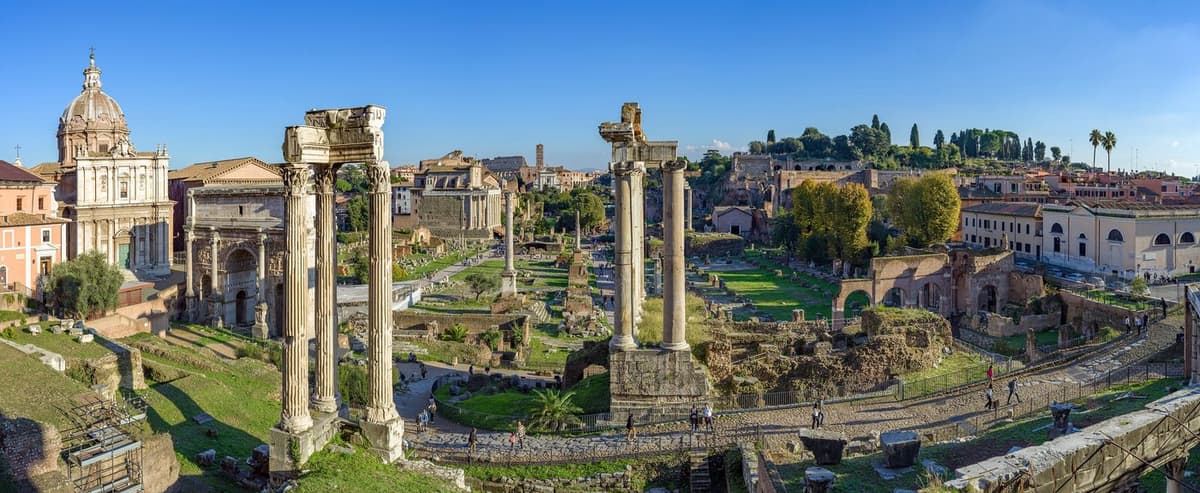
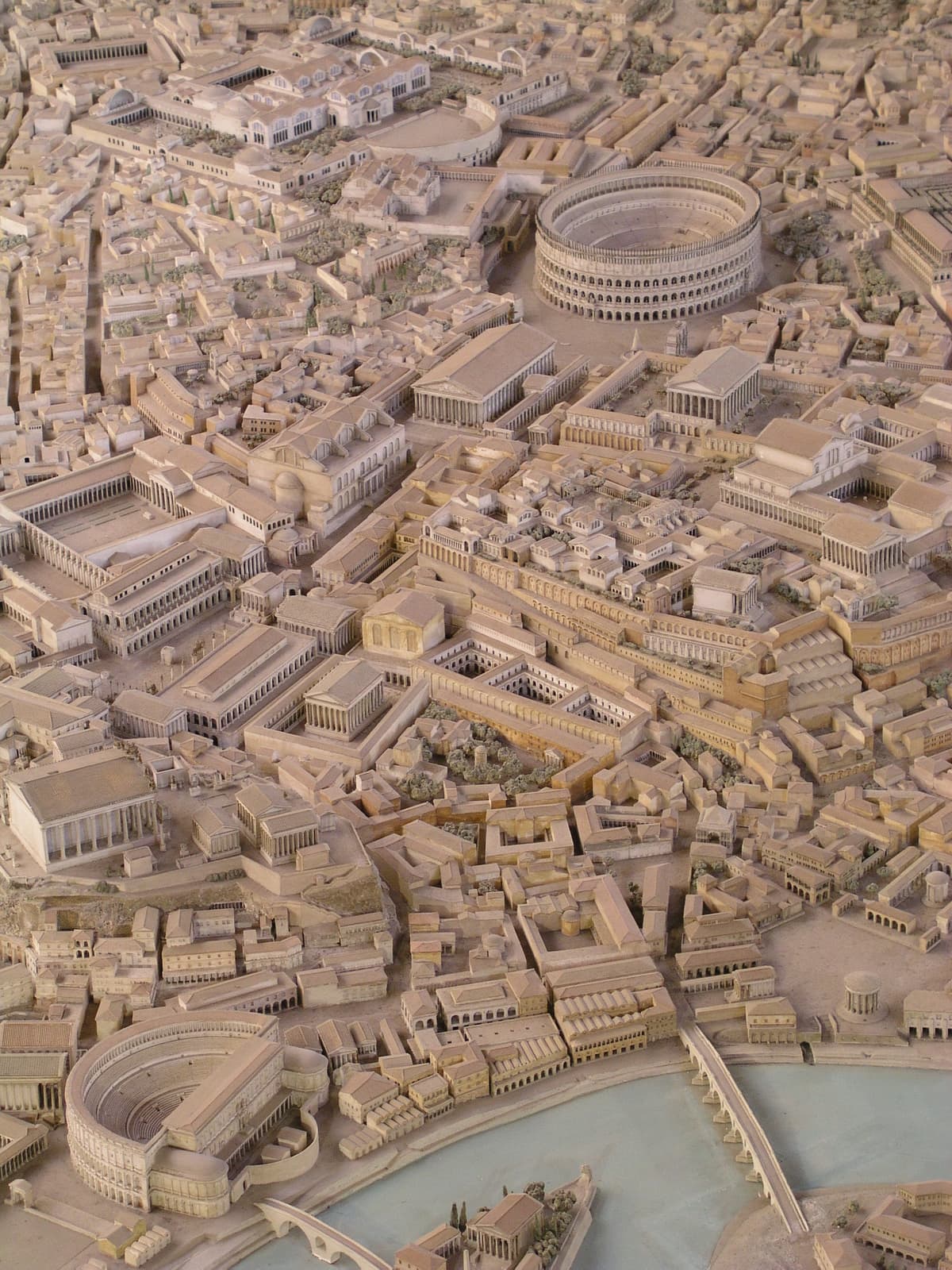
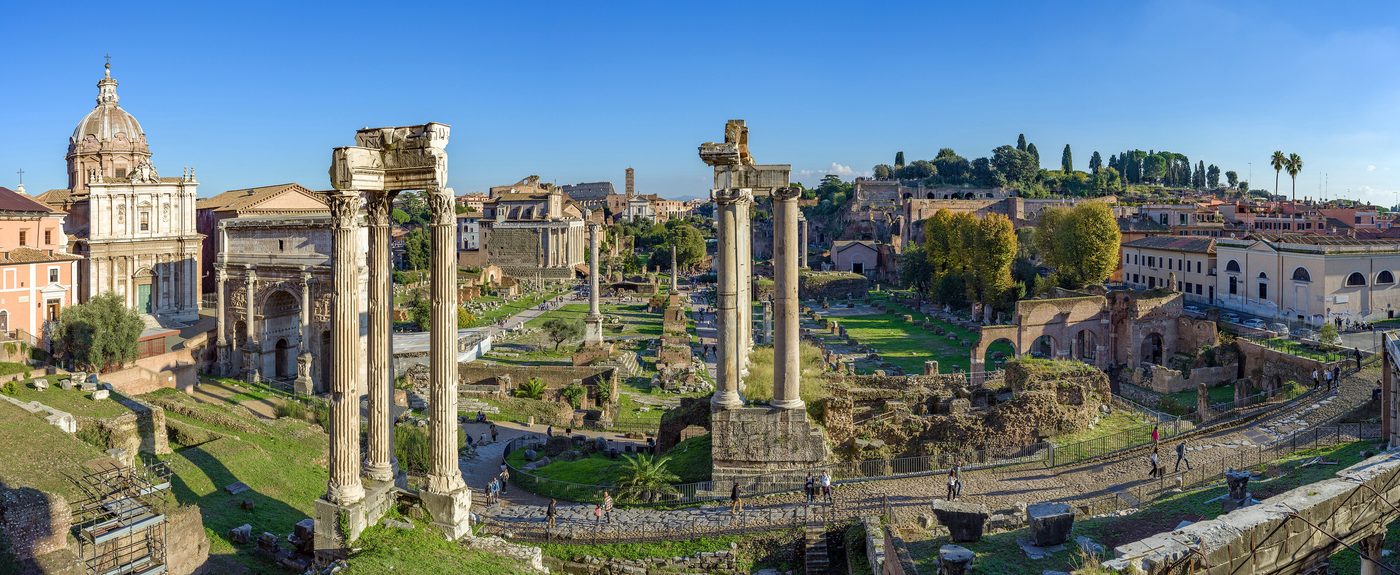
The Forum’s layout is irregular, shaped by its topography and centuries of incremental building. Key structures include the Regia, the Temple of Vesta, the Rostra, the Curia Julia, and triumphal arches. Under Julius Caesar and Augustus, the Forum was extensively remodelled, with the construction of the Basilica Julia and the relocation of the Rostra. Later emperors added arches and temples, creating a dense palimpsest of architecture spanning over a millennium.
Lives of the Forum
The site was not merely a collection of buildings but a dynamic space where public life unfolded. Elections, gladiatorial games, and public speeches occurred here, as did the veneration of sacred sites like the Lapis Niger, an archaic shrine. The Forum was also a centre of writing and record-keeping, with the Tabularium overlooking it. Its monuments were laden with symbolism, from the Umbilicus Urbis marking the centre of the world to the Milliarium Aureum measuring distances across the empire.
From Classical Ruin to Modern Monument
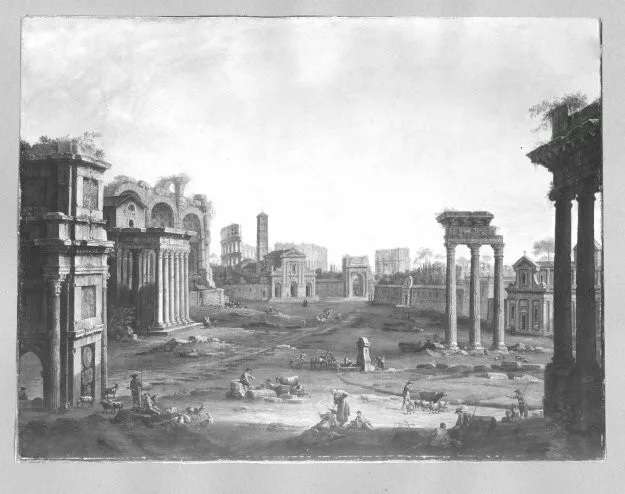
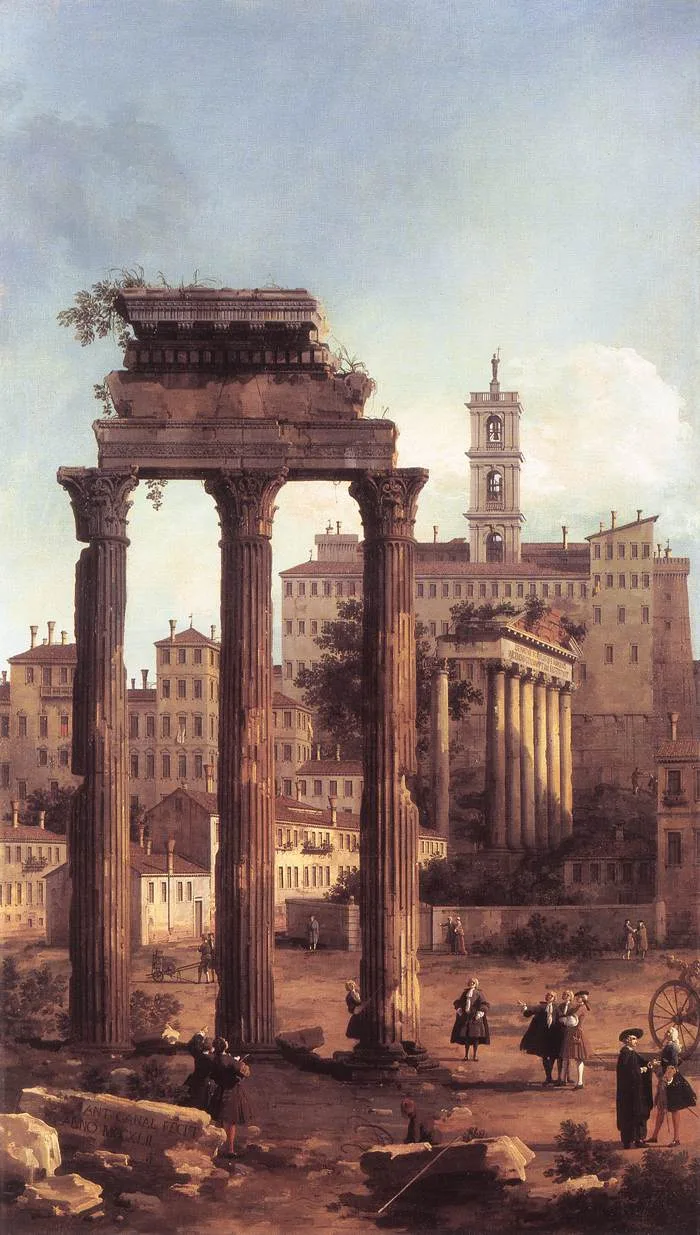
In the medieval period, the Forum became a pasture known as the Campo Vaccino, its marble plundered for new buildings. Renaissance antiquarians like Pirro Ligorio studied the ruins, but it was the 19th-century clearance that transformed it into an archaeological park. Under Mussolini, vast areas were excavated along the Via dell’Impero, often at the cost of preserving later historical layers. Today, the Forum is part of the Parco Archeologico del Colosseo and a UNESCO World Heritage Site, facing ongoing challenges of conservation and interpretation.