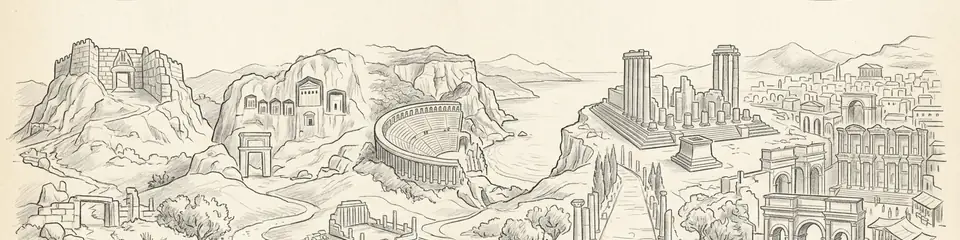
Anatolien — die große Halbinsel der heutigen Türkei — ist eine der vielschichtigsten archäologischen Landschaften der Erde. Sie beherbergt den ältesten bekannten Tempel der Welt, die Hauptstadt eines bronzezeitlichen Reiches, das es mit Ägypten aufnahm, griechische und römische Städte von atemberaubender Größe sowie Meisterwerke byzantinischer und osmanischer Baumeister — alles in einem einzigen Land. Dies sind 12 der bemerkenswertesten antiken Stätten Anatoliens, geordnet nach dem Interesse, das sie bei Besuchern und Forschern weltweit hervorrufen.
1. Hagia Sophia
„Anatolien ist eine Brücke und ein Friedhof der Reiche — hethitisch, griechisch, römisch, byzantinisch, osmanisch — jedes hinterlässt Stein, der noch immer spricht.“
— Redaktionelle Synthese für die Anatolien-Reiserouten von Atlas Anatolia
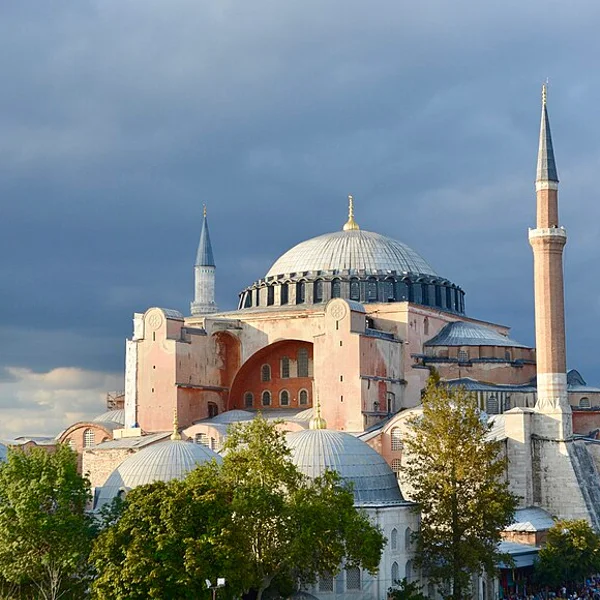
!Die Kuppelaußenansicht der Hagia Sophia mit ihren osmanischen Minaretten, Istanbul, Türkei")
Die höchste Leistung byzantinischer Architektur — eine gewaltige Kuppelbasilika, die Kaiser Justinian in Konstantinopel in nur fünf Jahren erbauen ließ und die 537 n. Chr. vollendet wurde; ihre 31 Meter weite Kuppel scheint auf einem Kranz von Fenstern zu schweben. Fast tausend Jahre lang war sie der größte umschlossene Raum und die bedeutendste Kathedrale der christlichen Welt, bevor sie Moschee, Museum und wieder Moschee wurde.
2. Troja
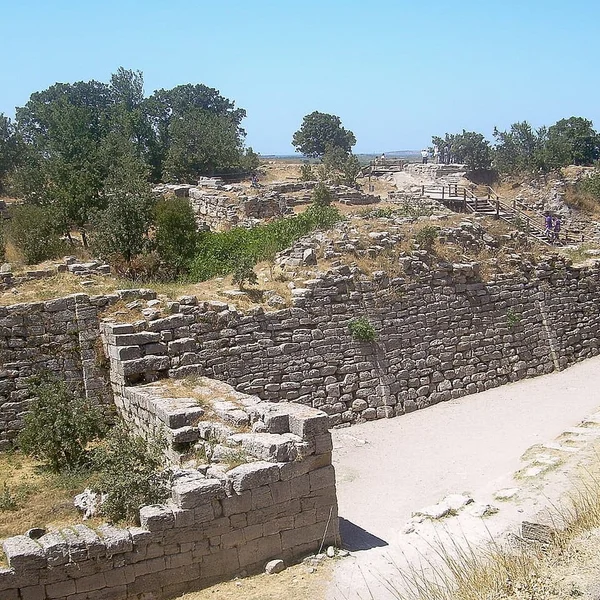
!Befestigungsmauern von Troja (Hisarlık)")
Die sagenhafte Stadt aus Homers Ilias, gelegen bei Hisarlık im Nordwesten der Türkei. Mehrere Siedlungsschichten aus über 4.000 Jahren machen sie zu einer der geschichtsträchtigsten archäologischen Stätten der Welt.
Çanakkale, Marmararegion, Türkei.
3. Göbekli Tepe
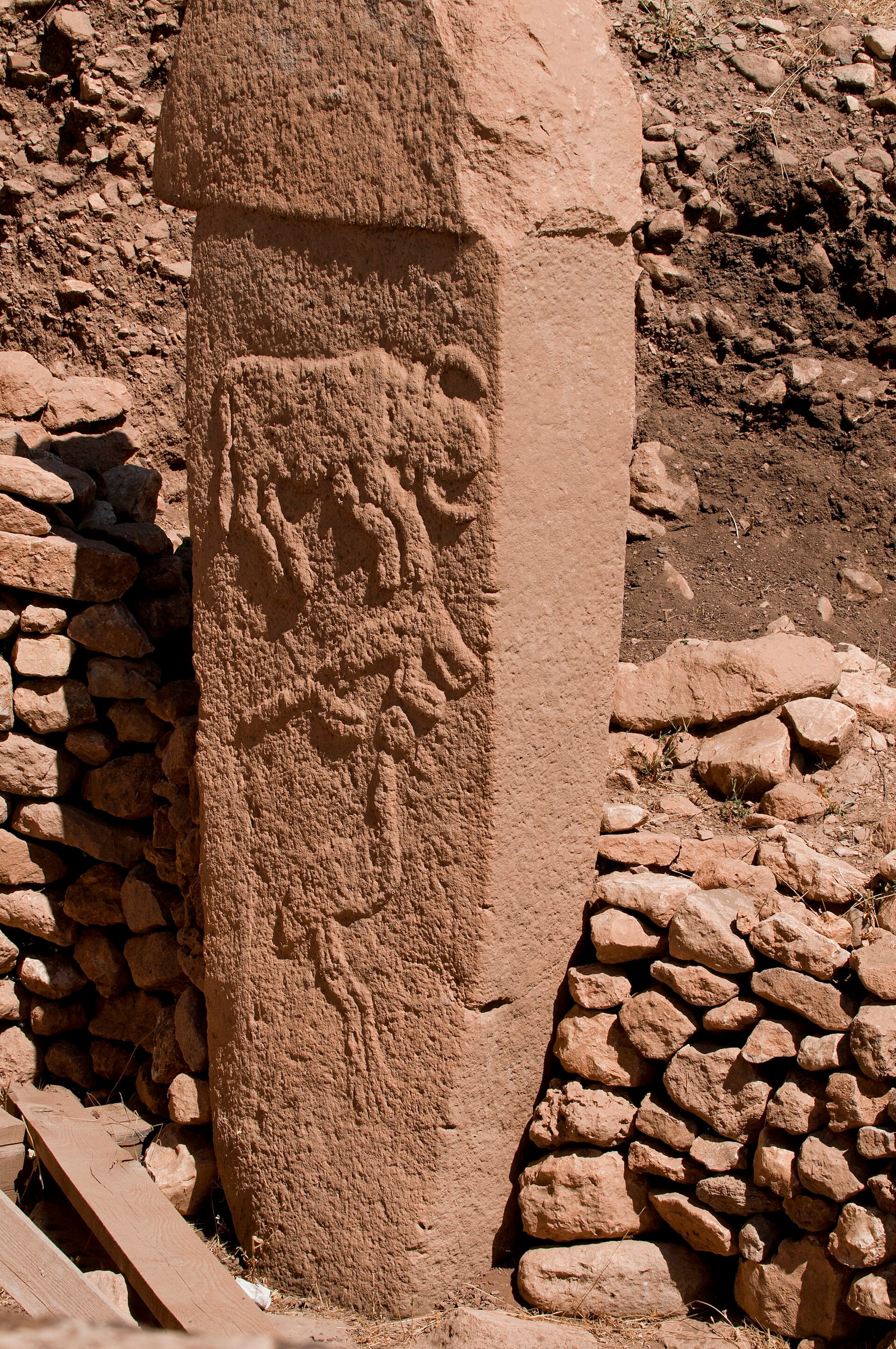
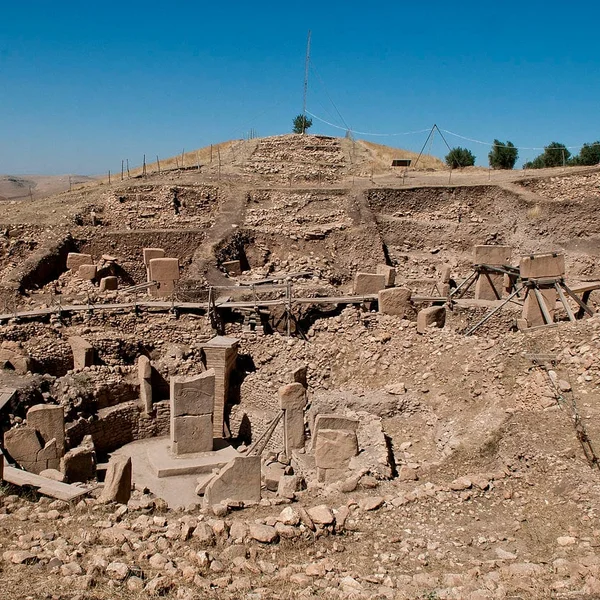
!T-förmige Pfeiler in der archäologischen Stätte Göbekli Tepe")
Das älteste bekannte monumentale Heiligtum der Welt, rund 6.000 Jahre älter als Stonehenge. Gewaltige, reliefierte T-förmige Pfeiler in Kreisanordnung deuten auf komplexe rituelle Handlungen unter vorlandwirtschaftlichen Gemeinschaften hin.
Şanlıurfa, Südostanatolien, Türkei.
4. Ephesos
!Die Celsus-Bibliothek in Ephesos")
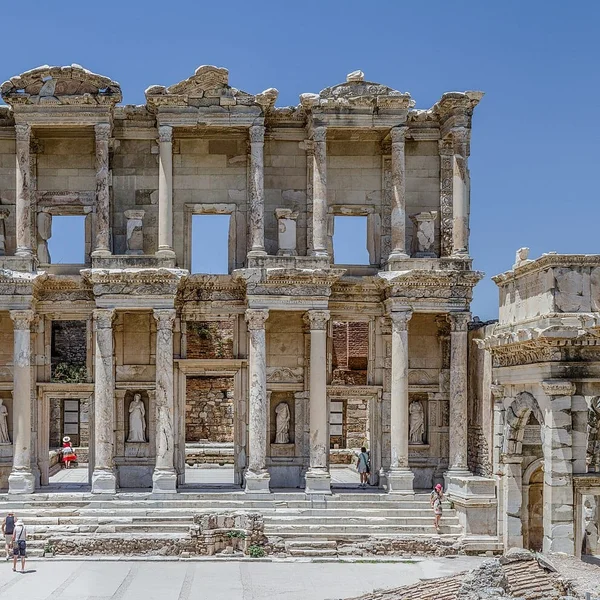
Eine der größten Städte der antiken Mittelmeerwelt. Heimat des Tempels der Artemis (eines der Sieben Weltwunder), der Celsus-Bibliothek und eines Theaters mit 25.000 Sitzplätzen.
İzmir, Ägäis, Türkei.
5. Ani
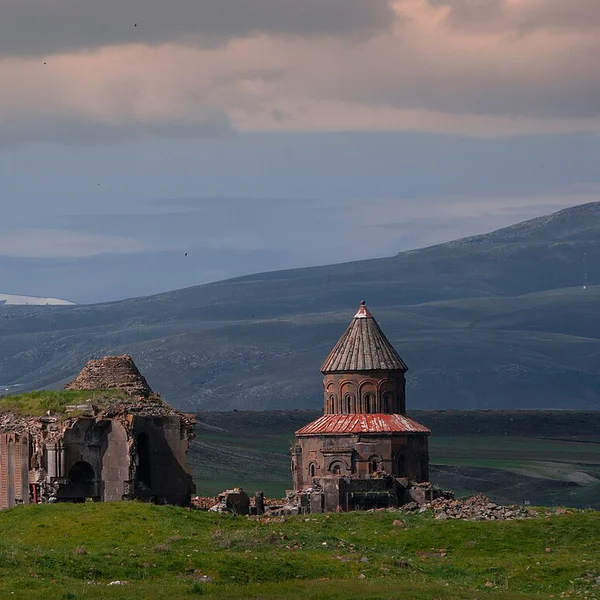
Eine mittelalterliche armenische Hauptstadt an der türkisch-armenischen Grenze, einst Heimat von über 100.000 Menschen. Ihre Ruinen umfassen prächtige Kirchen, Moscheen und Befestigungsanlagen aus Jahrhunderten multikultureller Geschichte.
Kars, Ostanatolien, Türkei.
6. Derinkuyu
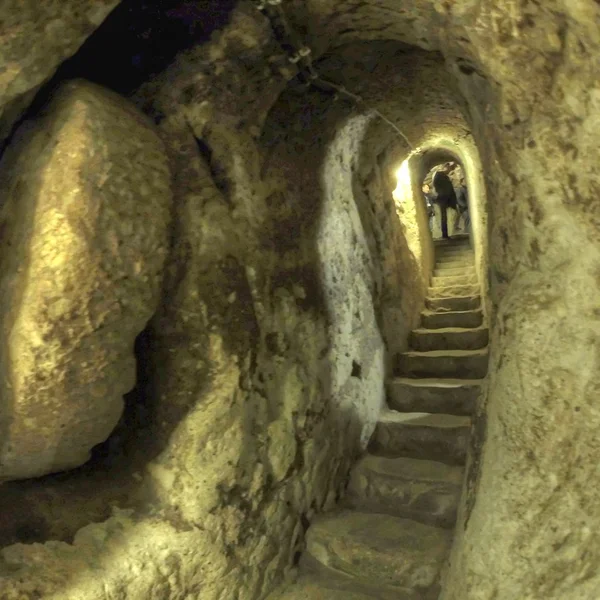
Die tiefste bekannte unterirdische Stadt der Welt, die sich 85 Meter unter der Oberfläche mit 18 Ebenen erstreckt. Sie konnte etwa 20.000 Menschen zusammen mit Vieh und Lebensmittelvorräten beherbergen.
Nevşehir, Zentralanatolien, Türkei.
7. Çatalhöyük
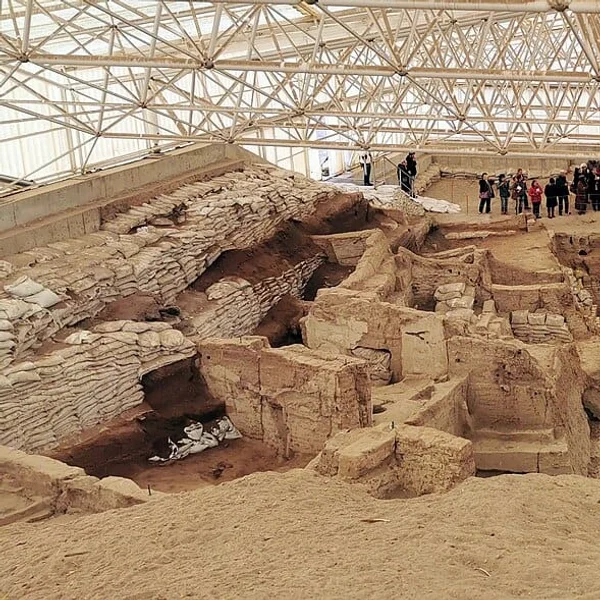
Eine der frühesten bekannten protourbanen Siedlungen der Welt, bewohnt von etwa 7400 bis 5600 v. Chr. Berühmt für ihre dicht gedrängten Lehmziegelhäuser, Wandmalereien und Belege einer bemerkenswert egalitären neolithischen Gemeinschaft.
Konya, Zentralanatolien, Türkei.
8. Ancyra (Ankara)
Eine antike phrygische und galatische Festung, deren römischer Tempel des Augustus die einzige erhaltene vollständige Abschrift des politischen Testaments des Augustus bewahrt – das Monumentum Ancyranum –, eingraviert in Latein und Griechisch.
Ankara, Zentralanatolien, Türkei.
9. Antiochia (Antakya)
Eine der vier großen Städte der antiken Welt und eine Wiege des frühen Christentums. Antiochias außergewöhnliche Mosaike wetteifern mit denen Pompejis, und seine vielschichtige Geschichte umspannt hellenistische, römische, byzantinische und islamische Zivilisationen.
Hatay, Südostanatolien, Türkei.
Antiochia (Antakya) entdecken →
10. Pergamon
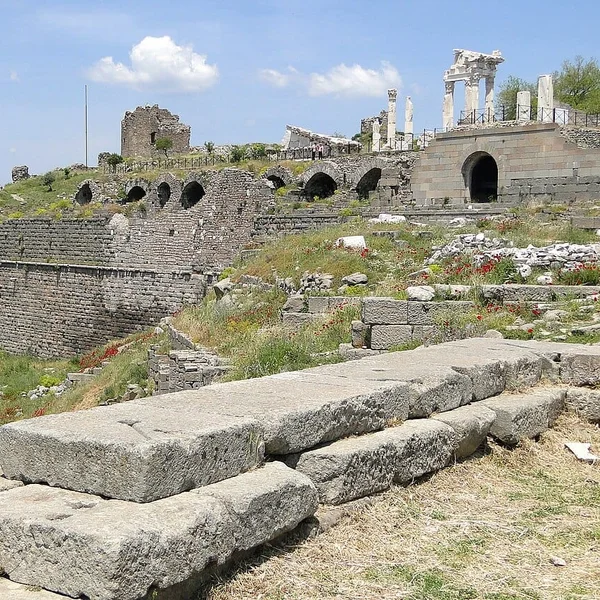
Eine bedeutende hellenistische Hauptstadt auf einer dramatischen Akropolis, bekannt für ihren Großen Altar, ihre Bibliothek, die mit Alexandria wetteiferte, und das Heilzentrum Asklepieion.
İzmir, Ägäis, Türkei.
11. Hierapolis
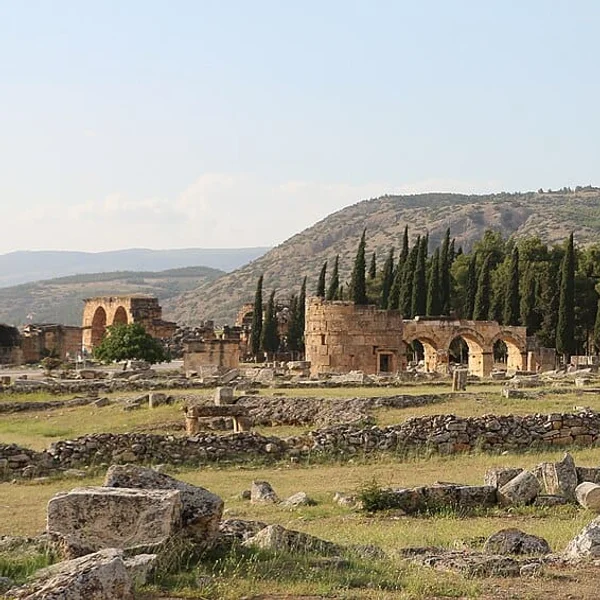
Eine griechisch-römische Kurstadt oberhalb der berühmten weißen Travertinterrassen von Pamukkale. Eine der am besten erhaltenen antiken Städte der Türkei, mit einer riesigen Nekropole, einem Theater und dem Plutonium – einem Tor zur Unterwelt.
Denizli, Ägäis, Türkei.
12. Nemrut Dağ
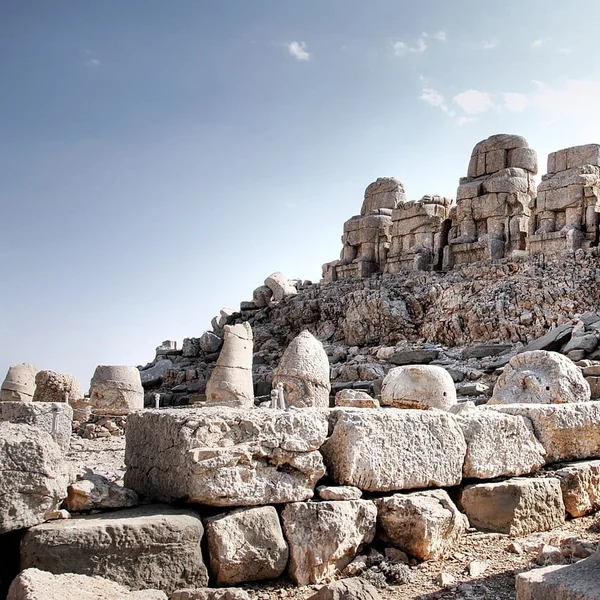
Ein abgelegenes Bergheiligtum auf 2.134 Metern Höhe mit kolossalen Steinköpfen von Göttern und König Antiochos I. von Kommagene. Eine der dramatischsten archäologischen Stätten der Welt.
Adıyaman, Südostanatolien, Türkei.
Jeder oben genannte Ort verlinkt auf einen vollständigen, evidenzbasierten Eintrag im Atlas – mit Karten, Schlüsseldaten, Ausgrabungsgeschichte, Fotografien und wissenschaftlichen Quellen. Anatolien belohnt langsames, neugieriges Reisen – und jenseits dieser Liste warten noch Dutzende weitere Stätten darauf, entdeckt zu werden.
Türkiye
Troy
Neun Siedlungsschichten in Hisarlık im Nordwesten der Türkei, wo Heinrich Schliemann nach Homers Troja grub un
Türkiye
Hagia Sophia
Die höchste Leistung der byzantinischen Architektur – eine riesige Kuppelbasilika, die vom Kaiser Justinian in
Turkey
Göbekli Tepe
Die älteste bekannte monumentale Kultstätte der Welt, die Stonehenge um etwa 6.000 Jahre vorausgeht. Massive,
Türkiye
Ephesus
Bedeutende ionische Stadt in der Nähe des modernen Selçuk, einst Heimat des Tempels der Artemis und später ein
Türkiye
Derinkuyu
Die tiefste bekannte unterirdische Stadt der Welt, die sich 85 Meter unter der Oberfläche mit 18 Ebenen erstre