
Overview
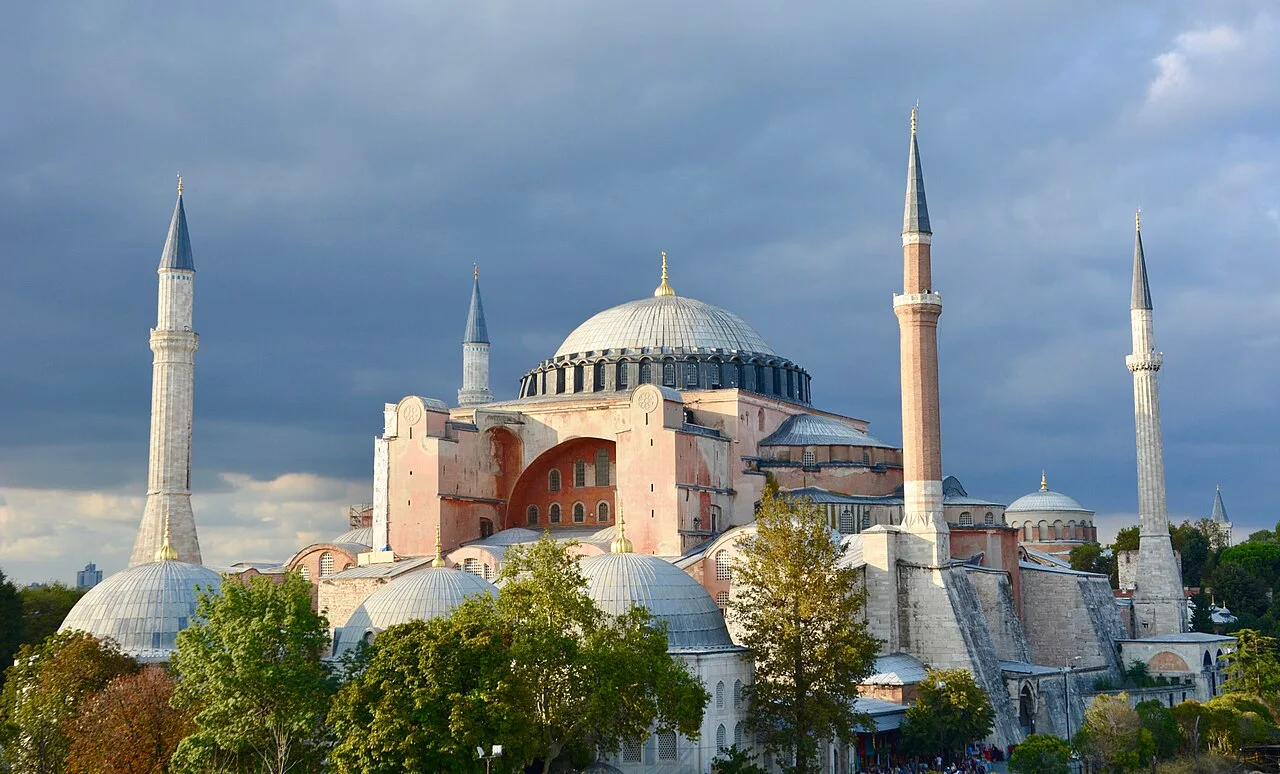
Hagia Sophia stands on the first hill of historic Constantinople (modern Istanbul), overlooking the Bosphorus where it meets the Sea of Marmara and the Golden Horn. The present building is the third church on the site. The first, dedicated under Constantius II in 360, and the second, under Theodosius II in 415, were both destroyed by fire during civil unrest — the second burned in the Nika riots of 532. Within weeks of those riots, the emperor Justinian I commissioned a replacement on a scale never before attempted.
Justinian entrusted the design not to working architects but to two mathematicians: Anthemius of Tralles and Isidore of Miletus. Their solution to roofing an enormous square space with a dome — the pendentive, a curved triangular vault that transitions from a square base to a circular rim — became one of the most influential structural innovations in architectural history. The central dome, 31 metres in diameter and rising 55 metres above the floor, is pierced at its base by 40 windows, so that light pours in at the springing line and the dome appears, in the words of the contemporary historian Procopius, "to be suspended from heaven by a golden chain." The building was completed in an astonishingly short five years, ten months, and was consecrated on 27 December 537.
"Whenever one enters this church to pray, he understands at once that it is not by human power or skill, but by the influence of God, that this work has been perfected."
— Procopius, On Buildings I.1, on Hagia Sophia (c. 560 CE)
The original dome was too shallow and exerted too much outward thrust; it partially collapsed in 558 after earthquakes, and Isidore the Younger rebuilt it steeper and slightly higher. The interior was sheathed in polychrome marble revetment quarried from across the empire and, over subsequent centuries, decorated with gold-ground mosaics depicting Christ, the Virgin, emperors, and saints — many added after the end of the Iconoclasm controversy in 843. For 900 years Hagia Sophia was the cathedral of Constantinople and the ceremonial centre of the Eastern Orthodox world, the setting for imperial coronations.
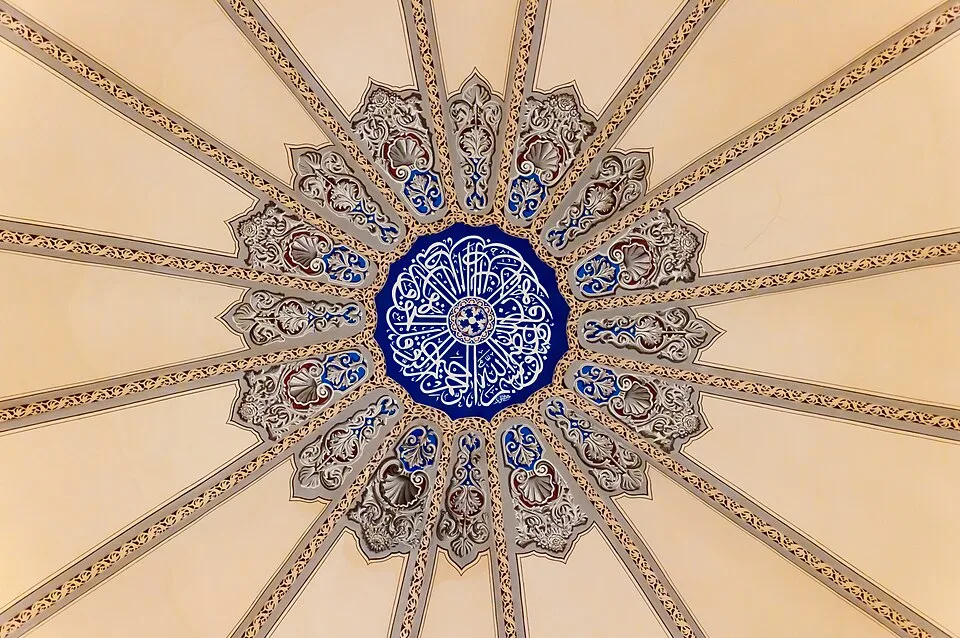
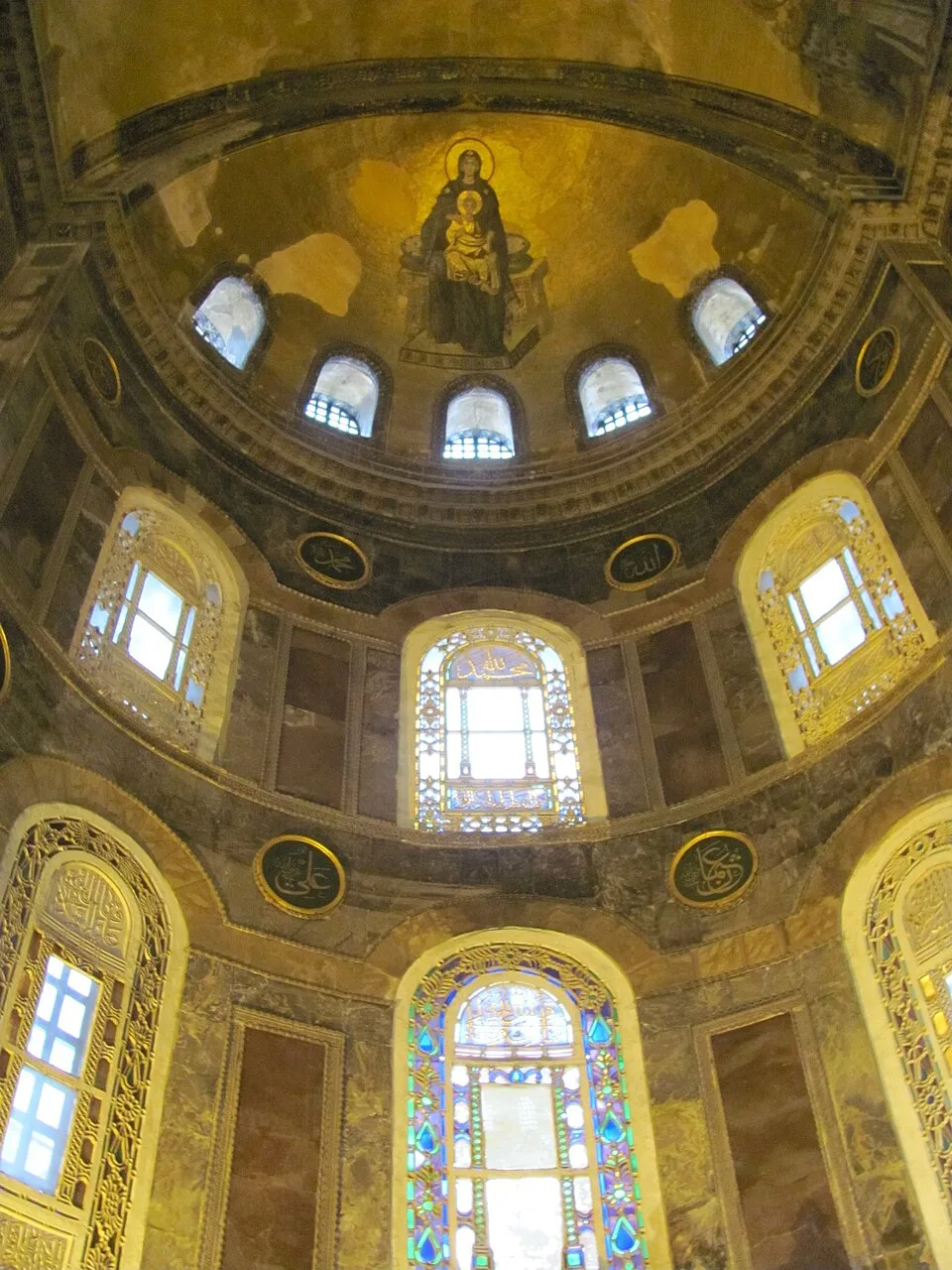
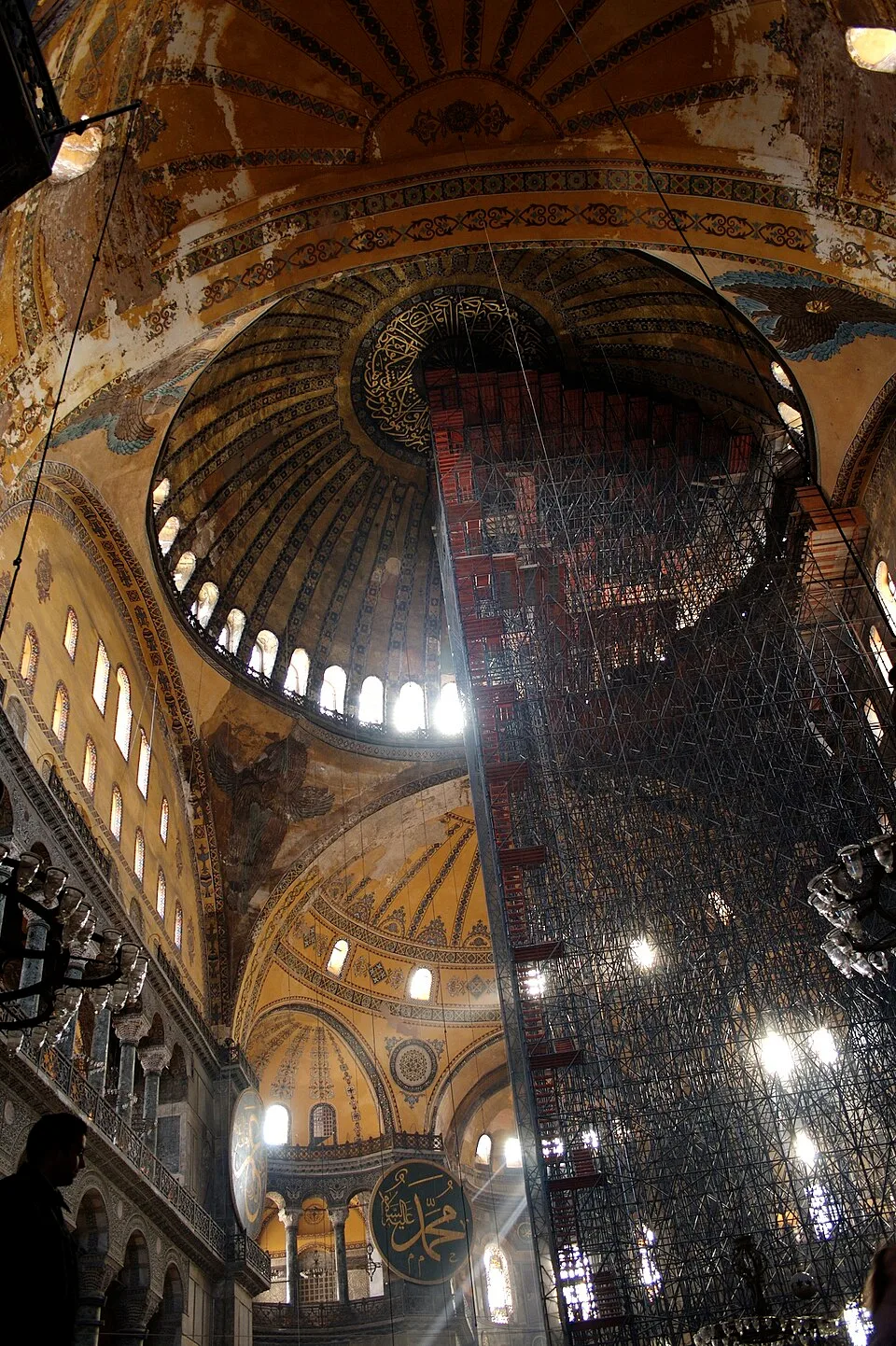
After the Ottoman conquest of Constantinople in 1453, Sultan Mehmed II converted the church into a mosque. Four minarets were added over the following century, the figural mosaics were gradually plastered over, and great calligraphic roundels were hung in the nave. The Ottoman architect Mimar Sinan reinforced the structure with buttresses, ensuring its survival through later earthquakes. In 1934 the secular Turkish republic converted the building into a museum, and conservators uncovered many of the hidden Byzantine mosaics. In 2020 it was reconverted to a working mosque, with the mosaics now veiled during prayer.