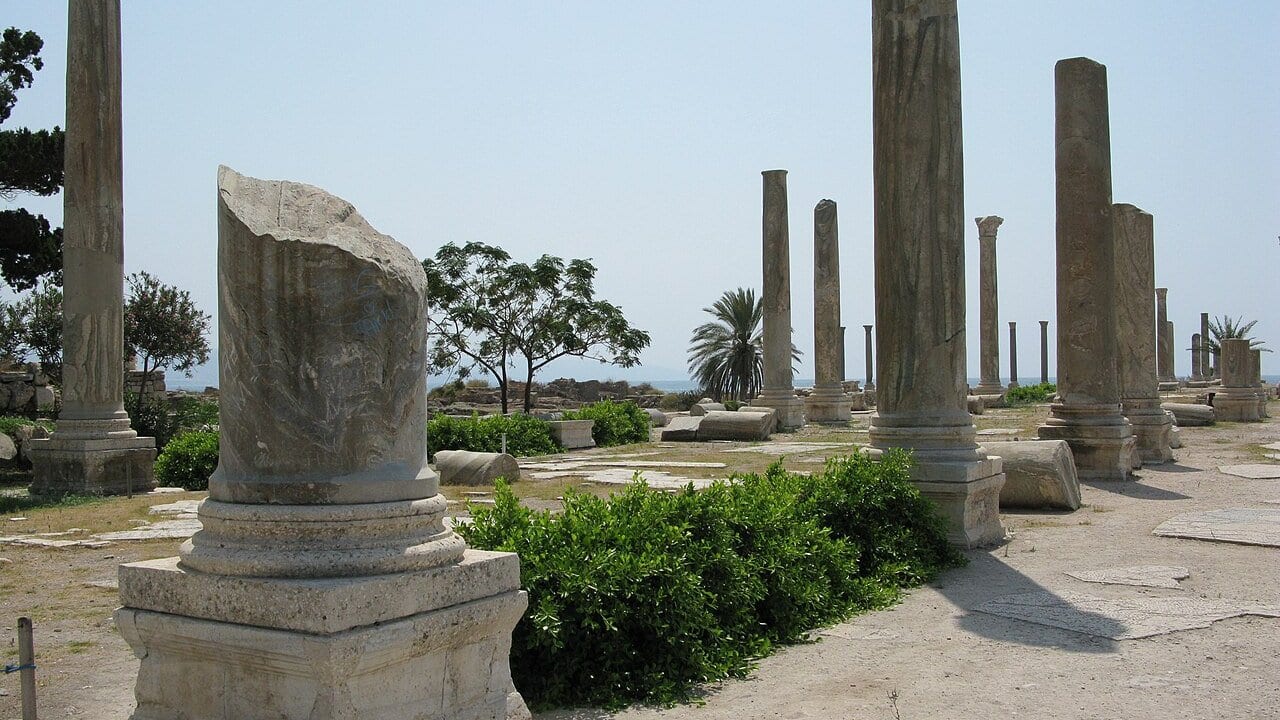
Skip to content
Atlas AnatoliaAtlas Anatolia
Mycenae
Troy
Ithaca
Aït Ben Haddou
Palace of Nestor
指南16 分钟阅读

故事

银幕上的《奥德赛》:荷马旅程背后的十三个真实地点

克里斯托弗·诺兰的《奥德赛》引发新一批观众寻找特洛伊、伊萨卡和涅斯托尔的宫殿。本指南区分电影取景地与考古遗址,将每一个从希萨利克到摩洛哥的阿伊特·本·哈杜的阿特拉斯停靠点串联起来。

Atlas Anatolia

当一位大导演改编荷马的《奥德赛》时,大多数观众未曾造访过的地方搜索量激增:迈锡尼的卫城、特洛伊的土丘、伊萨卡的爱奥尼亚岛屿。一些人会惊讶地发现,银幕上的“特洛伊”可能在摩洛哥,而青铜时代的城市则静候在达达尼尔海峡边。本指南串联了十三个阿特拉斯安纳托利亚遗址,将史诗立足于考古学,然后提及了一些仅限电影的取景地,以便您能区分诗歌、考古和电影。

使用完整的伯罗奔尼撒对比集合,旁边是爱琴海核心,或者打开全部十三个的对比用于课堂作业。

特洛伊:诗歌、赫梯人与摩洛哥的银幕

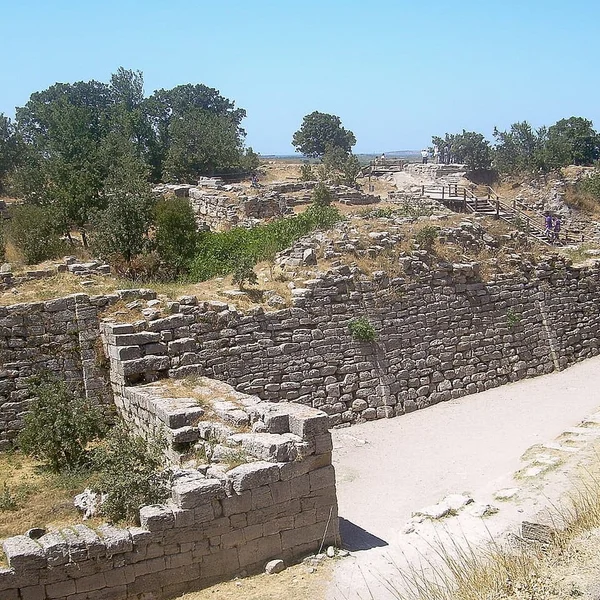
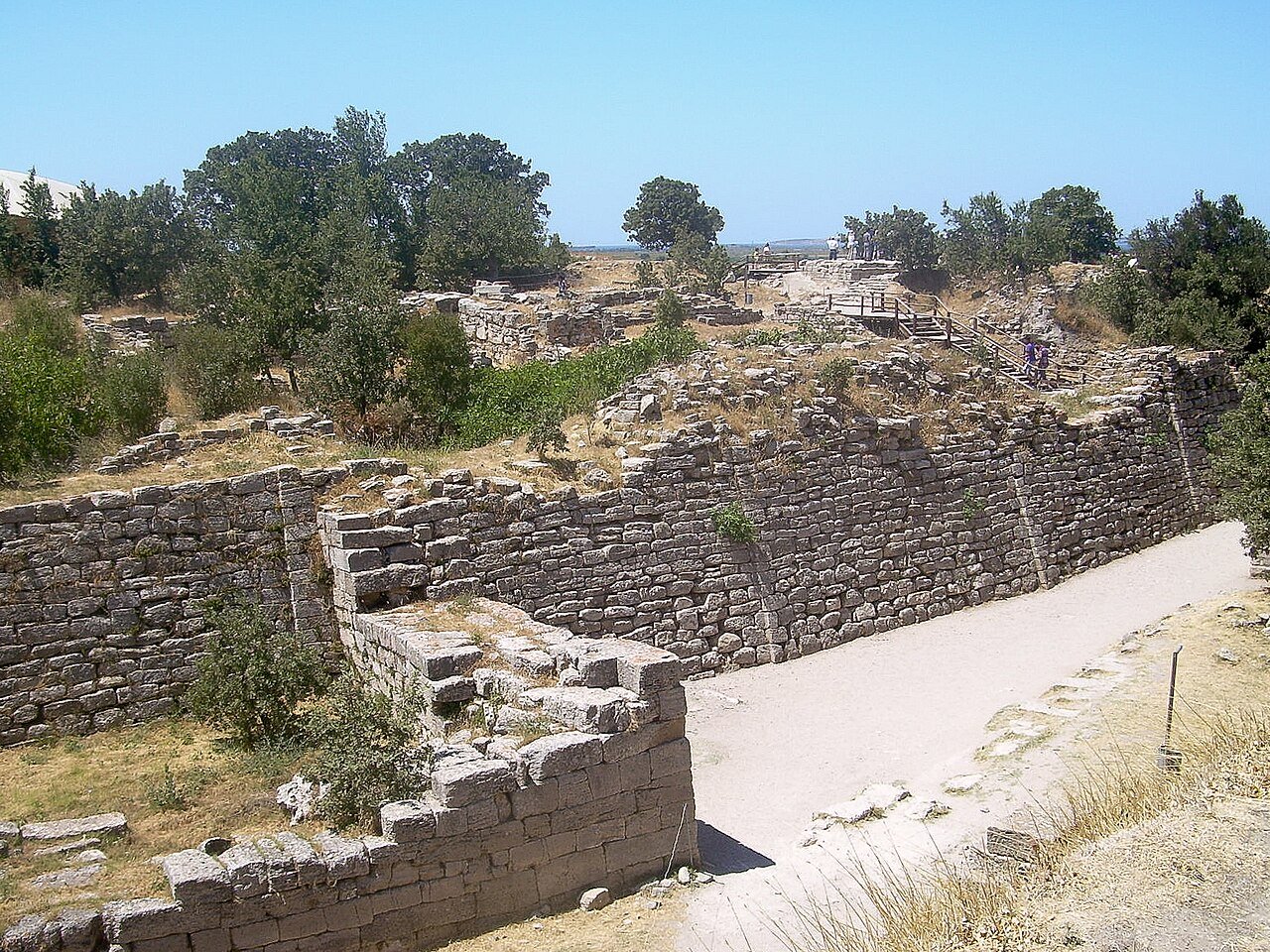
荷马的《伊利亚特》上演了特洛伊战争;《奥德赛》在城邦陷落之后开始。 特洛伊(希萨利克,土耳其)的考古显示有九个定居层。特洛伊VI期和VIIa期符合赫梯文书提及安纳托利亚西北部的维鲁萨的时代。这并非阿喀琉斯和赫克托尔的证据,但证明了强大的国家曾在此交战。

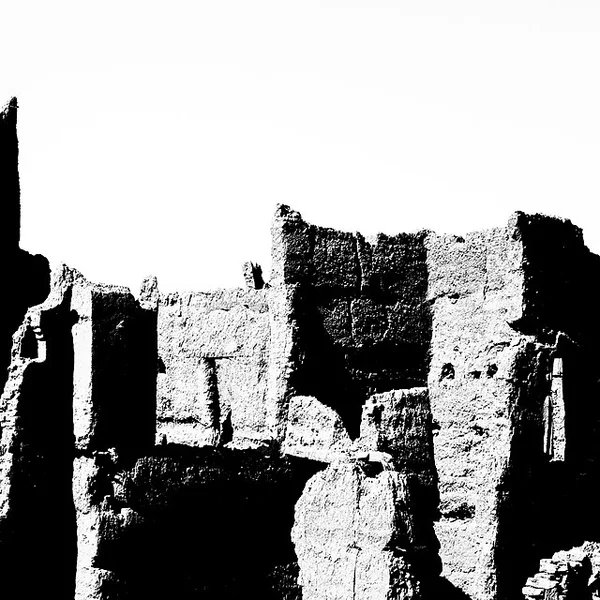
据报道,克里斯托弗·诺兰的《奥德赛》阿伊特·本·哈杜拍摄了有城墙的城市外景,这是一座位于摩洛哥商队路线上的17世纪柏柏尔人城堡。1987年,联合国教科文组织将其列入名录;《角斗士》和许多史诗都用了同一条山脊。给观众的启示:电影中的特洛伊是阿特拉斯阳光下泥砖建成的;出土的特洛伊是赫勒斯滂之上的石头和砖块。如果坦诚地给它们贴标签,两者都值得一游。

迈锡尼时代的希腊:国王、宫殿、城墙

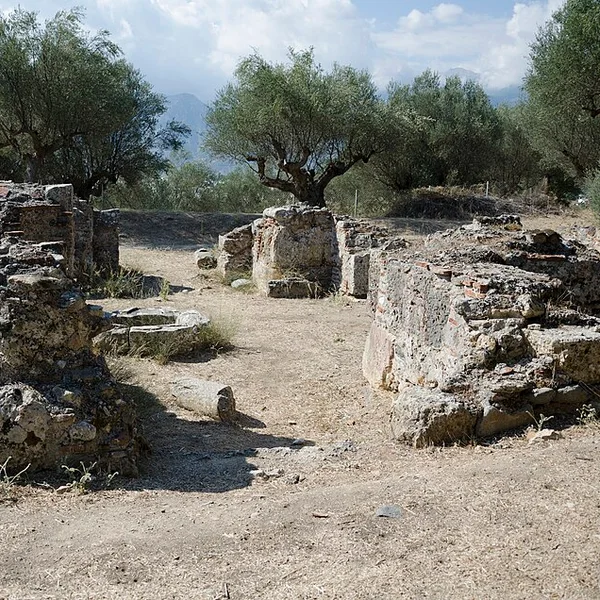
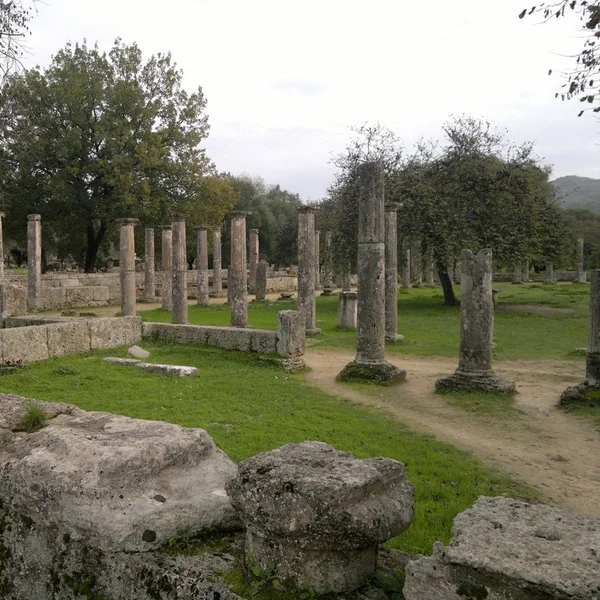
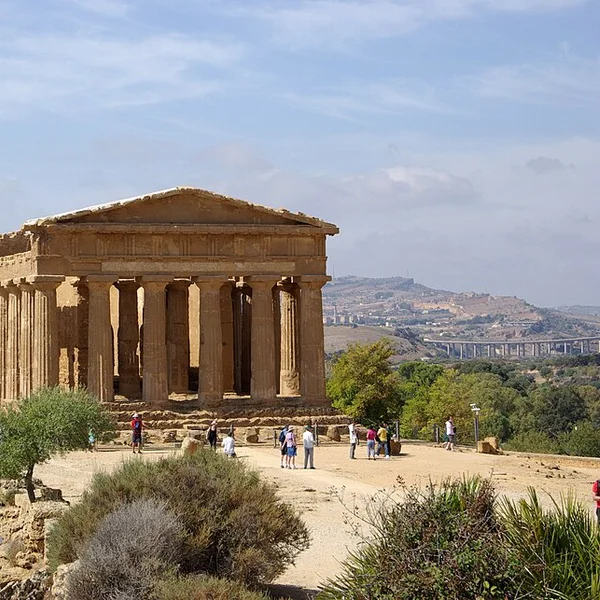
《奥德赛》伊萨卡开场,但年轻的英雄忒勒马科斯前往皮洛斯涅斯托尔询问奥德修斯的消息。位于恩格里亚诺斯的涅斯托尔宫殿是希腊大陆保存最完好的迈锡尼宫殿:壁画、酒窖和约公元前1180年火灾中烘烤成型的线形文字B泥板。

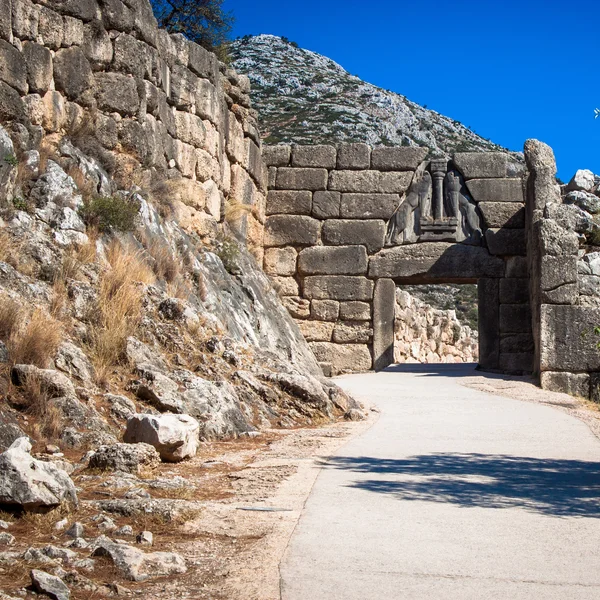
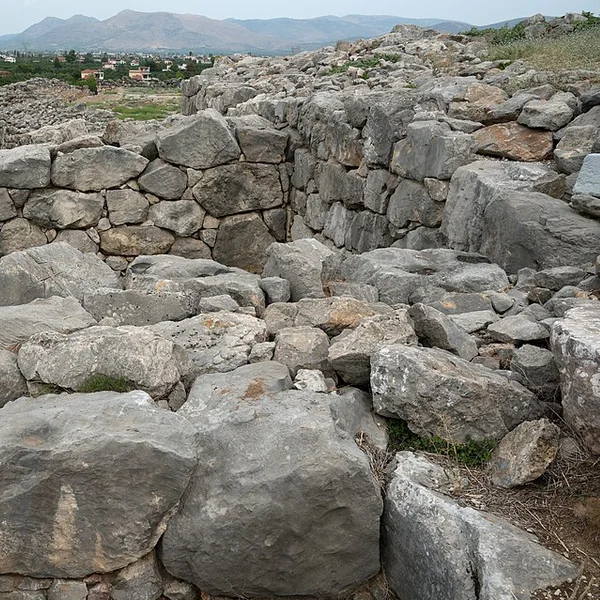
阿伽门农迈锡尼和邻近的梯林斯提供了独眼巨人墙,古希腊人早已认为其雄伟非人力所及。狮子门、墓圈A和圆顶墓塑造了后来所有关于“英雄时代”希腊的形象。 斯巴达,特洛伊传说中海伦和墨涅拉俄斯的家园,留下的石块较少,但仍然是拉科尼亚不可或缺的神话地理。

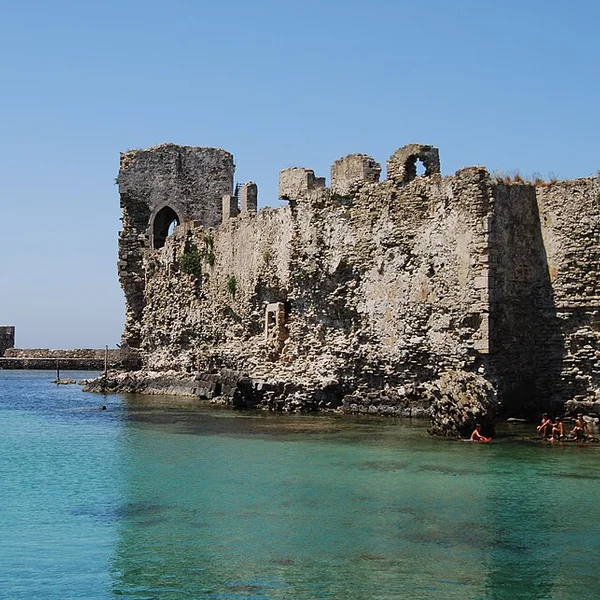
在西南海岸,迈索尼的威尼斯城堡守卫着涅斯托尔王国附近的伊奥尼亚海峡。近期的作品在需要设防港口和美塞尼亚光线时,会探查这条海岸线。

克里特、德尔斐与更广阔的希腊世界

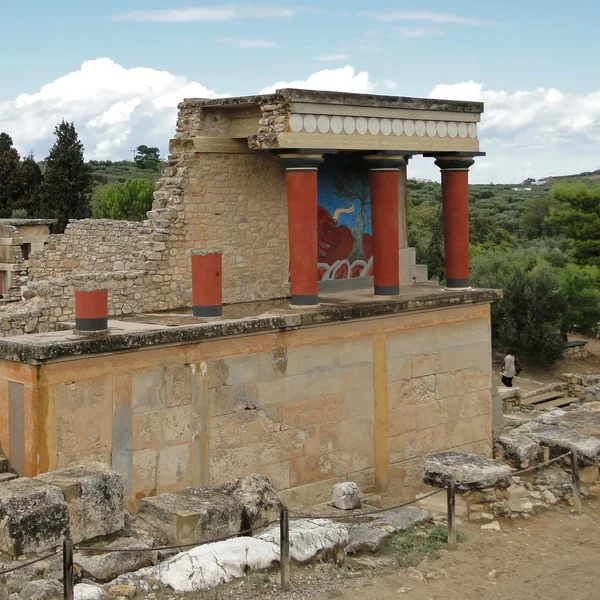
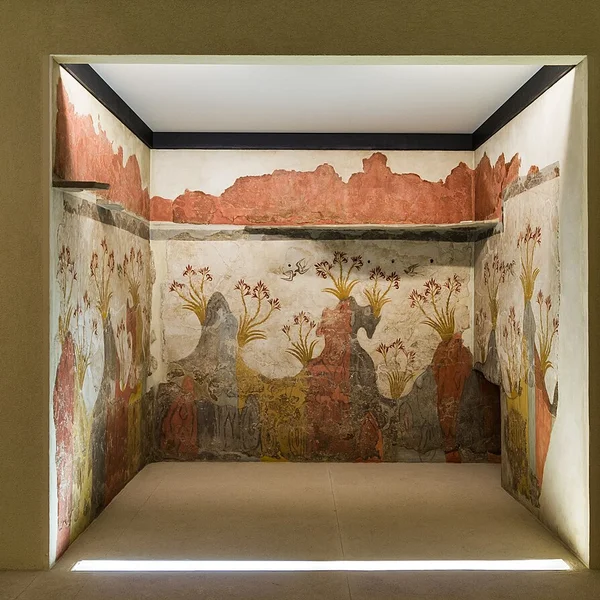
奥德修斯讲述克里特的故事;米诺斯的克诺索斯解释了为何后来的希腊人想象出迷宫般的宫殿和岛上的公牛崇拜。将埃文斯重建的王座室与阿克罗蒂里在锡拉岛的青铜时代城镇相比较,后者被火山灰掩埋,没有现代的混凝土添加物。

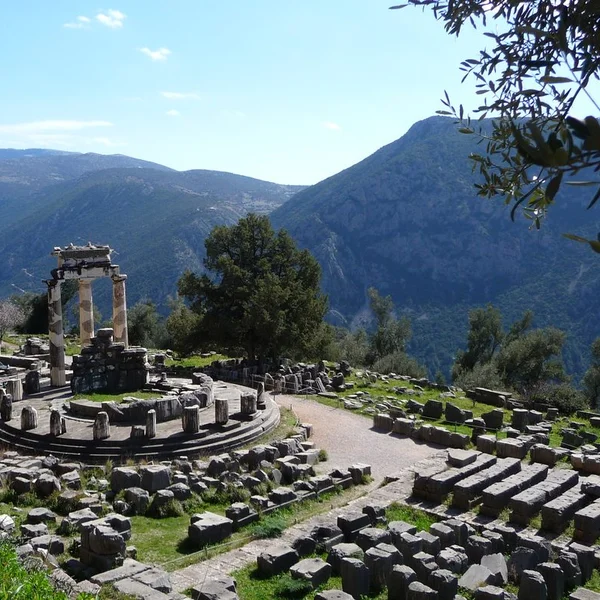
德尔斐在荷马成作之后成为泛希腊神谕所,然而任何现代重述的希腊神话都继承了阿波罗的皮提亚作为命运之声。在地峡上,科林斯阿科科林斯控制着希腊中部与伯罗奔尼撒之间的通道,这种咽喉要地史诗中的水手和商人都要应对,即便诗歌并未提及它们。

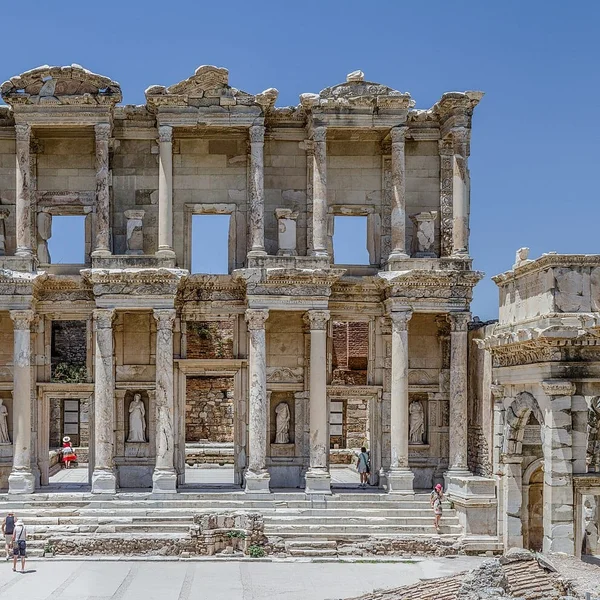
在爱奥尼亚地区的爱琴海对岸,以弗所提醒我们,后来罗马的大理石城市正是崛起于青铜时代希腊人曾经航行的同一海岸线上。岸上短途旅行经常将以弗所和特洛伊串联在同一个假期中。

阿特拉斯之外的电影地理

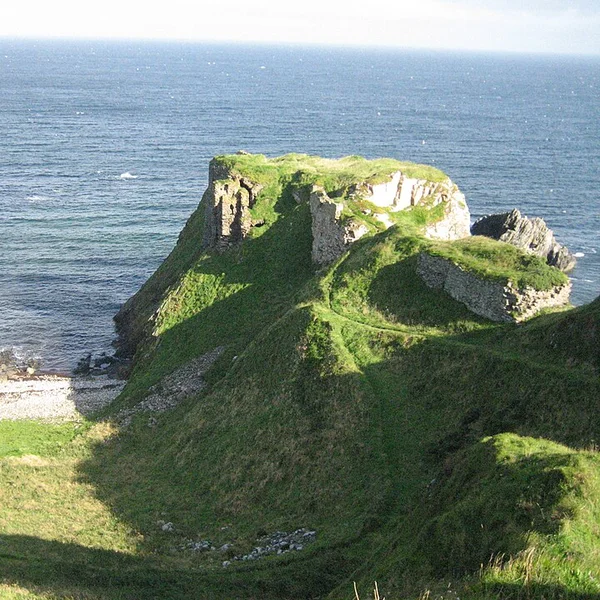
并非诺兰的每个取景地都是考古公园。报道称拍摄小组在西西里(法维尼亚纳充当伊萨卡的替身)、苏格兰(芬德拉特城堡)和冰岛(冥界场景)进行了拍摄。这些风景带来的是氛围,而非线形文字B泥板。阿特拉斯安纳托利亚列出的是考古发掘和遗产地;我们在此提及仅限电影的取景点,以免您将苏格兰的悬崖误认为荷马的港湾。

如何解读每个遗址页面上的证据

阿特拉斯在每个遗址上标注了已确认推断有争议的标签。荷马时代的名称并非自动获得“已确认”标签。当一个页面将维鲁萨与特洛伊联系起来时,那是有赫梯有力证据支持的“推断”。当一座城堡在电影中充当特洛伊时,那是文化事实,而非青铜时代的地层学。

建议路线:特洛伊阿伊特·本·哈杜开始,以校准诗歌与镜头之别。飞往雅典,租车前往迈锡尼、梯林斯、科林斯和阿尔戈利斯,然后向西乘渡轮去伊萨卡和涅斯托尔宫殿。如果还有一周时间,可加上克里特岛的克诺索斯。

延伸阅读:我们的赫梯核心地带故事米诺斯阿克罗蒂里专题深化了荷马人物背后的青铜时代背景。

最后更新:2026年7月

如何引用本页

Atlas Anatolia. (2026). 银幕上的《奥德赛》:荷马旅程背后的十三个真实地点. Atlas Anatolia. https://atlasanatolia.com/zh/stories/odyssey-film-real-places

内容采用 CC BY-SA 4.0 许可——转载时需注明出处。

相关遗址

Mycenae

Mycenae

Greece

Citadel of Agamemnon in the Argolid, its Lion Gate and Grave Circles defining our image of Late Bronze Age Greece. Mycenae commanded the isthmus approaches to the Peloponnese and left Linear B archives, tholos tombs, and Cyclopean walls that Homer already called famous.

Troy

Troy

Türkiye

Nine settlement layers at Hisarlık in northwestern Türkiye, where Heinrich Schliemann dug for Homer's Troy and archaeologists still debate which level matches a historical war. UNESCO listed the site in 1998; renewed interest from epic film adaptations keeps new visitors comparing poetry with stone.

Ithaca

Ithaca

Greece

The Ionian island identified since antiquity as Odysseus's rugged homeland. Archaeological work at Pelikata hill, the Cave of the Nymphs, and Stavros village has recovered Bronze Age and Hellenistic remains that keep alive the question of how closely Homer's geography matches the real archipelago.

Aït Ben Haddou

Aït Ben Haddou

Morocco

A fortified earthen ksar on the old caravan route between the Sahara and Marrakesh, its stacked pisé towers climbing a hillside above the Ounila River. UNESCO listed the ensemble in 1987; filmmakers from Gladiator to recent Trojan epics have used its ridge as a stand-in for ancient walled cities when cameras need sun, dust, and mud-brick authenticity.

Palace of Nestor

Palace of Nestor

Greece

The best-preserved Mycenaean palace on the Greek mainland, built around 1300 BCE at Englianos near modern Pylos. Its archive of Linear B tablets, frescoed halls, and wine storerooms gave archaeologists a vivid picture of Bronze Age administration and made Nestor, Homer's wise elder king of the Odyssey, feel suddenly real.

Tiryns

Tiryns

Greece

A Mycenaean citadel east of Argos famous for its Cyclopean walls, corbel-vaulted galleries, and the myth of Heracles. UNESCO lists Tiryns alongside Mycenae; its fortifications impressed ancient visitors so deeply that legend credited giants with the masonry.

Sparta

Sparta

Greece

Capital of ancient Lacedaemon, the militarised polis that rivals Athens in legend and Hollywood. Archaeological remains are sparser than Corinth or Mycenae, yet the acropolis, theatre, and sanctuary of Artemis Orthia ground the stories of Helen, Menelaus, and the warriors who march through Homer's Trojan War.

Methoni

Methoni

Greece

A fortified harbour town on the southwestern tip of the Peloponnese, crowned by a Venetian castle whose sea gate opens onto the Ionian. Methoni guarded routes to Italy and the Crusader East; its walls and Bourtzi tower still frame the channel where Bronze Age traders and modern film crews alike seek the open sea.

Knossos

Knossos

Greece

Largest Bronze Age palace on Crete, centre of Minoan court life, fresco painting, and labyrinth myth. Arthur Evans's reconstructions remain controversial, yet the core of the West Court, Grand Staircase, and storage magazines reveals a complex that shaped how we picture Aegean prehistory.

Akrotiri

Akrotiri

Greece

A Bronze Age Aegean city on Santorini buried by one of the largest volcanic eruptions in human history c. 1600 BCE, preserving multi-storey buildings, vivid frescoes, and stone-paved streets in near-intact condition.

Delphi

Delphi

Greece

Sanctuary of Apollo on the slopes of Mount Parnassus, seat of the Pythia whose oracles shaped Greek colonisation, warfare, and personal choices. Treasury buildings, a theatre, and the stadium crown the site where Greeks imagined the omphalos, the navel of the world.

Ancient Corinth

Ancient Corinth

Greece

Wealthy classical city at the Isthmus gateway between mainland Greece and the Peloponnese, famed for the Temple of Apollo, the diolkos ship-track, and Paul's letters. Ruins at the forum, theatre, and harbour of Lechaion show why Corinthians traded, preached, and fought across the Mediterranean.

Acrocorinth

Acrocorinth

Greece

The sheer citadel hill towering 575 metres above ancient Corinth, fortified continuously from the Bronze Age through Venetian and Ottoman times. Whoever held Acrocorinth controlled the Isthmus of Corinth and, with it, overland traffic between southern Greece and the rest of the mainland.

Ephesus

Ephesus

Türkiye

Major Ionian city near modern Selçuk, once home to the Temple of Artemis and later a Roman metropolis of marble streets, terrace houses, and the Library of Celsus. Paul's epistles and pilgrimage routes kept Ephesus famous after the ancient harbour silted away.

喜欢这篇故事吗?

每月将一篇类似故事发送到您的邮箱。随时可取消订阅。

每月最多发送一封邮件。我们绝不出售您的邮箱地址。

更多故事