Skip to content
Atlas Anatolia
Dig
NewsNeolithic malachite and copper workshop exposed at Çayönü Tepesi, ErganiNature lidar survey estimates tens of thousands of earthworks in southwest Amazonia
Roman theatre at Butrint overlooking the Vivari Channel, Albania

Wikimedia Commons (CC BY-SA 3.0)

CityUNESCOFeatured

Butrint

800 BCE – 1600 CE

A multi-layered coastal city on the Vivari Channel in southern Albania, with a Greek sanctuary, Roman theatre and baths, a baptistery with mosaic pavement, and Byzantine fortifications. UNESCO-listed as one of the Mediterranean’s densest archaeological palimpsests.

111
Interest 59

Location

Albania

39.75°N · 20.02°E · Europe

UNESCO

Inscribed 1992 (extended 1999)

Theatre capacity

c. 2,500 seats (Hellenistic–Roman)

Classic excavator

Luigi Maria Ugolini, 1928–1939

Setting

Peninsula on the Vivari Channel opposite Corfu

Butrint is Albania’s flagship Greco-Roman site and a rare place where Greek colony, Roman municipium, late antique bishopric, and Venetian outpost can be walked in one circuit.”

Location

Overview

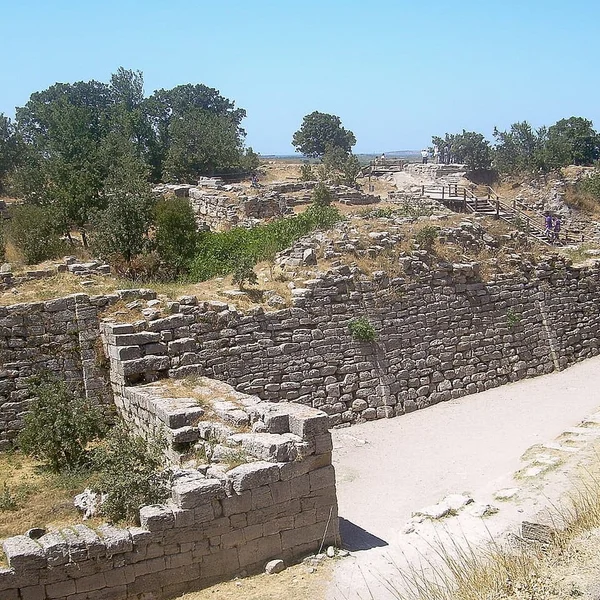
Butrint occupies a low peninsula where Lake Butrint meets the Ionian Sea, opposite Corfu. Greek settlers founded a sanctuary of Asclepius by the 4th century BCE; the town appears in Vergil’s Aeneid as Buthrotum. Under Rome it became a colony under Augustus, with a theatre seating about 2,500, a forum, aqueducts, and lavish bath complexes. Late antique churches and a large baptistery with a circular mosaic of peacocks and vines mark Christian Butrint. Venetian and Ottoman walls crown the acropolis.

Modern excavation began with Luigi Maria Ugolini’s Italian mission in the 1920s–30s. After 1991 Albanian–British teams under the Butrint Foundation and Institute of Archaeology clarified the urban sequence, harbour siltation, and the medieval castle. Finds include Latin inscriptions, sculpture, and evidence for olive-oil and fish processing.

The landscape is as important as the monuments: a submerged Roman road, wetlands that once fed fisheries, and the triangular fortress that controlled the channel. Pair Butrint with Delphi for sanctuary urbanism and with Ostia Antica for a Roman harbour town that also silted into quiet ruin.
Why It Matters

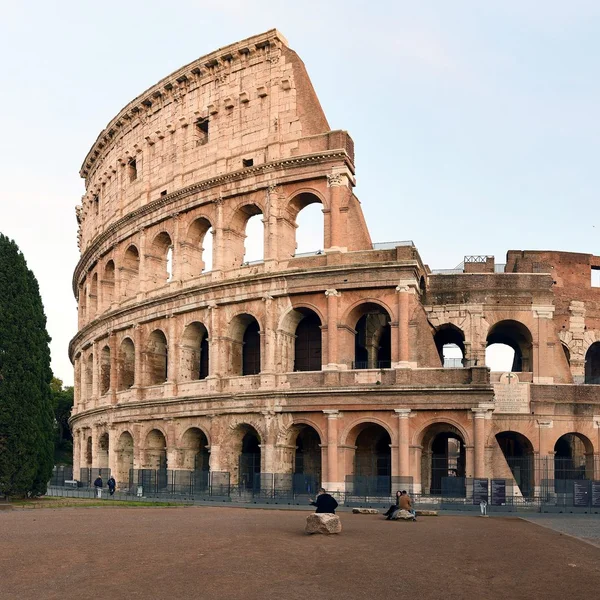
Butrint is Albania’s flagship Greco-Roman site and a rare place where Greek colony, Roman municipium, late antique bishopric, and Venetian outpost can be walked in one circuit. It anchors the Adriatic–Ionian corridor that linked Epirus to Italy—underrepresented in atlases that stop at Olympia or Pompeii.

Evidence & Interpretation

Distinguishing what is well-established from what remains debated.

Well-Established Facts

1
  • Epigraphic and architectural evidence document a Greek Asclepieion, Augustan colonia, and late antique baptistery with mosaic pavement.

Scholarly Inferences

1
  • Harbour siltation and wetland expansion after late antiquity partly explain the city’s decline as a commercial port.

Debated Interpretations

1
  • How far Vergil’s Buthrotum reflects local Trojan-foundation myths versus Augustan literary branding remains contested.

More Photos

Community Photos

Share your experience

Have you visited this site? Upload your photos to help others discover it.

How to cite this page

Atlas Anatolia. (800). Butrint. Atlas Anatolia. https://atlasanatolia.com/site/butrint

Content licensed CC BY-SA 4.0 — attribution required when reusing.

Sources

  • Eternal Butrint: A UNESCO World Heritage Site in AlbaniaHodges, Richard (2006)
  • ButrintUNESCO (1992)Link

Frequently Asked Questions

Where is Butrint located?

Butrint is located in Albania.

How old is Butrint?

Butrint dates to approximately 800 BCE – 1600 CE.

Which civilizations are associated with Butrint?

Butrint is associated with the Greek, Roman, Byzantine.

Why is Butrint important?

Butrint is Albania’s flagship Greco-Roman site and a rare place where Greek colony, Roman municipium, late antique bishopric, and Venetian outpost can be walked in one circuit.

Is Butrint a UNESCO World Heritage Site?

Yes — Butrint is inscribed as a UNESCO World Heritage Site.