Overview
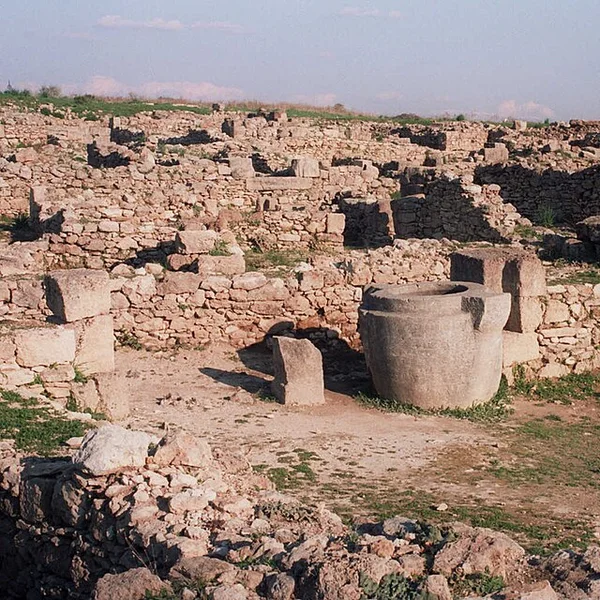
Byblos (Arabic Jbeil) sits on a coastal promontory about 40 km north of Beirut. Pottery Neolithic and Chalcolithic levels underlie Early Bronze Age ramparts and temples that traded cedar and resin with Old Kingdom Egypt—Byblos appears in Egyptian texts as Gubla. The Middle Bronze “Temple of the Obelisks” yielded hundreds of bronze figurines. Phoenician Byblos developed an early alphabetic tradition; royal inscriptions of kings such as Ahiram (sarcophagus, now in Beirut) are landmarks of West Semitic epigraphy.
Persian, Hellenistic, Roman, and Crusader layers stack on the tell: a Roman colonnade and theatre, a Crusader castle built from reused ancient stone, and a medieval harbour. Maurice Dunand’s long French excavations (1920s–1960s) established the ceramic sequence still cited across the Levant. Modern Jbeil’s old town wraps the archaeological park, so ancient and living streets share the same peninsula.
Pair Byblos with Ugarit for Late Bronze literacy and with Baalbek for Lebanon’s monumental Roman layer atop older Levantine roots.