

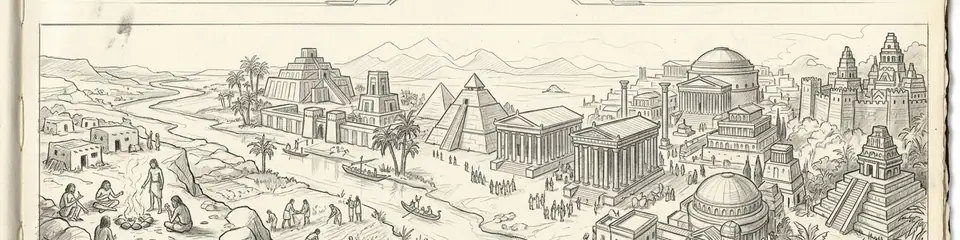
From the first cities of Sumer and Egypt to the rise of Rome, Han-era China, and the Maya, the ancient civilizations timeline reveals when complex societies emerged, overlapped, and transformed across the ancient world. Most timelines you'll find treat this as a list — a country-by-country slideshow. This one is built differently: every civilization below is anchored to a real, excavated site in Atlas Anatolia's own database of 330+ archaeological sites, with exact dates rather than rounded-off eras, so you can see not just when something happened but where it still stands today.
An ancient civilizations timeline is a chronological map of the first major human societies — their founding dates, their defining achievements, and the centuries when they overlapped with (and influenced) each other. It matters because history taught region-by-region hides the most interesting part: Sumer, the Indus Valley, and early Egypt were all building cities within a few centuries of each other, on three different continents, with no contact between them. This guide is for history enthusiasts, students, and researchers who want a globally balanced, evidence-anchored introduction to the ancient world — not just the Mediterranean.
"Civilization is not a single torch passed hand to hand — it is many hearths lit, quenched, and lit again across ten millennia."
— Editorial framing for Atlas Anatolia's deep-time timeline
Quick Reference: Ancient Civilizations at a Glance
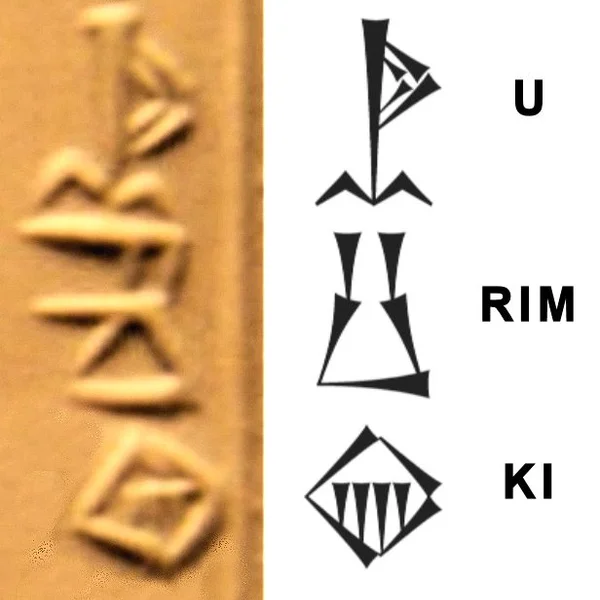
- Sumer (Mesopotamia) — c. 5000–2000 BCE. The first cities and the first writing system, cuneiform. Uruk alone was continuously significant from roughly 5000 BCE to 200 CE — a 4,700-year span, the longest of any city on record.
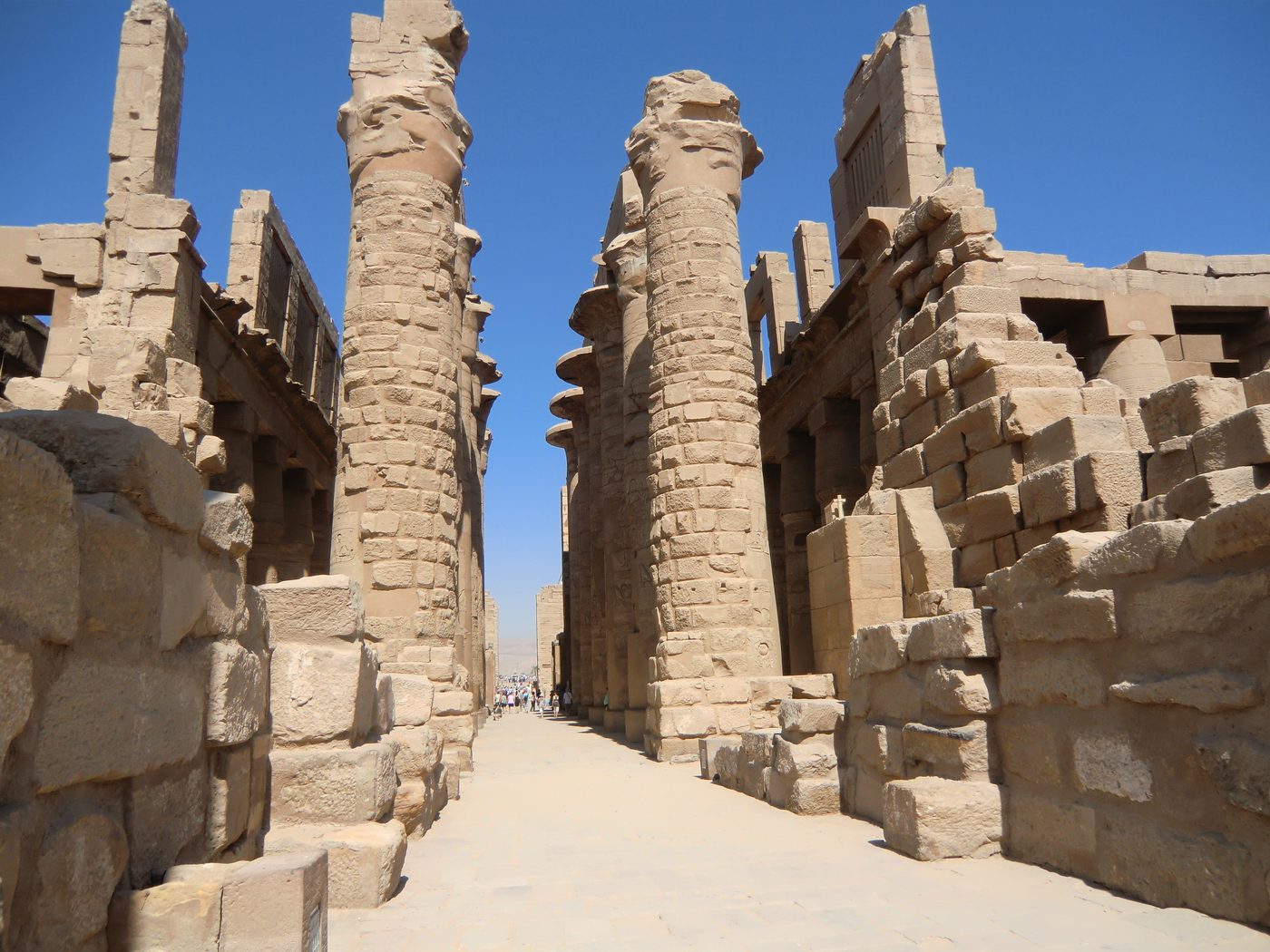
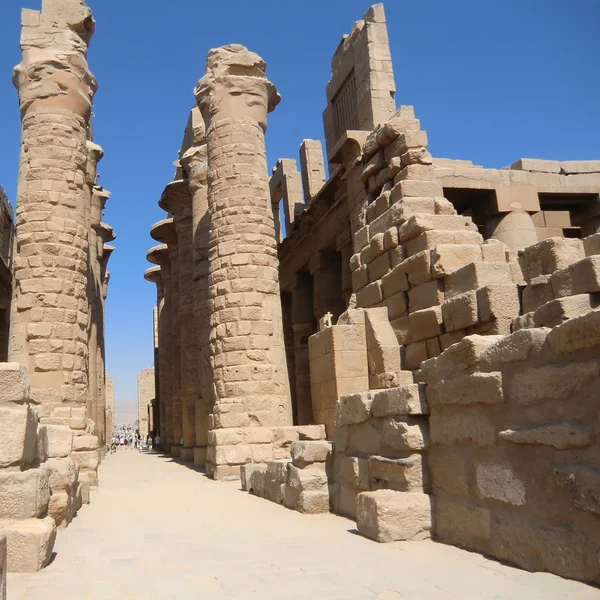
- Ancient Egypt — c. 3100 BCE–30 BCE. Unified under one king around 3100 BCE; built the world's oldest surviving temple complex at Karnak, begun around 2055 BCE.
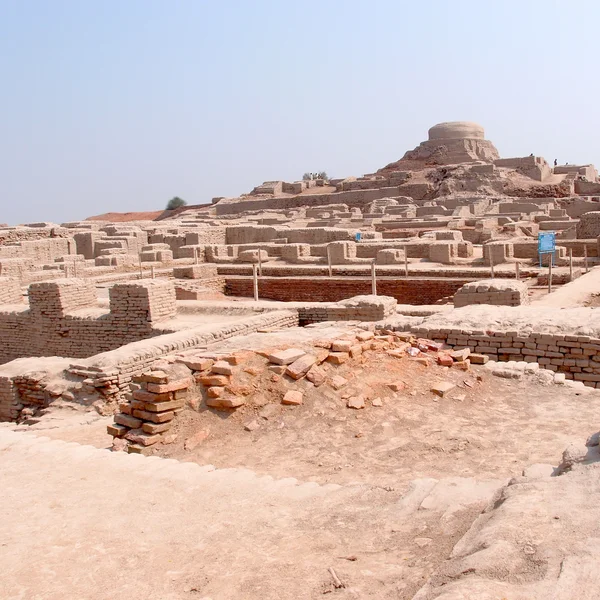
- Indus Valley Civilization — c. 2600–1900 BCE. Planned cities with covered drains and standardized bricks at Mohenjo-daro and Harappa, centuries before Rome existed.
- Shang China — c. 1600–1046 BCE. China's first confirmed dynasty, known through oracle-bone inscriptions found at Yin Xu, its final capital.
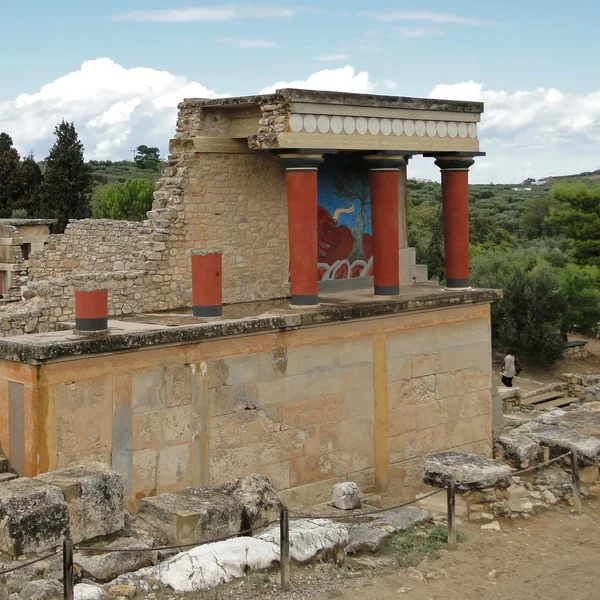
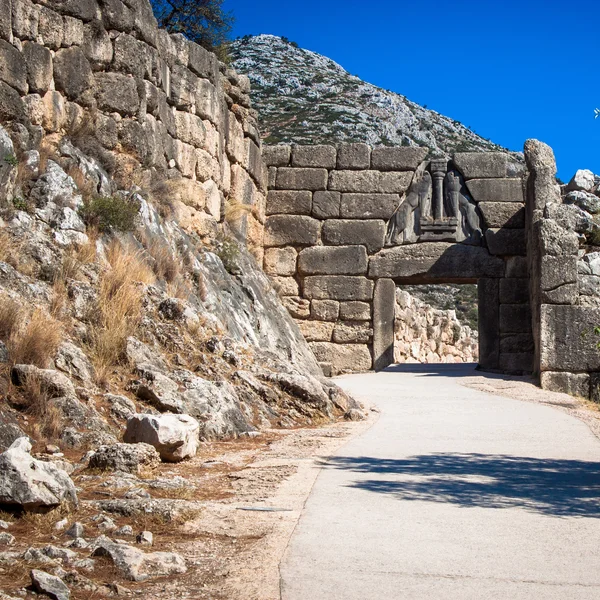
- Minoan and Mycenaean Greece — c. 1900–1100 BCE. Palace societies on Crete and the mainland, centered on sites like Knossos and Mycenae, which collapsed abruptly around 1100 BCE.
- Phoenicia — c. 1200–332 BCE. Mediterranean traders whose alphabet became the ancestor of Greek, Latin, and eventually the one this sentence is written in.
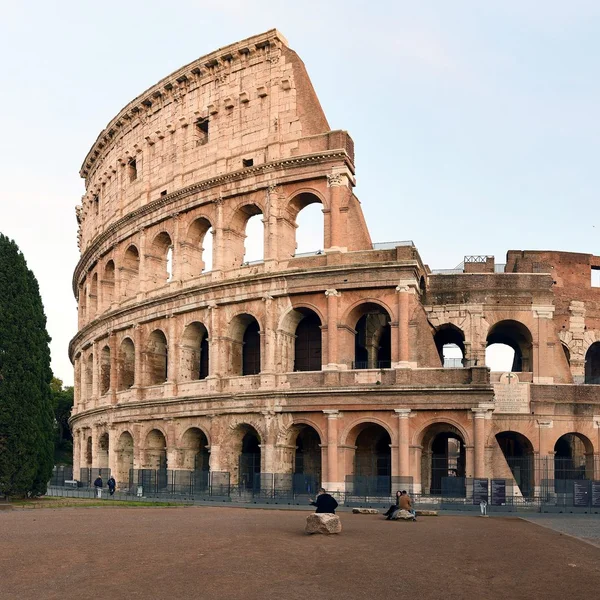
- Classical Greece and Rome — c. 800 BCE–476 CE. From the Greek city-state to an empire that built the Colosseum, still the most-visited ancient site on Earth.
- Kush and Nubia — c. 2500 BCE–350 CE. A parallel African tradition of cities and pyramids south of Egypt, centered on Kerma and later Meroë.
- Caral-Supe (Andes) — c. 3000–1800 BCE. Urban society in Peru contemporary with early Egypt, built without pottery, writing, or apparent warfare.
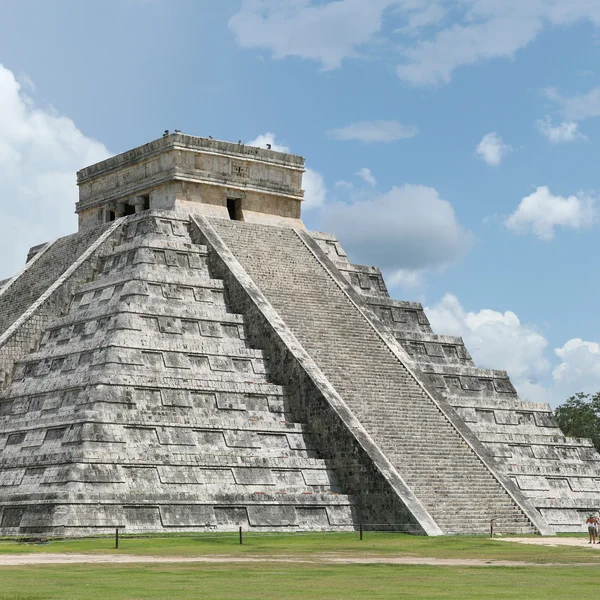
- Olmec and Maya (Mesoamerica) — c. 1400 BCE–900 CE. Cities like Palenque, Tikal, and Chichén Itzá built independently of every civilization above.
Cronologia interattiva
Simultaneità globale: chi visse nello stesso periodo?
Tocca una civiltà per evidenziare le società contemporanee negli altri continenti. Nota come le prime città in Mesopotamia, Egitto, Perù e Asia meridionale siano emerse a pochi secoli di distanza l'una dall'altra senza contatti.
Sumer (Mesopotamia)
Vicino Oriente5000 a.C. a 2000 a.C.
Ha dato origine alle prime città fortificate del mondo e alla scrittura cuneiforme su tavolette d'argilla.
Coesistevano nello stesso periodo in altre regioni:
Siti archeologici di riferimento scavati in Atlas Anatolia:
Gobekli Tepe 2 | Teomancimit (CC BY-SA 3.0)
From Villages to City-States: How Civilization Began
!Templo de Karnak, Luxor, Egipto, 2022-04-03, DD 168
Templo de Karnak, Luxor, Egipto, 2022-04-03, DD 168 | Diego Delso (CC BY-SA 4.0)
"Civilization" is a loaded word, and historians argue about it constantly — but most agree on a working definition: a society with cities, a system of writing or record-keeping, centralized political authority, and enough surplus food to support people who don't farm (priests, soldiers, administrators, artisans). By that definition, civilization didn't start in one place. It started in at least four, on four different continents, within a few thousand years of each other, with no contact between them.
Göbekli Tepe Birthing Women | Bernietaylor (CC BY 4.0)
The pattern that repeats across every early civilization is a river valley. The Tigris and Euphrates in Mesopotamia, the Nile in Egypt, the Indus in South Asia, and the Yellow River in China all flood predictably enough to irrigate large areas, which produces the food surplus that lets a population stop farming full-time. More people in one place means more division of labor, and division of labor is what eventually produces writing, law, and monumental architecture. It's worth noting that the oldest monumental structure Atlas Anatolia tracks predates all of this by thousands of years: Göbekli Tepe, built by hunter-gatherers around 9600 BCE, before agriculture existed at all — a reminder that the story of "civilization" has a much stranger prologue than the textbook version admits.
Mesopotamia and Egypt: The First Documented Civilizations
Parthenon from south | Thermos (CC BY-SA 2.5)
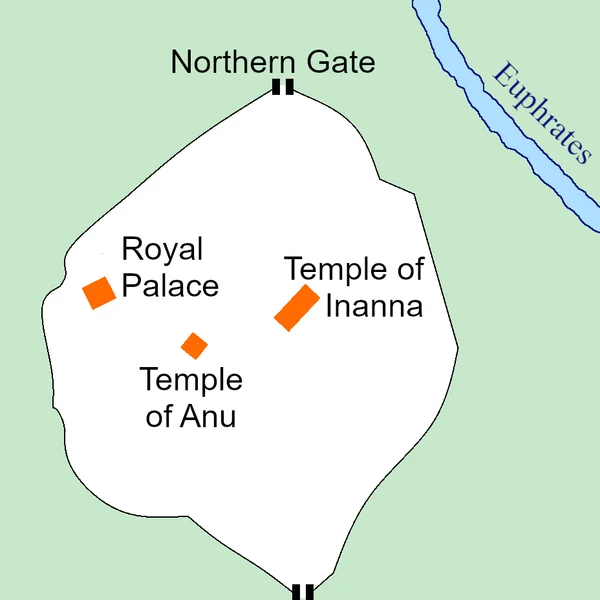
Sumer, in southern Mesopotamia, produced the first cities anyone can point to on a map. Uruk — occupied from roughly 5000 BCE to 200 CE, a span so long it's still the oldest continuously significant city site in Iraq tracked in this database — had grown into a walled metropolis of tens of thousands of people by 3100 BCE, with the world's first writing system, cuneiform, developed there to track grain and labor. To the north, Ur held the region's longest continuously occupied record, spanning from around 3800 BCE to 500 BCE — over three thousand years under Sumerian, Akkadian, Babylonian, and Persian rule in turn.
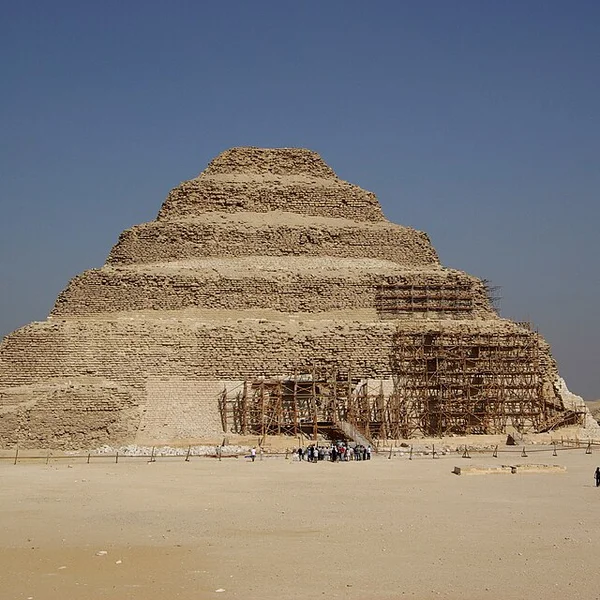
Egypt unified around 3100 BCE, when a king (traditionally called Narmer or Menes) brought Upper and Lower Egypt under one crown. What followed was one of history's longest-running political traditions: roughly 3,000 years of pharaonic rule, punctuated by three "Kingdoms" of stability separated by periods of fragmentation. Karnak, on the Nile at Thebes, was begun around 2055 BCE and expanded continuously by successive pharaohs for the next two thousand years — it holds the record as the oldest temple complex in the world still standing. Nearby, Saqqara served as Egypt's necropolis for even longer, from roughly 3100 BCE into the Coptic period after 700 CE, making it the oldest necropolis in the world by continuous use.
Both civilizations were "documented" in a way nothing before them was: their writing survives, so we know their kings' names, their laws, and in Egypt's case, detailed religious texts. That's why textbooks start here — not because nothing came before, but because this is where the written record starts talking back.
The Indus Valley, Early China, and the Spread of Bronze Age States
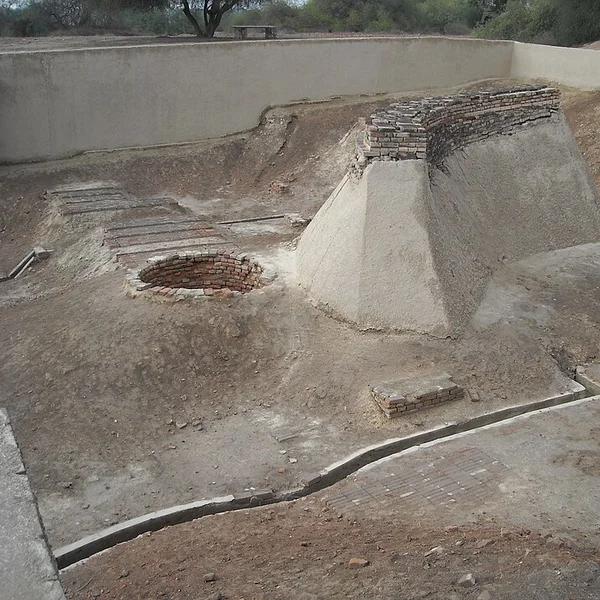
Roughly thirteen hundred kilometers east of Mesopotamia, and almost certainly without any contact with it, the Indus Valley Civilization was building its own cities on an even larger footprint. Mohenjo-daro and Harappa — both occupied from around 2600 to 1900 BCE — had covered drainage systems, standardized brick sizes across a territory larger than either Egypt or Mesopotamia, and a script that, four thousand years later, still hasn't been deciphered. There's no evidence of palaces, temples, or royal tombs at either site, which has led some archaeologists to argue the Indus cities may have been governed collectively rather than by kings — a genuinely open question in a field that rarely admits it doesn't know something.
In China, the Shang dynasty (c. 1600–1046 BCE) is the earliest one confirmed by contemporary writing rather than later legend. That confirmation comes from Yin Xu, the Shang's final capital near modern Anyang, where inscribed "oracle bones" — turtle shells and ox bones cracked by heat and read for omens — record royal questions to ancestors about harvests, warfare, and childbirth. Yin Xu also holds an unusually specific record in this database: it's known by more historical names than almost any other site tracked, a reflection of just how many dynasties and scholarly traditions have referred back to it since.
None of this happened by diffusion from Mesopotamia. Bronze-working, writing, and urban planning developed independently in each region — the clearest evidence that "civilization" is a repeatable human outcome, not an invention that spread from a single point.
The Mediterranean World: Greece, Phoenicia, and Rome
The Aegean's first complex societies were the Minoans on Crete and the Mycenaeans on the Greek mainland, both palace economies that flourished between roughly 1900 and 1100 BCE. Knossos, the largest Minoan palace, and Mycenae — the oldest continuously significant city site in Europe this database tracks — both used early scripts (Linear A, still undeciphered, and Linear B, which turned out to be an early form of Greek). Both collapsed within a generation of each other around 1100 BCE, part of a wider Late Bronze Age collapse that also ended the Hittite Empire in Anatolia — a story told in more depth in From Hattusha to Troy. One Minoan settlement, Akrotiri, survives in unusual detail because it was buried by a volcanic eruption before the wider collapse — effectively a time capsule of the world that was about to disappear.
Phoenicia's cities on the Levantine coast never built an empire in the way Egypt or Rome did, but their most consequential export wasn't a product — it was an alphabet. The Phoenician script, developed to keep trade accounts across a Mediterranean-wide shipping network, was adopted and adapted by the Greeks, who passed it to the Etruscans, who passed it to Rome, which is why the letters on this page trace back to ninth-century-BCE Levantine merchants.
Classical Greece (c. 800–323 BCE) formalized philosophy, democracy, and drama in city-states that never unified politically but shared a language and religion. Rome absorbed most of that inheritance after conquering the Greek world, then built an empire that, at its peak, controlled the entire Mediterranean basin. Its most recognizable monument, the Colosseum, completed in 80 CE, is — by a wide margin — the most-visited ancient site on Earth today, a rare case where ancient fame and modern fame are the same thing.
Civilizations in Africa, the Americas, and Beyond the Old World Core
Most popular timelines stop at Mesopotamia, Egypt, Greece, and Rome — four civilizations, three of them within a thousand kilometers of each other. That's not a complete picture of the ancient world; it's a Mediterranean-centered slice of it. At least three other traditions were building comparably sophisticated societies with no contact with the "core" four at all:
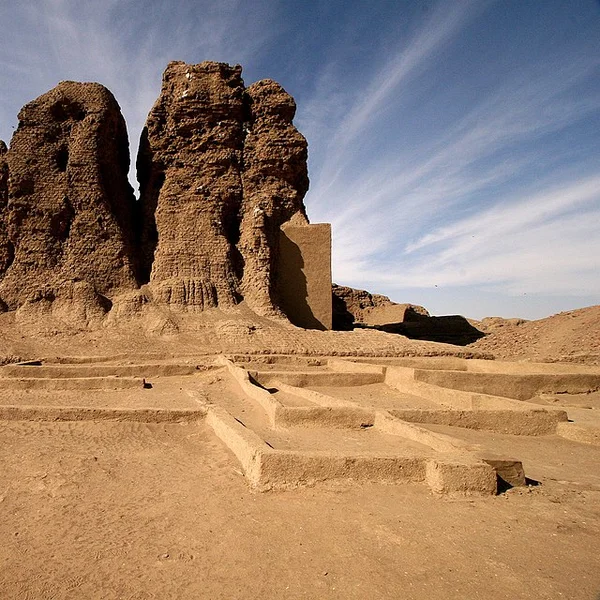
Sudan
Kerma
The capital of one of the earliest and most powerful kingdoms of ancient sub-Saharan Africa — a Nubian city on
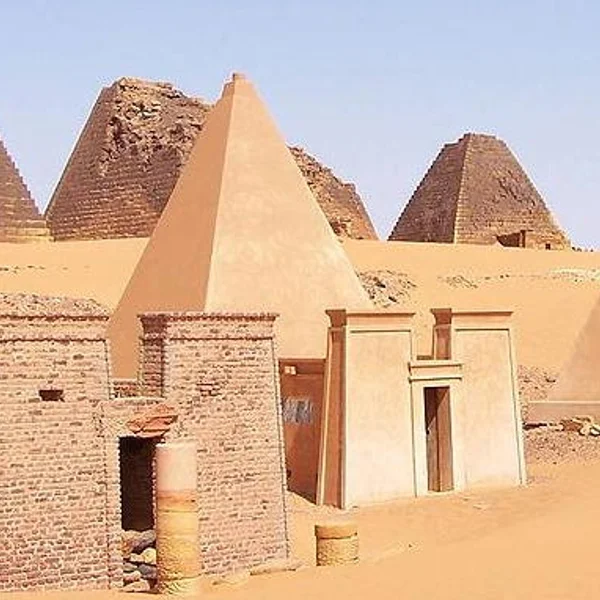
Sudan
Meroë
Ancient capital of the Kingdom of Kush, Meroë flourished from 800 BCE to 350 CE, famed for its steep-sided pyr
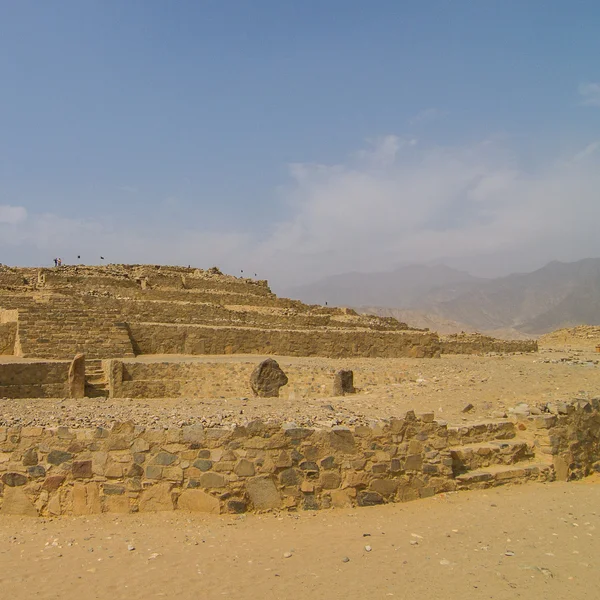
Peru
Caral
Caral, a 5,000-year-old urban center in Peru, features monumental pyramids and circular plazas, revealing comp
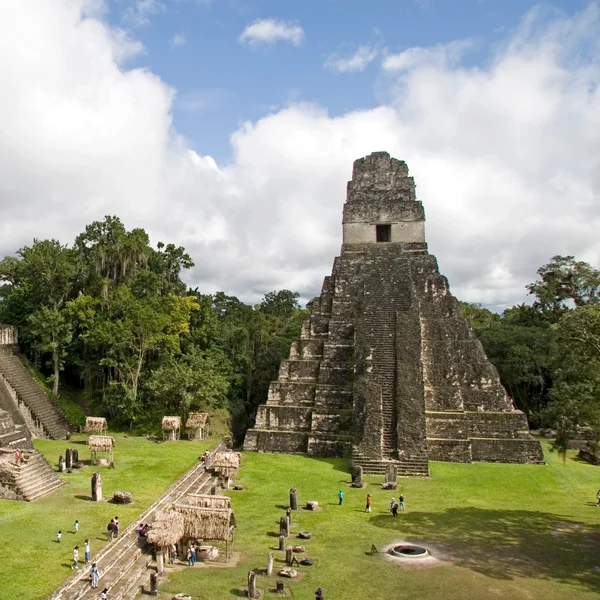
Guatemala
Tikal
Tikal, a preeminent Maya city in Guatemala, flourished from c. 400 BCE to 900 CE as a political, economic, and
South of Egypt, the kingdoms of Kush and Nubia built their own tradition of cities and pyramids — more pyramids, in fact, than Egypt has. Kerma, continuously significant from around 2500 to 1500 BCE, is the oldest city site in Africa outside Egypt itself in this database, and later Meroë held the region for the longest recorded span of any site in Sudan, from roughly 800 BCE to 350 CE — outlasting the Roman Empire's western half by decades.
On the Pacific coast of Peru, Caral was building monumental platform mounds and sunken circular plazas between roughly 3000 and 1800 BCE — contemporary with the Egyptian Old Kingdom — making it the oldest city site in South America currently known. Caral had no pottery, no evidence of warfare, and no writing, which makes it one of archaeology's clearest arguments that cities don't require any single "ingredient" to emerge.
In Mesoamerica, the Olmec (from around 1400 BCE) laid cultural groundwork that the Maya inherited and expanded for the next two thousand years. Tikal in Guatemala, occupied from around 400 BCE, is the oldest Maya city site in North America tracked here; Palenque in Mexico developed later but produced some of the Maya world's finest architecture and inscriptions; and Chichén Itzá, though it flourished centuries after the others, is today the most-visited ancient site in North America — proof that "ancient" and "popular" don't always track the same calendar.
Empire, Collapse, and Continuity in the Ancient World
Every civilization above eventually stopped being independent — conquered, absorbed, or transformed into something else. It's tempting to read that as a single story of "rise and fall," but the pattern is closer to rise, strain, transformation, and partial continuation, repeated on a loop. Assyria, Persia, and Rome each expanded by combining military conquest with genuinely useful administrative technology: standardized roads, tax systems, and enough local autonomy that conquered regions had a reason not to constantly revolt.
Collapse, when it came, was rarely one thing. The Late Bronze Age collapse (c. 1200–1150 BCE) that ended Mycenaean Greece and the Hittite Empire is now understood as a combination of climate-driven drought, mass migration, and cascading trade-network failure — not a single invasion, as older textbooks claimed. The aftermath and reinvention that followed across the eastern Mediterranean and Near East is covered in detail in After the Collapse. The pattern holds elsewhere too: Rome's western half fragmented in the fifth century CE, but Roman law, Latin, and Christianity all outlasted the empire that produced them by well over a thousand years. Political collapse and cultural disappearance are not the same event, and conflating them is the single most common mistake in how ancient history gets simplified.
Verificatore cronologico interattivo
Si sono incontrati?
Scegli due civiltà antiche qualsiasi per vedere se le loro date si sono sovrapposte nella storia, o se erano separate da secoli e oceani.
Coesistettero per ~220 anni (nessun contatto)
Entrambe le civiltà fiorirono simultaneamente tra 250 a.C. e 30 a.C., separate da oltre 10.000 km di oceani senza alcuna conoscenza reciproca.
How to Read an Ancient Civilizations Timeline Like a Historian
A few habits separate a useful reading of this timeline from a confusing one:
- Treat every date as a range, not a point. "3100 BCE" for Egyptian unification is a scholarly best estimate, not a receipt. Evidence comes from stratigraphy, king lists written centuries later, and radiocarbon dating with its own margins of error — a century either way is normal for anything before about 500 BCE.
- Read across regions, not just down one column. The real value of a global timeline is seeing that Sumer, the Indus Valley, and early Egypt were all building cities within a few centuries of each other, on three continents, independently. A timeline that only lists one region hides the most interesting fact a timeline can show.
- Pair the timeline with a map. Chronology tells you when; geography tells you why — irrigation, trade routes, and natural barriers explain far more about a civilization's rise than dates alone. Atlas Anatolia's interactive map plots all 330+ sites in this database by era and civilization for exactly that reason.
- Use it as a starting point, not a citation. A timeline this size is necessarily compressed. Each linked site page above includes sourced detail, excavation history, and further reading for anyone going deeper on a specific civilization.
Esplora il Cursore Temporale della Profondità Storica
Non fermarti alla lettura statica. Atlas Anatolia mappa 303 siti archeologici verificati lungo 12.000 anni con il nostro cursore interattivo. Trascina attraverso i millenni per osservare le civiltà accendersi, espandersi e svanire in tempo reale.
Vai Direttamente ai Punti di Svolta Storici:
Neolitico Preceramico
Recinti Monumentali
Göbekli Tepe, Karahan Tepe, Jericho
Antica Età del Bronzo
Primi Cuneiformi e Dinastie
Uruk, Saqqara, Caral-Supe
Crisi del Tardo Bronzo
Popoli del Mare e Fortezze
Hattusha, Mycenae, Ugarit, Troy
Fioritura Classica
Democrazia, Filosofia e Via della Seta
Athens Acropolis, Persepolis, Babylon
Apogeo Imperiale
Roma, Dinastia Han e Teotihuacan
Colosseum, Teotihuacan, Pompeii
Frequently Asked Questions
What is the best way to understand the ancient civilizations timeline?
Read it region by region first, then compare overlapping dates across regions. The most common mistake is reading history as one continuous line — in reality, Sumer, the Indus Valley, early Egypt, and Caral in Peru were all developing complex societies at nearly the same time, on different continents, with no contact between them.
Which civilization is usually considered the oldest?
Sumerian city life in southern Mesopotamia is generally treated as the earliest documented civilization, with cities like Uruk showing urban-scale organization by around 3100 BCE. But "documented" is doing a lot of work in that sentence — Caral in Peru and the early Indus Valley cities were reaching comparable complexity within a few centuries, without writing systems that survive for us to read.
Why are so many ancient dates approximate?
Because the evidence is archaeological and epigraphic rather than a continuous written record. Early dates come from radiocarbon dating, stratigraphy (which layer an artifact was found in), and king lists that were often written centuries after the fact. Treat any date before roughly 500 BCE as a well-supported estimate, not an exact year.
Should a scholarly timeline include the Americas and Africa?
Yes — leaving them out isn't a simplification, it's an inaccuracy. Kush and Nubia built a pyramid tradition that outnumbers Egypt's, and Caral in Peru was urbanizing at the same time as the Egyptian Old Kingdom. A timeline that only covers Mesopotamia, Egypt, Greece, and Rome is describing one region's history, not the ancient world's.
How do civilization maps improve a timeline?
A timeline tells you when something happened; a map tells you why it happened where it did. Irrigation rivers, natural harbors, and mountain barriers explain the location of nearly every civilization on this list. Atlas Anatolia's interactive map lets you see all 330+ tracked sites plotted geographically, filterable by era and civilization, alongside this chronology.