Aller au contenu
Atlas Anatolia
Actualités
Antiquité Classique
Une flûte en os de 2 800 ans et une tête d'idole de l'Âge du Bronze ancien découvertes à Troie
Premier sol en mosaïque hellénistique découvert à Kültepe-Kanesh en 78 ans de fouilles
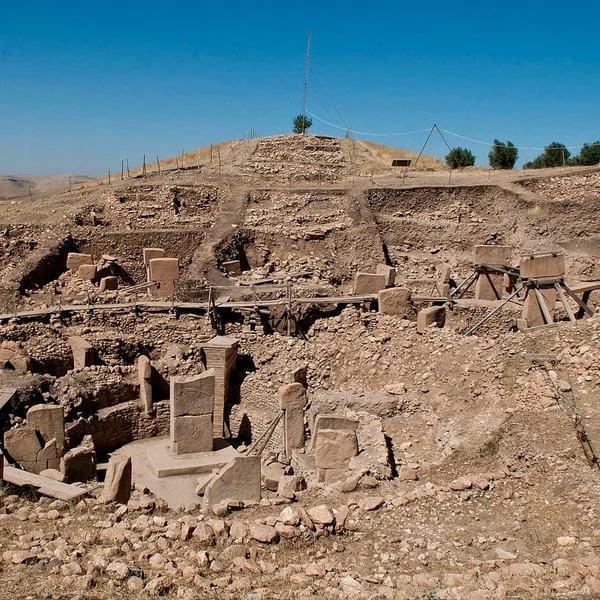
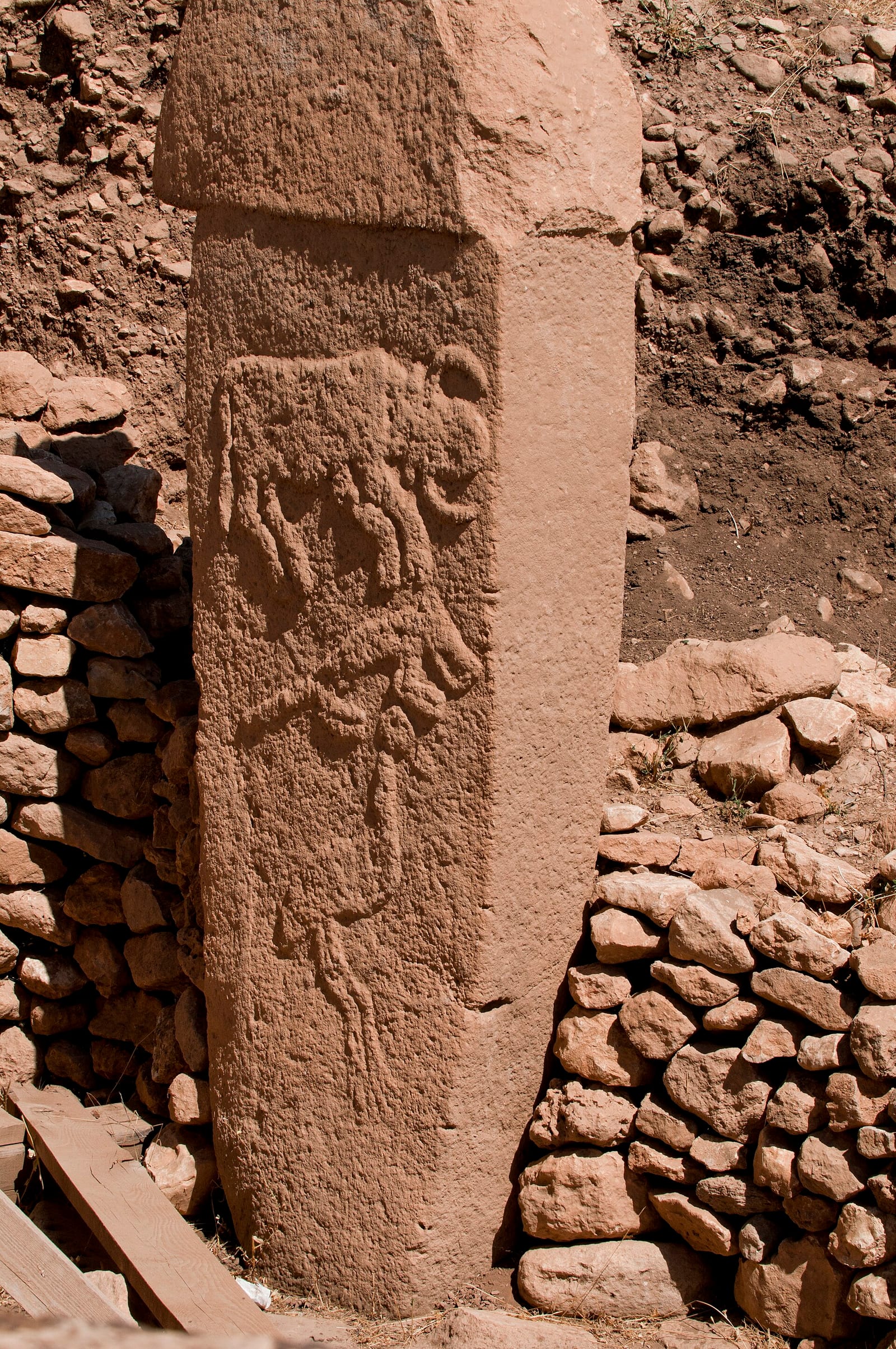
Excavated T-pillars at Göbekli Tepe, southeastern Turkey

Göbekli Tepe — Wikimedia Commons / open license

Guide3 min de lecture

Récits

12 sites antiques incontournables en Anatolie

From Göbekli Tepe — the earliest known monumental megalithic sanctuary — to the Hittite capital of Hattusa and the wonders of Ephesus and Cappadocia, here are 12 of the most remarkable ancient sites in Anatolia, ranked by global interest.

Seyfi Cem Baskin

Sites dans ce récit

Voir sur la carte
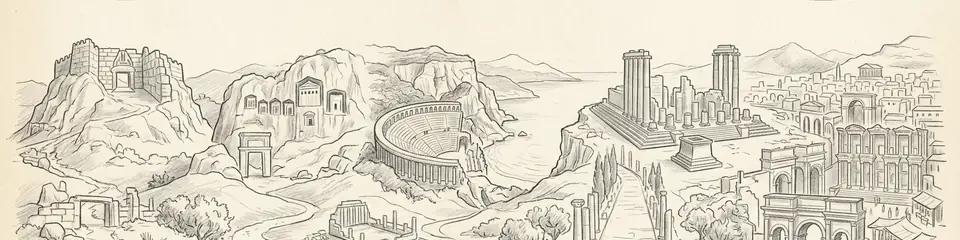
Graphite pencil sketch banner for “12 Must-Visit Ancient Sites in Anatolia”

Anatolia — the great peninsula of modern Türkiye — is one of the most layered archaeological landscapes on Earth. It holds humanity's earliest monumental megalithic sanctuary at Göbekli Tepe, the capital of a Bronze Age empire that rivalled Egypt, Greek and Roman cities of breathtaking scale, and the masterpieces of Byzantine and Ottoman builders, all within a single country. These are 12 of the most remarkable ancient sites in Anatolia, ranked by how much interest they draw from visitors and researchers around the world.

1. Hagia Sophia

"Anatolia is a bridge and a cemetery of empires — Hittite, Greek, Roman, Byzantine, Ottoman — each leaving stone that still speaks."

— Editorial synthesis for Atlas Anatolia's Anatolian itineraries

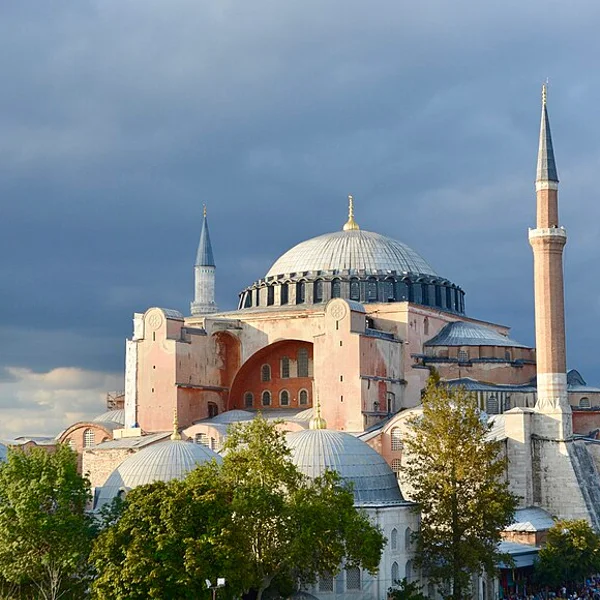
!The domed exterior of Hagia Sophia with its Ottoman minarets, Istanbul, Turkey")

The supreme achievement of Byzantine architecture — a vast domed basilica built by the emperor Justinian in Constantinople in just five years and completed in 537 CE, its 31-metre dome seeming to float on a ring of windows. For nearly a thousand years it was the largest enclosed space and greatest cathedral in the Christian world, before becoming a mosque, a museum, and a mosque again.

Explore Hagia Sophia →

2. Troy

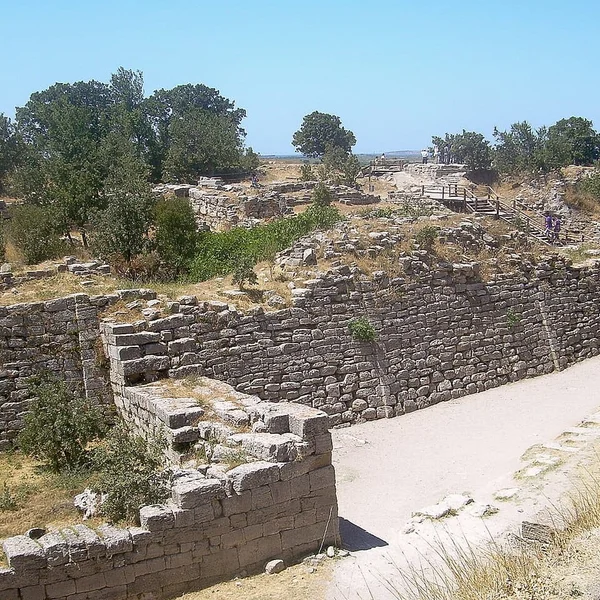
!Fortification walls at Troy (Hisarlık)")

The legendary city of Homer's Iliad, located at Hisarlık in northwestern Türkiye. Multiple settlement layers spanning over 4,000 years make it one of the most storied archaeological sites in the world.

Çanakkale, Marmara, Türkiye.

Explore Troy →

3. Göbekli Tepe

!T-shaped pillars at Göbekli Tepe archaeological site")

The world's oldest known monumental sanctuary, predating Stonehenge by roughly 6,000 years. Massive carved T-shaped pillars arranged in circles suggest complex ritual activity among pre-agricultural communities.

Şanlıurfa, Southeastern Anatolia, Türkiye.

Explore Göbekli Tepe →

4. Ephesus

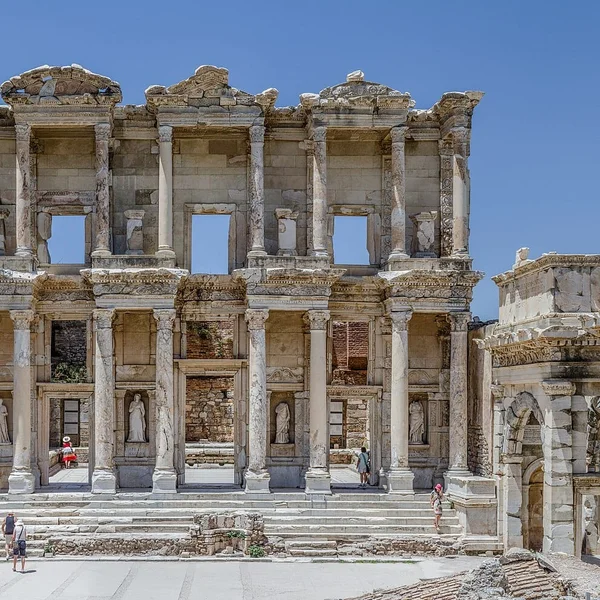
!The Library of Celsus at Ephesus")

One of the greatest cities of the ancient Mediterranean world. Home to the Temple of Artemis (one of the Seven Wonders), the Library of Celsus, and a theatre seating 25,000.

İzmir, Aegean, Türkiye.

Explore Ephesus →

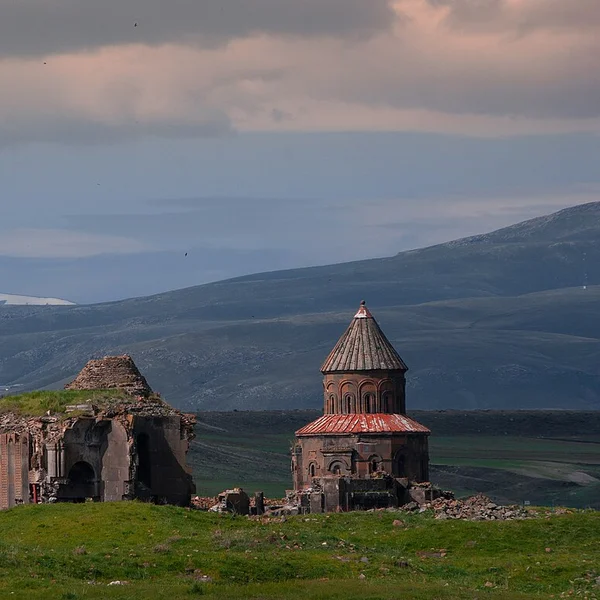
5. Ani

A medieval Armenian capital on the Turkish-Armenian border, once home to over 100,000 people. Its ruins include magnificent churches, mosques, and fortifications spanning centuries of multicultural history.

Kars, Eastern Anatolia, Türkiye.

Explore Ani →

6. Derinkuyu

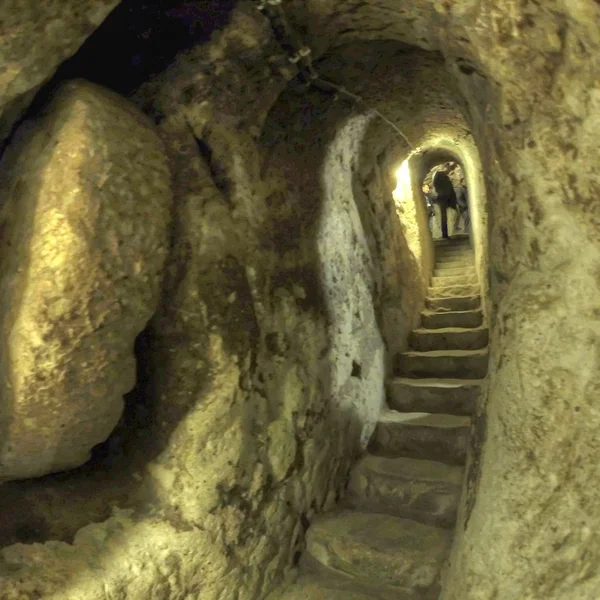
The deepest known underground city in the world, extending 85 meters below the surface with 18 levels. It could shelter approximately 20,000 people along with livestock and food stores.

Nevşehir, Central Anatolia, Türkiye.

Explore Derinkuyu →

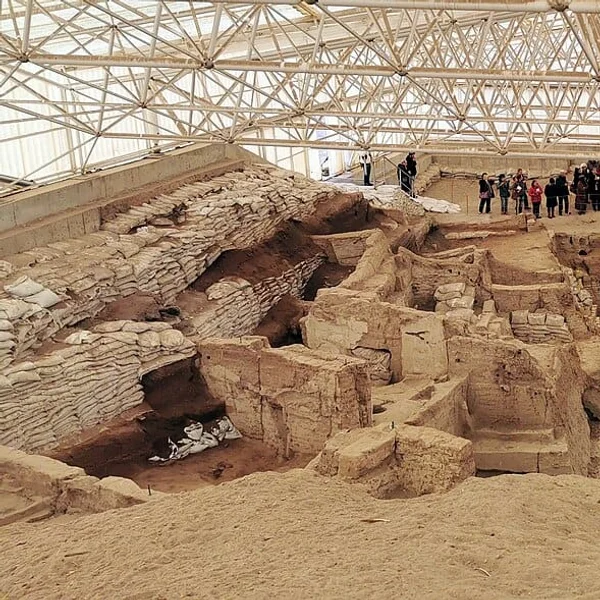
7. Çatalhöyük

One of the world's earliest known proto-urban settlements, occupied from roughly 7400 to 5600 BCE. Famous for its densely packed mudbrick houses, wall paintings, and evidence of a remarkably egalitarian Neolithic community.

Konya, Central Anatolia, Türkiye.

Explore Çatalhöyük →

8. Ancyra (Ankara)

An ancient Phrygian and Galatian stronghold whose Roman Temple of Augustus preserves the only surviving complete copy of Augustus's political testament — the Monumentum Ancyranum — inscribed in both Latin and Greek.

Ankara, Central Anatolia, Türkiye.

Explore Ancyra (Ankara) →

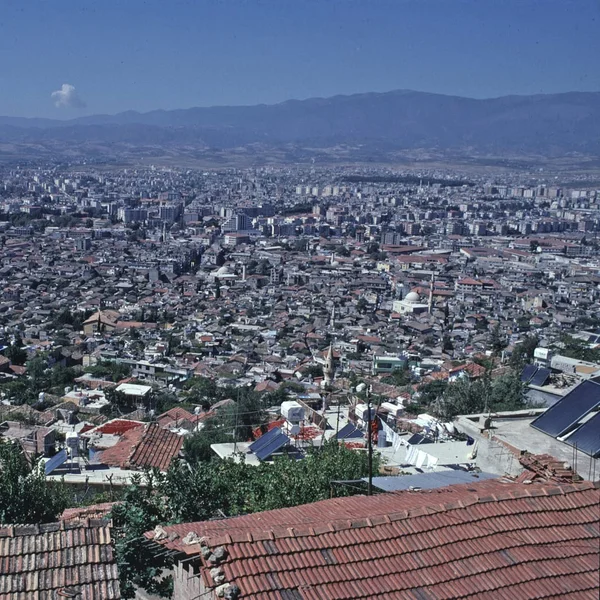
9. Antioch (Antakya)

One of the four great cities of the ancient world and a cradle of early Christianity. Antioch's extraordinary mosaics rival those of Pompeii, and its layered history spans Hellenistic, Roman, Byzantine, and Islamic civilizations.

Hatay, Southeastern Anatolia, Türkiye.

Explore Antioch (Antakya) →

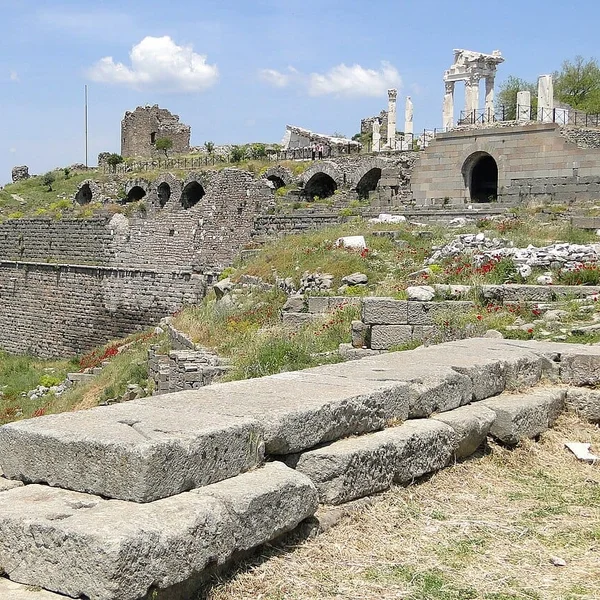
10. Pergamon

A major Hellenistic capital perched on a dramatic acropolis, renowned for its Great Altar, its library rivaling Alexandria, and the Asclepion healing center.

İzmir, Aegean, Türkiye.

Explore Pergamon →

11. Hierapolis

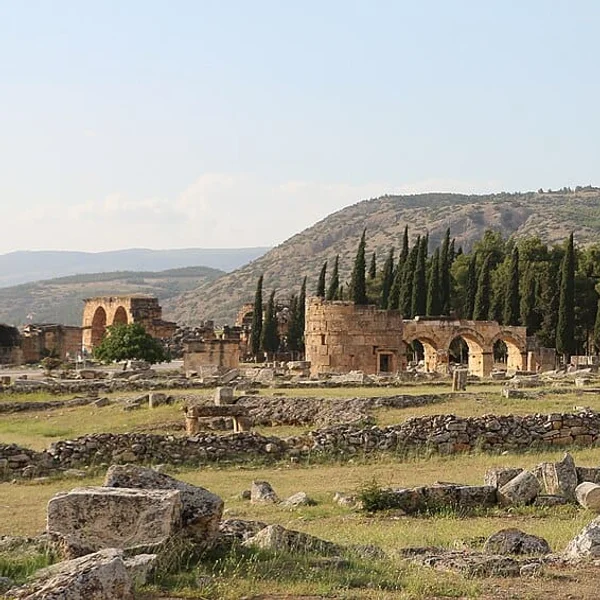
A Greco-Roman spa city perched above the famous white travertine terraces of Pamukkale. One of the best-preserved ancient cities in Turkey, with a vast necropolis, theatre, and the Plutonium — a gate to the underworld.

Denizli, Aegean, Türkiye.

Explore Hierapolis →

12. Nemrut Dağ

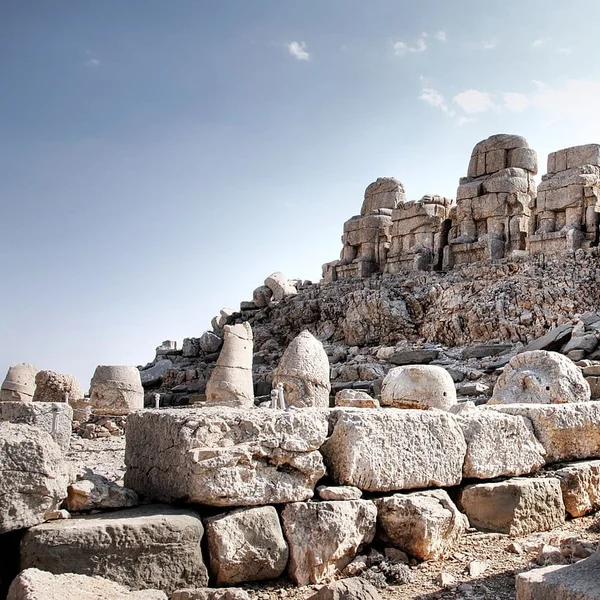
A remote mountaintop sanctuary at 2,134 meters elevation, featuring colossal stone heads of gods and King Antiochus I of Commagene. One of the most dramatic archaeological sites in the world.

Adıyaman, Southeastern Anatolia, Türkiye.

Explore Nemrut Dağ →

Every site above links to a full, evidence-based entry in the atlas, with maps, key facts, excavation history, photographs, and academic sources. Anatolia rewards slow, curious travel — and there are dozens more sites beyond this list waiting to be explored.
Comment citer cette page

Seyfi Cem Baskin. (2026). 12 sites antiques incontournables en Anatolie. Atlas Anatolia. https://atlasanatolia.com/fr/stories/top-ancient-sites-anatolia

Contenu sous licence CC BY-SA 4.0 — attribution requise en cas de réutilisation.

Sites associés

Voir sur la carte
Hagia Sophia

Hagia Sophia

Türkiye

Le chef-d'œuvre suprême de l'architecture byzantine — une vaste basilique à coupole construite par l'empereur Justinien à Constantinople en seulement cinq ans et achevée en 537 ap. J.-C., sa coupole de 31 mètres semblant flotter sur un anneau de fenêtres. Pendant près de mille ans, ce fut le plus grand espace clos et la plus grande cathédrale du monde chrétien, avant de devenir une mosquée, un musée, puis de nouveau une mosquée.

Troy

Troy

Türkiye

Neuf couches d'occupation à Hisarlık, dans le nord-ouest de la Turquie, où Heinrich Schliemann a fouillé à la recherche de la Troie d'Homère et où les archéologues débattent encore de la couche correspondant à une guerre historique. L'UNESCO a inscrit le site en 1998 ; l'intérêt renouvelé suscité par les adaptations cinématographiques de l'épopée incite de nouveaux visiteurs à comparer la poésie et la pierre.
Göbekli Tepe

Göbekli Tepe

Turkey

Le plus ancien sanctuaire monumental connu au monde, antérieur à Stonehenge d'environ 6 000 ans. De massifs piliers en T sculptés, disposés en cercles, suggèrent une activité rituelle complexe au sein de communautés pré-agricoles.

Ephesus

Ephesus

Türkiye

Grande cité ionienne près de l'actuelle Selçuk, autrefois abritant le temple d'Artémis puis métropole romaine aux rues de marbre, maisons en terrasse et bibliothèque de Celse. Les épîtres de Paul et les routes de pèlerinage maintinrent la renommée d'Éphèse après l'ensablement de son port antique.
Ani

Ani

Türkiye

Une ancienne capitale arménienne médiévale à la frontière turco-arménienne, autrefois peuplée de plus de 100 000 habitants. Ses ruines comprennent de magnifiques églises, mosquées et fortifications couvrant des siècles d'histoire multiculturelle.

Derinkuyu

Derinkuyu

Türkiye

La plus profonde ville souterraine connue au monde, s'étendant à 85 mètres sous la surface avec 18 niveaux. Elle pouvait abriter environ 20 000 personnes ainsi que du bétail et des réserves de nourriture.

Çatalhöyük

Çatalhöyük

Türkiye

L'un des premiers établissements proto-urbains connus au monde, occupé d'environ 7400 à 5600 av. J.-C. Célèbre pour ses maisons en briques crues densément regroupées, ses peintures murales et les preuves d'une communauté néolithique remarquablement égalitaire.

Antioch (Antakya)

Antioch (Antakya)

Türkiye

L'une des quatre grandes cités du monde antique et un berceau du christianisme primitif. Les mosaïques extraordinaires d'Antioche rivalisent avec celles de Pompéi, et son histoire stratifiée couvre les civilisations hellénistique, romaine, byzantine et islamique.

Pergamon

Pergamon

Türkiye

Une capitale hellénistique majeure perchée sur une acropole spectaculaire, célèbre pour son Grand Autel, sa bibliothèque rivalisant avec Alexandrie et le centre de guérison de l'Asclépiéion.

Hierapolis

Hierapolis

Türkiye

Une cité thermale gréco-romaine perchée au-dessus des célèbres terrasses de travertin blanc de Pamukkale. L'une des villes antiques les mieux préservées de Turquie, avec une vaste nécropole, un théâtre et le Plutonium — une porte vers les enfers.

Nemrut Dağ

Nemrut Dağ

Türkiye

Un sanctuaire isolé au sommet d'une montagne à 2 134 mètres d'altitude, avec des têtes colossales en pierre de dieux et du roi Antiochos Ier de Commagène. L'un des sites archéologiques les plus spectaculaires au monde.

Hattusha

Hattusha

Türkiye

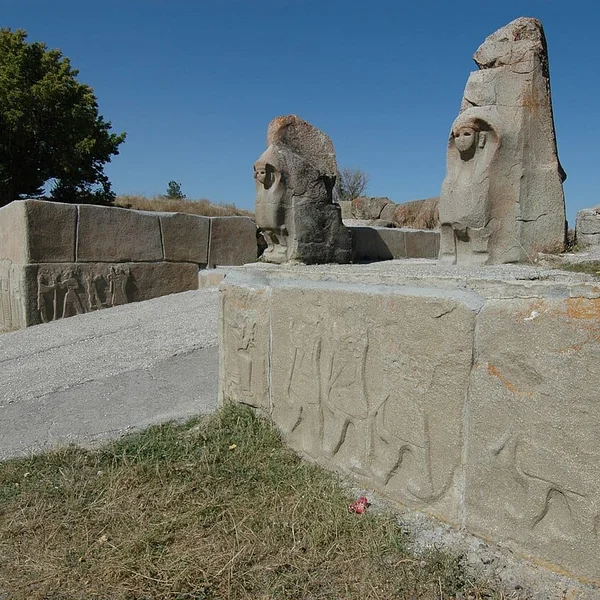
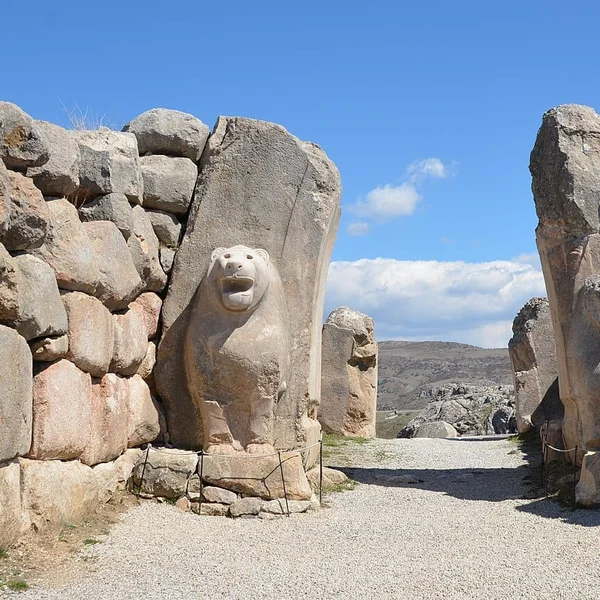
Capitale de l'Empire hittite, l'une des grandes puissances de l'âge du bronze récent. Elle présente des fortifications massives, des portes monumentales ornées de sculptures de lions et de sphinx, ainsi que le Grand Temple.

Aphrodisias

Aphrodisias

Türkiye

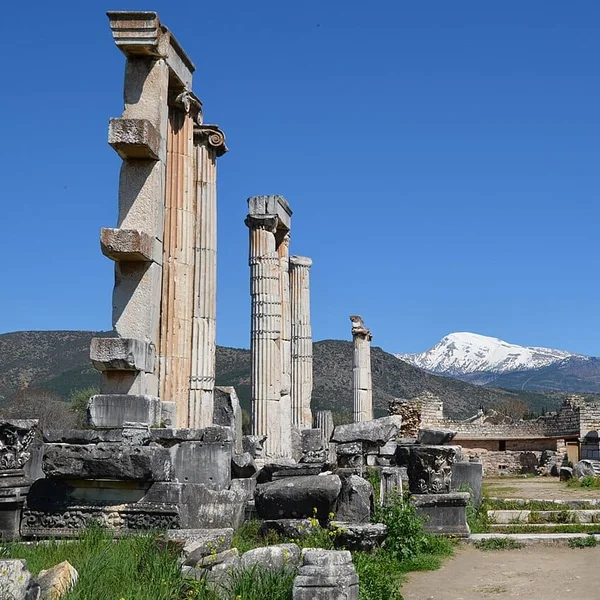
Une cité gréco-romaine célèbre pour ses ateliers de sculpture sur marbre, le temple d'Aphrodite et un stade remarquablement bien conservé pouvant accueillir 30 000 spectateurs.

Alacahöyük

Alacahöyük

Türkiye

L'un des sites pré-hittites et hittites les plus importants d'Anatolie. Les tombes royales ont livré de spectaculaires objets en or et en bronze de la civilisation hattienne du Bronze ancien.

Sardis

Sardis

Türkiye

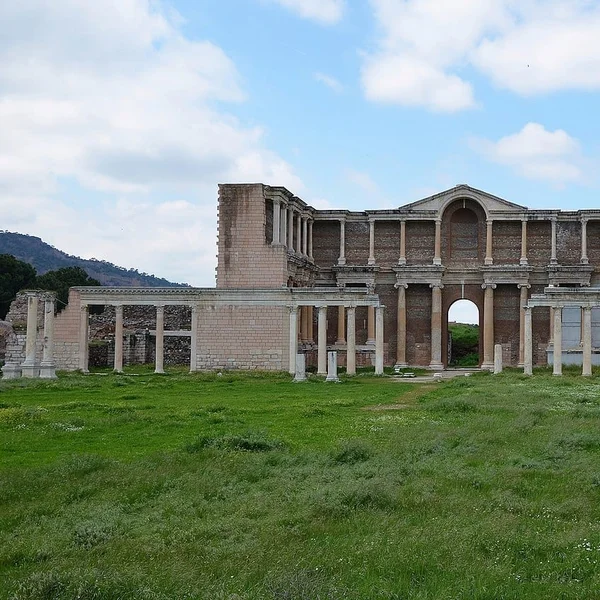
Capitale du royaume lydien, où la monnaie fut probablement inventée. Résidence du roi Crésus et de sa richesse légendaire, avec un immense temple d'Artémis et une synagogue impressionnante.

Plus de récits