Aller au contenu
Atlas Anatolia
ActualitésIce Age teeth in Sulawesi push betel-nut use back as far as 25,000 yearsRoman mosaic and Eros head uncovered in the basilica at Pompeiopolis, Kastamonu
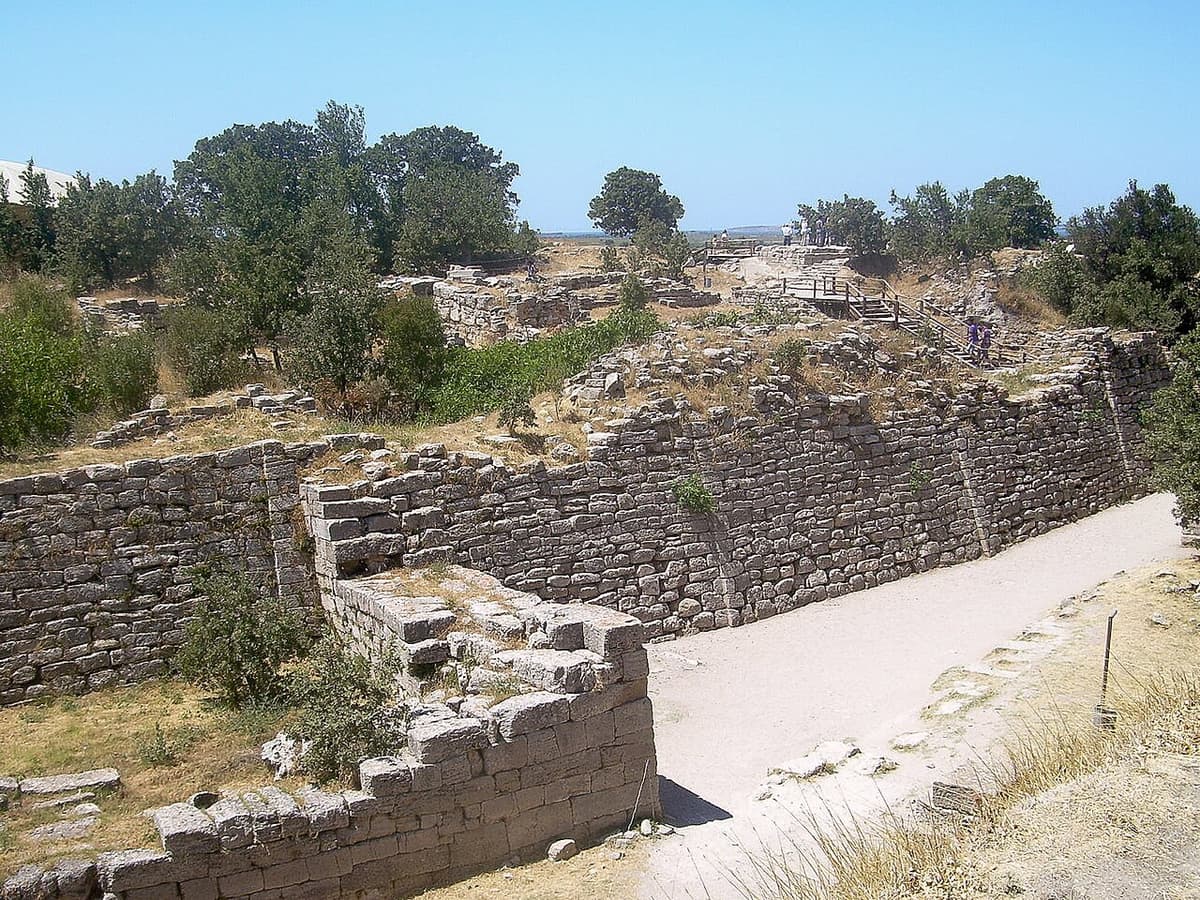
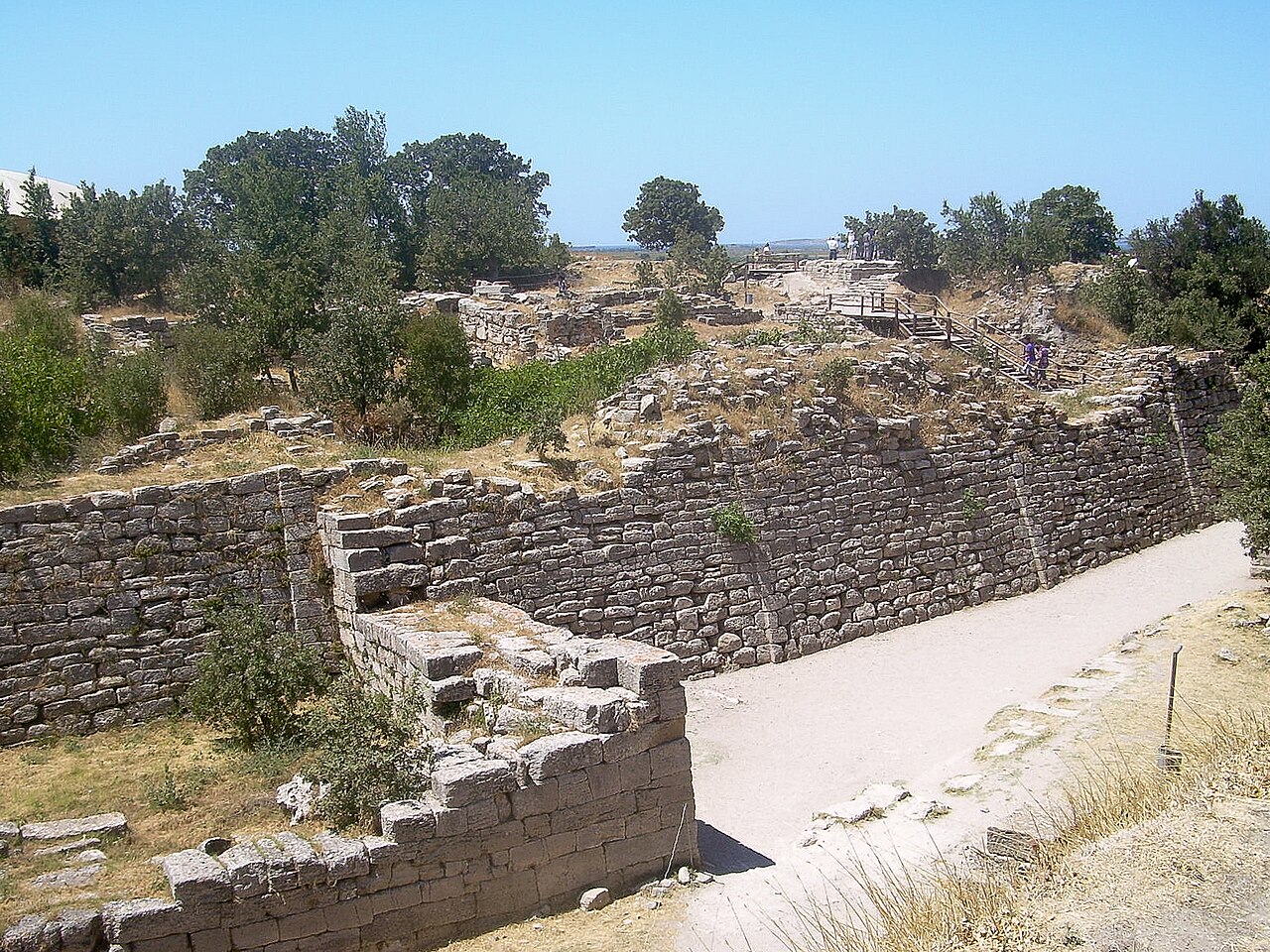
Fortification walls at Troy (Hisarlık)

Wikimedia Commons (CC BY-SA)

World Record

Most-Visited Ancient Site in the World

CitéUNESCOEn vedette

Troy

Seyfi Cem Baskin

Truva3000 av. J.-C. – 500 apr. J.-C.

Nine settlement layers at Hisarlık in northwestern Türkiye, where Heinrich Schliemann dug for Homer's Troy and archaeologists still debate which level matches a historical war. UNESCO listed the site in 1998; renewed interest from epic film adaptations keeps new visitors comparing poetry with stone.

312
Intérêt 93

Localisation

Çanakkale · Marmara · Turquie

39.96°N · 26.24°E · Asie

Settlement Layers

9+ major phases

Date Range

c. 3000 BCE – 500 CE

UNESCO Status

World Heritage Site (1998)

First Excavation

1870 (Schliemann)

Notable Finds

The 'Treasure of Priam' (Schliemann, 1873) and the 'Troy Gold' hoard (Korfmann, 1993).

Dating Method

Chronology established via pottery typology, stratigraphy, and radiocarbon dating (e.g., from Troy I/II).

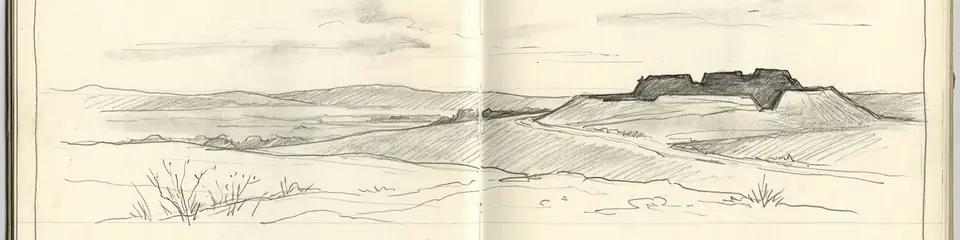
Graphite pencil sketch banner of Troy

“Troy is the test case for whether Homeric epic encodes Bronze Age memory, and the Hittite Wilusa texts gave the argument its first firm anchor outside Greece.”

De Wikipédia

Troy or Ilion was an ancient city located in present-day Çanakkale, Turkey. It is best known as the setting for the Greek myth of the Trojan War. The archaeological site, with its multiple settlement layers spanning four millennia, was added to the UNESCO World Heritage list in 1998.

Lire l'article complet sur Wikipédia →

Localisation

Aperçu

Troy sits at Hisarlık, a tell overlooking the plain where the Scamander (Karamenderes) meets the Hellespont near modern Çanakkale. At least nine major occupation levels, labelled Troy I through Troy IX, stack from the Early Bronze Age into the Roman and Byzantine periods. The mound's strategic position controlled access between the Aegean and the Black Sea worlds.

Heinrich Schliemann began digging here in 1870, convinced that Homer's Iliad preserved memory of a real siege. He cleared much of Troy II's citadel and famously "discovered" Priam's Treasure there, a date we now know is centuries too early for any Trojan War tradition. Later excavators, including Wilhelm Dörpfeld, Carl Blegen, and Manfred Korfmann, refined the stratigraphy. Troy VI (c. 1700–1250 BCE) and Troy VIIa (c. 1250 BCE), with evidence of fire and fighting, remain the strongest archaeological candidates for a conflict that might echo in later poetry.
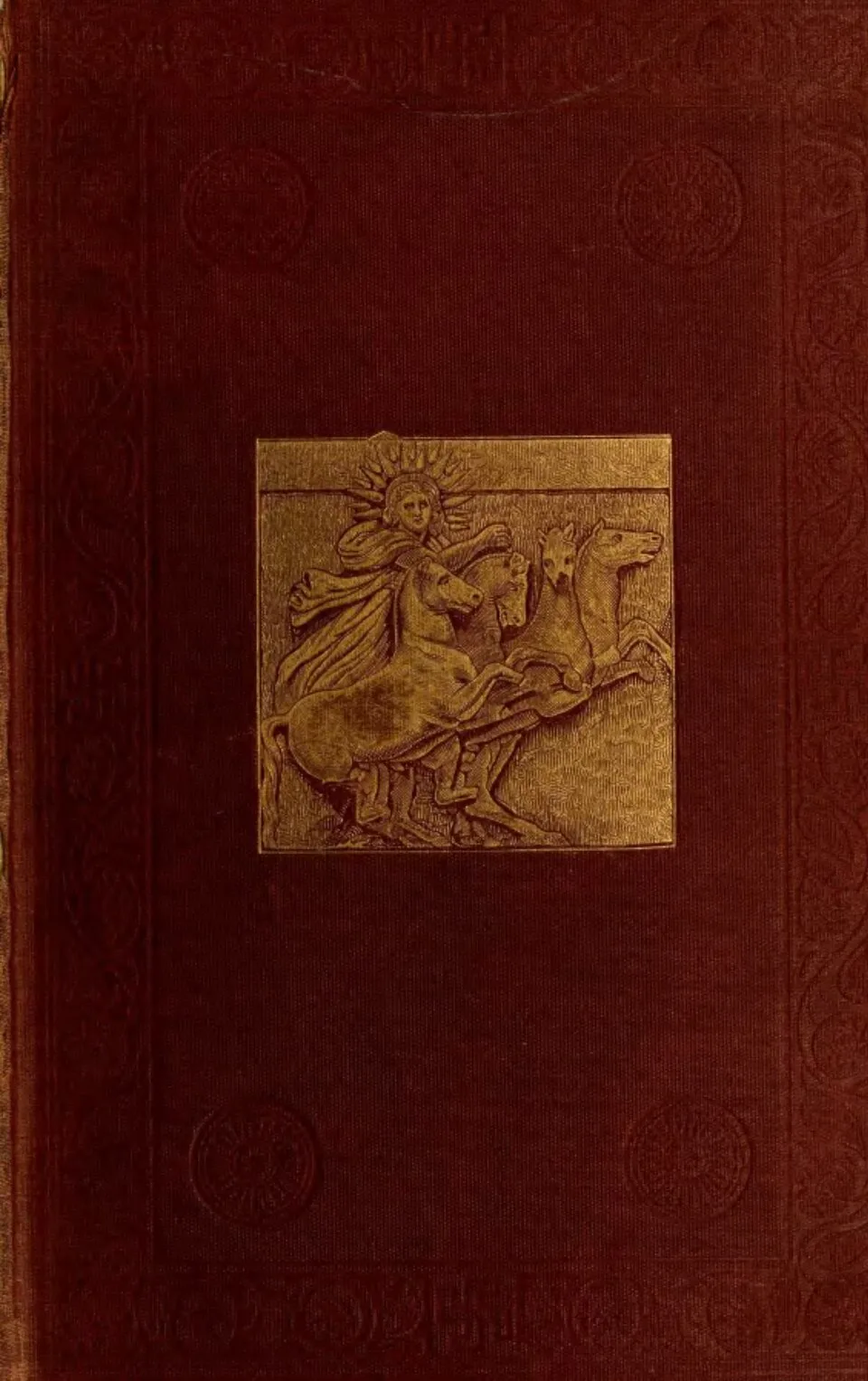
Troy-and-its-remains by Heinrich Schliemann
Troy-and-its-remains by Heinrich Schliemann | Heinrich Schliemann (Public domain)
"Sing, O goddess, the anger of Achilles son of Peleus, that brought countless ills upon the Achaeans."
— Homer, Iliad, Book I (c. 8th century BCE)
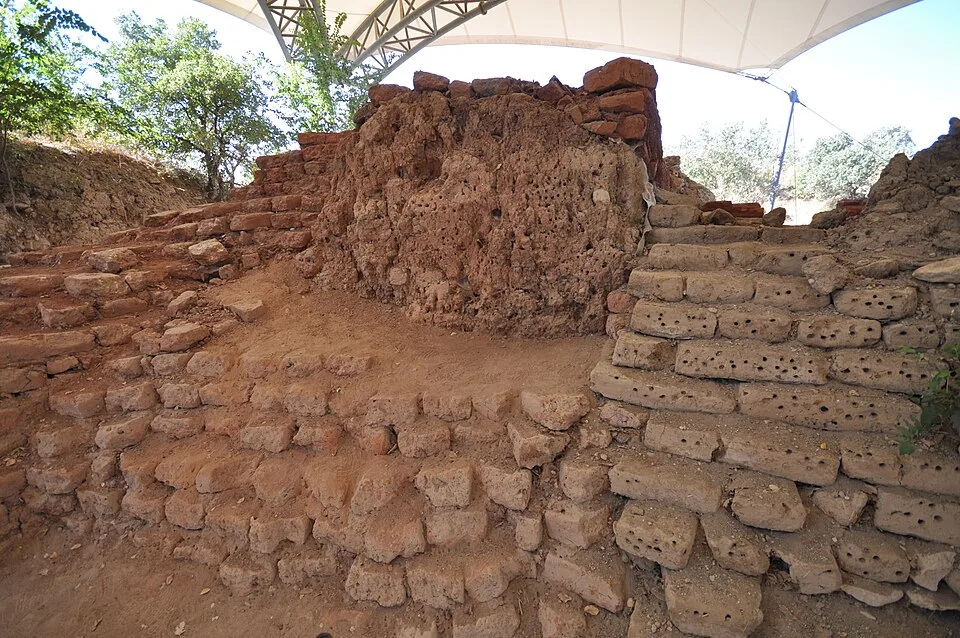
Troy archeological site 8709562600
Troy archeological site 8709562600 | Jorge Láscar from Australia (CC BY 2.0)

Hittite cuneiform tablets from Hattusa mention a kingdom called Wilusa in northwest Anatolia and a ruler "Alaksandu" whose name invites comparison with Homer's Alexandros (Paris). A letter between Hittite and Ahhiyawan (Mycenaean Greek?) kings discusses territorial disputes in the region. These documents do not prove Homer's plot, but they show powerful states clashing near Troy's date.
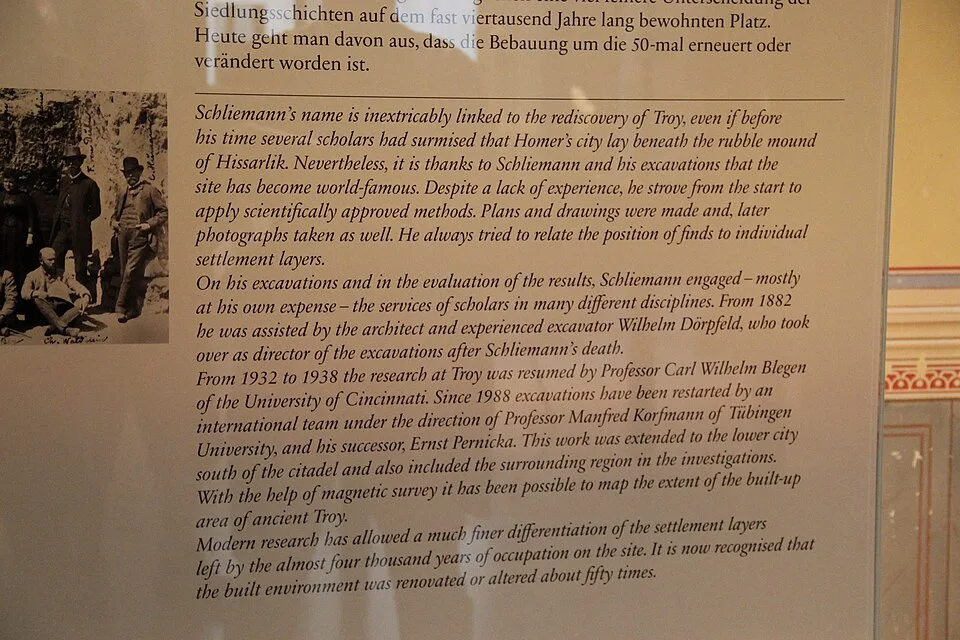
Excavation of Ancient Troy (28679196861)
Excavation of Ancient Troy (28679196861) | Gary Todd from Xinzheng, China (CC0)
"There is a land called Ilios… and a city of wide streets — yet the tell at Hisarlık alone must answer whether Homer's war left fire in the earth."
— Composite of Iliad II and modern excavation debate

Cinema rarely films on the tell itself. Christopher Nolan's Odyssey reportedly used the UNESCO ksar of Aït Ben Haddou in Morocco for exterior walled-city shots. That is honest movie magic: the excavated city is stone and brick on the Dardanelles; the screen version borrows mud-brick towers under Atlas light. Visiting both places teaches how epic film and Bronze Age archaeology tell different kinds of true stories.

Today a wooden horse stands near the entrance for tourists; the real finds live in the Troy Museum in Çanakkale. Walk the ramp of Troy II, the megaron houses of Troy VI, and the fortifications Korfmann argued were a lower city wall facing the plain.
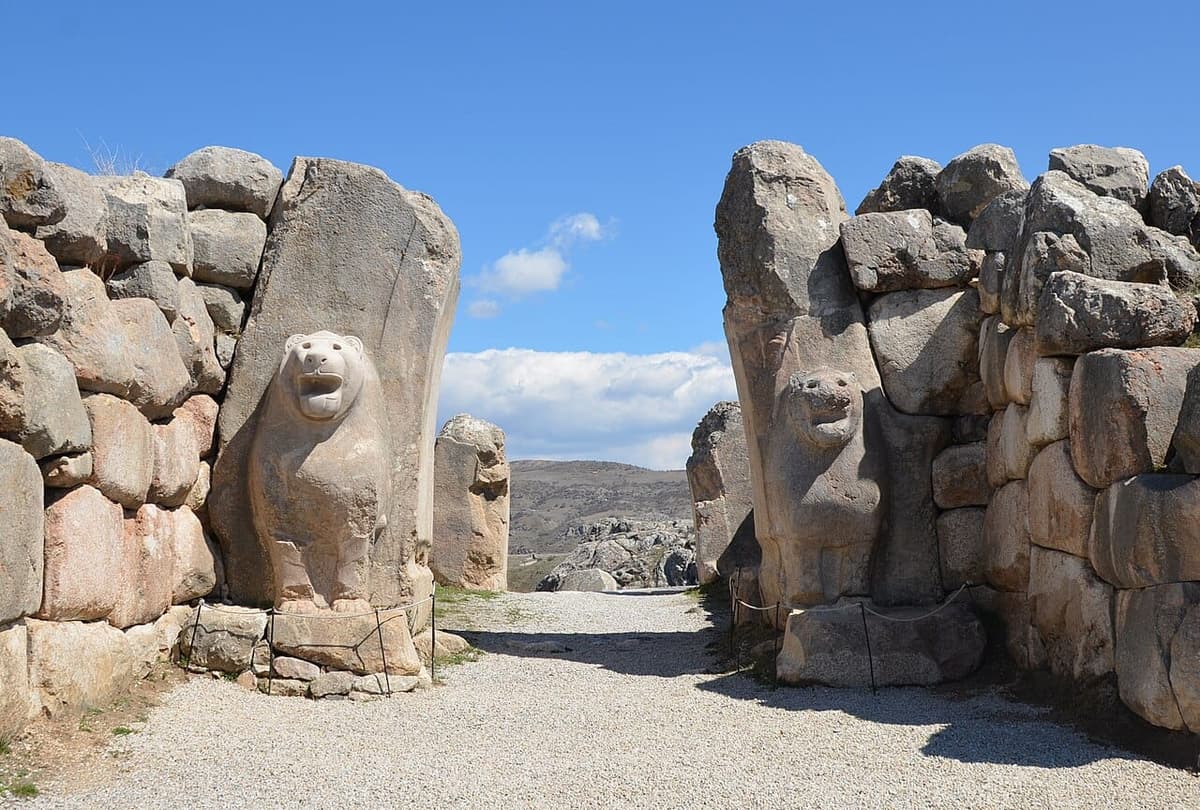
Pourquoi c'est important

Troy is the test case for whether Homeric epic encodes Bronze Age memory, and the Hittite Wilusa texts gave the argument its first firm anchor outside Greece. Every generation reframes the same stones: Schliemann's treasure, Korfmann's lower city, and now film audiences who arrive via the Odyssey rather than the Iliad syllabus.

Preuves et interprétation

Distinguer ce qui est bien établi de ce qui reste débattu.

Faits bien établis

3
  • Hisarlık contains multiple settlement layers spanning from c. 3000 BCE to the Byzantine period.
  • Troy VIIa was destroyed by fire around 1180 BCE.
  • Troy II (c. 2550–2300 BCE) was a wealthy, fortified citadel destroyed by a catastrophic fire, and is the source of Schliemann's 'Treasure of Priam'.

Inférences savantes

1
  • Troy VI/VIIa is the most likely candidate for the city described in Homer's Iliad.

Interprétations débattues

2
  • Whether a historical "Trojan War" actually occurred is still debated among scholars.
  • The size and significance of the lower city (discovered by Korfmann) is contested by some archaeologists.

Découverte et fouilles

1870–1890

Schliemann's excavations

Dirigé par Heinrich Schliemann

Heinrich Schliemann conducted dramatic but destructive excavations, discovering "Priam's Treasure."

1893–1894

Dörpfeld's work

Dirigé par Wilhelm Dörpfeld

Wilhelm Dörpfeld identified Troy VI as the probable Homeric city.

1932–1938

Cincinnati excavations

Dirigé par Carl Blegen / University of Cincinnati

Carl Blegen established the detailed stratigraphic sequence used today.

1988–2005

Korfmann project

Dirigé par Manfred Korfmann / University of Tübingen

Manfred Korfmann revealed a much larger lower city, showing Troy was bigger than previously thought.

Photos de la communauté

Partagez votre expérience

Avez-vous visité ce site ? Téléchargez vos photos pour aider les autres à le découvrir.

Récits liés

Comment citer cette page

Atlas Anatolia. (3000). Troy. Atlas Anatolia. https://atlasanatolia.com/fr/site/troy

Contenu sous licence CC BY-SA 4.0 — attribution requise en cas de réutilisation.

Graphique

Connexions avec des sites et récits associés.

Lire l'article complet sur World History Encyclopedia
World History Encyclopedia · CC BY-NC-SA

Sources

  • Troy and the Trojans — Carl Blegen (1963)
  • UNESCO World Heritage — TroyLien

Questions fréquentes

Où se trouve Troy ?

Troy est situé à/en Çanakkale, Marmara, Türkiye.

De quand date Troy ?

Troy remonte approximativement à 3000 av. J.-C. – 500 apr. J.-C..

Quelles civilisations sont associées à Troy ?

Troy est associé à la civilisation Byzantine, Greek, Roman, Trojan.

Pourquoi Troy est-il important ?

Troy is the test case for whether Homeric epic encodes Bronze Age memory, and the Hittite Wilusa texts gave the argument its first firm anchor outside Greece.

Troy est-il inscrit au patrimoine mondial de l'UNESCO ?

Oui — Troy est inscrit sur la liste du patrimoine mondial de l'UNESCO.