
Anatolia — the peninsula of modern Türkiye — is not a side chapter of Mediterranean archaeology. It is a continuous laboratory of deep time: Pre-Pottery Neolithic ritual centres, Bronze Age imperial capitals, Homeric Troy, Ionic cities, and Roman provincial monuments, often within a day’s drive of each other.
This guide is a map-first tour of twelve Atlas sites. Each link opens a full dossier with coordinates, excavation history, and evidence confidence ratings. For the broader catalogue, open the Türkiye filter on All Sites or the interactive ancient world map.
Turkey
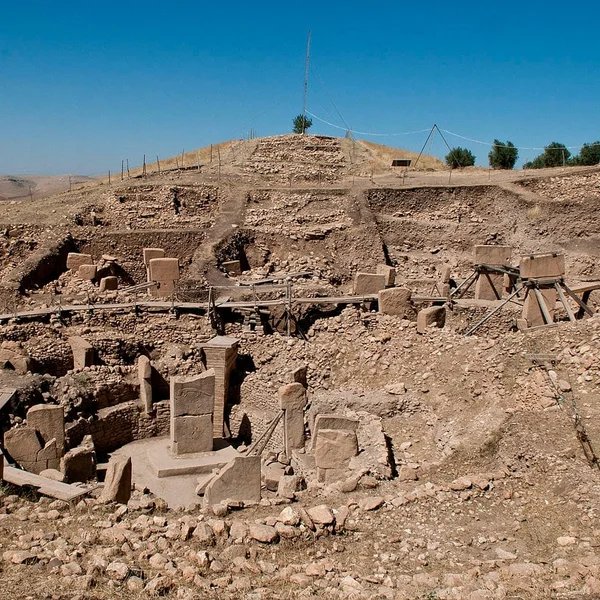
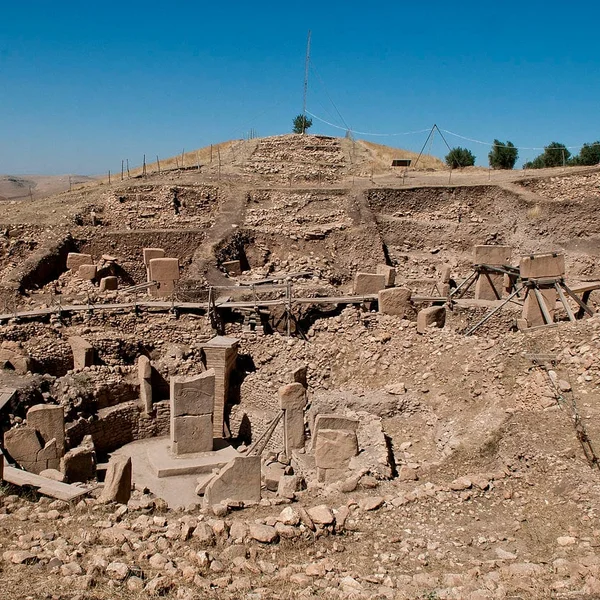
Göbekli Tepe
The world's oldest known monumental sanctuary, predating Stonehenge by roughly 6,000 years. Massive carved T-s
Türkiye
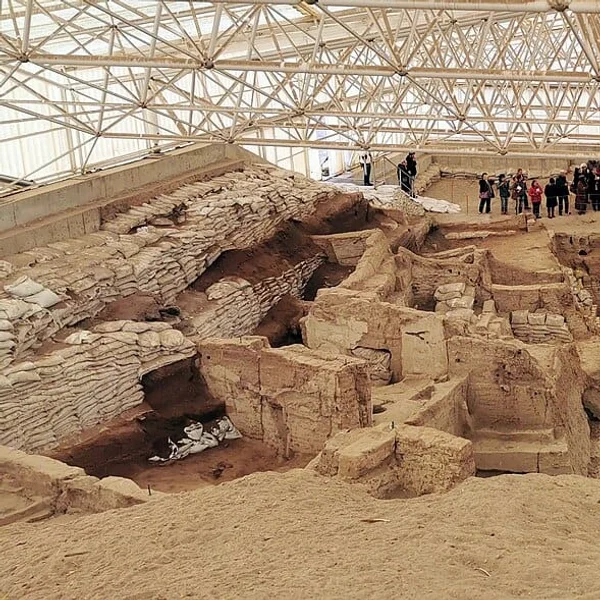
Çatalhöyük
One of the world's earliest known proto-urban settlements, occupied from roughly 7400 to 5600 BCE. Famous for
Türkiye
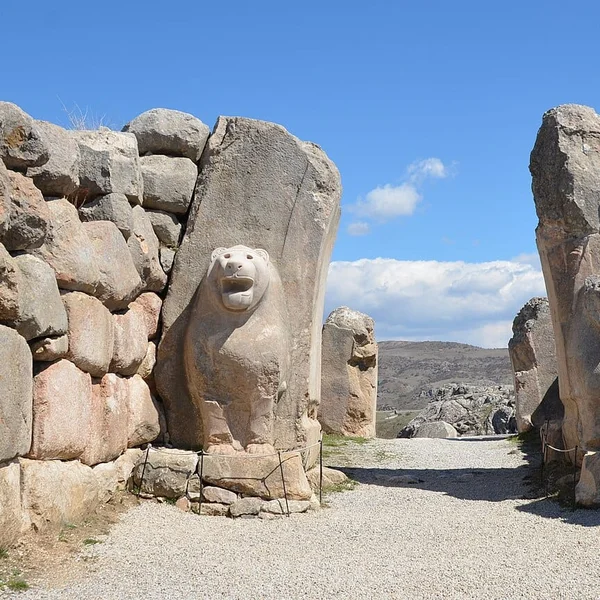
Hattusha
Capital of the Hittite Empire, one of the great powers of the Late Bronze Age. Features massive fortifications
Türkiye
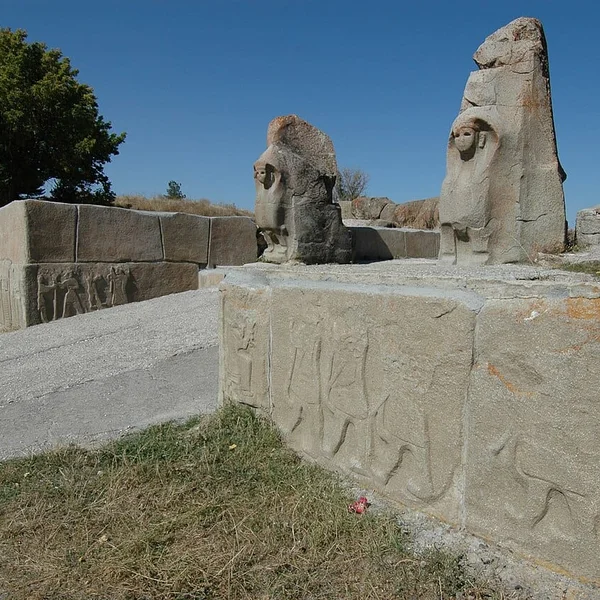
Alacahöyük
One of the most important pre-Hittite and Hittite sites in Anatolia. The royal tombs yielded spectacular gold
Türkiye
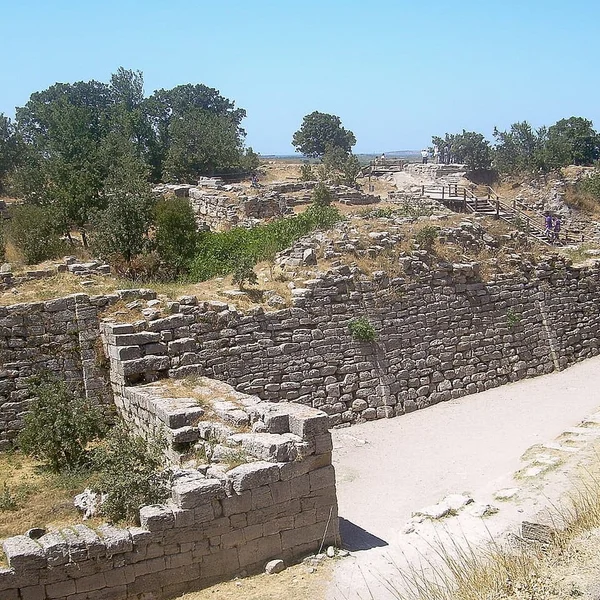
Troy
Nine settlement layers at Hisarlık in northwestern Türkiye, where Heinrich Schliemann dug for Homer's Troy and
Türkiye
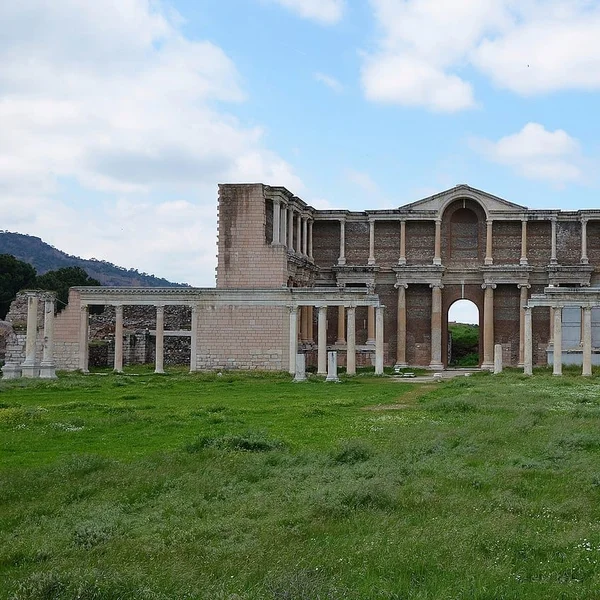
Sardis
Capital of the Lydian Kingdom, where coinage was likely invented. Home to King Croesus and his legendary wealt
Türkiye
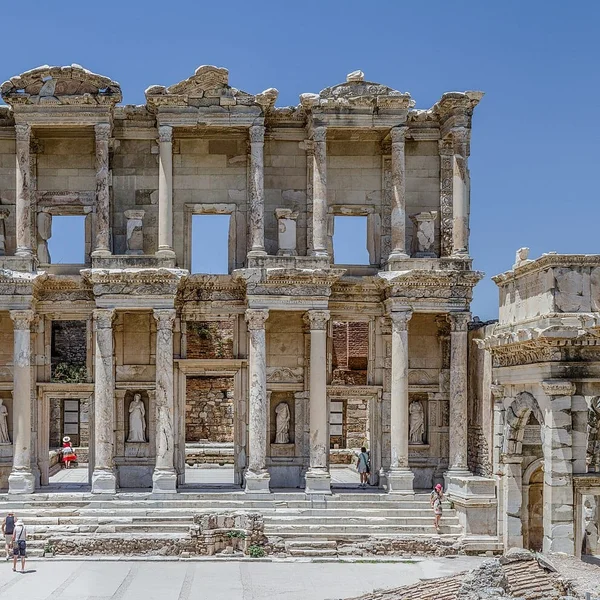
Ephesus
Major Ionian city near modern Selçuk, once home to the Temple of Artemis and later a Roman metropolis of marbl
Türkiye
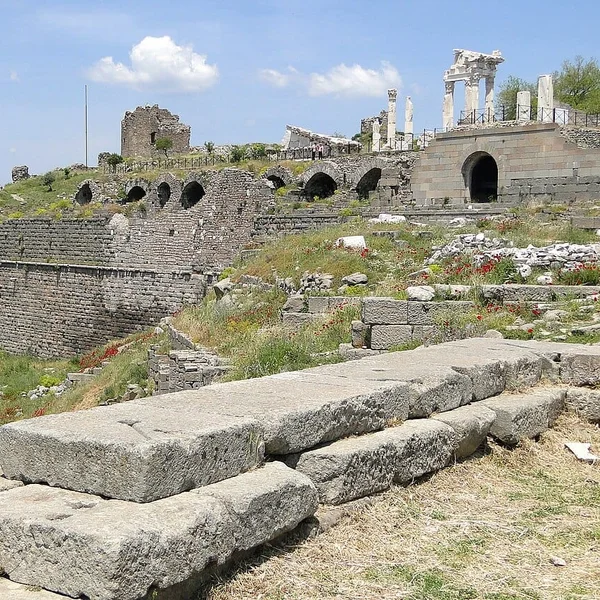
Pergamon
A major Hellenistic capital perched on a dramatic acropolis, renowned for its Great Altar, its library rivalin
Türkiye
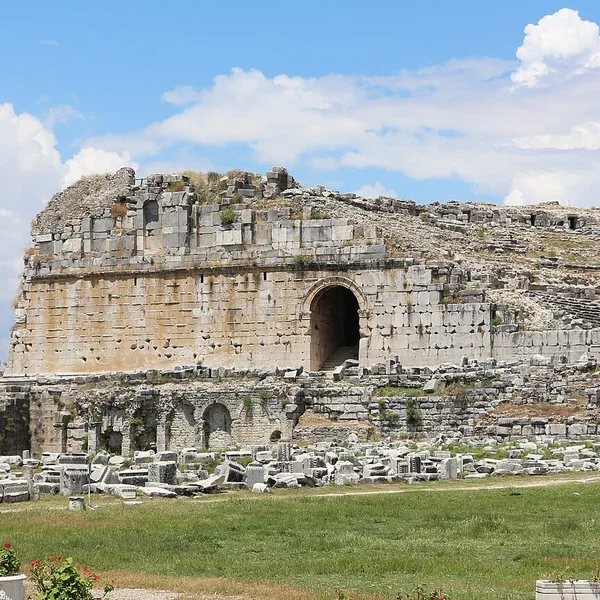
Miletus
Birthplace of Western philosophy — home to Thales, Anaximander, and Anaximenes. One of the greatest Ionian cit
Türkiye
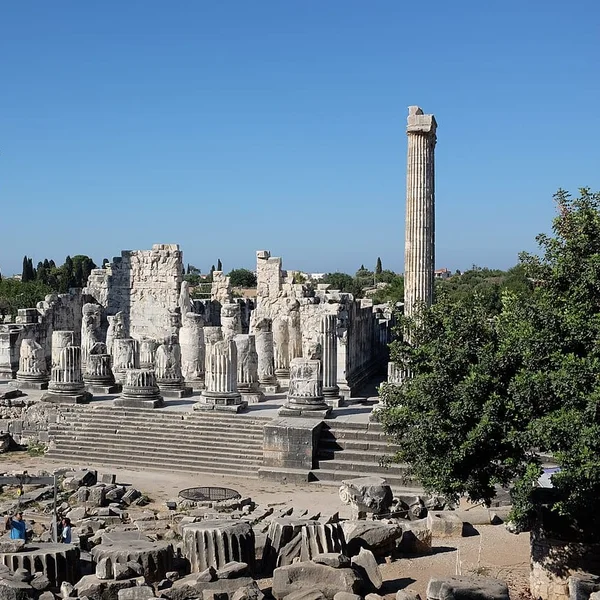
Didyma
Site of one of the most important oracles of the ancient world and the colossal Temple of Apollo — one of the
Türkiye
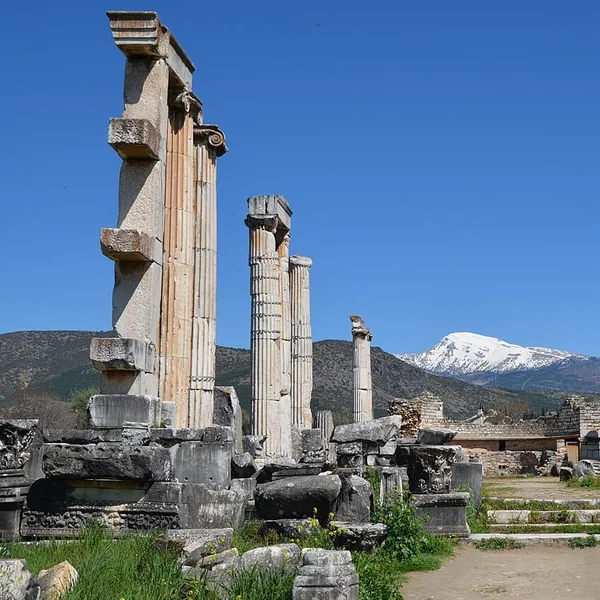
Aphrodisias
A Greco-Roman city famed for its marble sculpture workshops, the Temple of Aphrodite, and a remarkably well-pr
Türkiye
Hierapolis
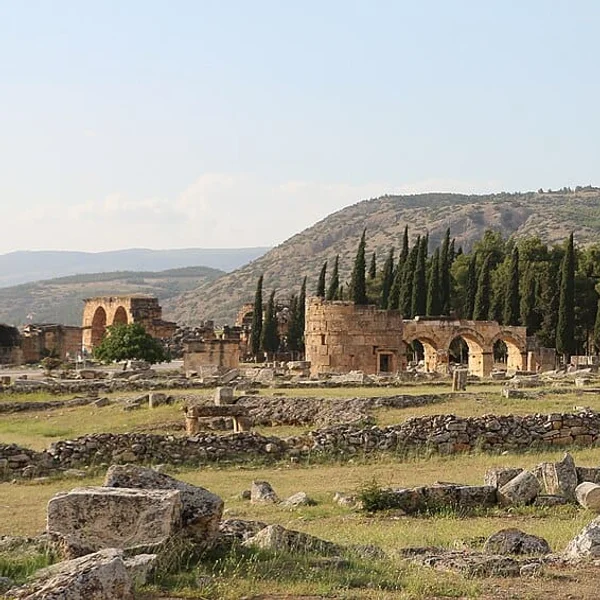
A Greco-Roman spa city perched above the famous white travertine terraces of Pamukkale. One of the best-preser
Deep time: Göbekli Tepe and Çatalhöyük
Göbekli Tepe near Şanlıurfa overturned lazy timelines of “temples after farming.” T-shaped pillars carved with animals stand in circular enclosures dated to the 10th–9th millennia BCE — monumental ritual architecture before the classic Neolithic village package. Read Confirmed lines on the site page for what radiocarbon and stratigraphy actually establish, and treat popular “first temple on Earth” phrasing as marketing until the evidence block agrees.
Çatalhöyük on the Konya plain is a different Neolithic argument: a dense settlement of mudbrick houses entered from the roof, with wall paintings, bucrania, and burial under floors across roughly 7400–6000 BCE. Together, Göbekli and Çatalhöyük show why Anatolia remains central to debates about ritual, sedentism, and early complexity.
Hittite highlands: Hattusha and Alacahöyük
Hattusha (Boğazkale) was the capital of the Hittite Empire in the Late Bronze Age. Fortification walls, temples, the Büyükkale citadel, and rock sanctuaries such as Yazılıkaya still define the highland landscape of central Anatolia. Treat Hattusha as the political and archival centre of a state that negotiated with Egypt and Mitanni — not merely a ruin field.
Nearby Alacahöyük bridges Early Bronze Age royal tombs (famous for metal standards) and later Hittite monumental gates. Pair it with Hattusha in the compare tool when teaching imperial versus regional Hittite archaeology.
Homeric and Lydian west: Troy and Sardis
Troy at Hisarlık is both a Bronze Age tell with multiple cities and a modern battleground of Homeric imagination versus stratigraphy. Schliemann’s early trenches damaged as much as they revealed; later work clarified the citadel phases. Use the evidence ratings when students ask “which Troy is Homer’s.”
Sardis was the Lydian capital where Croesus’s wealth became proverbial, then a major Roman city with a synagogue and gymnasium complex. It anchors western Anatolia between inland highlands and the Aegean coast.
Ionic and Attalid coast: Ephesus, Pergamon, Miletus, Didyma
Ephesus remains the most visited Roman cityscape in Türkiye: Curetes Street, the Library of Celsus, the theatre, and harbour silting that stranded a once-maritime megacity. It is also a laboratory for Roman provincial urbanism and early Christian topography.
Pergamon (Bergama) climbs a dramatic acropolis: Attalid capital, altar of Zeus (sculptures now largely in Berlin), Asklepieion below. Altitude and terracing are part of the politics of display.
Miletus and its sanctuary at Didyma form a classic Ionic pair — Milesian thinkers and colonisation networks, Didyma’s vast Apollo temple and oracular tradition. Walk them as a coast-and-sanctuary system, not isolated monuments.
Aphrodisias and Hierapolis: marble and thermal sacred landscapes
Aphrodisias in Caria produced sculpture for the Roman world; the stadium, sebasteion, and unfinished marble still teach workshop and imperial cult. Hierapolis above Pamukkale’s travertine terraces combines thermal pilgrimage with a vast necropolis and theatre — a reminder that Anatolian sacred landscapes often fuse geology with cult.
How to use this guide on Atlas Anatolia
- Open the interactive map of the ancient world and filter Türkiye / Anatolian civilizations.
- Browse all archaeological sites in Turkey for the full published set.
- Side-by-side: compare Hattusha and Ephesus to contrast highland empire and coastal Roman city.
- Related reading: 12 must-visit ancient sites in Anatolia · UNESCO archaeological world heritage map · Göbekli Tepe vs Stonehenge
Anatolian archaeology rewards slow reading. Prefer Confirmed excavation dates and Inscribed UNESCO notes over travel-brochure superlatives — then let the map show how close these worlds really are.
Last updated: July 2026


