71 sites publiés en Türkiye / Anatolie.
45 monuments patrimoniaux masqués
World Record
Most-Visited Ancient Site in the World
3000 av. J.-C. – 500 apr. J.-C.
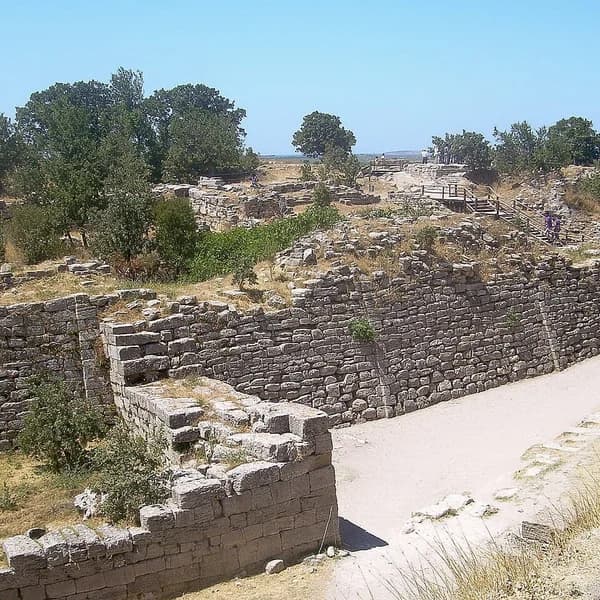
Nine settlement layers at Hisarlık in northwestern Türkiye, where Heinrich Schliemann dug for Homer's Troy and archaeologists still debate which level matches a historical war. UNESCO listed the site in 1998; renewed interest from epic film adaptations keeps new visitors comparing poetry with stone.
Continent Record
Most-Visited Ancient Site in Asia
9600 av. J.-C. – 8000 av. J.-C.
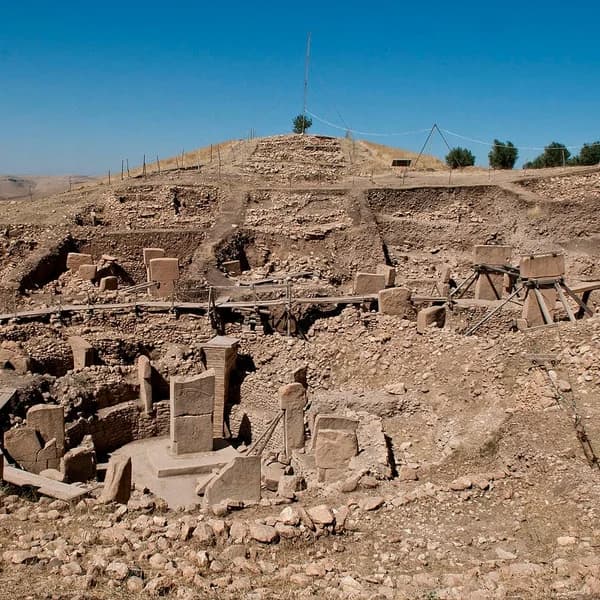
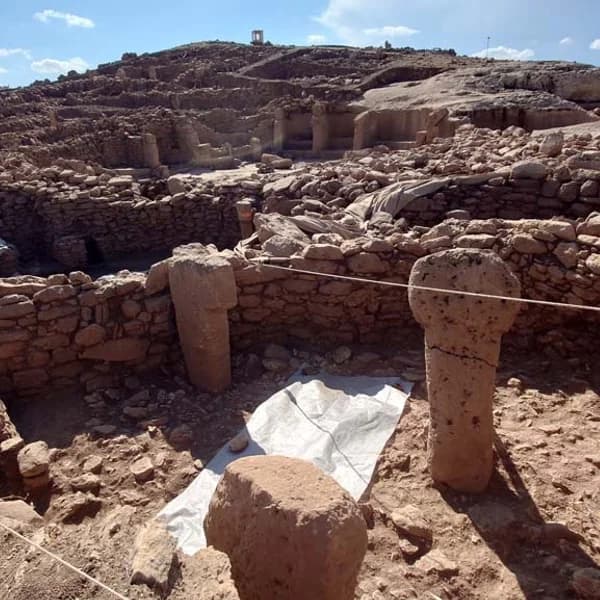
The world's oldest known monumental sanctuary, predating Stonehenge by roughly 6,000 years. Massive carved T-shaped pillars arranged in circles suggest complex ritual activity among pre-agricultural communities.
1000 av. J.-C. – 700 apr. J.-C.
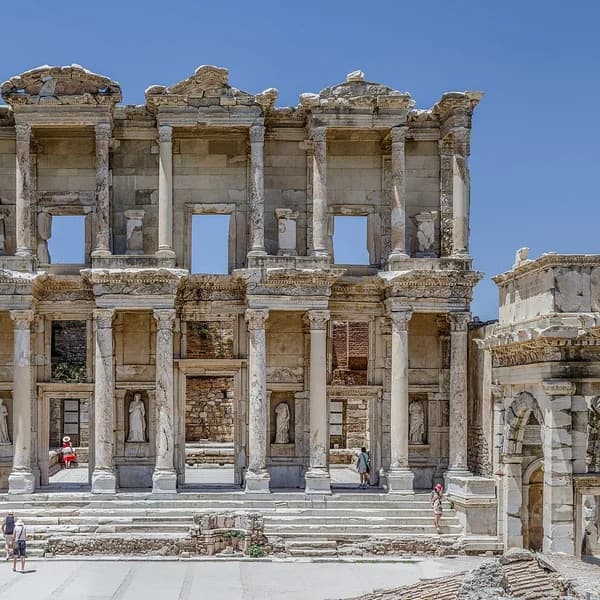
Major Ionian city near modern Selçuk, once home to the Temple of Artemis and later a Roman metropolis of marble streets, terrace houses, and the Library of Celsus. Paul's epistles and pilgrimage routes kept Ephesus famous after the ancient harbour silted away.
800 av. J.-C. – 1923 apr. J.-C.
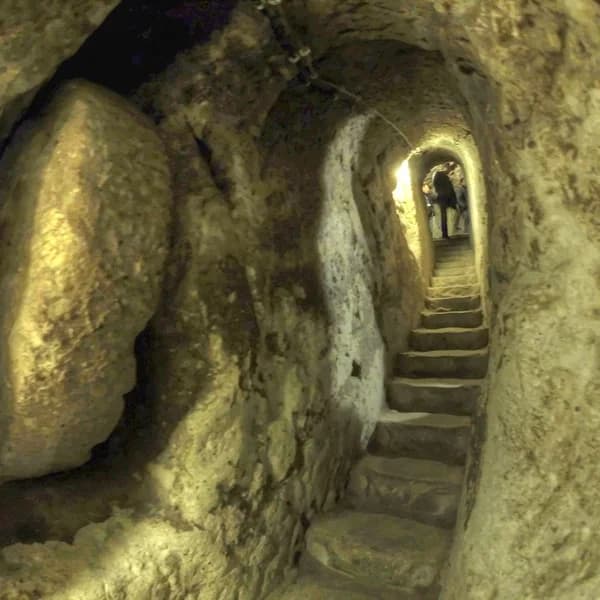
The deepest known underground city in the world, extending 85 meters below the surface with 18 levels. It could shelter approximately 20,000 people along with livestock and food stores.
Oldest Sanctuary in Asia
9500 av. J.-C. – 7800 av. J.-C.
Karahan Tepe is a Pre-Pottery Neolithic settlement in southeastern Türkiye, contemporaneous with Göbekli Tepe, featuring monumental architecture and ritual enclosures.
500 apr. J.-C. – 1400 apr. J.-C.
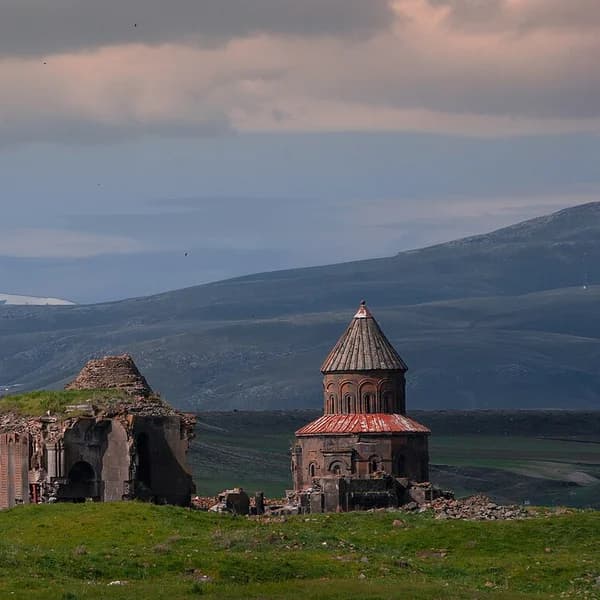
A medieval Armenian capital on the Turkish-Armenian border, once home to over 100,000 people. Its ruins include magnificent churches, mosques, and fortifications spanning centuries of multicultural history.
Country Record
Oldest Settlement in Türkiye
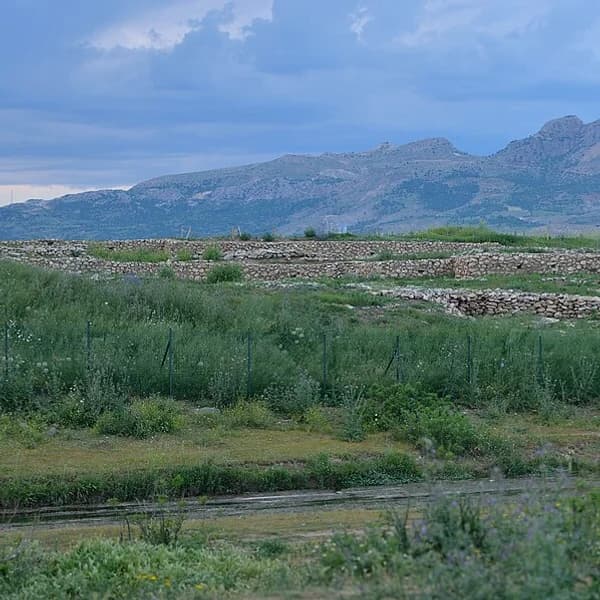
7400 av. J.-C. – 5600 av. J.-C.
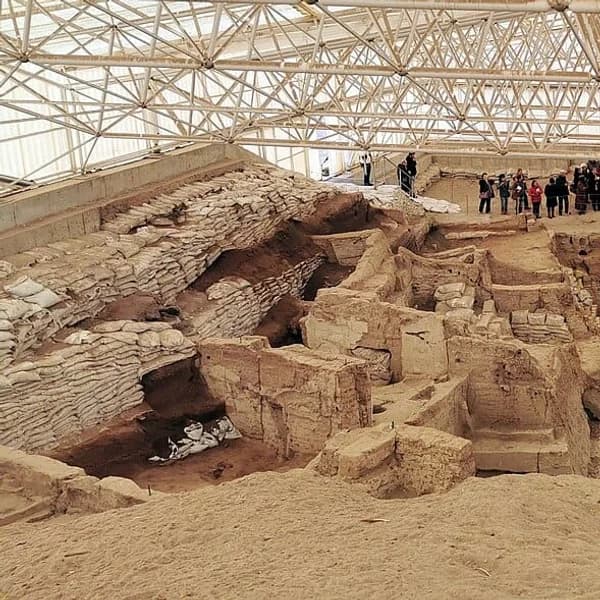
One of the world's earliest known proto-urban settlements, occupied from roughly 7400 to 5600 BCE. Famous for its densely packed mudbrick houses, wall paintings, and evidence of a remarkably egalitarian Neolithic community.
300 av. J.-C. – 1268 apr. J.-C.
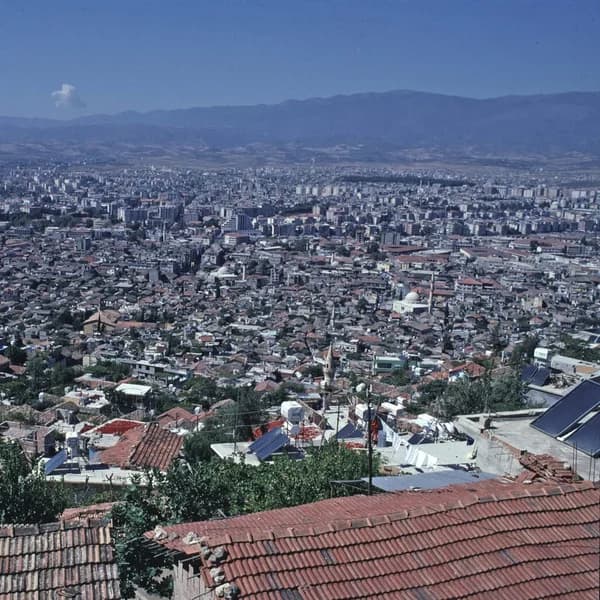
One of the four great cities of the ancient world and a cradle of early Christianity. Antioch's extraordinary mosaics rival those of Pompeii, and its layered history spans Hellenistic, Roman, Byzantine, and Islamic civilizations.
Oldest Settlement in Turkey
9100 av. J.-C. – 5500 av. J.-C.
A Pre-Pottery Neolithic settlement on the Ergani plain near Diyarbakır, famous for its grill-plan and cell-plan houses, a skull building, and some of the earliest copper and malachite working in Southwest Asia. In 2026 excavators uncovered a 5 m² workshop dated 6900-6800 BCE.
800 av. J.-C. – 700 apr. J.-C.
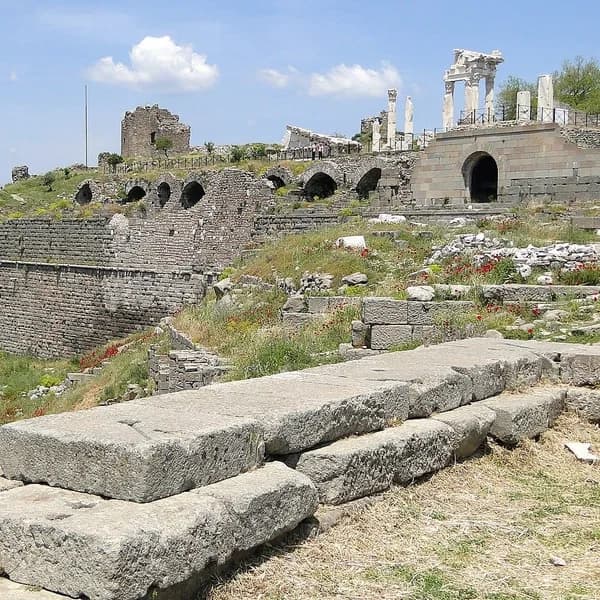
A major Hellenistic capital perched on a dramatic acropolis, renowned for its Great Altar, its library rivaling Alexandria, and the Asclepion healing center.
190 av. J.-C. – 1354 apr. J.-C.
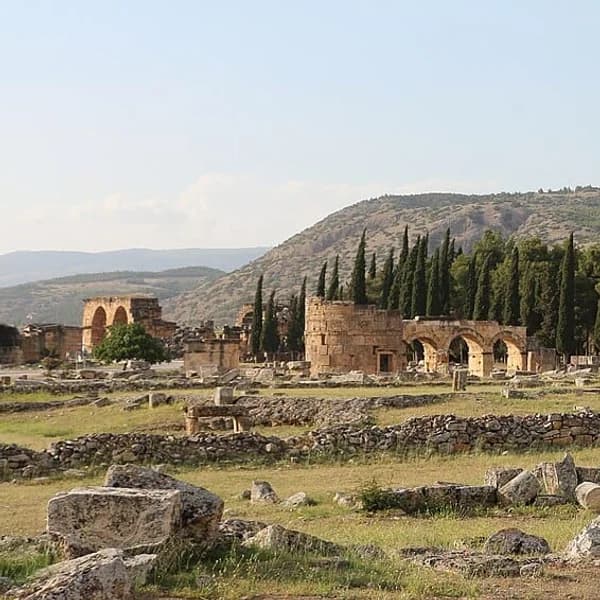
A Greco-Roman spa city perched above the famous white travertine terraces of Pamukkale. One of the best-preserved ancient cities in Turkey, with a vast necropolis, theatre, and the Plutonium — a gate to the underworld.
400 av. J.-C. – 400 apr. J.-C.
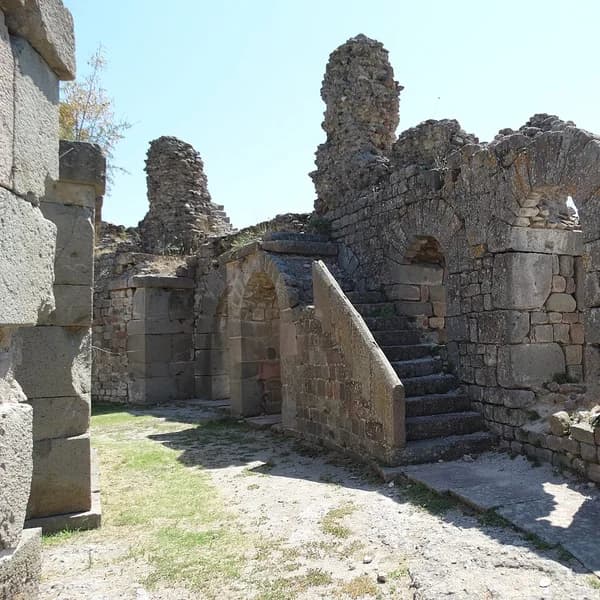
One of the most important healing centers of the ancient world, where the physician Galen practiced, patients slept in sacred dormitories to receive divine dream cures, and a sophisticated system of therapy combined medicine, psychology, and religious ritual.