



309 sites
Interactive timeline mapped to sites
Scrub 12,000 years of ancient civilizations — eras and empires anchored to 309 excavated sites with dates, maps, and evidence ratings.
Atlas Anatolia
Historical Eras
Hover the timeline to scrub through time — packed lanes show overlapping eras. Switch to Catalog for a readable list.
12k BCE — 1500 CE
Roman
31 BCE – 476 CE
120 archaeological sites in the atlas are linked to this period — from settlements and temples to fortresses and monuments.
Sites
120
Span
507 years
Density
236.7
sites / 1k yrs
Historical Eras
Prehistoric
3000000 BCE – 3300 BCE
3 sites
Paleolithic
3000000 BCE – 10000 BCE
14 sites
Mesolithic
10000 BCE – 7000 BCE
4 sites
Neolithic
10000 BCE – 3000 BCE
30 sites
Chalcolithic
5000 BCE – 3000 BCE
13 sites
Bronze Age
3300 BCE – 1200 BCE
56 sites
Iron Age
1200 BCE – 550 BCE
58 sites
Classical
800 BCE – 323 BCE
112 sites
Hellenistic
323 BCE – 31 BCE
97 sites
Roman
31 BCE – 476 CE
120 sites
Late Antique
200 CE – 700 CE
55 sites
Early Medieval
500 CE – 1000 CE
42 sites
Byzantine
330 CE – 1453 CE
46 sites
Medieval
500 CE – 1500 CE
55 sites
High Medieval
1000 CE – 1500 CE
31 sites
Ottoman
1299 CE – 1922 CE
3 sites
Early Modern
1500 CE – 1800 CE
18 sites
Pre-Columbian
2000 BCE – 1500 CE
43 sites
Dynastic Egypt
3100 BCE – 332 BCE
14 sites
Imperial China
221 BCE – 1912 CE
9 sites
Civilizations
How to read this ancient civilizations timeline
An ancient civilizations timeline is a chronological map of complex societies — when they emerge, overlap, and fade — anchored here to excavated sites rather than textbook cartoons. Scrub the axis, open an era, then a civilization page. Wikipedia’s lists are encyclopedias; this page is a working atlas: dates jump to real coordinates, evidence grades, and a compare tool.
Compare civilizations on the map
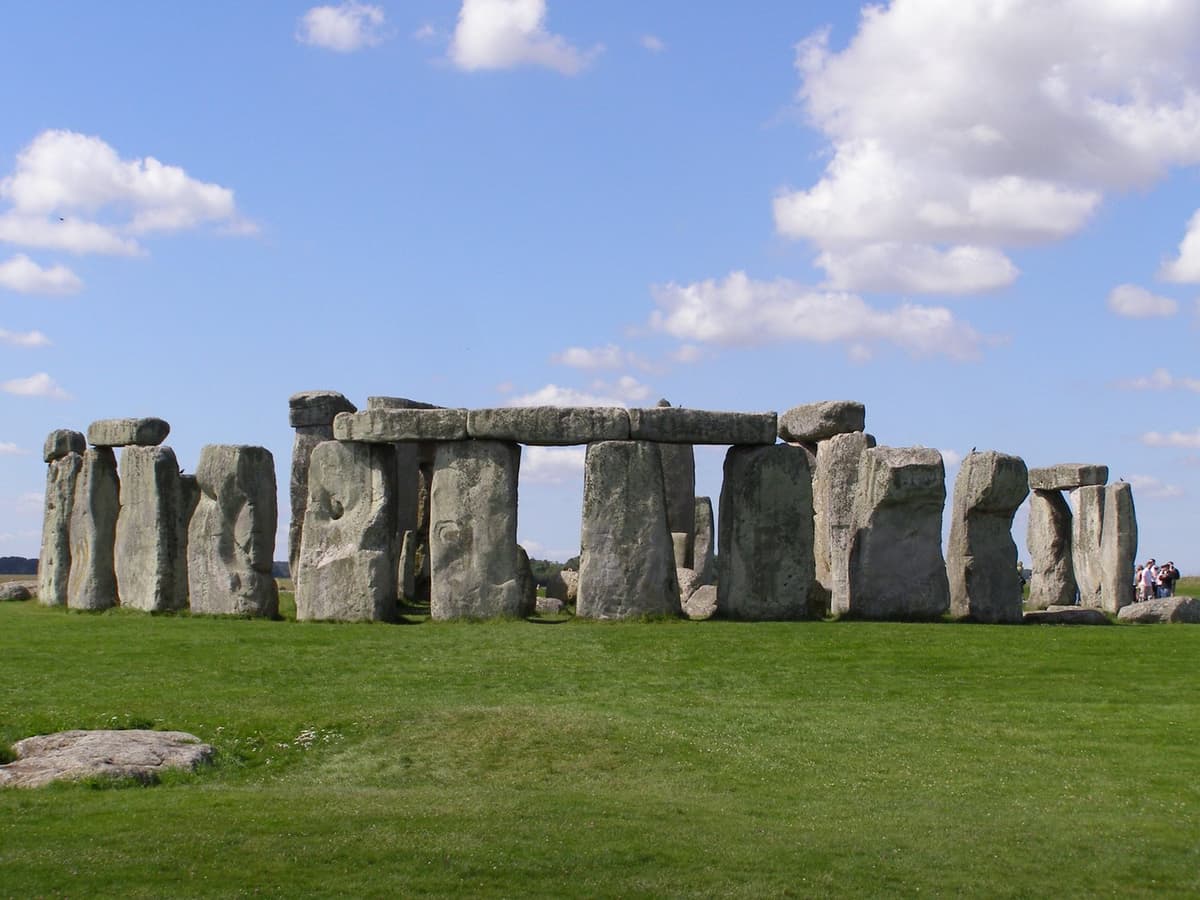
Göbekli Tepe vs Stonehenge
Pre-Pottery Neolithic T-pillars against a later British stone circle — dating contrast, not sameness.
Egypt and Sumer
Two early urban worlds on different rivers; open civilization timelines for Egypt and Sumer beside the compare set.
Greece and Rome
Sanctuary and amphitheatre as civic machines — then jump to each civilization’s full site list.
Khmer and Maya
Two tropical urban traditions now both reshaped by LiDAR. Start at Angkor Wat, then the Maya timeline.
Related hubs
Ancient civilizations timeline FAQ
What is an ancient civilizations timeline?
An ancient civilizations timeline orders complex societies by date — Sumer, Egypt, the Indus, China, Mesoamerica, the Andes — so you can see overlap instead of a single “torch” passed around the Mediterranean. Atlas Anatolia’s timeline is interactive and anchored to 309 excavated sites.
Which civilization is usually considered the oldest?
Sumerian city life in southern Mesopotamia is the usual textbook start, with Uruk urban by the late fourth millennium BCE. Caral in Peru and early Indus cities reach comparable complexity within a few centuries. “Oldest” depends on whether you require writing, cities, or monuments.
Why is the Atlas timeline better than a static chart?
A static chart cannot open a site dossier. Here each era and civilization links to mapped places with evidence ratings, then to a compare tool. The companion essay “The Complete Timeline of Ancient Civilizations” is the narrative; this page is the working index.
Can I compare two civilizations side by side?
Yes. Use atlasanatolia.com/compare with any published sites — presets on this page include Göbekli Tepe vs Stonehenge, Egypt and Sumer, Greece and Rome, and Angkor with Tikal. Civilization pages also offer a compare set when two well-known sites exist.