1500 BCE – 1300 CE · 7 sites
1000 BCE – 400 CE
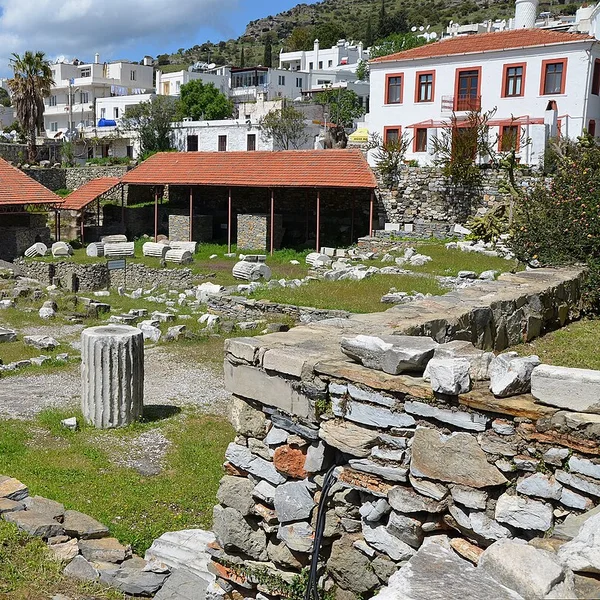
Home to the Mausoleum at Halicarnassus — one of the Seven Wonders of the Ancient World — and birthplace of Herodotus, the "Father of History," this Carian-Greek city remains one of the most storied places on the Aegean coast.
600 BCE – 1200 CE
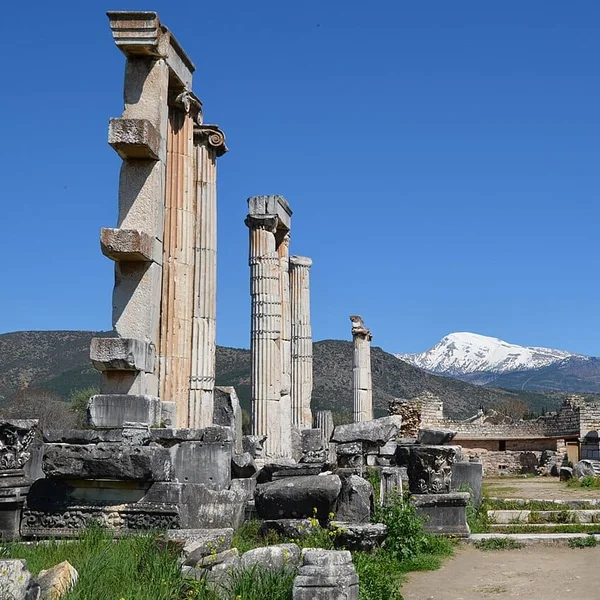
A Greco-Roman city famed for its marble sculpture workshops, the Temple of Aphrodite, and a remarkably well-preserved stadium seating 30,000.
900 BCE – 400 CE
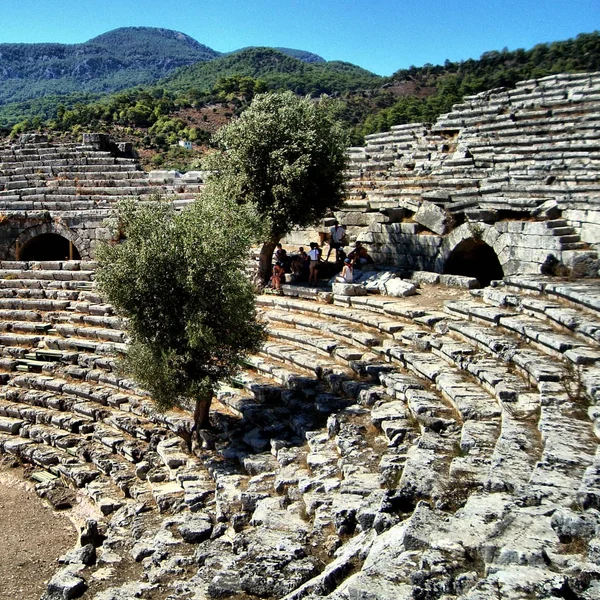
An ancient harbor city famous for its magnificent Lycian rock-cut tombs carved into cliff faces above the Dalyan River — one of the most iconic archaeological vistas in Turkey.
300 BCE – 1300 CE
A remarkably well-preserved Hellenistic and Roman city in Caria, unique for being partially inhabited by the modern village of Eskihisar, creating a living landscape where ancient and contemporary coexist.
Country Record
Known by the Most Names in Türkiye
500 BCE – 400 CE
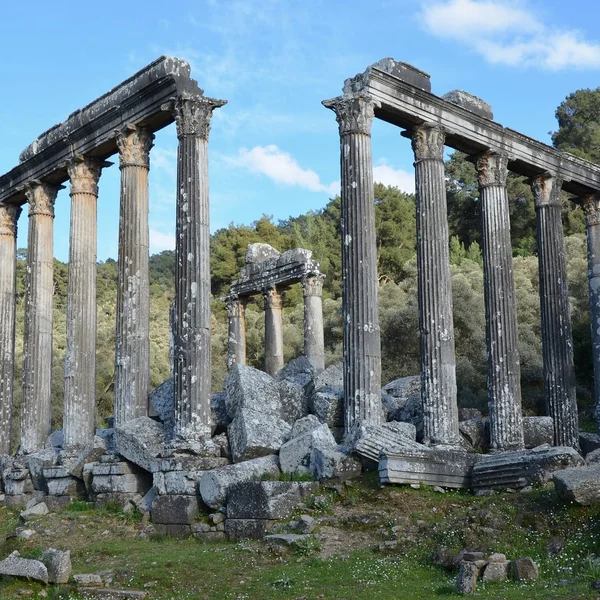
Home to one of the best-preserved ancient temples in Anatolia — the Temple of Zeus Lepsynos stands with 16 of its original Corinthian columns intact amid an olive grove, a hauntingly beautiful sight.
1500 BCE – 600 CE
A Carian fishing city on a fortified peninsula jutting into the Gulf of Güllük, famous in antiquity for its abundant fish and red marble, with a well-preserved Roman agora and evidence of settlement stretching back to the Bronze Age.
Known by the Most Names in Turkey
500 BCE – 1200 CE
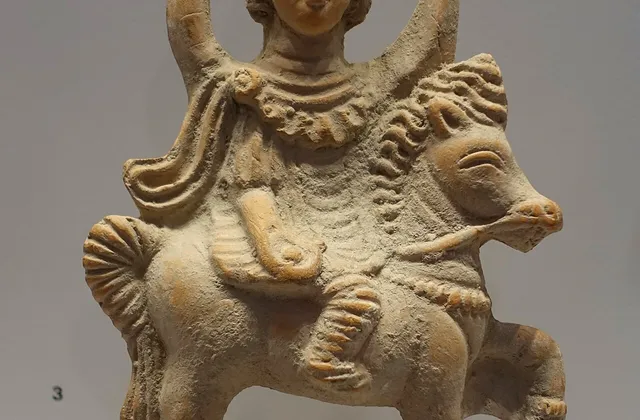
Ancient hilltop city situated on the rugged northern spurs of Mount Salbacus (modern Babadag) at the border of Caria and Phrygia. Renowned for its civic worship of the indigenous lunar god Men Karou and Apollo, its intact Roman arched bridge, and the 2026 discovery of a unique cylindrical terracotta sarcophagus adorned with a relief mask of Silenos.