

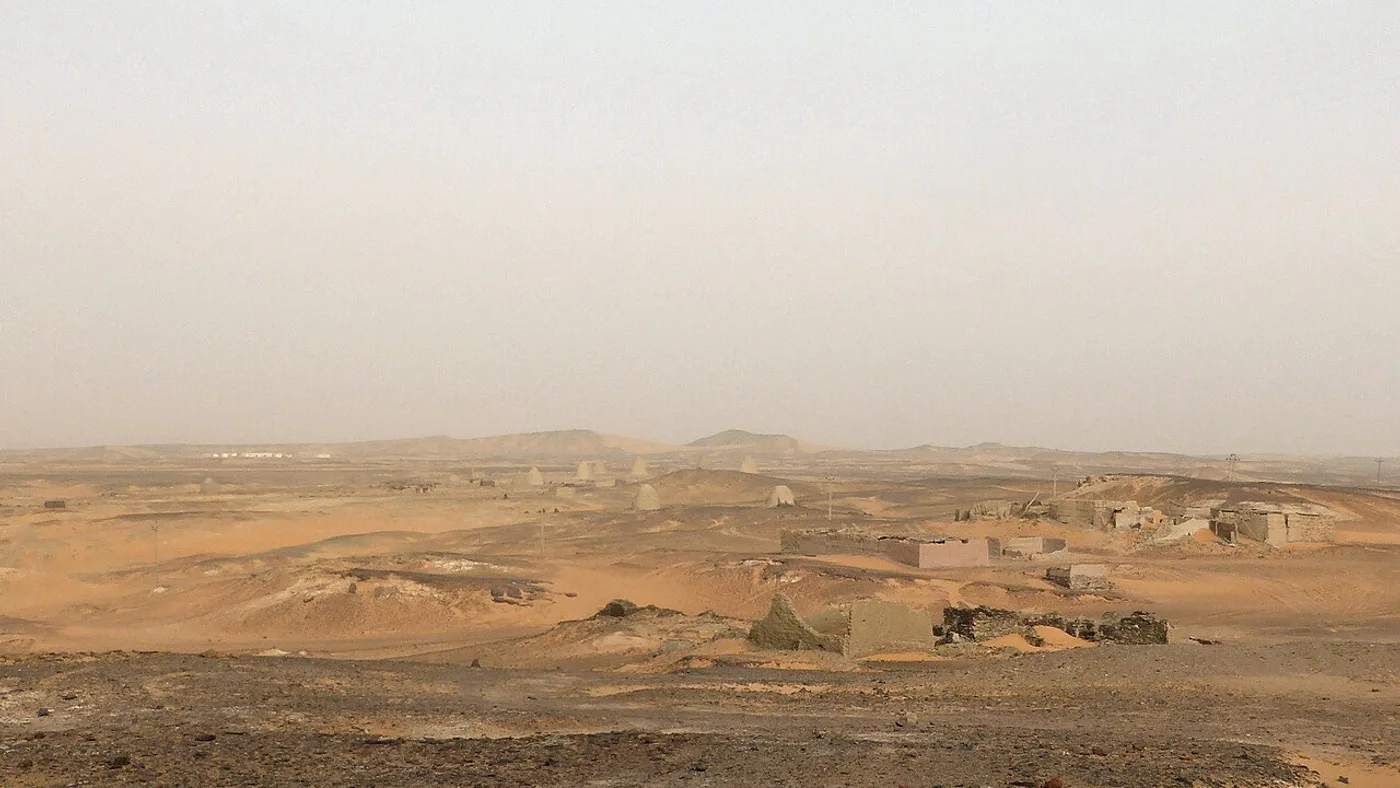
For more than sixty years, archaeological work at Old Dongola along the east bank of the Nile in northern Sudan has steadily overturned older colonial assumptions that medieval Christian Nubia was a distant provincial echo of Mediterranean Byzantium. In November 2026, that reassessment gained striking vertical proof. A joint expedition from the Polish Centre of Mediterranean Archaeology (PCMA) at the University of Warsaw and Sudan's National Corporation for Antiquities and Museums (NCAM), directed by Prof. Artur Obłuski, announced that excavators working inside the ruins of the Great Church of Jesus had finally reached the cathedral's original medieval floor.
They did not walk onto an eroded stone pavement just below modern desert gravel. Instead, the team cleared a monumental staircase flanked by structural mudbrick and masonry walls still standing approximately 11 meters (36 feet) high. Alongside the stairwell, fieldwork exposed massive structural buttresses bracing the building's eastern apse as well as an unexpected second, smaller church constructed on an upper story of an adjoining complex.
For historians of Africa and the medieval Mediterranean, the breakthrough opens direct stratigraphic access to what Arabic chroniclers remembered as the wealthiest and grandest cathedral in Christian Nubia: the spiritual anchor of the kingdom of Makuria (c. 500 to the 14th century CE).
Sudan
Old Dongola
Medieval Nubian metropolis on the east bank of the Nile in northern Sudan and capital of the Christian kingdom
Türkiye
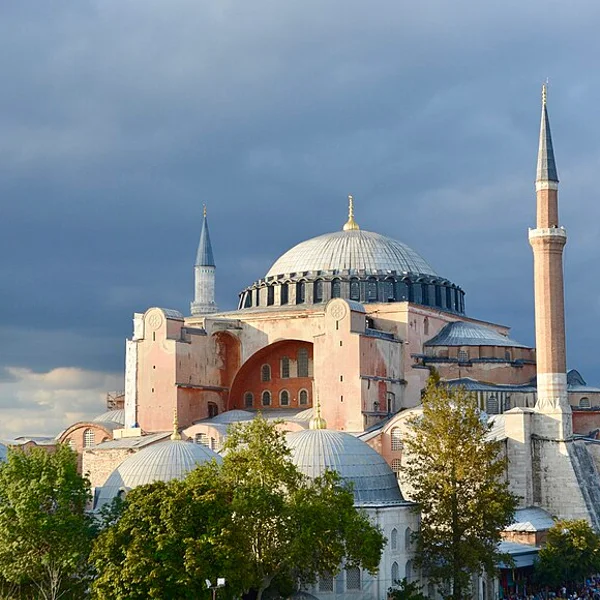
Hagia Sophia
The supreme achievement of Byzantine architecture — a vast domed basilica built by the emperor Justinian in Co
Sudan
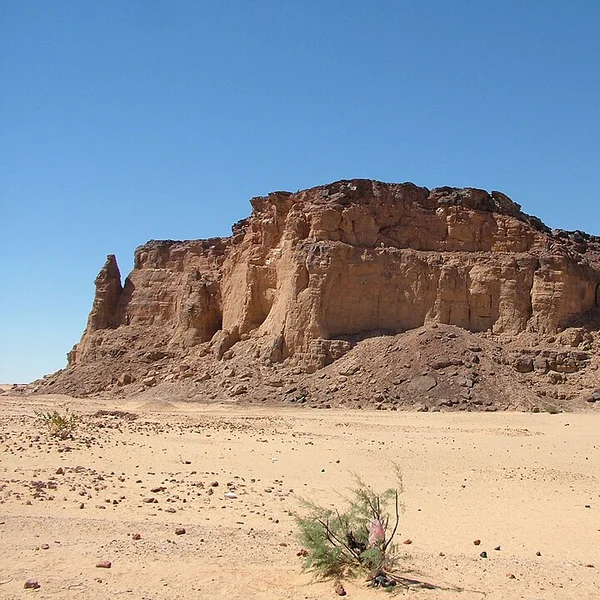
Jebel Barkal
A sandstone butte and temple complex at the Fourth Cataract bend of the Nile in Sudan, sacred to Amun and the
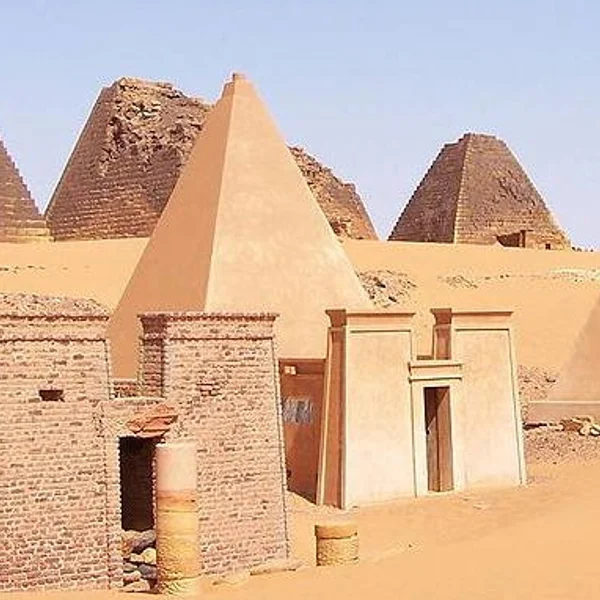
Sudan
Meroë
Ancient capital of the Kingdom of Kush, Meroë flourished from 800 BCE to 350 CE, famed for its steep-sided pyr
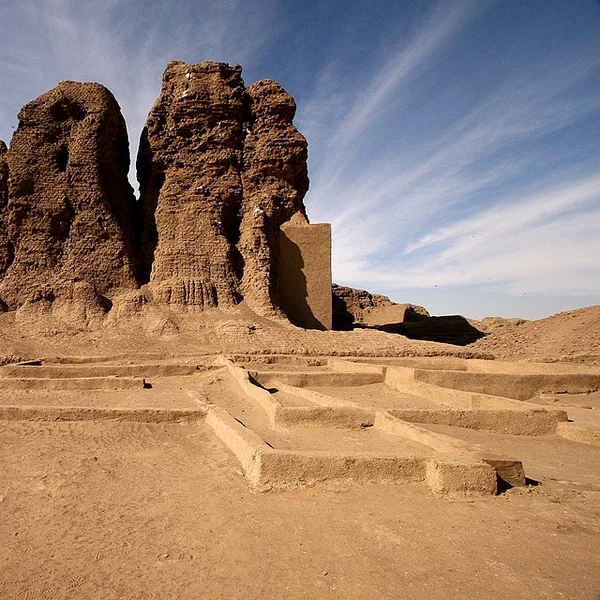
Sudan
Kerma
The capital of one of the earliest and most powerful kingdoms of ancient sub-Saharan Africa — a Nubian city on

Ethiopia
Aksum
Capital of the Aksumite Empire (c. 100–940 CE), one of the great powers of late antiquity — the only African s
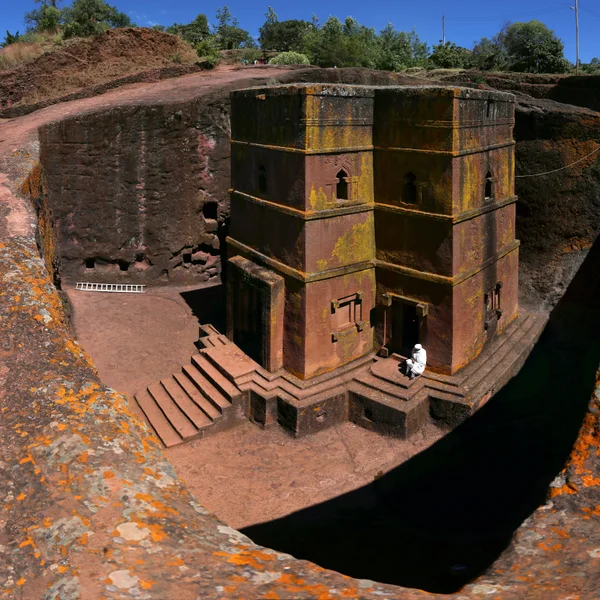
Ethiopia
Lalibela
A complex of 11 monolithic rock-hewn churches carved in the 12th–13th centuries, representing the pinnacle of
Deconstructing the Headlines: "Larger Than the White House" and "Africa's Hagia Sophia"
Within hours of the November 2026 announcement, international news headlines distilled the excavation into two memorable soundbites: that archaeologists had uncovered a medieval African cathedral "larger than the White House" and found "Africa's Hagia Sophia." Both comparisons help readers grasp an unfamiliar Nubian monument, yet responsible scholarship must unpack what has actually been excavated from what remains inferred.
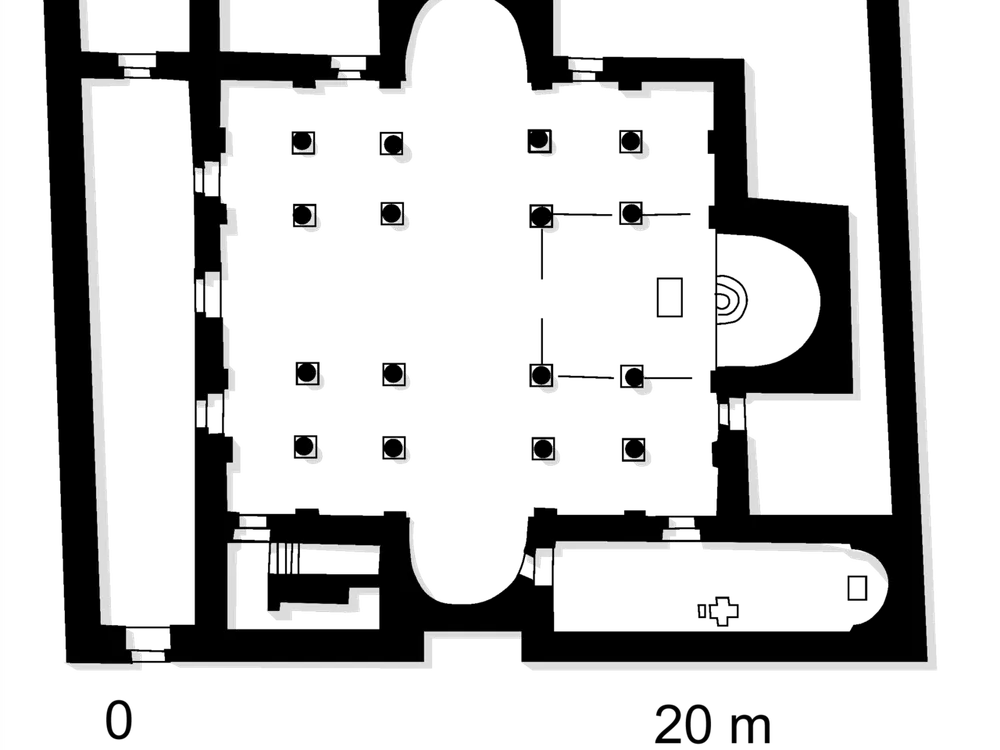
Because over eleven meters of collapsed vaulting and windblown desert fill still occupy the cathedral's main nave, excavators have so far exposed the original floor only at the base of the monumental staircase, not across the entire interior hall. Overall architectural proportions: an estimated ground footprint of 47 meters wide by 57 meters long (approximately 154 by 187 feet) and an original elevation estimated around 21 meters (equivalent to six modern stories): are derived from surface topographic mapping, upper wall crowns first identified in 2021, and targeted test trenches rather than complete floor clearance.
Similarly, Prof. Artur Obłuski's comparison with Hagia Sophia in Constantinople carries a precise art-historical meaning rather than implying literal architectural replication:
"In the history of architecture, certain buildings emerge that, to use a modern term, become trendsetters. Hagia Sophia in Constantinople, modern-day Istanbul, is certainly one such example. The Great Church of Jesus appears to be a natural candidate for such a role in Nubia, and perhaps even in this part of Africa." (Prof. Artur Obłuski, PCMA University of Warsaw, November 2026)
Makurian architects did not construct their cathedral out of Proconnesian marble columns shipped down from the Sea of Marmara. They engineered an indigenous monumental spatial composition in Nubian fired brick, mudbrick, sandstone, and granite that reshaped Christian liturgical design across northeastern Africa for centuries. Whether the central bay was crowned by a soaring masonry dome or spanned by a heavy timber-trussed roof remains an active architectural question awaiting excavation inside the nave itself.
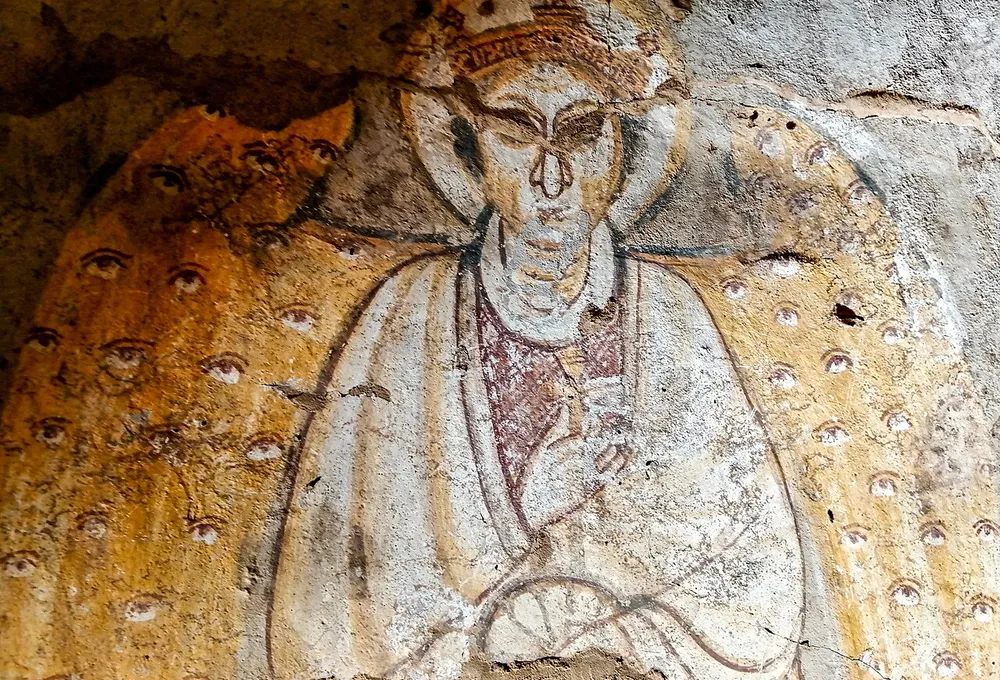
!Medieval Nubian winged angel wall painting from Old Dongola
Medieval Nubian winged angel wall painting from Old Dongola | Tanjagari via Wikimedia Commons (CC BY-SA 4.0)
Excavators reached the original medieval floor at the base of a monumental staircase in the Great Church of Jesus
Walls bordering the excavated stairwell survive roughly 11 meters (36 feet) high, with apse buttresses and an upper-floor church exposed nearby
Old Dongola served as the capital of the Christian Nubian kingdom of Makuria from the 6th to the 14th century CE
Surface mapping and test trenches indicate an overall cathedral footprint near 47 by 57 meters and an estimated height of 21 meters
The Great Church of Jesus functioned as the episcopal seat of the Bishop of Dongola and set architectural precedents across Christian Nubia
The cathedral's central hall carried a monumental masonry dome rather than a composite timber roof structure
Why Eleven Meters of Wall Survived: Geoarchaeology of the Nubian Sand
At most Classical Mediterranean sites, multistory ecclesiastical interiors survive only to hip or shoulder height because centuries of stone robbing and seasonal rainfall strip upper masonry courses down to their foundations. Why, then, do 11-meter walls still tower beside the staircase of the Great Church of Jesus?
Geoarchaeological research along the Middle Nile highlights two interlocking site-formation processes:
- Rapid Structural Entombment: Unlike Aegean marble basilicas whose cut blocks were systematically quarried for lime kilns and later fortresses, Nubian monumental architecture combined durable fired-brick outer skins with thick, unfired mudbrick cores. Once vaulting or upper timber decks gave way after the cathedral's late medieval abandonment, collapsed brickwork formed a dense protective cushion over lower corridors.
- Aeolian Sand Accumulation: Old Dongola sits on an exposed rocky eminence overlooking the Nile opposite Wadi Howar, squarely in the path of prevailing northern Saharan winds. Windblown quartz sand poured into empty courtyards and stairwells over centuries, creating deeply stratified fill that insulated underlying plaster, mortar, and staircases from thermal cracking and surface deflation.
What preserves monumental stratigraphy so faithfully, however, also dictates extreme caution in the field. Removing eleven vertical meters of loose sand and fractured vault masonry inside confined trenches requires stepped shoring, mechanical hoisting, and micro-stratigraphic recording so standing walls are never destabilized once their surrounding sediment support is removed.
The Baqt Treaty and Makuria's Golden Age (652 to 1317 CE)
Understanding how Makurian builders financed and staffed a cathedral on this scale requires looking beyond Egypt into Nubia's sovereign diplomacy. When Arab Muslim forces entered Egypt in the mid-7th century CE, Makurian armies halted southern expansion near the Nile cataracts. Rather than prolonged warfare, the two powers negotiated the Baqt in 652 CE: an enduring bilateral treaty regulating mutual non-aggression, safe passage for merchants, and annual diplomatic exchanges of enslaved laborers, grain, textiles, and luxury goods.
Protected by nearly six centuries of stable borders under the Baqt framework, Old Dongola (called Tungul in Old Nubian) flourished as one of Africa's great medieval capitals:
- Cosmopolitan Literacy: Monastic archives and wall inscriptions from the suburban Monastery on Kom H preserve prayers, royal decrees, legal deeds, and personal vows written side by side in four scripts and languages: Greek (liturgical prestige), Sahidic Coptic (monastic scholarship), Old Nubian (vernacular administration), and Arabic (commercial and diplomatic correspondence).
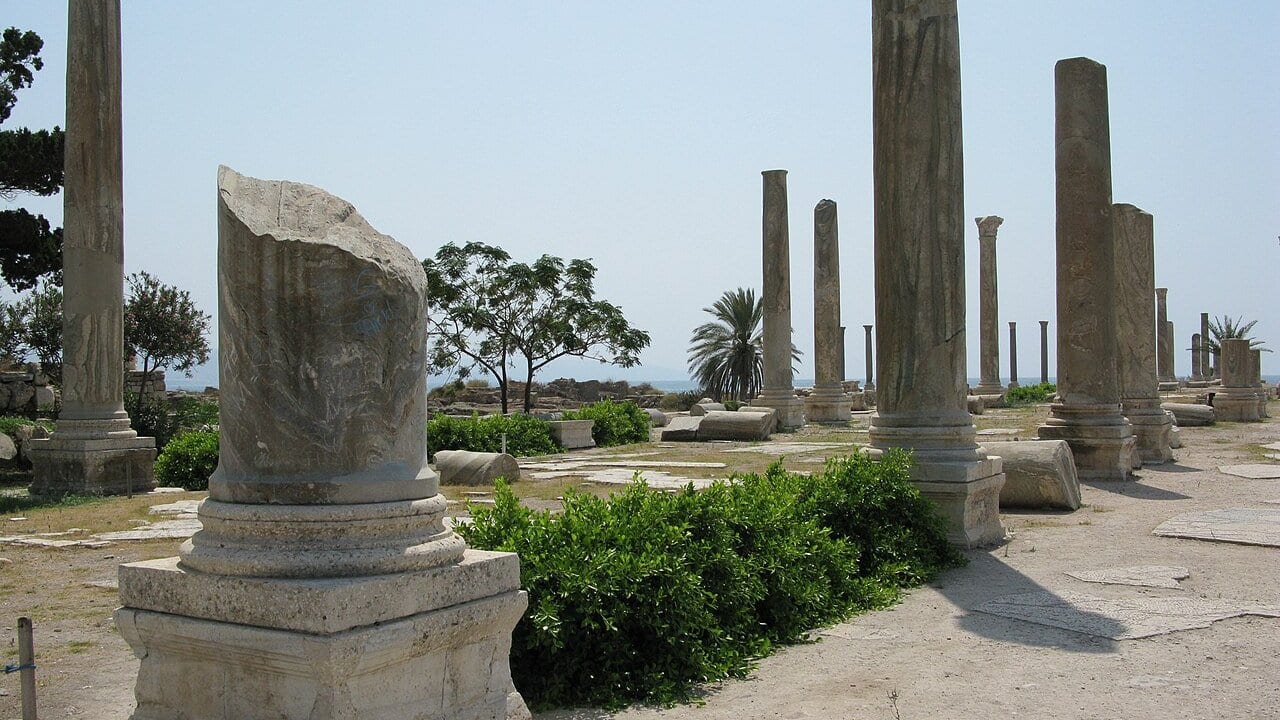
- Ecclesiastical Innovation: Prior to the November 2026 deep-trench campaign inside the Great Church of Jesus, Polish-Sudanese excavations directed by Kazimierz Michałowski, Stefan Jakobielski, and Włodzimierz Godlewski had already uncovered the Church of the Granite Columns (the Old Cathedral rebuilt around the late 7th century with sixteen towering monolithic granite shafts) and the ninth-century Cruciform Church, whose centralized plan radiated equal arms around a lofty core.
- Urban Residences and Painting: Painted lime plasters from Kom H and citadel dwellings depict archangels with peacock-feathered wings, Makurian bishops, and royal patrons clad in patterned silk robes alongside protective Nubian symbols.
!Granite shafts of the Church of the Granite Columns at Old Dongola
Granite shafts of the Church of the Granite Columns at Old Dongola | Udimu via Wikimedia Commons (CC BY-SA 3.0)
Polycentric Sacred Architecture: From Kerma and Meroë to Hagia Sophia and Lalibela
Older nineteenth- and twentieth-century diffusionist histories frequently framed Nile Valley civilizations along a strict north-to-south hierarchy, portraying Nubia as a passive borrower receiving architecture first from Pharaonic Egypt and later from Justinianic Constantinople. A polycentric view of ancient and medieval Northeast Africa reveals a far richer, multi-directional corridor of indigenous experimentation.
Long before Christianity reached the Third and Fourth Cataracts in the 6th century CE, Upper Nubia had sustained two millennia of independent monumental engineering. At Kerma (c. 2500 to 1500 BCE), builders erected massive mudbrick deffufas using vaulting, buttressing, and mud-plaster craft rooted in local soil mechanics. Later rulers of Kush raised temple complexes beneath the sacred mountain of Jebel Barkal and built hundreds of steep-sided royal pyramids across the plains of Meroë, blending Nilotic motifs with Mediterranean and Red Sea trade contacts.
Makurian church builders inherited those local construction traditions while conversing creatively with neighboring Christian realms. Across the Ethiopian Highlands to the southeast, Aksum carved towering monolithic stelae and early basilicas long before medieval rock-hewn sanctuaries transformed Lalibela into a subterranean pilgrimage topography. To the north, Constantinople's Hagia Sophia modeled how vaulted geometry and dramatic interior illumination could manifest cosmic sovereignty in stone and brick. Old Dongola's Great Church of Jesus stands squarely in that intersecting network: distinctively Nubian in its brickwork, painted liturgy, and spatial circulation, yet audacious enough in scale to challenge any cathedral between Alexandria and Aksum.
From Royal Throne Hall to Mosque (1317 CE): Continuity Without Erasure
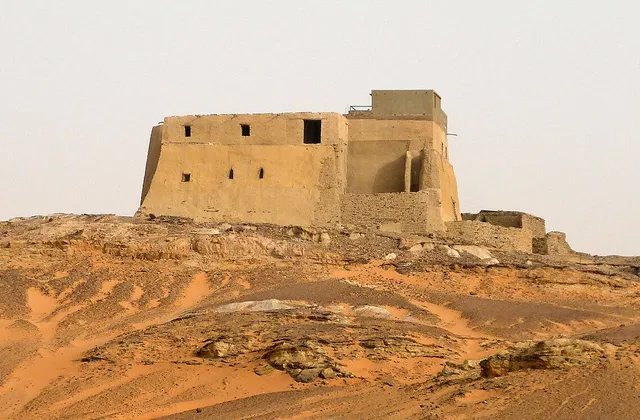
Medieval Nubia's transition from Christian monarchy to Islamic sultanate is often compressed into simple tropes of invasion and ruin. Old Dongola preserves far subtler archaeological testimony. Towering above the northern edge of the citadel stands the Throne Hall of the Makurian Kings, a monumental two-story mudbrick pavilion constructed in the 9th century CE where monarchs presided over court receptions above vaulted storage rooms.
In 1317 CE, during the reign of Abdullah Barshambu, the first Muslim Makurian king backed by Mamluk Cairo, the upper royal audience chamber was not demolished or burned. Instead, artisans whitewashed existing walls, inserted a mihrab prayer niche oriented toward Mecca, and installed an Arabic marble foundation inscription commemorating the hall's dedication as a mosque. Today it survives as the oldest standing mosque in Sudan, carrying medieval Nubian masonry straight into the Islamic period.
Around the citadel slopes, the site later evolved into a landscape of whitewashed domed Sufi saint tombs (qubbas) erected under the Funj Sultanate before political authority shifted to New Dongola downstream in the early 19th century. Far from representing a sudden dark age, Old Dongola's ruins document continuous reinterpretation of sacred high ground across fourteen centuries.
Sources and Further Reading
Architectural dimensions, stratigraphic details of the 2026 stairwell excavation, and regional comparative syntheses draw on field reports and scholarly monographs by the Polish-Sudanese mission and Nilotic historians:
- Archaeology Magazine (AIA) (9 November 2026): Archaeologists Uncover Original Floor of Nubia's Largest Medieval Cathedral
- Polish Centre of Mediterranean Archaeology (PCMA), University of Warsaw: Field dispatches by Prof. Artur Obłuski and Sudan NCAM
- Godlewski, Włodzimierz (2013): Dongola: Ancient Tungul, Archaeological Guide, PCMA UW Press
- Obłuski, Artur (2019): The Monasteries and Monks of Nubia, Journal of Juristic Papyrology Supplement Series
- Welsby, Derek A. (2002): The Medieval Kingdoms of Nubia: Pagans, Christians and Muslims along the Middle Nile, British Museum Press
Keep Exploring
- Old Dongola site dossier: Coordinates, key facts, excavation history, and evidence ratings
- Compare Old Dongola and Hagia Sophia: Side-by-side timeline, dimensions, and cross-regional heritage
- Kerma, Jebel Barkal, and Meroë: Two millennia of earlier Kushite monuments along the Sudanese Nile
- Aksum and Lalibela: Sacred stone and liturgical traditions of highland Ethiopia
- Archaeology News Hub: Weekly curated fieldwork announcements worldwide
Last updated: November 2026