Skip to content
Atlas Anatolia
Dig
NewsNeolithic malachite and copper workshop exposed at Çayönü Tepesi, ErganiNature lidar survey estimates tens of thousands of earthworks in southwest Amazonia
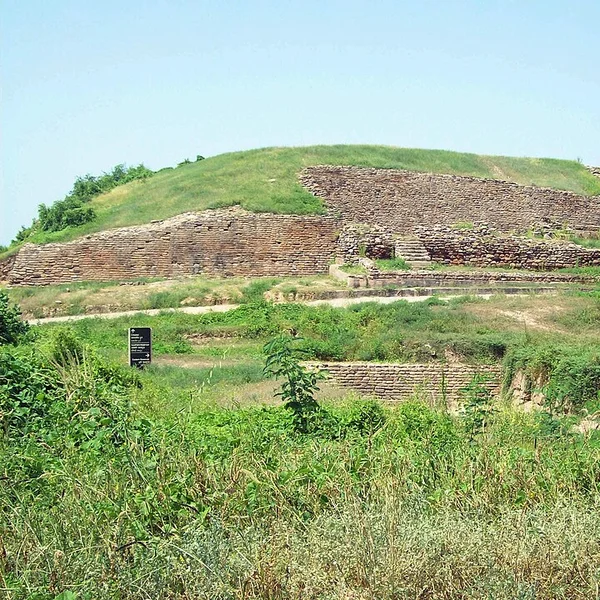
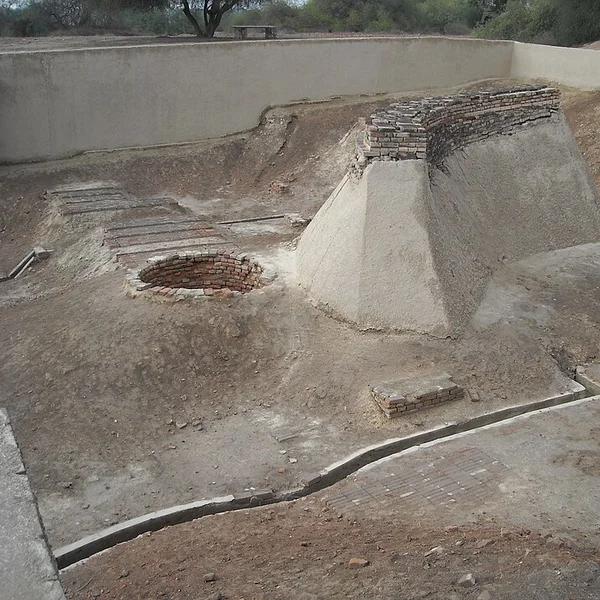
Eroded mudbrick ruins of Mehrgarh on the Kachi plain, Balochistan

Wikimedia Commons (CC BY-SA 4.0)

Country Record

Oldest Settlement in Pakistan

Settlement

Mehrgarh

مهرگڑھ7000 BCE – 2500 BCE

A Neolithic and Chalcolithic mound on the Kachi plain of Balochistan, Pakistan, with aceramic farming, mudbrick houses, and early cotton and dental evidence that precedes the Indus cities of Harappa and Mohenjo-daro.

111
Interest 66

Location

Pakistan

29.38°N · 67.62°E · Asia

Period I

Aceramic Neolithic from c. 7000 BCE

Excavators

Jean-François Jarrige, French Mission

Crops

Wheat, barley; early cotton in later periods

Downstream cities

Harappa, Mohenjo-daro

Mehrgarh is the deepest excavated root of the Indus world: farming, herding, and mudbrick centuries before Harappa.”

Location

Overview

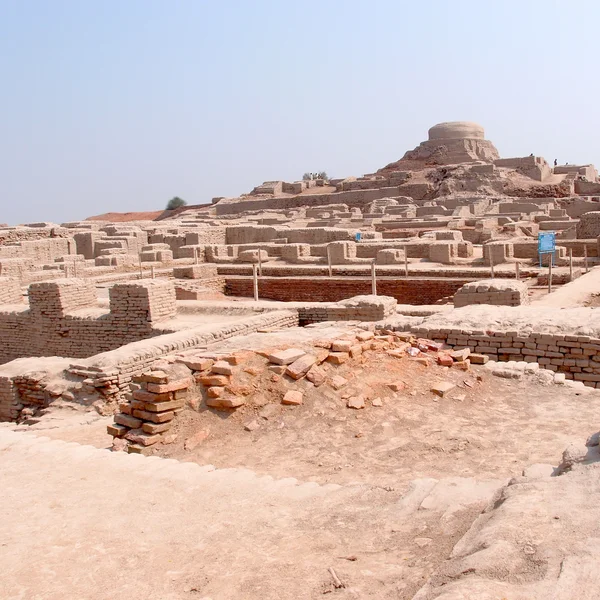
Mehrgarh stands near the Bolan Pass on the Kachi plain, Balochistan, west of the later Indus urban belt. Jean-François Jarrige and the French Archaeological Mission to Pakistan excavated from 1974 to 1986 and again in the 1990s. Period I (from about 7000 BCE) is aceramic: mudbrick compartments, barley and wheat, cattle, sheep, and goats, with bitumen-coated baskets instead of pottery.

Later periods add painted pottery, copper, a large cemetery, and some of the earliest evidence for cotton and for dentistry (drilled molars). The site is a village sequence, not a Bronze Age metropolis. It supplies the farming and craft baseline for Harappa and Mohenjo-daro. Flooding and erosion have damaged exposed baulks; much of the record lives in publication and in Pakistani museums.

Mehrgarh is the reason "Indus civilisation" does not begin with street drains. The drains come later. The farming village comes here.
Why It Matters

Mehrgarh is the deepest excavated root of the Indus world: farming, herding, and mudbrick centuries before Harappa. Without it the atlas would jump from hunter-gatherers to Bronze Age cities in South Asia.

Evidence & Interpretation

Distinguishing what is well-established from what remains debated.

Well-Established Facts

1
  • Stratified mudbrick architecture and domesticates document a long Neolithic-Chalcolithic sequence.

Scholarly Inferences

1
  • Mehrgarh-style farming and craft feed into the later Indus urban economy.

Debated Interpretations

1
  • Whether drilled teeth are therapeutic dentistry or ornamental modification is still discussed.

More Photos

Community Photos

Share your experience

Have you visited this site? Upload your photos to help others discover it.

How to cite this page

Atlas Anatolia. (7000). Mehrgarh. Atlas Anatolia. https://atlasanatolia.com/site/mehrgarh

Content licensed CC BY-SA 4.0 — attribution required when reusing.

Sources

  • Mehrgarh: Field Reports 1974-1985, from Neolithic Times to the Indus CivilizationJarrige, Jean-François et al. (1995)
  • Early Neolithic tradition of dentistryCoppa, A. et al. (2006)

Frequently Asked Questions

Where is Mehrgarh located?

Mehrgarh is located in Pakistan.

How old is Mehrgarh?

Mehrgarh dates to approximately 7000 BCE – 2500 BCE.

Which civilizations are associated with Mehrgarh?

Mehrgarh is associated with the Indus Valley.

Why is Mehrgarh important?

Mehrgarh is the deepest excavated root of the Indus world: farming, herding, and mudbrick centuries before Harappa.

Is Mehrgarh a UNESCO World Heritage Site?

Mehrgarh is not currently inscribed on the UNESCO World Heritage List.