Overview
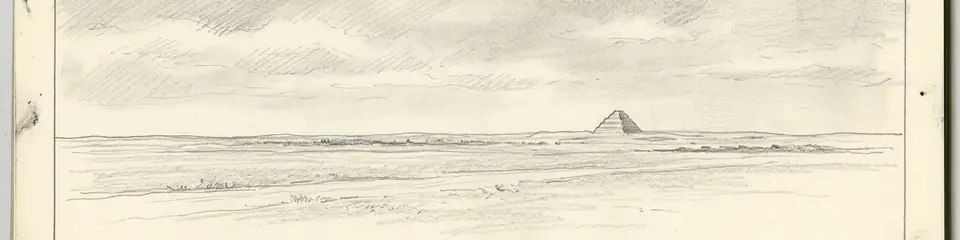
Memphis (Egyptian Men-nefer) lay at the apex of the Nile Delta where Upper and Lower Egypt meet, near modern Mit Rahina about 20 kilometres south of central Cairo. It served as a primary administrative capital from the Early Dynastic period through much of pharaonic history, especially during the Old Kingdom when nearby pyramid fields at Giza and Saqqara functioned as its royal necropolis.
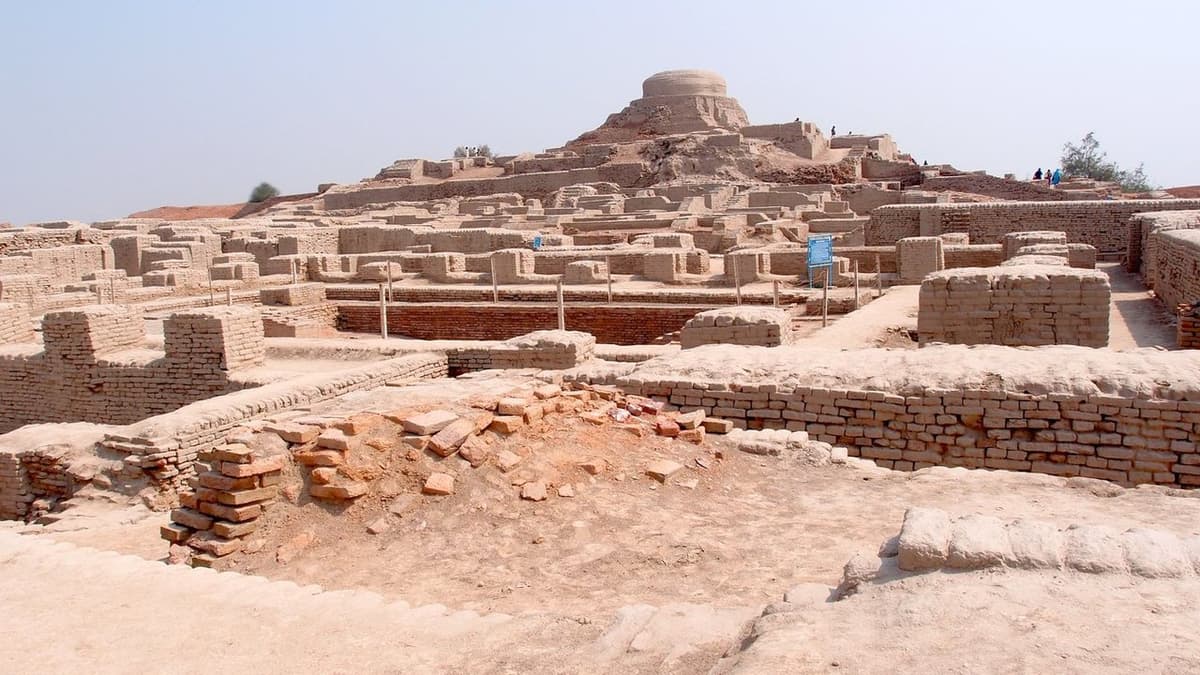
Little of the mud-brick city survives above ground; the site is an open-air museum scattered with limestone blocks, statue fragments, and royal colossi. The highlight is a fallen colossus of Ramesses II — 13 metres long — displayed under a pavilion. Sphinx avenues, temple foundations, and New Kingdom shrine remains hint at the city's former scale. The adjacent village of Mit Rahina preserves the toponym in Arabic.
Memphis was a cult centre for Ptah, patron of craftsmen, and the triad with Sekhmet and Nefertem. Greek travellers including Herodotus knew it as a great city; gradual canal silting and the rise of Alexandria and then Cairo shifted power northward. UNESCO groups Memphis with Giza and Saqqara in the "Memphis and its Necropolis" World Heritage Site. Visit together with the Great Sphinx, Pyramids of Giza, and Saqqara.