Skip to content
Atlas Anatolia
Dig
NewsNeolithic malachite and copper workshop exposed at Çayönü Tepesi, ErganiNature lidar survey estimates tens of thousands of earthworks in southwest Amazonia
Lime-plaster statue with bitumen eyes from ʿAin Ghazal, Jordan

Wikimedia Commons (CC BY-SA 4.0)

Country Record

Longest Continuously Occupied Site in Jordan

Settlement

'Ain Ghazal

عين غزال7200 BCE – 5000 BCE

A large Pre-Pottery Neolithic town on the Zarqa River at Amman, Jordan, famous for lime-plaster statues with bitumen eyes. The figures are among the earliest large-scale human representations in the Levant.

111
Interest 40

Location

Jordan

31.99°N · 35.98°E · Asia

Peak size

c. 10-15 ha in late PPNB

Statues

Lime plaster, bitumen eyes, cached 1983 and 1985

Excavators

Rollefson, Kafafi, Simmons

Museum

Jordan Museum, Amman

'Ain Ghazal's plaster people are the Levant's first nearly life-size human images, buried as groups rather than displayed as temple idols.”

Location

Overview

'Ain Ghazal ("Spring of the Gazelle") occupies terraces above the Zarqa in northeast Amman. Gary O. Rollefson, Zeidan Kafafi, Alan Simmons and others excavated in the 1980s-1990s as highway construction threatened the mound. The settlement grew from a PPNB village around 7200 BCE to one of the largest sites in the southern Levant, perhaps 10-15 ha, before shrinking in the PPNC and Yarmukian.

In 1983 and 1985 caches of lime-plaster statues and busts were found in pits: modelled bodies, painted clothing, and eyes of bitumen with diene inlay. They stand about 0.5-1 m tall. Other pits held plastered skulls, as at Jericho. Rectangular houses, a cult building, and a long faunal record (including a shift from hunting to herding) make the site a demographic and ritual counterpart to Çatalhöyük, on a Levantine rather than Anatolian plateau.

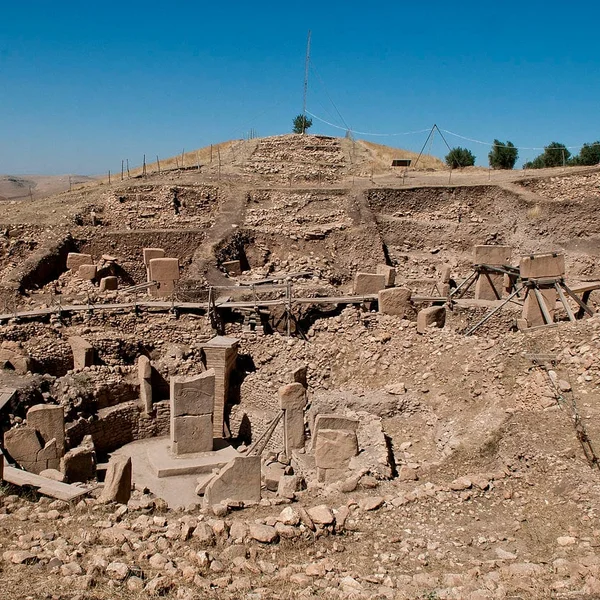
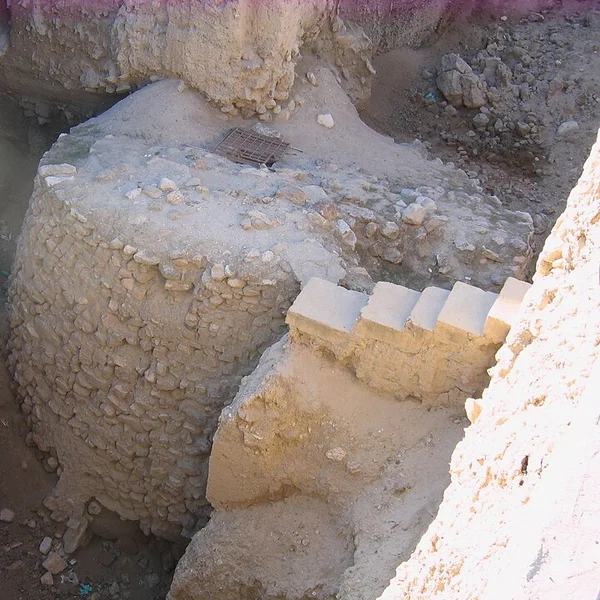
The statues are in the Jordan Museum, Amman, and in other collections. The mound itself is an urban-edge archaeological park, not a reconstructed town.
Why It Matters

'Ain Ghazal's plaster people are the Levant's first nearly life-size human images, buried as groups rather than displayed as temple idols. The site also shows a mega-village that nucleated and then thinned without becoming a Bronze Age city.

Evidence & Interpretation

Distinguishing what is well-established from what remains debated.

Well-Established Facts

1
  • Plaster statue caches, plastered skulls, and a long PPNB-PPNC sequence are excavated and published.

Scholarly Inferences

1
  • The figures were deposited as closed groups, so they functioned in burial or decommissioning rites rather than as standing temple cult statues.

Debated Interpretations

1
  • Whether they represent ancestors, deities, or a mixed category cannot be read off the faces alone.

More Photos

Community Photos

Share your experience

Have you visited this site? Upload your photos to help others discover it.

How to cite this page

Atlas Anatolia. (7200). 'Ain Ghazal. Atlas Anatolia. https://atlasanatolia.com/site/ain-ghazal

Content licensed CC BY-SA 4.0 — attribution required when reusing.

Sources

  • The 1983 Season at the Early Neolithic Site of Ain GhazalRollefson, Gary O. (1983)
  • Ain Ghazal excavation reportsRollefson, Gary O. and Kafafi, Zeidan (2013)

Frequently Asked Questions

Where is 'Ain Ghazal located?

'Ain Ghazal is located in Jordan.

How old is 'Ain Ghazal?

'Ain Ghazal dates to approximately 7200 BCE – 5000 BCE.

Which civilizations are associated with 'Ain Ghazal?

'Ain Ghazal is associated with the Pre-Pottery Neolithic.

Why is 'Ain Ghazal important?

'Ain Ghazal's plaster people are the Levant's first nearly life-size human images, buried as groups rather than displayed as temple idols.

Is 'Ain Ghazal a UNESCO World Heritage Site?

'Ain Ghazal is not currently inscribed on the UNESCO World Heritage List.