Overview
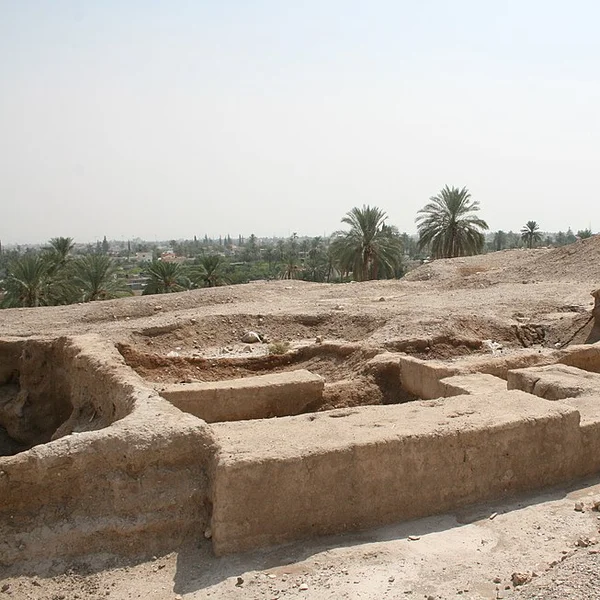
Çayönü Tepesi sits about 7 km southwest of Ergani in Diyarbakır province, on an alluvial terrace beside the Boğazçay. The mound is roughly 350 m east-west. Istanbul University and the University of Chicago, with Halet Çambel and Robert J. Braidwood, excavated from 1964; later seasons continued under Mehmet Özdoğan and others. Occupation runs from the mid-10th millennium BCE through Pottery Neolithic, with later Bronze Age reuse.
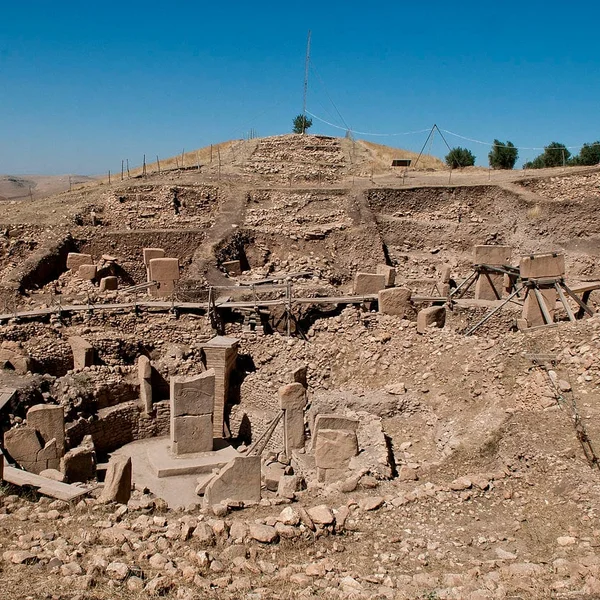
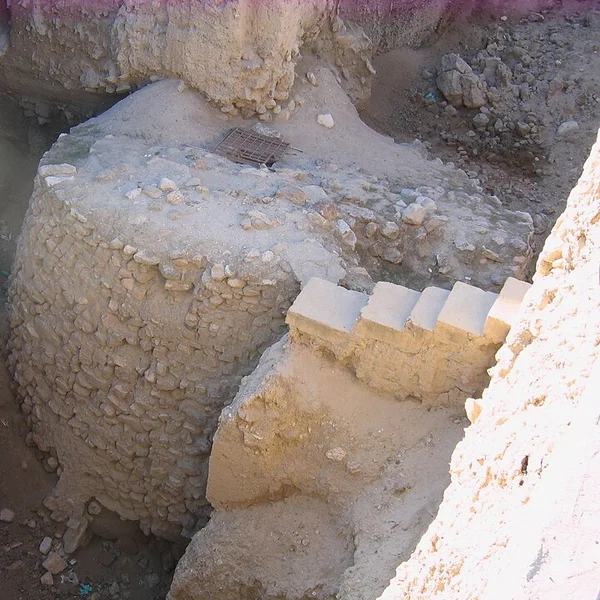
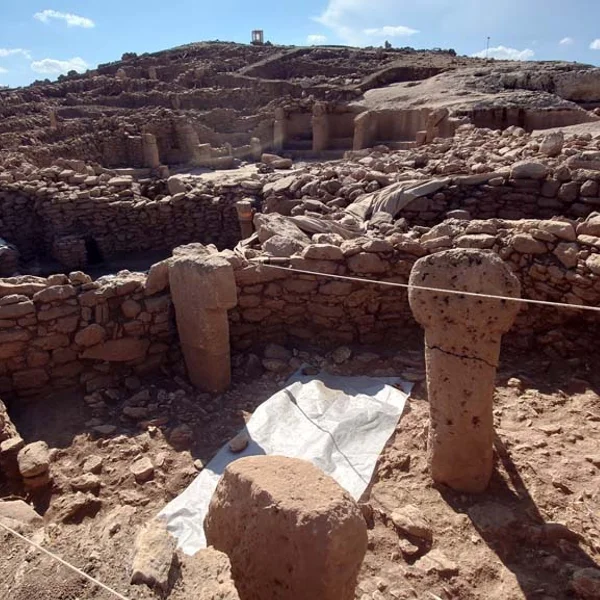
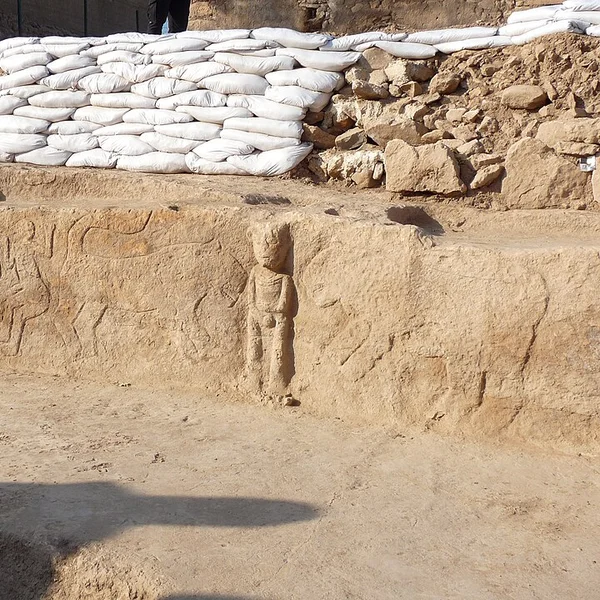
The architectural sequence is a textbook of early village planning: round huts, grill-plan buildings with parallel foundation slots, cell-plan houses, and large-room structures. The so-called Skull Building held hundreds of human crania. Terrazzo floors, a flagstone plaza, and standing stones show communal labour before pottery. The Ergani copper district lies nearby. Copper beads and malachite appear from about 9100 BCE, among the earliest mineral ornaments in the Near East.
In the 2026 season, directed by Assoc. Prof. Savaş Sarıaltun of Çanakkale Onsekiz Mart University, a workshop of about 5 m² was exposed in the western settlement. Six postholes ring a stone-paved working floor. Finds include raw and partly worked malachite, copper beads, and other copper objects (about 42 malachite and copper pieces in the wider trench). Minister Mehmet Nuri Ersoy announced the result in early September 2026. The workshop dates to about 6900-6800 BCE, two millennia after the first copper/malachite use on site. Early Pottery Neolithic and Proto-Hassuna sherds in the same western sector are provisionally 6800-6600 BCE.
Pair Çayönü with Göbekli Tepe and Çatalhöyük for ritual architecture versus a long-lived farming village, and with Boncuklu Tarla for Upper Mesopotamian PPN crafts.