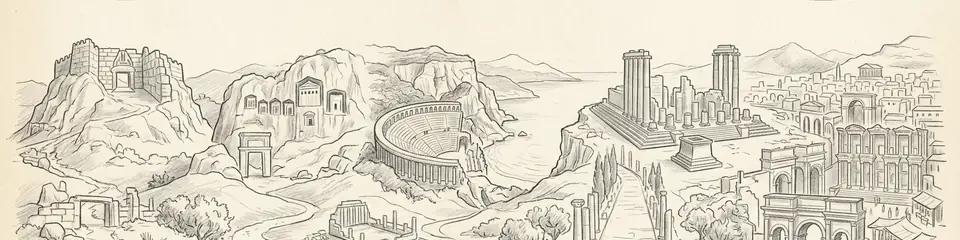
Anatolia — the great peninsula of modern Türkiye — is one of the most layered archaeological landscapes on Earth. It holds humanity's earliest monumental megalithic sanctuary at Göbekli Tepe, the capital of a Bronze Age empire that rivalled Egypt, Greek and Roman cities of breathtaking scale, and the masterpieces of Byzantine and Ottoman builders, all within a single country. These are 12 of the most remarkable ancient sites in Anatolia, ranked by how much interest they draw from visitors and researchers around the world.
1. Hagia Sophia
"Anatolia is a bridge and a cemetery of empires — Hittite, Greek, Roman, Byzantine, Ottoman — each leaving stone that still speaks."
— Editorial synthesis for Atlas Anatolia's Anatolian itineraries
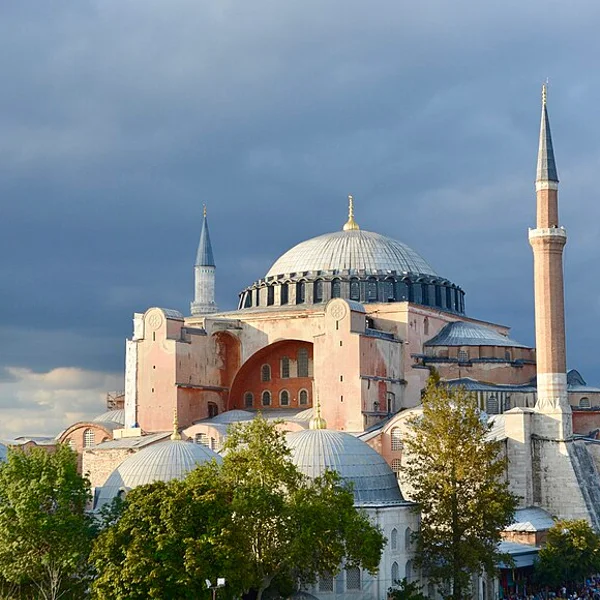
!The domed exterior of Hagia Sophia with its Ottoman minarets, Istanbul, Turkey")
The supreme achievement of Byzantine architecture — a vast domed basilica built by the emperor Justinian in Constantinople in just five years and completed in 537 CE, its 31-metre dome seeming to float on a ring of windows. For nearly a thousand years it was the largest enclosed space and greatest cathedral in the Christian world, before becoming a mosque, a museum, and a mosque again.
2. Troy
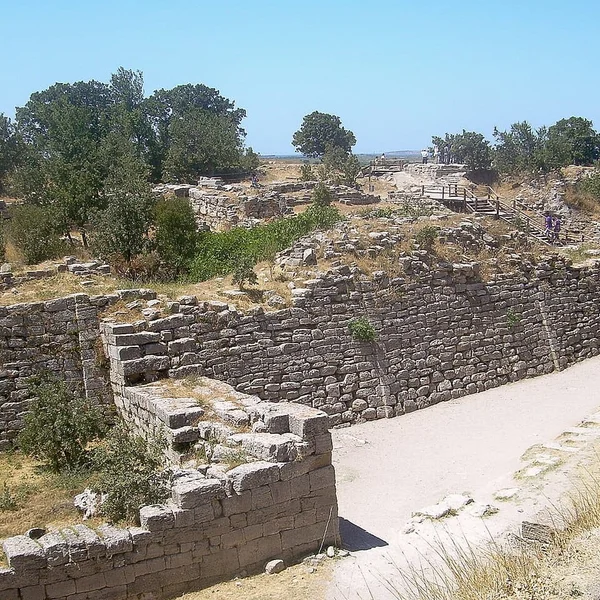
!Fortification walls at Troy (Hisarlık)")
The legendary city of Homer's Iliad, located at Hisarlık in northwestern Türkiye. Multiple settlement layers spanning over 4,000 years make it one of the most storied archaeological sites in the world.
Çanakkale, Marmara, Türkiye.
3. Göbekli Tepe
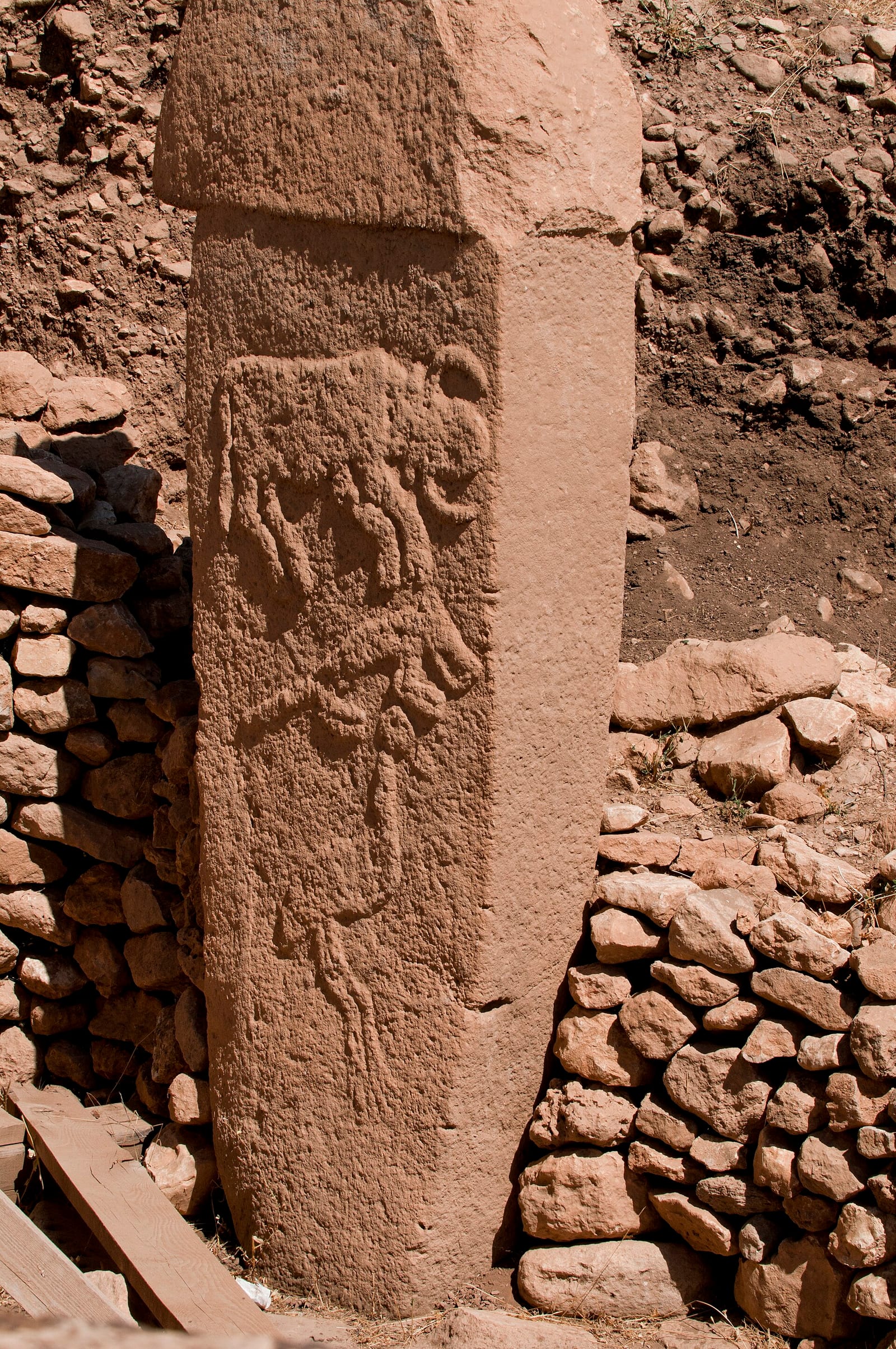
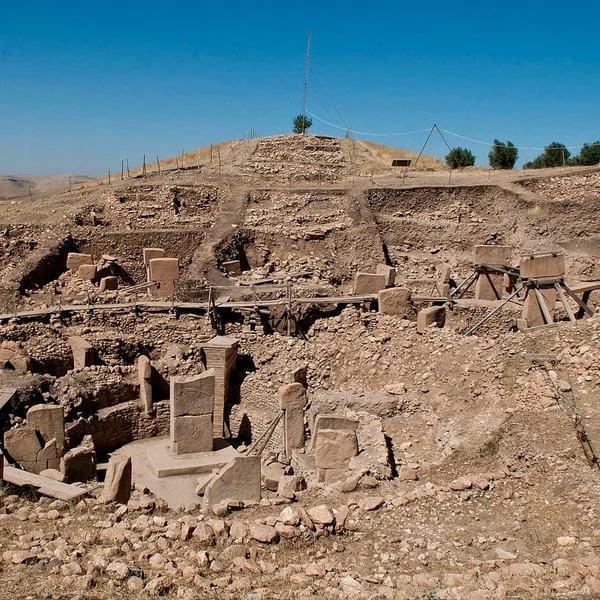
!T-shaped pillars at Göbekli Tepe archaeological site")
The world's oldest known monumental sanctuary, predating Stonehenge by roughly 6,000 years. Massive carved T-shaped pillars arranged in circles suggest complex ritual activity among pre-agricultural communities.
Şanlıurfa, Southeastern Anatolia, Türkiye.
4. Ephesus
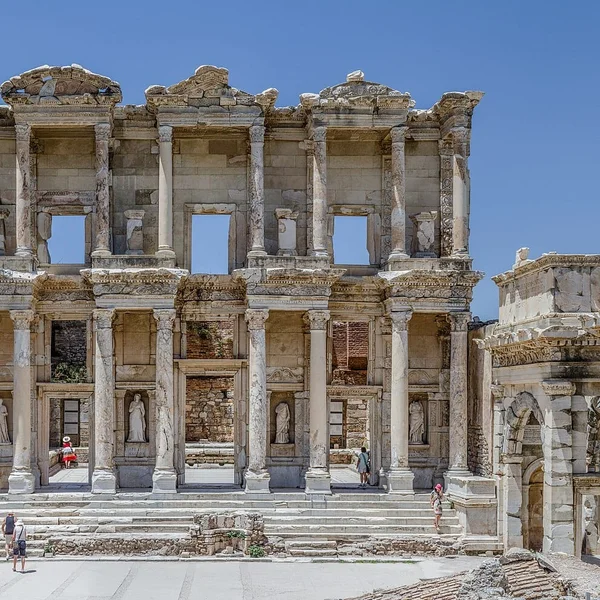
!The Library of Celsus at Ephesus")
One of the greatest cities of the ancient Mediterranean world. Home to the Temple of Artemis (one of the Seven Wonders), the Library of Celsus, and a theatre seating 25,000.
İzmir, Aegean, Türkiye.
5. Ani
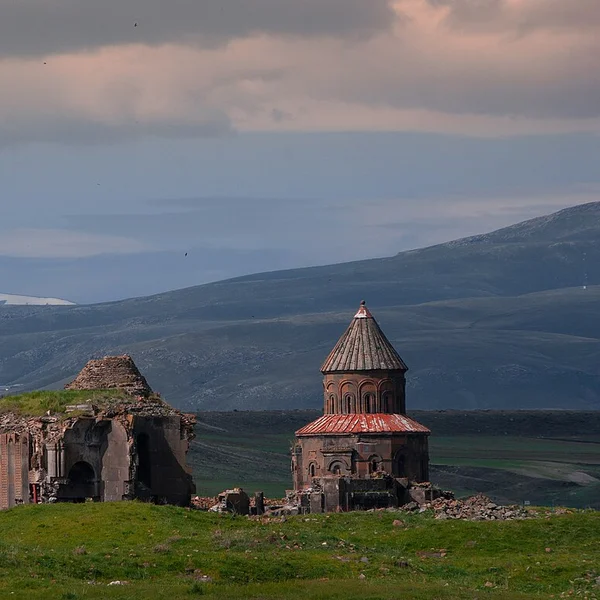
A medieval Armenian capital on the Turkish-Armenian border, once home to over 100,000 people. Its ruins include magnificent churches, mosques, and fortifications spanning centuries of multicultural history.
Kars, Eastern Anatolia, Türkiye.
6. Derinkuyu
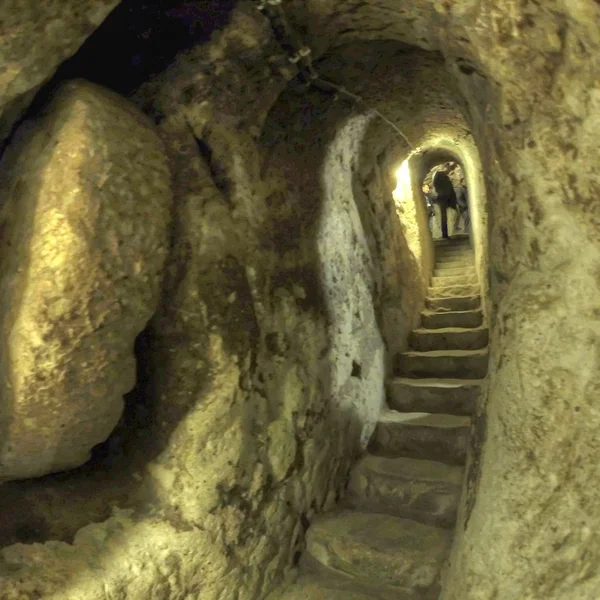
The deepest known underground city in the world, extending 85 meters below the surface with 18 levels. It could shelter approximately 20,000 people along with livestock and food stores.
Nevşehir, Central Anatolia, Türkiye.
7. Çatalhöyük
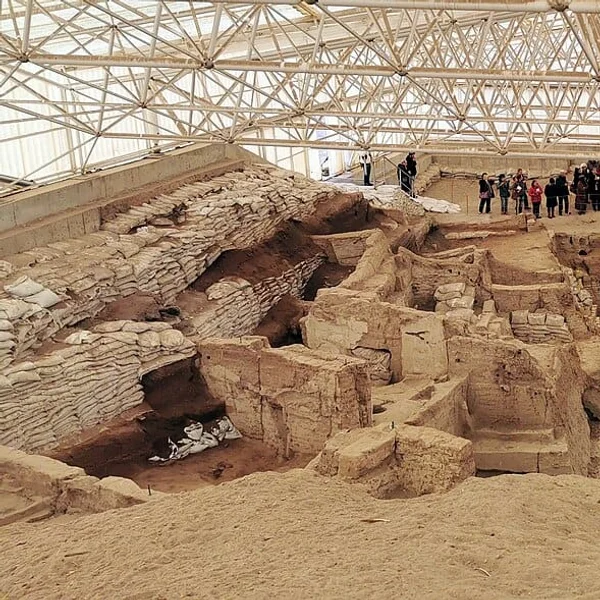
One of the world's earliest known proto-urban settlements, occupied from roughly 7400 to 5600 BCE. Famous for its densely packed mudbrick houses, wall paintings, and evidence of a remarkably egalitarian Neolithic community.
Konya, Central Anatolia, Türkiye.
8. Ancyra (Ankara)
An ancient Phrygian and Galatian stronghold whose Roman Temple of Augustus preserves the only surviving complete copy of Augustus's political testament — the Monumentum Ancyranum — inscribed in both Latin and Greek.
Ankara, Central Anatolia, Türkiye.
9. Antioch (Antakya)
One of the four great cities of the ancient world and a cradle of early Christianity. Antioch's extraordinary mosaics rival those of Pompeii, and its layered history spans Hellenistic, Roman, Byzantine, and Islamic civilizations.
Hatay, Southeastern Anatolia, Türkiye.
10. Pergamon
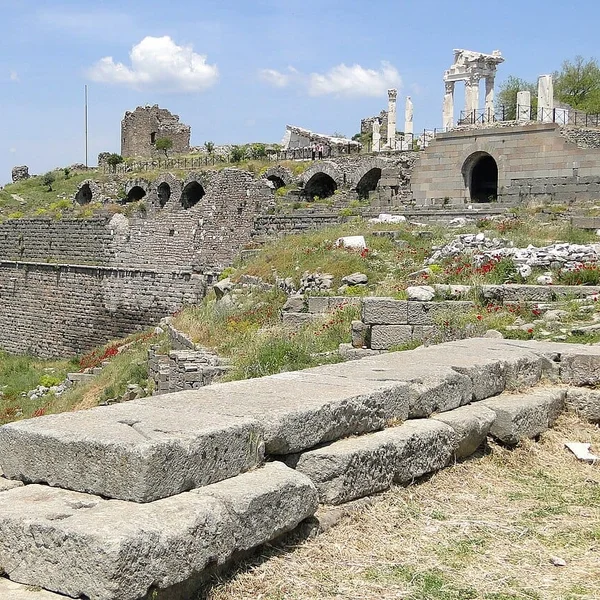
A major Hellenistic capital perched on a dramatic acropolis, renowned for its Great Altar, its library rivaling Alexandria, and the Asclepion healing center.
İzmir, Aegean, Türkiye.
11. Hierapolis
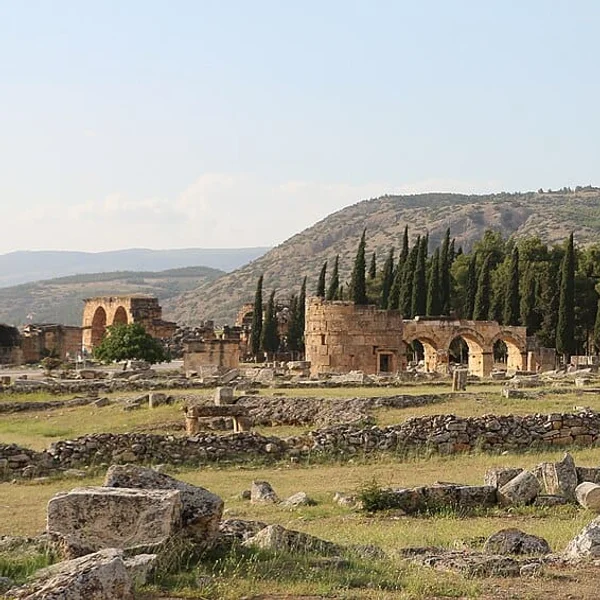
A Greco-Roman spa city perched above the famous white travertine terraces of Pamukkale. One of the best-preserved ancient cities in Turkey, with a vast necropolis, theatre, and the Plutonium — a gate to the underworld.
Denizli, Aegean, Türkiye.
12. Nemrut Dağ
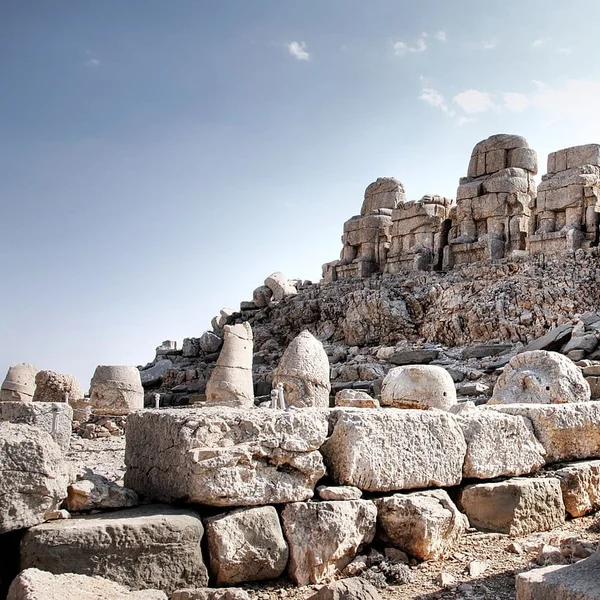
A remote mountaintop sanctuary at 2,134 meters elevation, featuring colossal stone heads of gods and King Antiochus I of Commagene. One of the most dramatic archaeological sites in the world.
Adıyaman, Southeastern Anatolia, Türkiye.
Every site above links to a full, evidence-based entry in the atlas, with maps, key facts, excavation history, photographs, and academic sources. Anatolia rewards slow, curious travel — and there are dozens more sites beyond this list waiting to be explored.
Türkiye
Troy
튀르키예 북서부 히사를르크에 있는 아홉 개의 정주 층위로, 하인리히 슐리만이 호메로스의 트로이를 찾아 발굴했으며 고고학자들은 어느 층위가 역사적 전쟁과 일치하는지 여전히 논쟁 중이다. 1998년 유
Türkiye
Hagia Sophia
비잔틴 건축의 최고 걸작 — 유스티니아누스 황제가 콘스탄티노플에 단 5년 만에 건설하여 서기 537년에 완공한 거대한 돔형 바실리카로, 31미터의 돔이 창문 고리 위에 떠 있는 듯하다. 거의 천 년
Turkey
Göbekli Tepe
스톤헨지보다 약 6,000년 앞선 세계에서 가장 오래된 기념비적 성소로 알려져 있다. 원형으로 배열된 거대한 T자형 돌기둥에 새겨진 조각은 농경 이전 공동체의 복잡한 의례 활동을 시사한다.
Türkiye
Ephesus
현대 셀축 근처의 주요 이오니아 도시로, 한때 아르테미스 신전이 있던 곳이자 이후 대리석 거리, 테라스 하우스, 켈수스 도서관을 갖춘 로마의 대도시였다. 고대 항구가 토사로 메워진 후에도 바울의 서
Türkiye
Derinkuyu
세계에서 가장 깊은 지하 도시로, 지표 아래 85미터까지 뻗어 있으며 18개 층으로 이루어져 있다. 가축과 식량 저장고와 함께 약 2만 명을 수용할 수 있었다.