콘텐츠로 건너뛰기
Atlas Anatolia
디그
뉴스술라웨시 빙하기 치아에서 빈랑 사용 25,000년 전까지 소급카스타모누 폼페이오폴리스 바실리카에서 로마 모자이크와 에로스 두상 발견
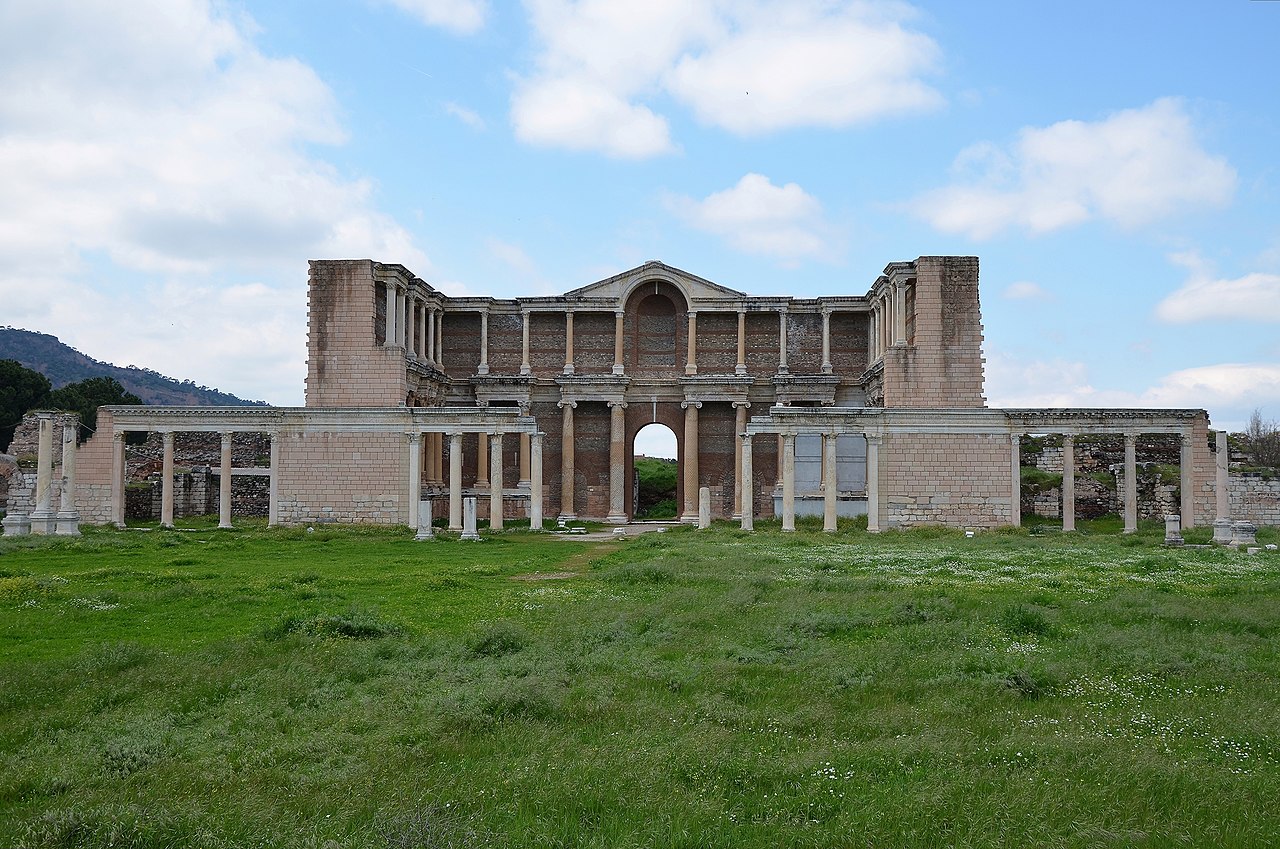
The Bath-Gymnasium complex at Sardis

Wikimedia Commons (CC BY-SA)

도시

Sardis

Seyfi Cem Baskin

Sart1200 기원전 – 1402 서기

Capital of the Lydian Kingdom, where coinage was likely invented. Home to King Croesus and his legendary wealth, with a massive Temple of Artemis and an impressive synagogue.

312
관심 63

위치

Manisa · Aegean · 튀르키예

38.49°N · 28.04°E · 아시아

Key Innovation

Invention of coinage

Famous King

Croesus (c. 560–546 BCE)

Temple Style

Ionic (one of the largest)

Date Range

c. 1200 BCE – 1402 CE

Major Destruction Event

Sacked by the Cimmerians c. 652 BCE and by Cyrus the Great in 546 BCE.

Notable Finds

Royal Lydian burial mounds (tumuli) at Bin Tepe, including the 'Tomb of Alyattes', one of the largest in Anatolia.

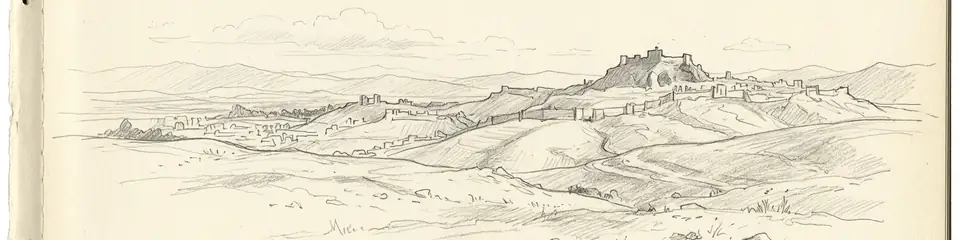
Graphite pencil sketch banner of Sardis

“Sardis was the birthplace of coinage — one of the most consequential innovations in economic history.”

위키백과에서

Sardis was an ancient city best known as the capital of the Lydian Empire. The Lydians of Sardis are credited with being among the first people to mint coins, around 600 BCE. After the fall of the Lydian Empire, it became the capital of the Persian satrapy of Lydia.

위키백과에서 전체 기사 읽기 →

위치

개요

Sardis (modern Sart) in Manisa Province was the capital of the Lydian Kingdom from approximately the 7th to the 6th century BCE. Under King Croesus (reigned c. 560–546 BCE), Sardis was one of the wealthiest cities in the ancient world.

The Lydians of Sardis are credited with being among the first people to mint coins, around 600 BCE, using electrum (a natural gold-silver alloy) found in the nearby Pactolus River. This innovation transformed commerce across the ancient Mediterranean.

"Sardis is a great city, and the Lydians are the first people we know of to have struck and used gold and silver coinage."
— Herodotus, c. 440 BCE

The site's most prominent surviving monument is the Temple of Artemis, one of the largest Ionic temples ever built. Though never completed, its standing columns remain impressive. The city also contains a remarkably well-preserved Roman-era synagogue, one of the largest ancient synagogues known, with elaborate mosaic floors and marble decoration.

Sardis continued as an important city through the Roman and Byzantine periods before its destruction during Tamerlane's campaigns in 1402.
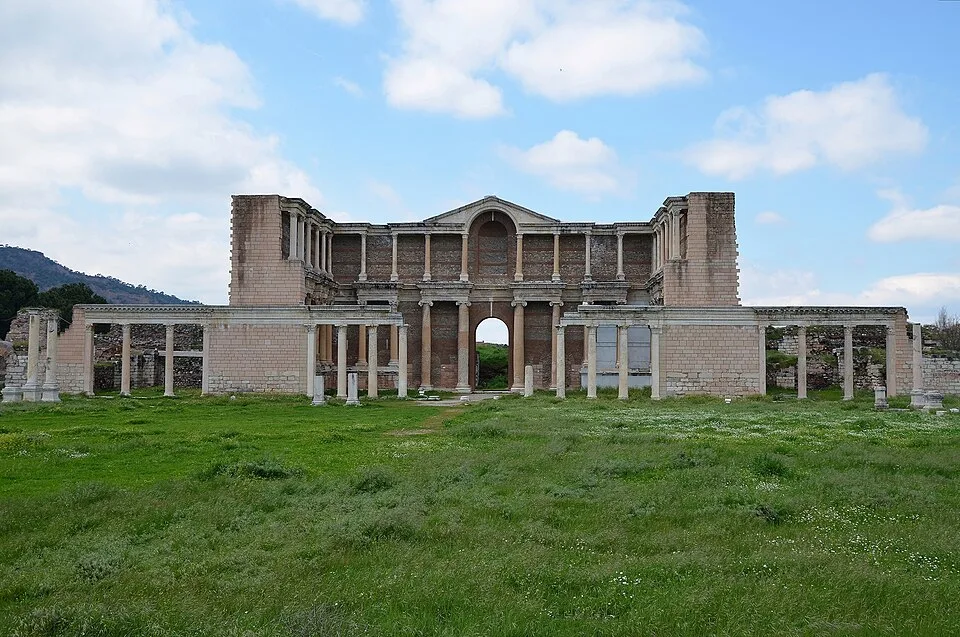
The Bath-Gymnasium complex at Sardis, late 2nd - early 3rd century AD, Sardis, Turkey (17098680002)
The Bath-Gymnasium complex at Sardis, late 2nd - early 3rd century AD, Sardis, Turkey (17098680002) | Carole Raddato from FRANKFURT, Germany (CC BY-SA 2.0)

The city's urban fabric reveals a sophisticated society. Excavations have uncovered extensive Lydian residential and industrial quarters, including workshops for pottery, metalworking, and textile production, particularly the dyeing of wool, a major Lydian industry. The city's fortifications, including a massive mudbrick wall on the Acropolis, attest to its strategic importance. Following its capture by Alexander the Great in 334 BCE, Sardis became a major Hellenistic and later Roman provincial capital. This later phase is marked by monumental construction, including a vast bath-gymnasium complex and a marble-paved colonnaded avenue, transforming the city into a classic example of Roman urbanism in Asia Minor. Sardis remained a significant Byzantine center until its decline following its capture by the Turco-Mongol ruler Timur in 1402 CE, after which it was largely abandoned.
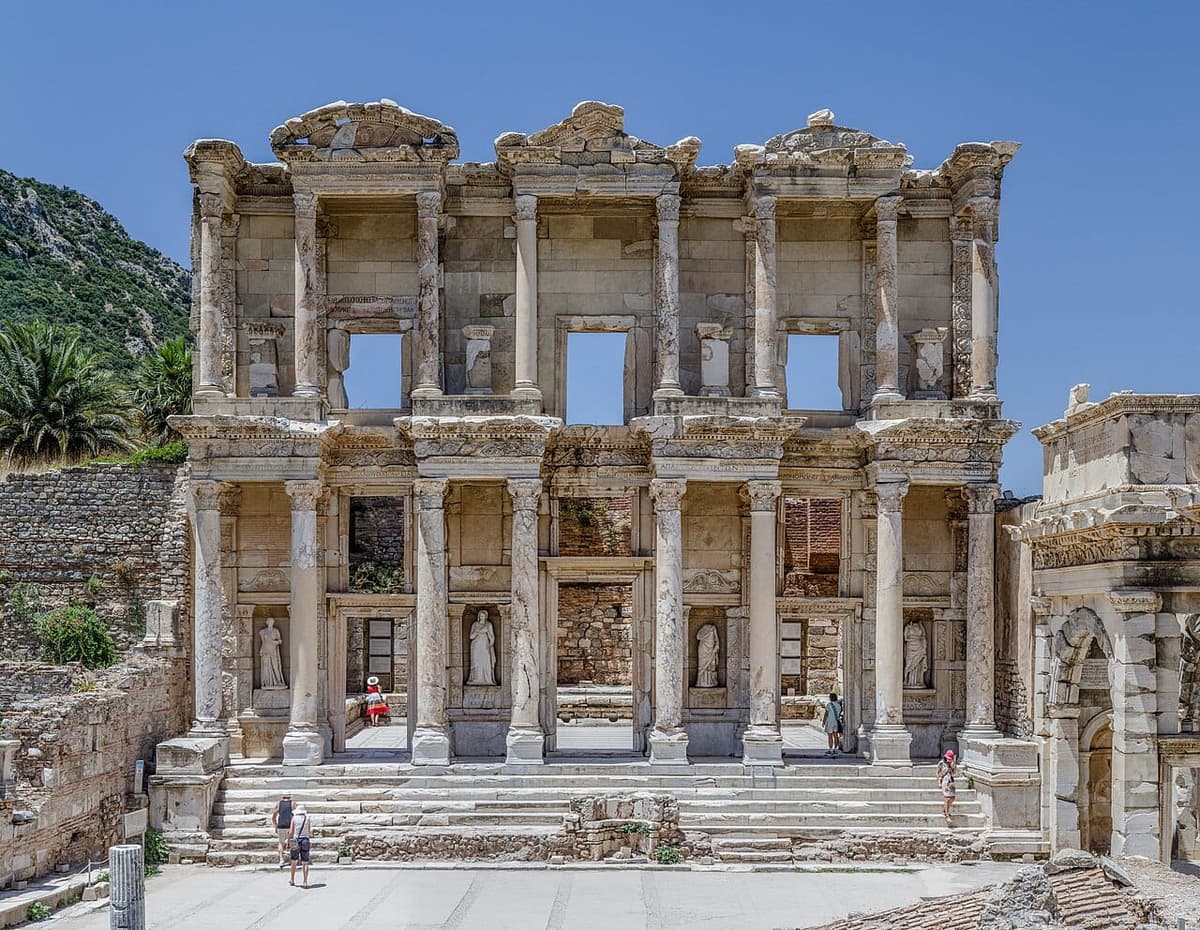
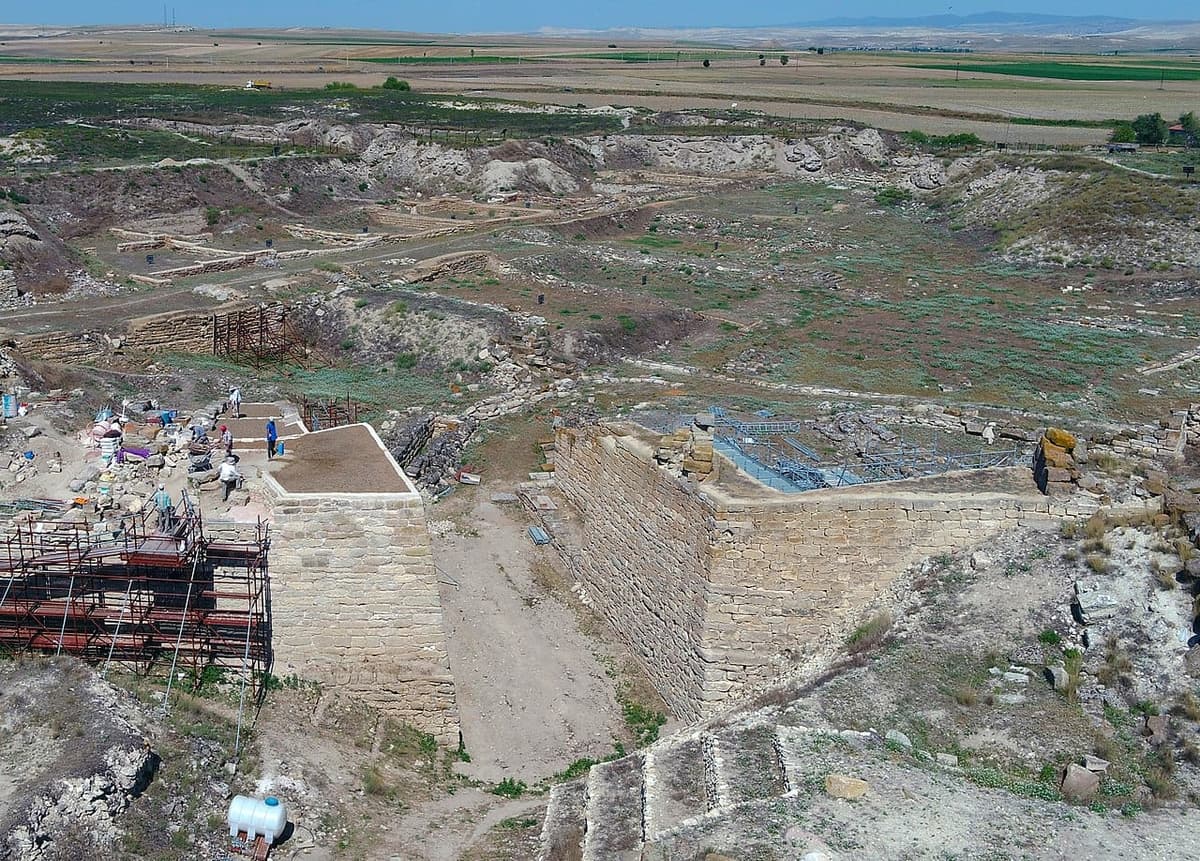
중요성

Sardis was the birthplace of coinage — one of the most consequential innovations in economic history. The Lydian electrum coins minted here around 600 BCE established the concept of standardized, state-guaranteed currency. The legendary wealth of King Croesus and the phrase "rich as Croesus" entered Western culture directly from Sardis. The site's large synagogue also provides important evidence for Jewish communities in Late Roman Asia Minor.

증거와 해석

확립된 사실과 논쟁 중인 사항을 구분합니다.

잘 확립된 사실

3
  • Lydian electrum coins from Sardis are among the earliest known coins in history, dating to c. 600 BCE.
  • The Sardis synagogue is one of the largest known ancient synagogues.
  • Croesus was the last king of Lydia before the Persian conquest by Cyrus the Great in 546 BCE.

학술적 추론

1
  • The wealth of Sardis was partly based on gold-bearing deposits in the Pactolus River.

논쟁 중인 해석

2
  • Whether Sardis or another Lydian city was the absolute first to mint coins remains a point of scholarly discussion.
  • Whether the large 'House of Bronzes' complex at Sardis was a royal palace, an administrative center, or a wealthy merchant's residence.

발견과 발굴

1910–1914

Princeton expedition

지휘 Howard Crosby Butler / Princeton

Howard Crosby Butler led the first major excavation, uncovering the Temple of Artemis.

1958

Harvard-Cornell project

지휘 George Hanfmann / Harvard-Cornell

George M.A. Hanfmann began a long-term project that uncovered the Roman gymnasium complex and synagogue.

1969

Synagogue Excavation

지휘 Harvard-Cornell Expedition under George M.A. Hanfmann

Full-scale excavation of the monumental Late Roman synagogue, revealing its intricate mosaic floors and marble furnishings.

2008

Pactolus North Excavations

지휘 Archaeological Exploration of Sardis, Harvard Art Museums

Major excavations in the 'Pactolus North' sector uncovered extensive Lydian domestic and industrial quarters, including a gold refinery.

커뮤니티 사진

당신의 경험을 공유하세요

이 유적지를 방문하셨나요? 다른 탐험가들을 위해 사진을 업로드해 보세요.

관련 이야기

이 페이지 인용 방법

Atlas Anatolia. (1200). Sardis. Atlas Anatolia. https://atlasanatolia.com/ko/site/sardis

콘텐츠는 CC BY-SA 4.0 라이선스에 따라 제공됩니다 — 재사용 시 출처 표시가 필요합니다.

그래프

관련 유적지와 스토리로의 연결.

World History Encyclopedia에서 전체 기사 읽기
World History Encyclopedia · CC BY-NC-SA

출처

  • Sardis from Prehistoric to Roman Times — George M.A. Hanfmann (1983)
  • The Origins of Coinage in Lydia — Robert Wallace (2006)

자주 묻는 질문

Sardis은(는) 어디에 위치해 있나요?

Sardis은(는) Manisa, Aegean, Türkiye에 위치해 있습니다.

Sardis의 연대는 언제인가요?

Sardis의 연대는 대략 1200 기원전 – 1402 서기로 거슬러 올라갑니다.

Sardis과(와) 관련된 고대 문명은 무엇인가요?

Sardis은(는) Roman, Lydian, Byzantine, Greek 문명과 관련이 있습니다.

Sardis이(가) 중요한 이유는 무엇인가요?

Sardis was the birthplace of coinage — one of the most consequential innovations in economic history.

Sardis은(는) 유네스코 세계유산인가요?

Sardis은(는) 현재 유네스코 세계유산 목록에 등재되어 있지 않습니다.