
콘텐츠로 건너뛰기
Atlas Anatolia
디그
뉴스술라웨시 빙하기 치아에서 빈랑 사용 25,000년 전까지 소급카스타모누 폼페이오폴리스 바실리카에서 로마 모자이크와 에로스 두상 발견
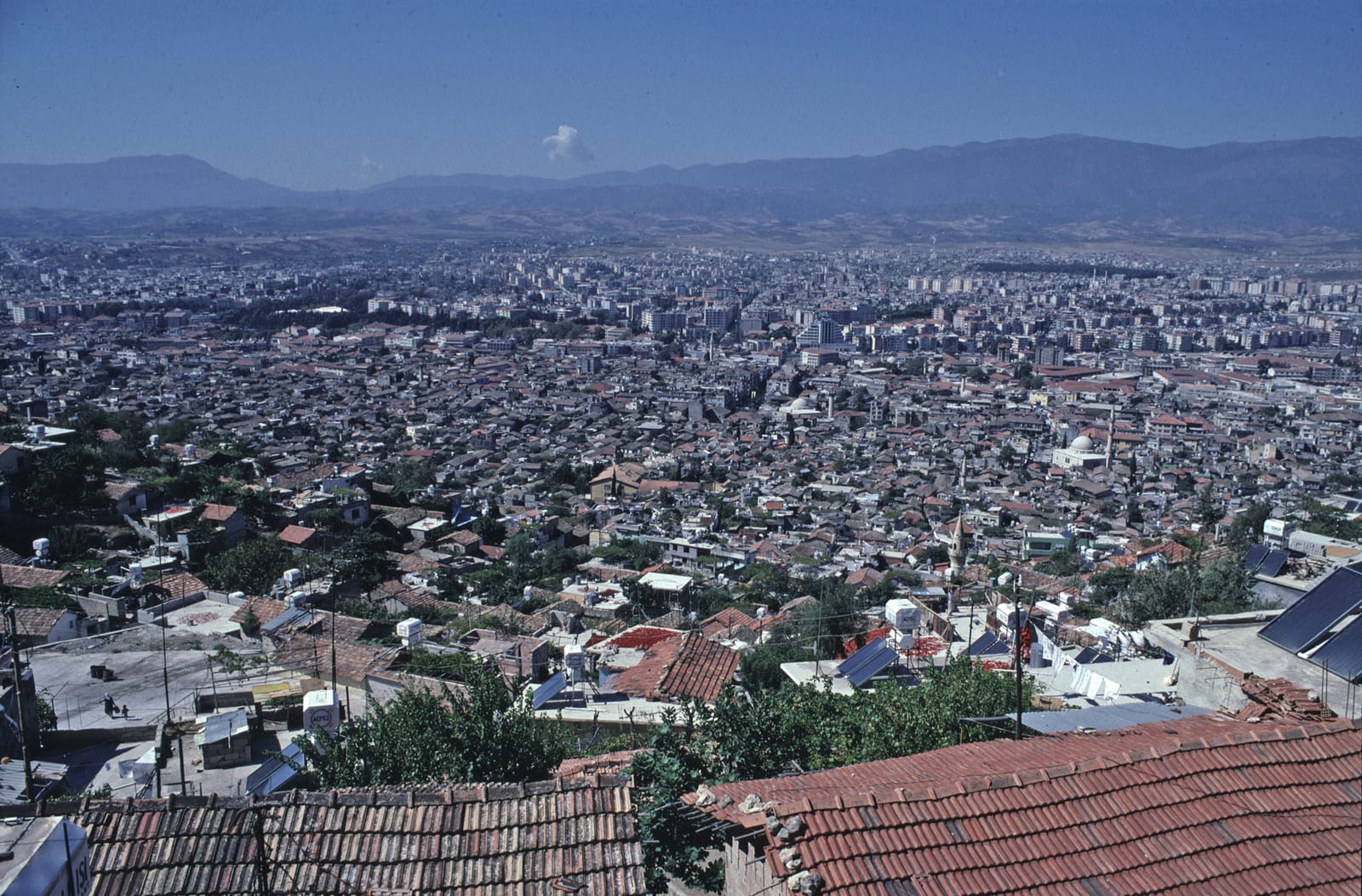
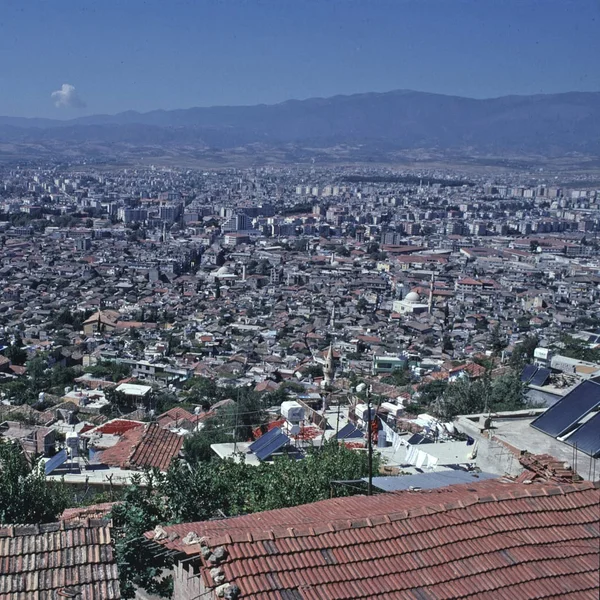
Panoramic view of ancient Antakya from the hills

Wikimedia Commons (CC BY-SA)

도시주요

Antioch (Antakya)

Seyfi Cem Baskin

Antakya300 기원전 – 1268 서기

One of the four great cities of the ancient world and a cradle of early Christianity. Antioch's extraordinary mosaics rival those of Pompeii, and its layered history spans Hellenistic, Roman, Byzantine, and Islamic civilizations.

312
관심 71

위치

Hatay · Southeastern Anatolia · 튀르키예

36.20°N · 36.16°E · 아시아

Founded

c. 300 BCE by Seleucus I Nicator

Peak Population

~500,000 (Roman period)

Christian Significance

Where followers were first called "Christians"

Famous Collection

World-class mosaic collection in Hatay Museum

Major Earthquake

526 CE earthquake, one of the deadliest in history, devastated the city.

Water Supply

Served by a sophisticated Roman aqueduct system, including the famous aqueduct of Seleucia Pieria.

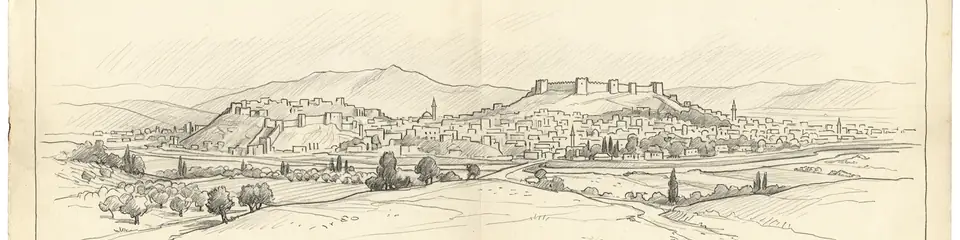
Graphite pencil sketch banner of Antioch (Antakya)

“Antioch was one of the defining cities of the ancient Mediterranean — a place where Greek, Roman, Jewish, and early Christian cultures intersected and transformed each other.”

위키백과에서

Antioch on the Orontes was a major Hellenistic and Roman city, one of the largest in the ancient world, and a center of early Christianity.

위키백과에서 전체 기사 읽기 →

위치

개요

Founded around 300 BCE by Seleucus I Nicator — one of Alexander the Great's generals — Antioch rapidly became one of the largest and most cosmopolitan cities of the ancient world. Situated on the Orontes River at the crossroads of major trade routes linking the Mediterranean to Mesopotamia, it served as the capital of the Seleucid Empire and later became the seat of Roman governance in the East.

Under Roman rule, Antioch grew to a population estimated at 500,000, making it the third-largest city in the empire after Rome and Alexandria. The city was famous for its colonnaded main street — one of the earliest in the ancient world — its chariot-racing hippodrome, and the pleasure gardens of Daphne (Harbiye) on its outskirts.

"Antioch is a city of great size and population, the metropolis of Syria."
— Strabo, c. 7 BCE - 23 CE

Antioch holds a pivotal place in the history of Christianity. According to the Acts of the Apostles, it was here that the followers of Jesus were first called "Christians." The city became the seat of one of the five original patriarchates of the early church, and its theological school shaped Christian doctrine for centuries.

The Hatay Archaeological Museum houses one of the world's finest collections of Roman-period floor mosaics, rescued from villas in Antioch and its suburb Daphne. These mosaics — depicting mythological scenes, hunting parties, and daily life — are masterpieces of ancient pictorial art.
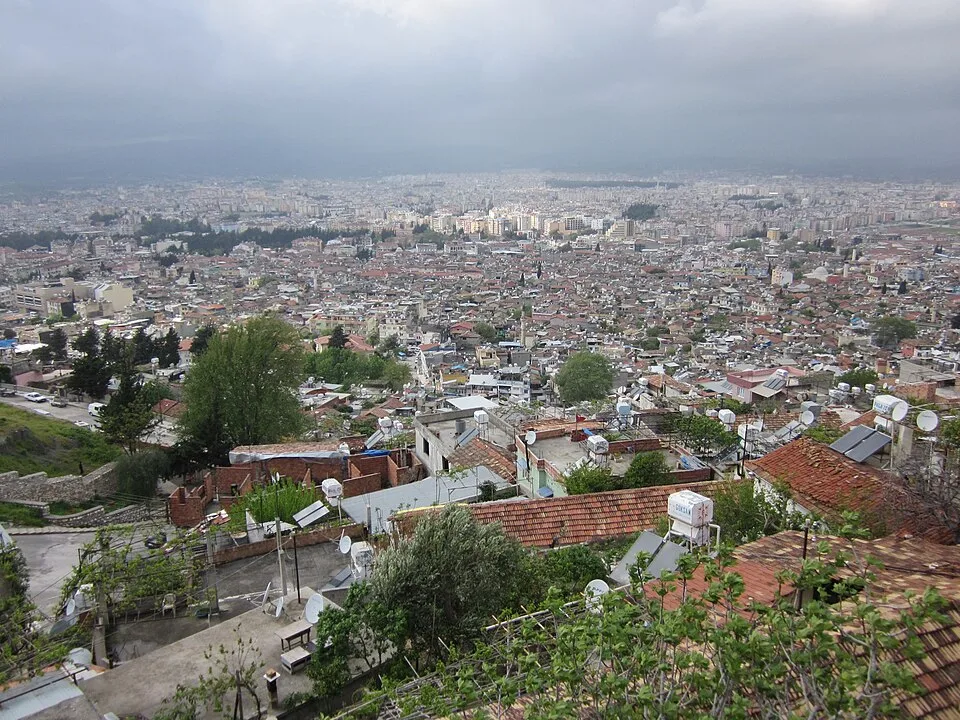
Antakya - 2011-04-10
Antakya - 2011-04-10 | Maarten Sepp (CC BY-SA 4.0)

The city's urban fabric was defined by its famous colonnaded street, the Plateia, stretching for over 2 kilometers and lined with porticoes, shops, and monuments. This grand artery, illuminated by street lamps at night, was the commercial and social heart of the metropolis. Antioch was also renowned for its sophisticated water infrastructure, including aqueducts like the one from Daphne and the monumental Charonion relief carved into Mount Silpius.

Daily life in Antioch was famously vibrant and cosmopolitan, marked by public baths, theaters, and the circus. The suburb of Daphne, with its sacred grove and sanctuary of Apollo, served as a luxurious resort for the elite. The city's prosperity was fueled by its role as a terminus for the Silk Road and other eastern trade routes, bringing spices, silks, and luxury goods from Persia and beyond to the Mediterranean markets.

Antioch's decline was gradual, accelerated by a series of catastrophic earthquakes, Persian sackings in the 6th century, and its capture by Arab forces in 638 CE. Though it remained a significant provincial center under Byzantine and later Seljuk rule, it never regained its former imperial stature. The final blow to its ancient urban continuity came with its sack by the Mamluk Sultan Baybars in 1268, which reduced the great city to a small town.
중요성

Antioch was one of the defining cities of the ancient Mediterranean — a place where Greek, Roman, Jewish, and early Christian cultures intersected and transformed each other. The city's role as a birthplace of organized Christianity gives it enduring religious significance across multiple traditions. The Antioch mosaics represent one of the most important surviving bodies of Roman decorative art. Many were excavated during Princeton University-led campaigns in the 1930s and are now dispersed among major museums worldwide, though the finest collection remains in the Hatay Archaeological Museum.

증거와 해석

확립된 사실과 논쟁 중인 사항을 구분합니다.

잘 확립된 사실

3
  • The Acts of the Apostles (11:26) records that followers of Jesus were first called Christians in Antioch, making it a foundational site for the early church.
  • Hundreds of Roman floor mosaics from Antioch and Daphne have been excavated, constituting one of the most important mosaic collections in the world.
  • Literary sources (Libanius, John Chrysostom) describe Antioch as the third-largest city of the Roman Empire with a colonnaded main street illuminated at night.

학술적 추론

1
  • The city's position at the junction of Mediterranean and Mesopotamian trade routes suggests it functioned as a major commercial hub long before the Seleucid foundation.

논쟁 중인 해석

2
  • The precise location and extent of the ancient city center beneath modern Antakya remains debated, as much of it lies under dense urban development.
  • The exact layout and grandeur of the famed colonnaded main street (the Plateia) described by Libanius is debated due to limited archaeological exposure beneath the modern city.

발견과 발굴

1932–1939

Princeton University excavations

지휘 William A. Campbell

Major excavations led by Princeton University uncovered hundreds of Roman mosaics from villas in Antioch and Daphne.

1932

Princeton Excavations Begin

지휘 Princeton University

The systematic, large-scale archaeological investigation of Antioch and its suburb Daphne, which uncovered the majority of the famous mosaic pavements.

2001–2012

Rescue excavations

Turkish archaeologists conducted rescue excavations ahead of urban development, uncovering additional mosaics and Roman-period structures.

2011

Hippodrome discovery

Remains of the ancient hippodrome were identified beneath the modern city during construction work.

커뮤니티 사진

당신의 경험을 공유하세요

이 유적지를 방문하셨나요? 다른 탐험가들을 위해 사진을 업로드해 보세요.

관련 이야기

이 페이지 인용 방법

Atlas Anatolia. (300). Antioch (Antakya). Atlas Anatolia. https://atlasanatolia.com/ko/site/antioch

콘텐츠는 CC BY-SA 4.0 라이선스에 따라 제공됩니다 — 재사용 시 출처 표시가 필요합니다.

그래프

관련 유적지와 스토리로의 연결.

World History Encyclopedia에서 전체 기사 읽기
World History Encyclopedia · CC BY-NC-SA

출처

  • Antioch: The Lost Ancient City — Christine Kondoleon (2000)
  • Antioch on the Orontes: The Excavations — Richard Stillwell (1941)
  • Wikipedia — Antioch링크

자주 묻는 질문

Antioch (Antakya)은(는) 어디에 위치해 있나요?

Antioch (Antakya)은(는) Hatay, Southeastern Anatolia, Türkiye에 위치해 있습니다.

Antioch (Antakya)의 연대는 언제인가요?

Antioch (Antakya)의 연대는 대략 300 기원전 – 1268 서기로 거슬러 올라갑니다.

Antioch (Antakya)과(와) 관련된 고대 문명은 무엇인가요?

Antioch (Antakya)은(는) Greek, Roman, Byzantine, Seljuk 문명과 관련이 있습니다.

Antioch (Antakya)이(가) 중요한 이유는 무엇인가요?

Antioch was one of the defining cities of the ancient Mediterranean — a place where Greek, Roman, Jewish, and early Christian cultures intersected and transformed each other.

Antioch (Antakya)은(는) 유네스코 세계유산인가요?

Antioch (Antakya)은(는) 현재 유네스코 세계유산 목록에 등재되어 있지 않습니다.