
콘텐츠로 건너뛰기
Atlas Anatolia
디그
뉴스술라웨시 빙하기 치아에서 빈랑 사용 25,000년 전까지 소급카스타모누 폼페이오폴리스 바실리카에서 로마 모자이크와 에로스 두상 발견
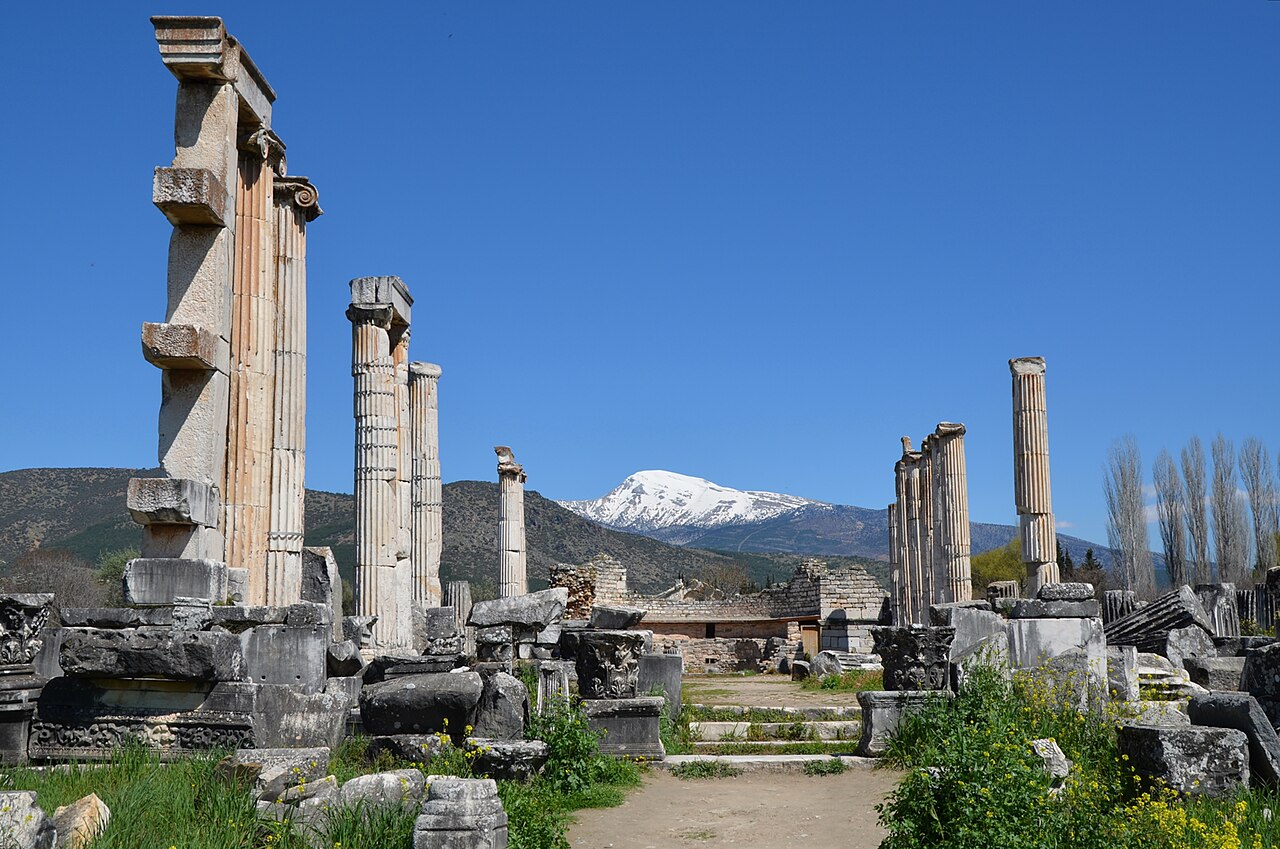
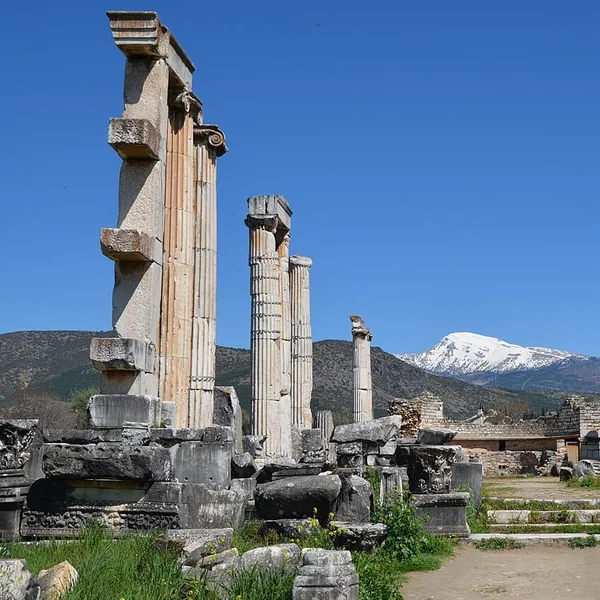
The Temple of Aphrodite at Aphrodisias

Wikimedia Commons (CC BY-SA)

도시유네스코

Aphrodisias

Seyfi Cem Baskin

Afrodisyas600 기원전 – 1200 서기

A Greco-Roman city famed for its marble sculpture workshops, the Temple of Aphrodite, and a remarkably well-preserved stadium seating 30,000.

411
관심 58

위치

Aydın · Aegean · 튀르키예

37.71°N · 28.73°E · 아시아

Stadium Capacity

~30,000

UNESCO Status

World Heritage Site (2017)

Famous For

Marble sculpture school

Date Range

c. 600 BCE – 1200 CE

Primary Excavating Institution

New York University (NYU), 1961–present

Notable Monument: Tetrapylon

Ornate 2nd-century CE ceremonial gateway, reconstructed in situ

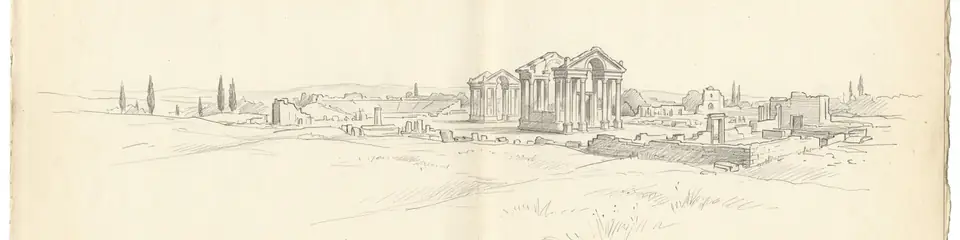
Graphite pencil sketch banner of Aphrodisias

“Aphrodisias was one of the ancient world's most important centers of artistic production.”

위키백과에서

Aphrodisias was a Hellenistic Greek city in the historic Caria cultural region of western Anatolia, Turkey. It is located near the modern village of Geyre, about 100 km east of the Aegean coast. The city was renowned throughout the Roman world for its school of marble sculpture.

위키백과에서 전체 기사 읽기 →

위치

개요

Aphrodisias, located near the village of Geyre in Aydın Province, was one of the most important cities in the Roman province of Asia. Named for Aphrodite, the Greek goddess of love, the city was renowned throughout the Roman world for its school of marble sculpture.

The site includes a remarkably well-preserved stadium (one of the best-surviving ancient stadiums), a temple of Aphrodite later converted into a Christian basilica, an elaborate Sebasteion (a building complex dedicated to Augustus and the Julio-Claudian dynasty), a large agora, and a bouleuterion.

"Aphrodisias, adorned with natural and human excellence, holds pride of place among the cities of Asia."
— Quintus Mucius Scaevola, Roman Governor, 94 BCE

The sculptors of Aphrodisias were famous across the Roman Empire. Numerous signed works have been found as far away as Rome itself. The local marble quarries provided high-quality stone, and the city's workshops produced portrait sculpture, mythological reliefs, and architectural decoration of exceptional quality.

Excavations led by Kenan Erim from 1961 until his death in 1990 transformed understanding of the site. Work continues under R.R.R. Smith of Oxford University.
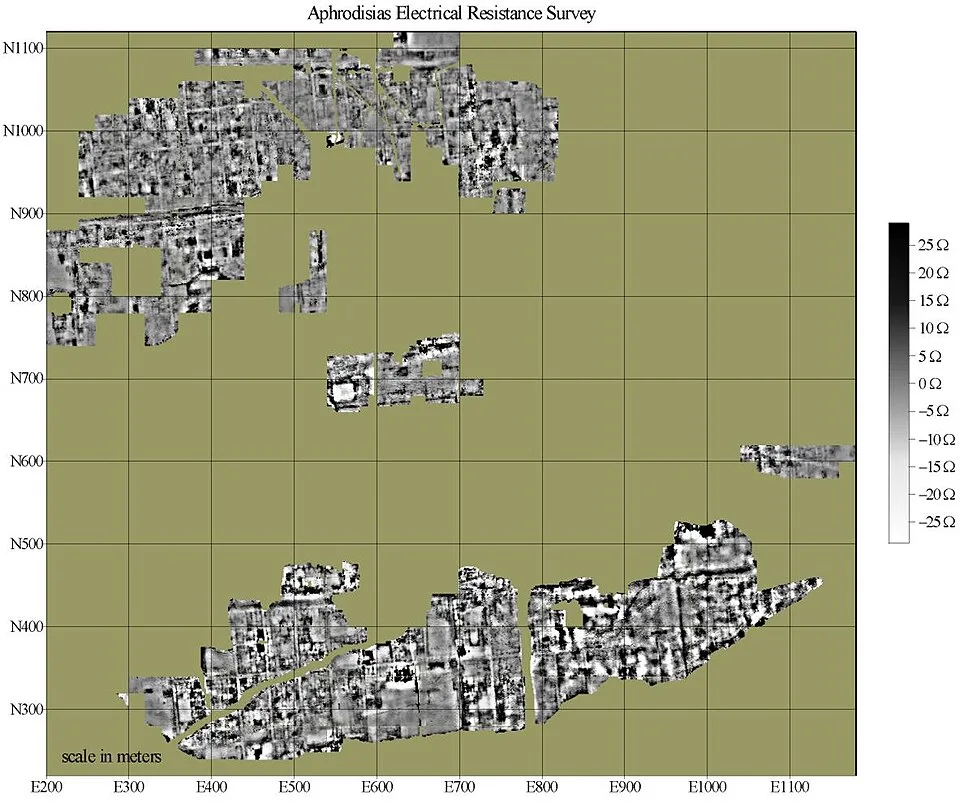
Aphrodisias-res
Aphrodisias-res | The original uploader was Tapatio at English Wikipedia. (Public domain)

The city's urban plan featured a grand colonnaded street (Tetrastoon) leading to the Temple of Aphrodite, flanked by shops and public buildings. The well-preserved theater, built into a hillside in the 1st century BCE, hosted performances and civic assemblies. A complex of public baths, including the Baths of Hadrian, highlights the importance of social ritual in daily life. Aphrodisias maintained extensive trade connections, exporting its distinctive white and blue-grey marble sculptures across the empire, with signed works found as far as Hadrian's Villa at Tivoli. The city's decline began with a devastating earthquake in the early 7th century CE, which damaged critical infrastructure. It never fully recovered its former grandeur, gradually shrinking to a fortified settlement around the former temple-basilica before being abandoned in the later Byzantine period.
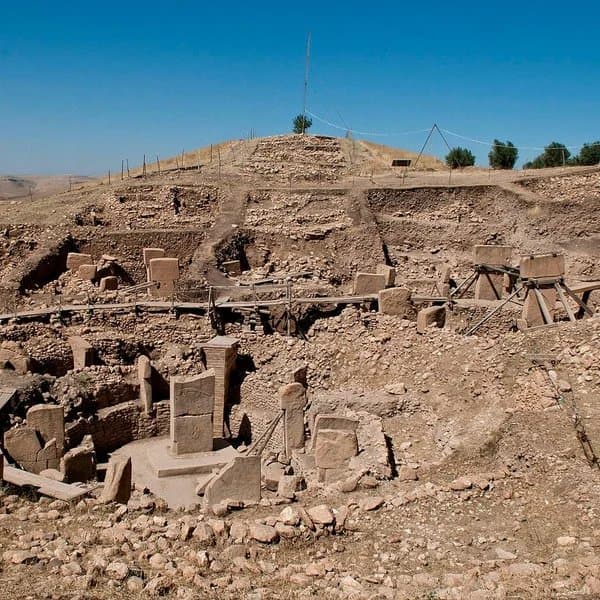
중요성

Aphrodisias was one of the ancient world's most important centers of artistic production. Its marble sculpture school influenced Roman art across the Mediterranean. The Sebasteion reliefs provide one of the most complete surviving programs of imperial Roman propaganda art. The city's exceptional preservation and the quality of its monuments make it one of the most visually impressive classical sites in Türkiye. UNESCO inscribed it in 2017.

증거와 해석

확립된 사실과 논쟁 중인 사항을 구분합니다.

잘 확립된 사실

4
  • Aphrodisian sculptors were renowned across the Roman Empire; signed works have been found in Rome.
  • The Sebasteion contained elaborate relief panels depicting imperial mythology and conquered nations.
  • The Temple of Aphrodite was converted into a Christian basilica in the 5th century.
  • The city's marble quarries at nearby İslamlar Dağı provided a fine-grained, white and blue-grey marble highly prized for sculpture.

학술적 추론

1
  • The city's wealth was largely based on its marble quarries and sculpture workshops.

논쟁 중인 해석

1
  • The precise function of the 'Bishop's Palace' complex, whether an episcopal residence, a civic administrative center, or a combination of both, is debated.

발견과 발굴

1904

Early French investigation

지휘 Paul Gaudin

Paul Gaudin conducted the first archaeological work at the site.

1904

First Systematic Excavations

지휘 Paul Gaudin

Initial excavations focused on the Temple of Aphrodite and the Bouleuterion, conducted by French archaeologist Paul Gaudin.

1961–1990

Major NYU excavations

지휘 Kenan Erim / NYU

Kenan Erim dedicated nearly 30 years to excavating Aphrodisias, uncovering its major monuments.

1991

Oxford University continues

지휘 R.R.R. Smith / Oxford University

R.R.R. Smith continues research focusing on sculpture and the Sebasteion.

커뮤니티 사진

당신의 경험을 공유하세요

이 유적지를 방문하셨나요? 다른 탐험가들을 위해 사진을 업로드해 보세요.

관련 이야기

이 페이지 인용 방법

Atlas Anatolia. (600). Aphrodisias. Atlas Anatolia. https://atlasanatolia.com/ko/site/aphrodisias

콘텐츠는 CC BY-SA 4.0 라이선스에 따라 제공됩니다 — 재사용 시 출처 표시가 필요합니다.

그래프

관련 유적지와 스토리로의 연결.

World History Encyclopedia에서 전체 기사 읽기
World History Encyclopedia · CC BY-NC-SA

출처

  • Aphrodisias: City and Sculpture in Roman Asia — R.R.R. Smith (2006)
  • UNESCO World Heritage — Aphrodisias링크

자주 묻는 질문

Aphrodisias은(는) 어디에 위치해 있나요?

Aphrodisias은(는) Aydın, Aegean, Türkiye에 위치해 있습니다.

Aphrodisias의 연대는 언제인가요?

Aphrodisias의 연대는 대략 600 기원전 – 1200 서기로 거슬러 올라갑니다.

Aphrodisias과(와) 관련된 고대 문명은 무엇인가요?

Aphrodisias은(는) Greek, Roman, Byzantine, Carian 문명과 관련이 있습니다.

Aphrodisias이(가) 중요한 이유는 무엇인가요?

Aphrodisias was one of the ancient world's most important centers of artistic production.

Aphrodisias은(는) 유네스코 세계유산인가요?

예 — Aphrodisias은(는) 유네스코 세계유산으로 등재되어 있습니다.