

콘텐츠로 건너뛰기
Atlas Anatolia
디그
뉴스술라웨시 빙하기 치아에서 빈랑 사용 25,000년 전까지 소급카스타모누 폼페이오폴리스 바실리카에서 로마 모자이크와 에로스 두상 발견
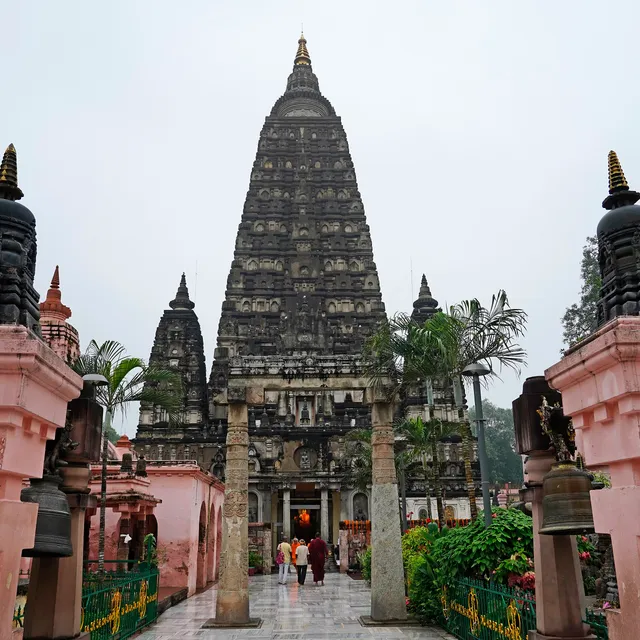
The Mahabodhi Temple at Bodh Gaya, Bihar, India

Wikimedia Commons

Country Record

Oldest Temple in India

신전유네스코주요

Bodh Gaya

Seyfi Cem Baskin

बोधगया500 기원전 – 1900 서기

The place where Siddhartha Gautama attained enlightenment under the Bodhi tree — marked by the soaring Mahabodhi Temple in Bihar, India — the holiest pilgrimage site in Buddhism and a UNESCO World Heritage monument drawing devotees from across Asia.

21
관심 73

위치

인도

24.70°N · 84.99°E · 아시아

Event

Traditional site of the Buddha's enlightenment, c. 5th century BCE

Ashoka

3rd-century BCE shrine tradition; Vajrasana slab attributed to his period

Temple height

Mahabodhi tower ~55 m, mainly Gupta-period fabric

UNESCO

Mahabodhi Temple Complex (2002)

Graphite pencil sketch banner of Bodh Gaya

“Bodh Gaya is the geographic anchor of the Buddhist world — every major Buddhist tradition traces its origin narrative to this spot.”

위치

개요

Bodh Gaya stands on the bank of the Niranjana (Lilajan) River in Gaya district, Bihar, northeastern India. Buddhist tradition locates here the Bodhi tree under which Siddhartha Gautama meditated and awakened as the Buddha, circa 5th century BCE. Emperor Ashoka is credited with founding a shrine at the site in the 3rd century BCE; the present Mahabodhi Temple — a pyramidal brick tower rising about 55 metres — largely dates to the Gupta period (5th–6th centuries CE) with later restorations by Burmese, Sinhalese, and British-era archaeologists.

The Vajrasana (Diamond Throne) red sandstone slab marks the traditional spot of enlightenment inside the sanctum. Surrounding the main temple are smaller shrines, the Bodhi tree (a descendant of the original), monasteries built by Buddhist nations (Thai, Japanese, Bhutanese, Tibetan), and the Great Buddha statue (21st century). The Archaeological Survey of India manages the core complex; UNESCO listed the Mahabodhi Temple in 2002.

Bodh Gaya hosts major festivals including Buddha Purnima and attracts hundreds of thousands of pilgrims annually, making it among the most significant living religious archaeological sites in the world.
중요성

Bodh Gaya is the geographic anchor of the Buddhist world — every major Buddhist tradition traces its origin narrative to this spot. The Mahabodhi Temple is one of the earliest surviving brick temples in India and a key document of Gupta-period sacred architecture.

증거와 해석

확립된 사실과 논쟁 중인 사항을 구분합니다.

잘 확립된 사실

2
  • Ashokan pillar fragments and epigraphic references document royal patronage at Bodh Gaya in the 3rd century BCE.
  • Architectural and inscriptional evidence dates the core Mahabodhi Temple tower to the Gupta period with documented later restorations.

학술적 추론

1
  • The identification of the exact Bodhi tree lineage is traditional; botanical descent is plausible but not provable across 2,500 years.

커뮤니티 사진

당신의 경험을 공유하세요

이 유적지를 방문하셨나요? 다른 탐험가들을 위해 사진을 업로드해 보세요.

관련 이야기

이 페이지 인용 방법

Atlas Anatolia. (500). Bodh Gaya. Atlas Anatolia. https://atlasanatolia.com/ko/site/bodh-gaya

콘텐츠는 CC BY-SA 4.0 라이선스에 따라 제공됩니다 — 재사용 시 출처 표시가 필요합니다.

그래프

관련 유적지와 스토리로의 연결.

출처

  • Sacred Traces: British Explorations of Buddhism in South Asia — Leoshko, Janice (2003)
  • UNESCO — Mahabodhi Temple링크

자주 묻는 질문

Bodh Gaya은(는) 어디에 위치해 있나요?

Bodh Gaya은(는) India에 위치해 있습니다.

Bodh Gaya의 연대는 언제인가요?

Bodh Gaya의 연대는 대략 500 기원전 – 1900 서기로 거슬러 올라갑니다.

Bodh Gaya과(와) 관련된 고대 문명은 무엇인가요?

Bodh Gaya은(는) Mauryan, Gupta 문명과 관련이 있습니다.

Bodh Gaya이(가) 중요한 이유는 무엇인가요?

Bodh Gaya is the geographic anchor of the Buddhist world — every major Buddhist tradition traces its origin narrative to this spot.

Bodh Gaya은(는) 유네스코 세계유산인가요?

예 — Bodh Gaya은(는) 유네스코 세계유산으로 등재되어 있습니다.