
コンテンツへスキップ
Atlas Anatolia
ニュースIce Age teeth in Sulawesi push betel-nut use back as far as 25,000 yearsRoman mosaic and Eros head uncovered in the basilica at Pompeiopolis, Kastamonu
Stone foundations and walls of the archaeological site of Ugarit at Ras Shamra

Wikimedia Commons (CC BY-SA 3.0)

Country Record

Oldest City in Syria

都市注目

Ugarit

Seyfi Cem Baskin

أوغاريت6000 紀元前 – 1185 紀元前

The Late Bronze Age port city on Syria’s Mediterranean coast whose clay-tablet archives revealed the Ugaritic alphabet and Northwest Semitic myth cycles — one of the densest textual sites of the ancient Near East and the second-highest archaeological pageview gap in our multilingual audit.

21
関心 64

所在地

シリア

35.60°N · 35.78°E · アジア

Peak period

Late Bronze Age, c. 1450–1185 BCE

Discovery

1928 peasant find; Schaeffer excavations from 1929

Archives

Ugaritic alphabet + Akkadian diplomacy tablets

End

Destruction c. 1185 BCE; site abandoned

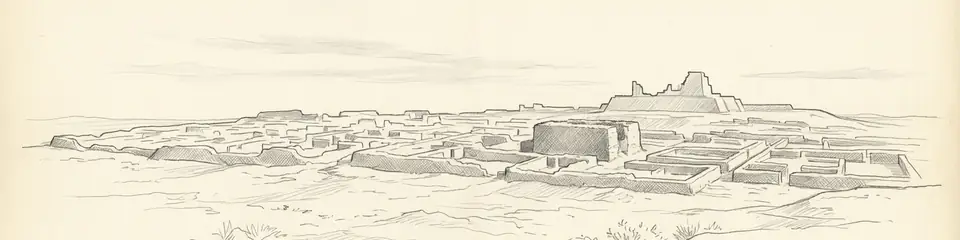
Graphite pencil sketch banner of Ugarit

“Ugarit’s alphabet and myth tablets are primary evidence for Northwest Semitic language, religion, and elite literacy before the Hebrew Bible’s compilation.”

所在地

概要

Ugarit lies at modern Ras Shamra just north of Latakia on the Syrian coast. Chance discovery of a tomb in 1928 led Claude Schaeffer and successive French and Syrian missions to uncover a royal palace, temples of Baal and Dagan, residential quarters, and harbour installations of Minet el-Beida. Occupation peaked in the Late Bronze Age (c. 1450–1185 BCE) under a dynasty that wrote Akkadian diplomatic letters and local Ugaritic cuneiform.

The tablets — gods Baal, Anat, El; rituals; treaties; and the earliest fully attested Northwest Semitic alphabet — reshaped understanding of Canaanite religion and biblical parallel literature. House archives of merchants and scribes show a cosmopolitan trading city linked to Cyprus, Egypt, and Hatti. Around 1185 BCE the city burned in the coastal destructions associated with the Late Bronze Age collapse; it was never fully revived.

Architectural levels include the Palace courtyard complexes, the acropolis temples, and residences with corner cisterns. Pair with Hattusha and Troy for eastern Mediterranean collapse horizons, and with Jericho for Levantine city traditions.
重要性

Ugarit’s alphabet and myth tablets are primary evidence for Northwest Semitic language, religion, and elite literacy before the Hebrew Bible’s compilation. Its destruction horizon is a fixed reference for the Late Bronze Age collapse along the Levantine coast.

証拠と解釈

確立された事実と議論が続く事柄を区別する。

確立された事実

2
  • Thousands of cuneiform tablets from palace and private archives establish Ugaritic language, calendar, and pantheon.
  • Burn layers and weapon finds correlate with the coastal Late Bronze Age collapse horizon around 1200 BCE.

学術的推論

1
  • Sea Peoples or mixed raiders may have delivered the final blow — the tablets cease abruptly without a clear ethnic signature.

コミュニティ写真

あなたの体験を共有する

この遺跡を訪れたことがありますか?写真をアップロードして魅力を共有しましょう。

関連記事

このページの引用方法

Atlas Anatolia. (6000). Ugarit. Atlas Anatolia. https://atlasanatolia.com/ja/site/ugarit

コンテンツはCC BY-SA 4.0ライセンスの下で提供されています — 再利用の際は出典表示が必要です。

グラフ

関連する遺跡やストーリーへのつながり。

出典

  • The City of Ugarit at Tell Ras Shamra — Yon, Marguerite (2006)
  • Ritual and Cult at Ugarit — Pardee, Dennis (2002)

よくある質問

Ugaritはどこにありますか?

UgaritはSyriaに位置しています。

Ugaritの年代はいつ頃ですか?

Ugaritはおよそ6000 紀元前 – 1185 紀元前のものとされています。

Ugaritはどの文明に関連していますか?

UgaritはCanaanite, Ugaritic文明に関連しています。

Ugaritが重要な理由は何ですか?

Ugarit’s alphabet and myth tablets are primary evidence for Northwest Semitic language, religion, and elite literacy before the Hebrew Bible’s compilation.

Ugaritはユネスコ世界遺産ですか?

Ugaritは現在ユネスコ世界遺産には登録されていません。