
コンテンツへスキップ
Atlas Anatolia
ニュースIce Age teeth in Sulawesi push betel-nut use back as far as 25,000 yearsRoman mosaic and Eros head uncovered in the basilica at Pompeiopolis, Kastamonu
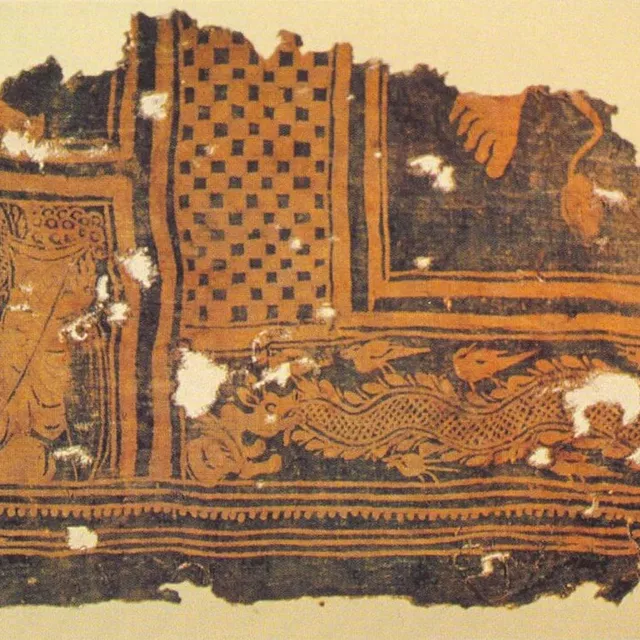
Ancient textile fragment associated with finds from the Niya oasis excavations

Wikimedia Commons

集落

Niya

Seyfi Cem Baskin

尼雅遗址100 紀元前 – 500 西暦

A Silk Road oasis settlement swallowed by desert sands in the southern Tarim Basin — excavated wooden houses, orchards, and bilingual administrative documents that illuminate daily life in the Kroraina (Loulan) cultural sphere under Kushan and Chinese spheres of influence.

21
関心 40

所在地

中国

37.98°N · 82.72°E · アジア

Environment

Desert-buried oasis in the southern Taklamakan

Famous excavator

Aurel Stein — wooden houses and Kharoṣṭhī tablets

Documents

Administrative texts in Kharoṣṭhī and Chinese

Cultural sphere

Kroraina (Loulan) / southern Tarim oasis network

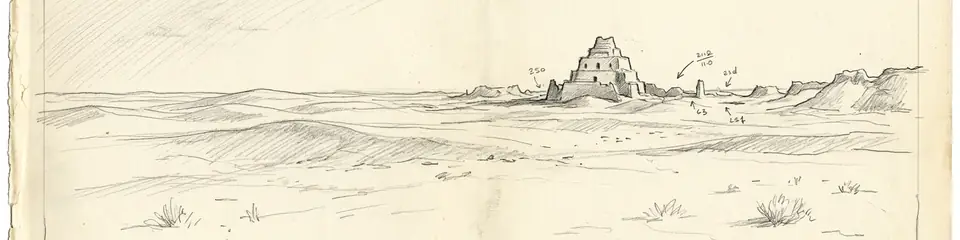
Graphite pencil sketch banner of Niya

“Niya makes the Silk Road concrete: not only caravans and empires, but tax records, marriage contracts, and orchard plots preserved house by house under sand.”

所在地

概要

Niya lies deep in the Taklamakan Desert of southern Xinjiang, roughly along ancient routes between Khotan and Loulan (Kroraina). Once a riverside oasis settlement — identified with Cadota in some Classical and Chinese itineraries — it flourished in the early centuries CE before shifting river courses and dune advance buried houses, orchards, graves, and archives under sand.

Aurel Stein’s early 20th-century excavations famously recovered wooden architecture still standing in the sand, Kharoṣṭhī administrative tablets, Chinese documents, textiles, and everyday artefacts that together form one of the richest “frozen in sand” archives of Inner Asian oasis life. Later Chinese expeditions mapped additional house compounds and cemeteries. Organic preservation — wood, leather, paper — is extraordinary because of extreme aridity.
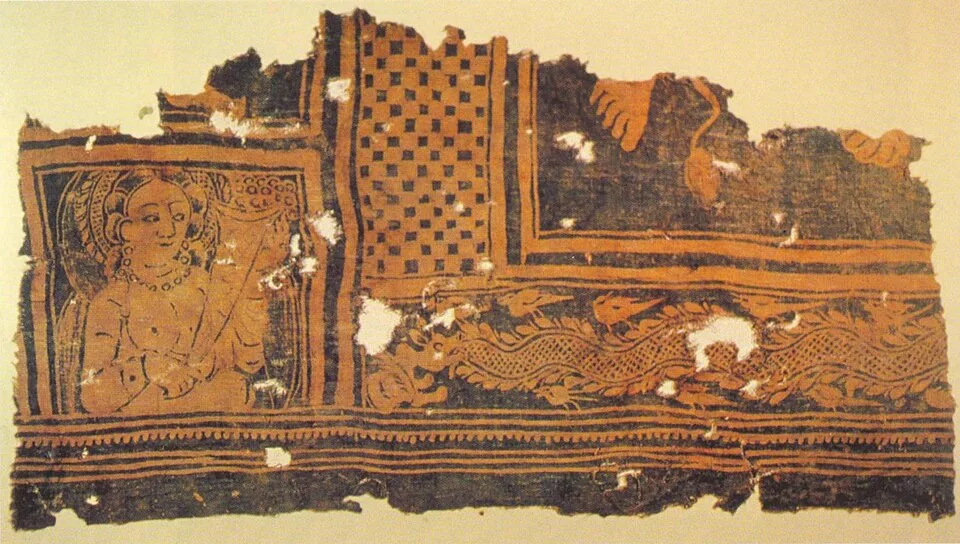
Niya batik
Niya batik | Unknown authorUnknown author (Public domain)
"Wooden houses stand yet in the sand, as though their owners had stepped out for a day; tablets of wood still recite rents, marriages, and the law of Cadota."
— Paraphrase of Aurel Stein's impressions at Niya, early 20th century

Niya’s bilingual paperwork captures a society negotiating Indian scripts and administrative habits with Chinese imperial and local oasis politics — a microcosm of southern Silk Road connectivity.
重要性

Niya makes the Silk Road concrete: not only caravans and empires, but tax records, marriage contracts, and orchard plots preserved house by house under sand. It is foundational for studying the Kroraina cultural zone and the reach of Kushan-era documentary culture into the Tarim Basin.

証拠と解釈

確立された事実と議論が続く事柄を区別する。

確立された事実

2
  • Excavated wooden architecture and stratified finds establish a long-lived oasis settlement abandoned to sand encroachment.
  • Kharoṣṭhī and Chinese documents provide primary administrative evidence for local governance and trade.

学術的推論

1
  • Abandonment followed hydrological change and dune advance cutting off reliable river irrigation.

コミュニティ写真

あなたの体験を共有する

この遺跡を訪れたことがありますか?写真をアップロードして魅力を共有しましょう。

関連記事

このページの引用方法

Atlas Anatolia. (100). Niya. Atlas Anatolia. https://atlasanatolia.com/ja/site/niya

コンテンツはCC BY-SA 4.0ライセンスの下で提供されています — 再利用の際は出典表示が必要です。

グラフ

関連する遺跡やストーリーへのつながり。

出典

  • Ancient Khotan — Stein, M. Aurel (1907)
  • The Silk Road: A New History — Hansen, Valerie (2012)

よくある質問

Niyaはどこにありますか?

NiyaはChinaに位置しています。

Niyaの年代はいつ頃ですか?

Niyaはおよそ100 紀元前 – 500 西暦のものとされています。

Niyaはどの文明に関連していますか?

NiyaはHan, Kroraina (Loulan)文明に関連しています。

Niyaが重要な理由は何ですか?

Niya makes the Silk Road concrete: not only caravans and empires, but tax records, marriage contracts, and orchard plots preserved house by house under sand.

Niyaはユネスコ世界遺産ですか?

Niyaは現在ユネスコ世界遺産には登録されていません。