

コンテンツへスキップ
Atlas Anatolia
ニュースIce Age teeth in Sulawesi push betel-nut use back as far as 25,000 yearsRoman mosaic and Eros head uncovered in the basilica at Pompeiopolis, Kastamonu
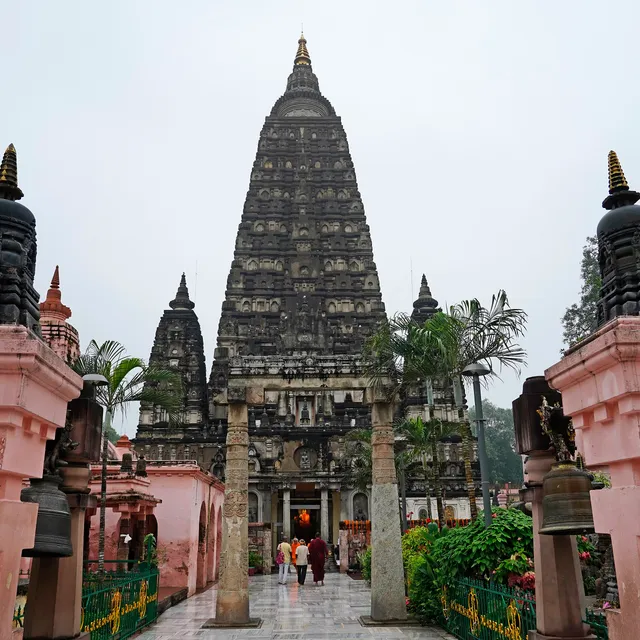
The Mahabodhi Temple at Bodh Gaya, Bihar, India

Wikimedia Commons

Country Record

Oldest Temple in India

神殿UNESCO注目

Bodh Gaya

Seyfi Cem Baskin

बोधगया500 紀元前 – 1900 西暦

The place where Siddhartha Gautama attained enlightenment under the Bodhi tree — marked by the soaring Mahabodhi Temple in Bihar, India — the holiest pilgrimage site in Buddhism and a UNESCO World Heritage monument drawing devotees from across Asia.

21
関心 73

所在地

インド

24.70°N · 84.99°E · アジア

Event

Traditional site of the Buddha's enlightenment, c. 5th century BCE

Ashoka

3rd-century BCE shrine tradition; Vajrasana slab attributed to his period

Temple height

Mahabodhi tower ~55 m, mainly Gupta-period fabric

UNESCO

Mahabodhi Temple Complex (2002)

Graphite pencil sketch banner of Bodh Gaya

“Bodh Gaya is the geographic anchor of the Buddhist world — every major Buddhist tradition traces its origin narrative to this spot.”

所在地

概要

Bodh Gaya stands on the bank of the Niranjana (Lilajan) River in Gaya district, Bihar, northeastern India. Buddhist tradition locates here the Bodhi tree under which Siddhartha Gautama meditated and awakened as the Buddha, circa 5th century BCE. Emperor Ashoka is credited with founding a shrine at the site in the 3rd century BCE; the present Mahabodhi Temple — a pyramidal brick tower rising about 55 metres — largely dates to the Gupta period (5th–6th centuries CE) with later restorations by Burmese, Sinhalese, and British-era archaeologists.

The Vajrasana (Diamond Throne) red sandstone slab marks the traditional spot of enlightenment inside the sanctum. Surrounding the main temple are smaller shrines, the Bodhi tree (a descendant of the original), monasteries built by Buddhist nations (Thai, Japanese, Bhutanese, Tibetan), and the Great Buddha statue (21st century). The Archaeological Survey of India manages the core complex; UNESCO listed the Mahabodhi Temple in 2002.

Bodh Gaya hosts major festivals including Buddha Purnima and attracts hundreds of thousands of pilgrims annually, making it among the most significant living religious archaeological sites in the world.
重要性

Bodh Gaya is the geographic anchor of the Buddhist world — every major Buddhist tradition traces its origin narrative to this spot. The Mahabodhi Temple is one of the earliest surviving brick temples in India and a key document of Gupta-period sacred architecture.

証拠と解釈

確立された事実と議論が続く事柄を区別する。

確立された事実

2
  • Ashokan pillar fragments and epigraphic references document royal patronage at Bodh Gaya in the 3rd century BCE.
  • Architectural and inscriptional evidence dates the core Mahabodhi Temple tower to the Gupta period with documented later restorations.

学術的推論

1
  • The identification of the exact Bodhi tree lineage is traditional; botanical descent is plausible but not provable across 2,500 years.

コミュニティ写真

あなたの体験を共有する

この遺跡を訪れたことがありますか?写真をアップロードして魅力を共有しましょう。

関連記事

このページの引用方法

Atlas Anatolia. (500). Bodh Gaya. Atlas Anatolia. https://atlasanatolia.com/ja/site/bodh-gaya

コンテンツはCC BY-SA 4.0ライセンスの下で提供されています — 再利用の際は出典表示が必要です。

グラフ

関連する遺跡やストーリーへのつながり。

出典

  • Sacred Traces: British Explorations of Buddhism in South Asia — Leoshko, Janice (2003)
  • UNESCO — Mahabodhi Templeリンク

よくある質問

Bodh Gayaはどこにありますか?

Bodh GayaはIndiaに位置しています。

Bodh Gayaの年代はいつ頃ですか?

Bodh Gayaはおよそ500 紀元前 – 1900 西暦のものとされています。

Bodh Gayaはどの文明に関連していますか?

Bodh GayaはMauryan, Gupta文明に関連しています。

Bodh Gayaが重要な理由は何ですか?

Bodh Gaya is the geographic anchor of the Buddhist world — every major Buddhist tradition traces its origin narrative to this spot.

Bodh Gayaはユネスコ世界遺産ですか?

はい — Bodh Gayaはユネスコ世界遺産に登録されています。