
Aller au contenu
Atlas Anatolia
ActualitésIce Age teeth in Sulawesi push betel-nut use back as far as 25,000 yearsRoman mosaic and Eros head uncovered in the basilica at Pompeiopolis, Kastamonu
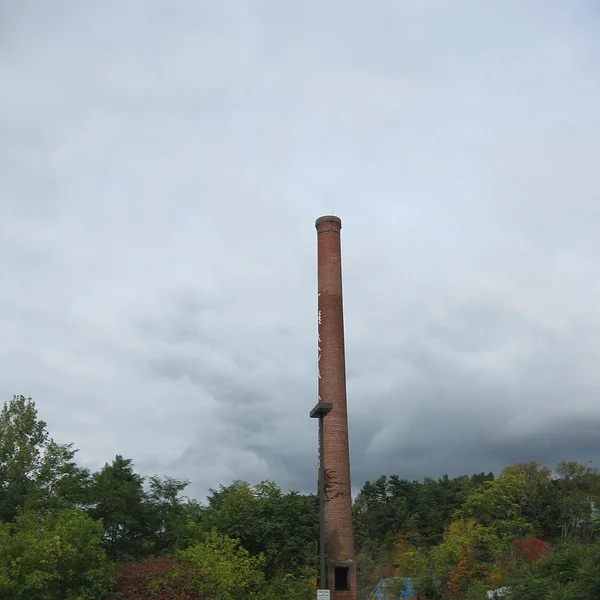
Coastline and hills of Ithaca island in the Ionian Sea

Wikimedia Commons (CC BY-SA 4.0)

Country Record

Earliest Known Site in Greece

ÉtablissementEn vedette

Ithaca

Seyfi Cem Baskin

Ιθάκη1300 av. J.-C. – 500 apr. J.-C.

The Ionian island identified since antiquity as Odysseus's rugged homeland. Archaeological work at Pelikata hill, the Cave of the Nymphs, and Stavros village has recovered Bronze Age and Hellenistic remains that keep alive the question of how closely Homer's geography matches the real archipelago.

211
Intérêt 74

Localisation

Grèce

38.37°N · 20.72°E · Europe

Epic role

Homeric homeland of Odysseus (Odyssey Books 1–24)

Key excavations

Pelikata, Polis bay, Cave of the Nymphs

Capital

Vathy harbour (modern main town)

Museum

Stavros Archaeological Museum

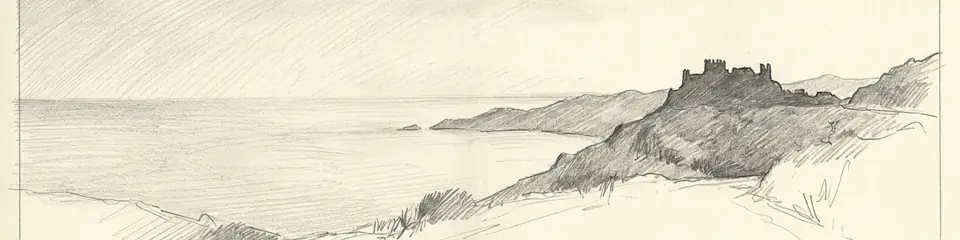
Graphite pencil sketch banner of Ithaca

“Ithaca anchors the western Greek quest to match epic poetry with physical places, a debate running from ancient scholiasts to modern geologists.”

Localisation

Aperçu

Ithaca (modern Ithaki) lies east of Cephalonia in the Ionian Sea, a steep, pine-covered island with a sheltered harbour at Vathy. Ancient writers from Homer onward placed Odysseus's kingdom here: rocky, poor in horses, yet dear to its exiled king. For more than two millennia pilgrims, scholars, and tourists have walked the paths looking for the "true" palace hill.

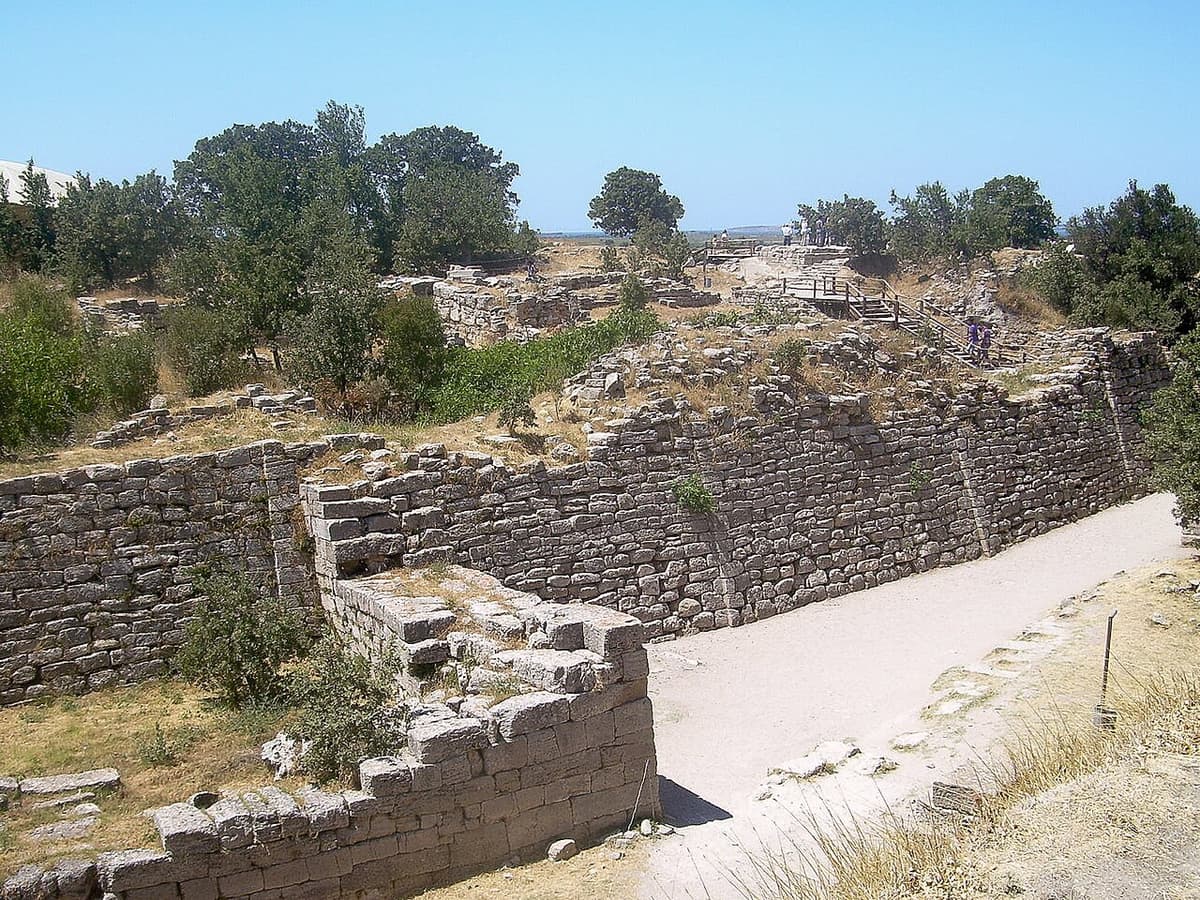
Systematic archaeology began in the 1930s and intensified after Heinrich Schliemann's generation had already shifted attention to Troy and Mycenae. Excavations at Pelikata, above the bay of Polis, revealed Bronze Age sherds and walls that may belong to a Late Bronze Age settlement. The nearby Cave of the Nymphs (Marmarospilia) yielded votive offerings linking cult practice to seafaring. In Stavros, a small archaeological museum displays finds from the Polis bay sanctuary, including terracotta masks and bronze tripods dedicated across centuries.
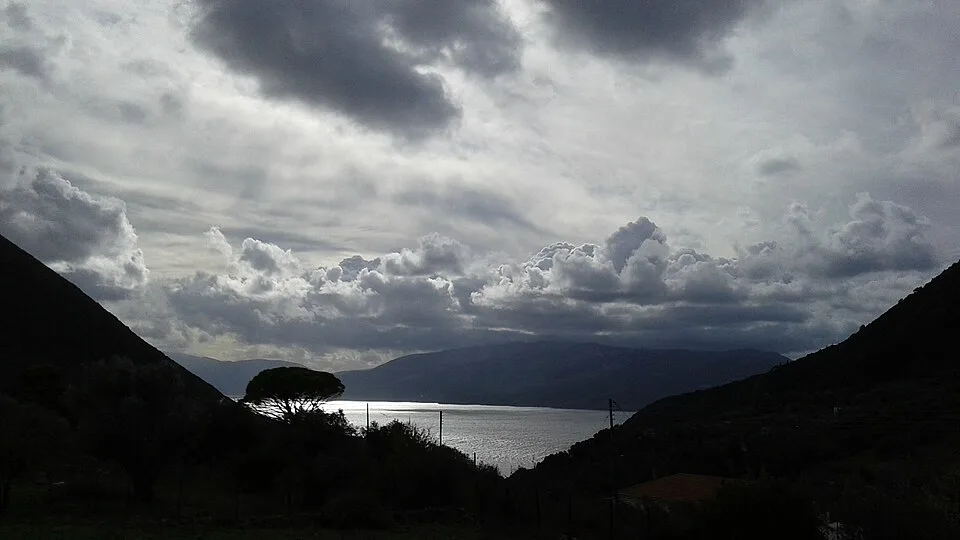
Kephalonia from Stavros - Ithaca (Pilikata)
Kephalonia from Stavros - Ithaca (Pilikata) | Antonis Kossyvas (CC BY-SA 4.0)
"There is a land called Ithaca in the sea, rugged but a good nurse of men; not rich in horses, yet not poor in flocks."
— Homer, Odyssey IX.27–28 (paraphrase)

No single "Odysseus palace" has emerged comparable to Pylos or Knossos. That absence is instructive: Homer's Ithaca may be a composite of Ionian islands, or the capital may lie unexcavated beneath modern villages. Recent geological studies of uplift and sea level note how coastlines have shifted since the Bronze Age, complicating literal map-matching.
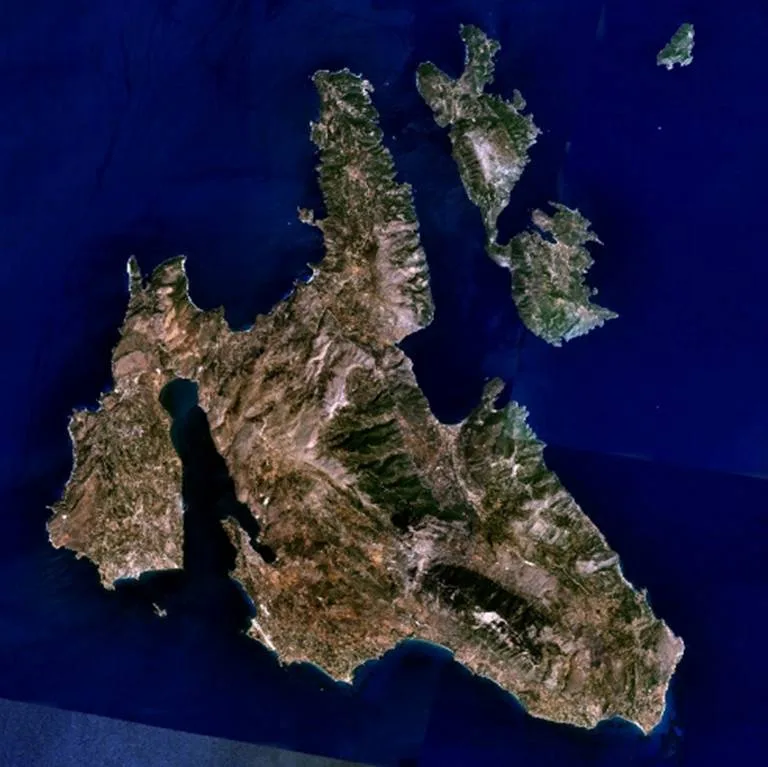
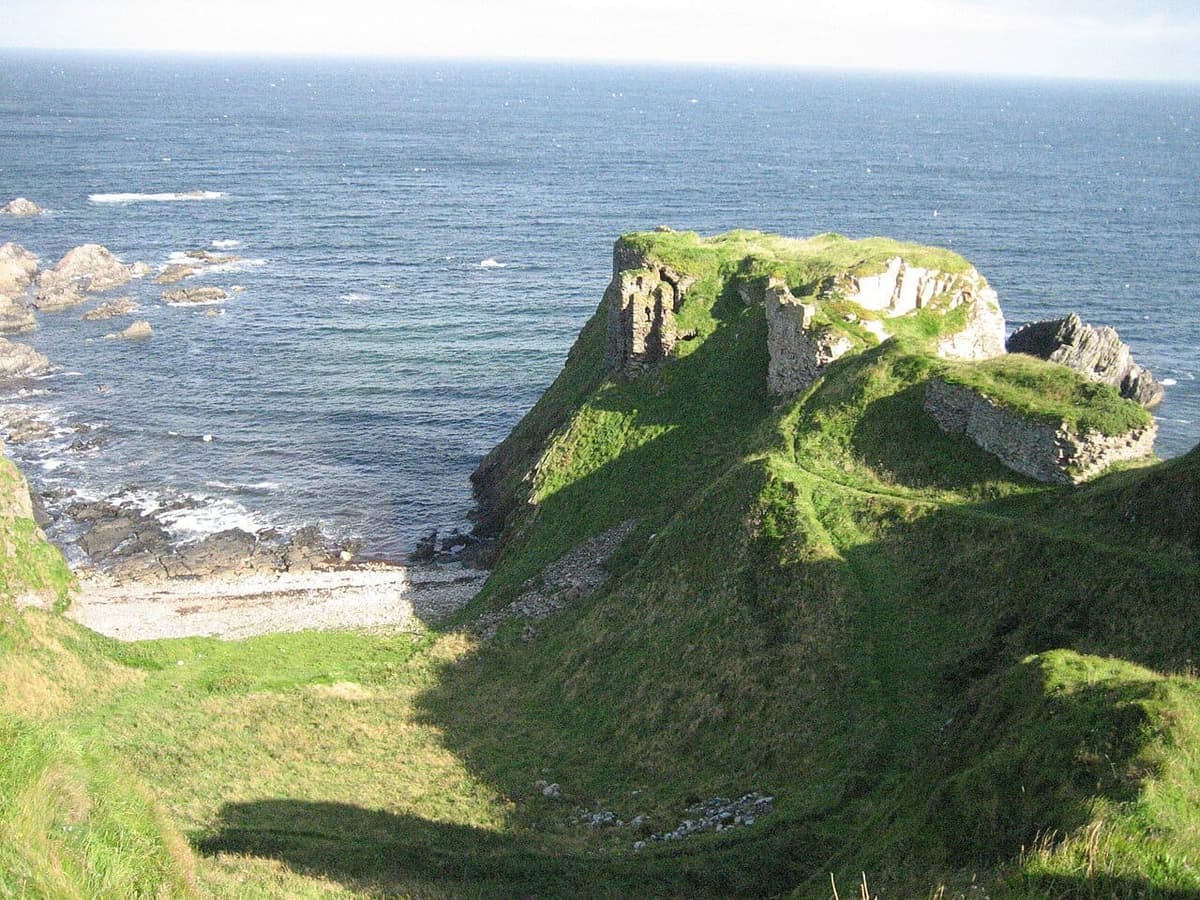
Kefallonia IthakiWW
Kefallonia IthakiWW | Wikimedia Commons (Public domain)

The island remains central to Odyssey geography in scholarship and in popular culture. Film productions seeking Homeric atmosphere often scout the Ionian cliffs and harbours even when they shoot elsewhere. Readers tracing Odysseus's return can compare Palace of Nestor, where Telemachus sought news of his father, with the island landscapes described in Books 13–24.
Pourquoi c'est important

Ithaca anchors the western Greek quest to match epic poetry with physical places, a debate running from ancient scholiasts to modern geologists. Even without a palace label, the island's sanctuaries and Bronze Age traces show continuous ritual interest in Odysseus as a local hero.

Preuves et interprétation

Distinguer ce qui est bien établi de ce qui reste débattu.

Faits bien établis

2
  • Bronze Age and Iron Age material has been recovered at Pelikata and Polis bay.
  • Ancient literary tradition consistently places Odysseus's realm on this island.

Inférences savantes

1
  • Homeric description of a rugged, low-lying island fits parts of Ithaki's topography when combined with adjacent Cephalonia.

Interprétations débattues

1
  • Competing theories locate "Homeric Ithaca" on Paliki (Cephalonia) or other Ionian settings.

Photos de la communauté

Partagez votre expérience

Avez-vous visité ce site ? Téléchargez vos photos pour aider les autres à le découvrir.

Récits liés

Comment citer cette page

Atlas Anatolia. (1300). Ithaca. Atlas Anatolia. https://atlasanatolia.com/fr/site/ithaca

Contenu sous licence CC BY-SA 4.0 — attribution requise en cas de réutilisation.

Graphique

Connexions avec des sites et récits associés.

Sources

  • Odysseus Unbound: The Search for Homer's Ithaca — Bittlestone, Robert (2005)
  • The Topography of Homeric Ithaca — Symeonoglou, Sarantis (2002)

Questions fréquentes

Où se trouve Ithaca ?

Ithaca est situé à/en Greece.

De quand date Ithaca ?

Ithaca remonte approximativement à 1300 av. J.-C. – 500 apr. J.-C..

Quelles civilisations sont associées à Ithaca ?

Ithaca est associé à la civilisation Mycenaean, Greek.

Pourquoi Ithaca est-il important ?

Ithaca anchors the western Greek quest to match epic poetry with physical places, a debate running from ancient scholiasts to modern geologists.

Ithaca est-il inscrit au patrimoine mondial de l'UNESCO ?

Ithaca n'est pas actuellement inscrit sur la liste du patrimoine mondial de l'UNESCO.