
Anatolia — the great peninsula of modern Türkiye — is one of the most layered archaeological landscapes on Earth. It holds the world's oldest known temple, the capital of a Bronze Age empire that rivalled Egypt, Greek and Roman cities of breathtaking scale, and the masterpieces of Byzantine and Ottoman builders, all within a single country. These are 12 of the most remarkable ancient sites in Anatolia, ranked by how much interest they draw from visitors and researchers around the world.
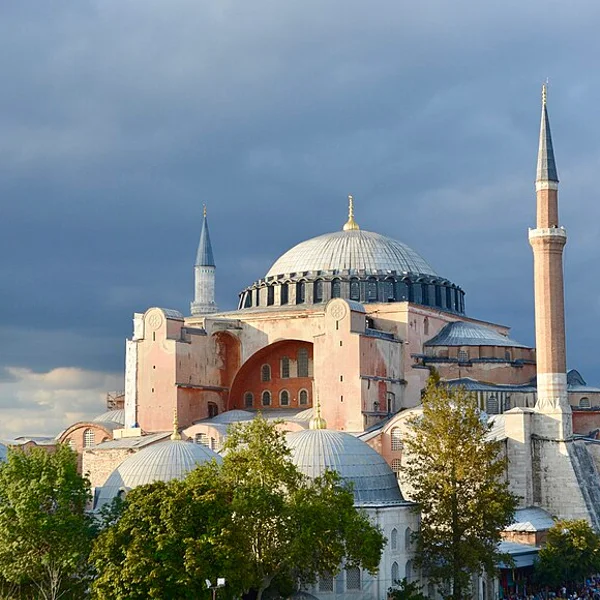
1. Hagia Sophia
"Anatolia is a bridge and a cemetery of empires — Hittite, Greek, Roman, Byzantine, Ottoman — each leaving stone that still speaks."
— Editorial synthesis for Atlas Anatolia's Anatolian itineraries
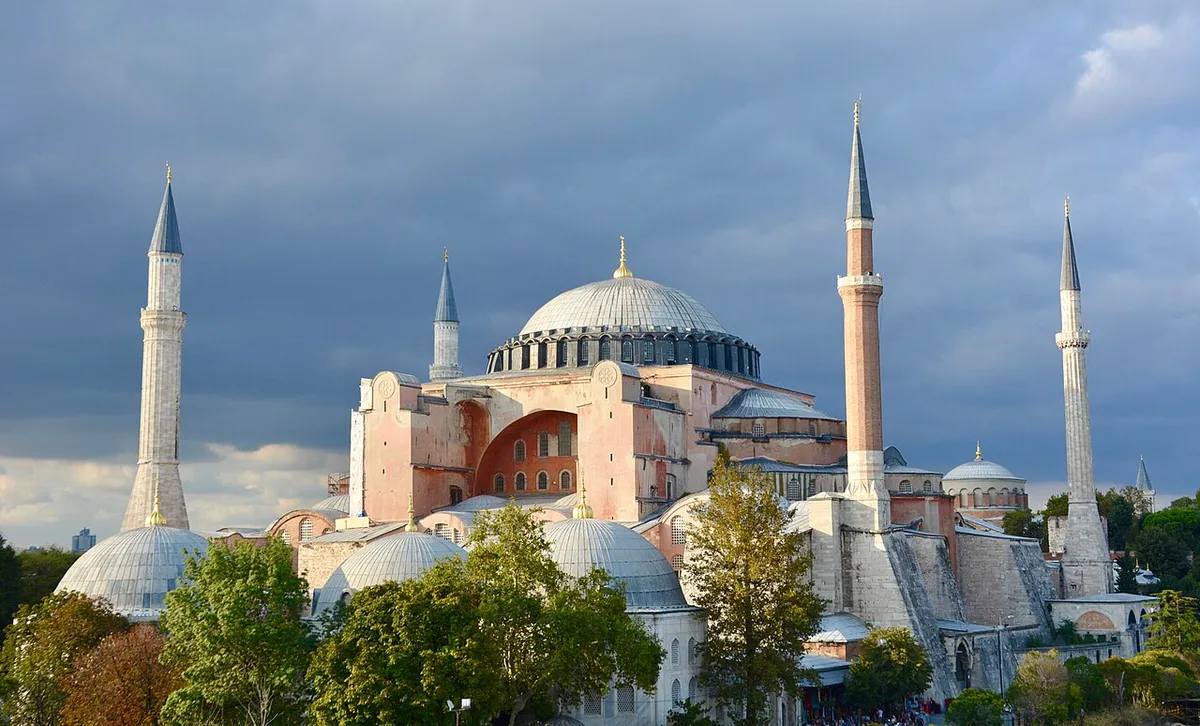
The supreme achievement of Byzantine architecture — a vast domed basilica built by the emperor Justinian in Constantinople in just five years and completed in 537 CE, its 31-metre dome seeming to float on a ring of windows. For nearly a thousand years it was the largest enclosed space and greatest cathedral in the Christian world, before becoming a mosque, a museum, and a mosque again.
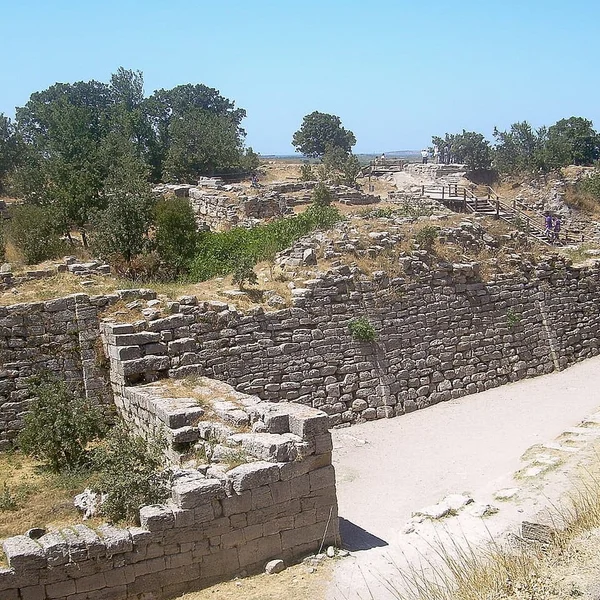
2. Troy
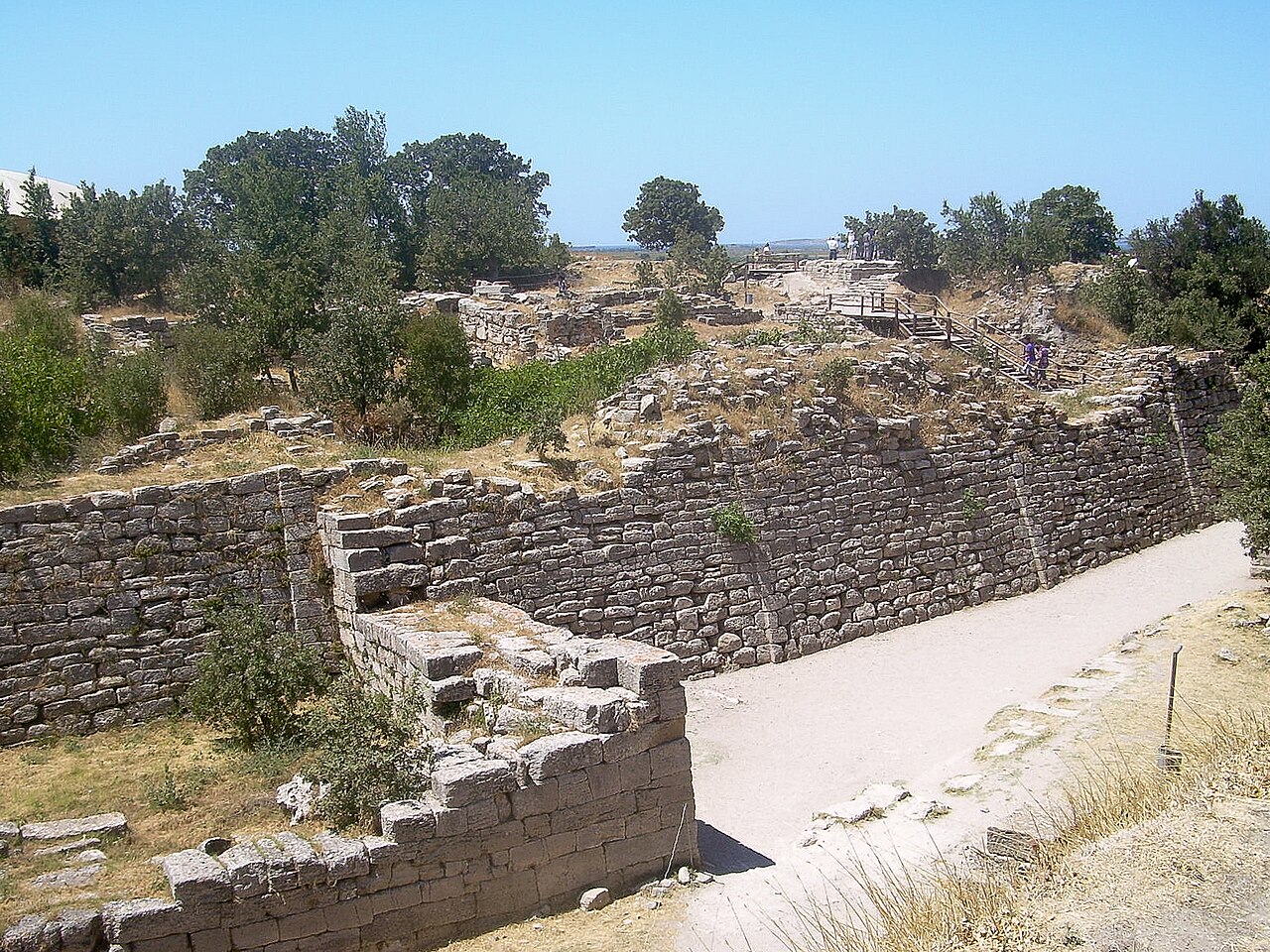
The legendary city of Homer's Iliad, located at Hisarlık in northwestern Türkiye. Multiple settlement layers spanning over 4,000 years make it one of the most storied archaeological sites in the world.
Çanakkale, Marmara, Türkiye.
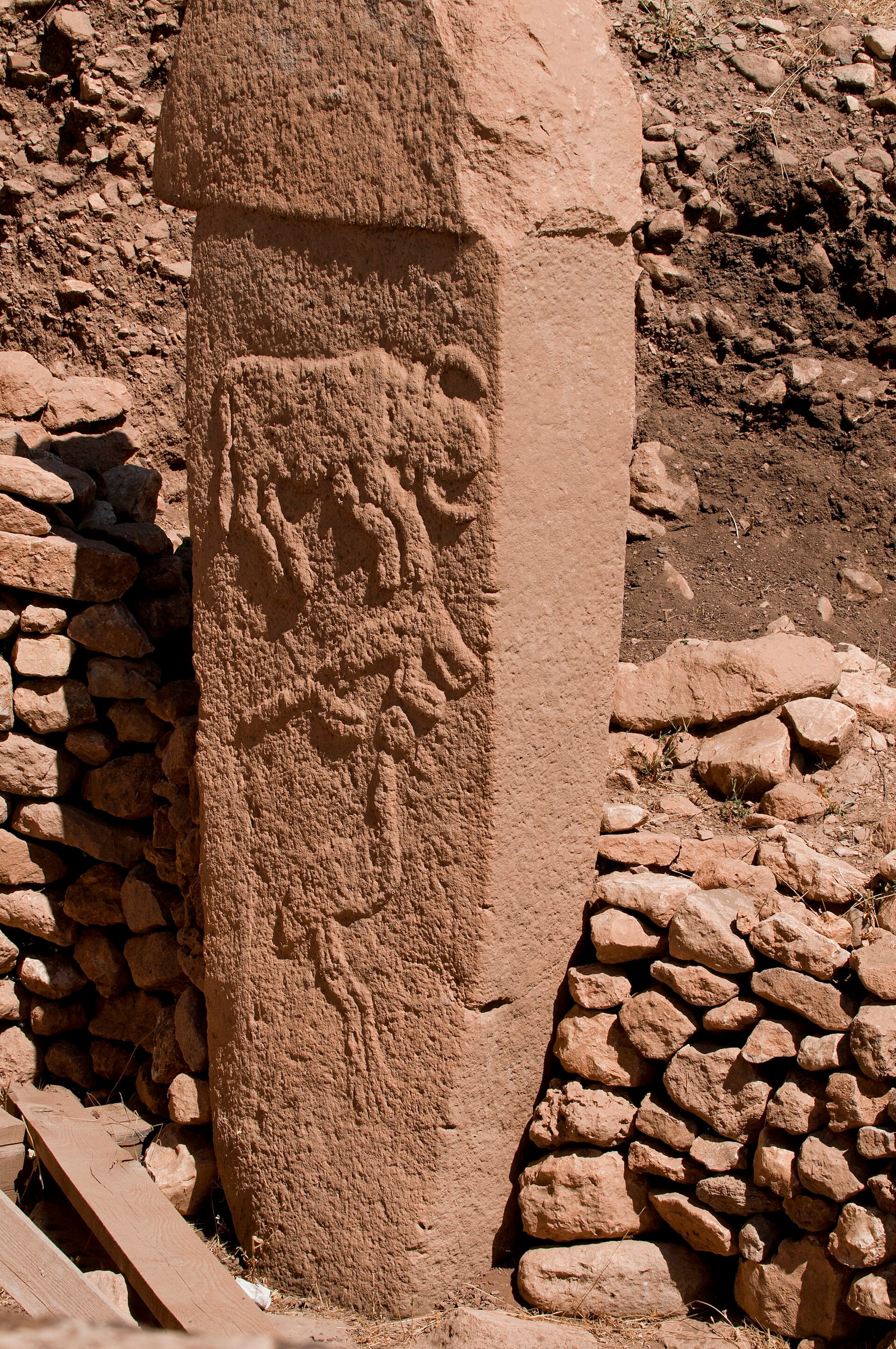
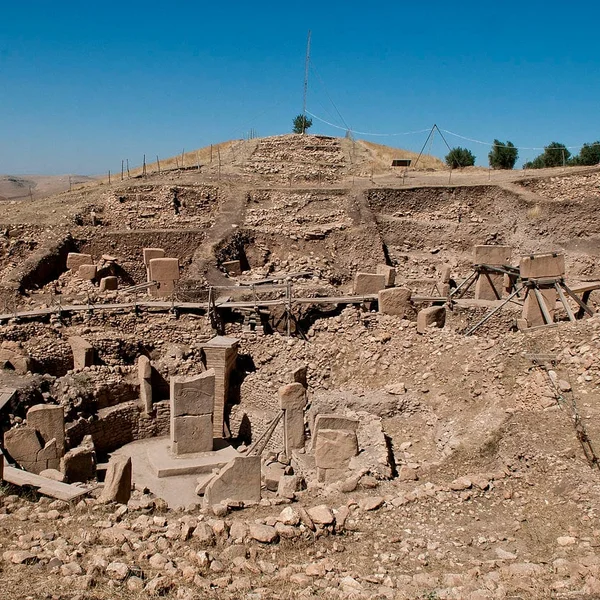
3. Göbekli Tepe
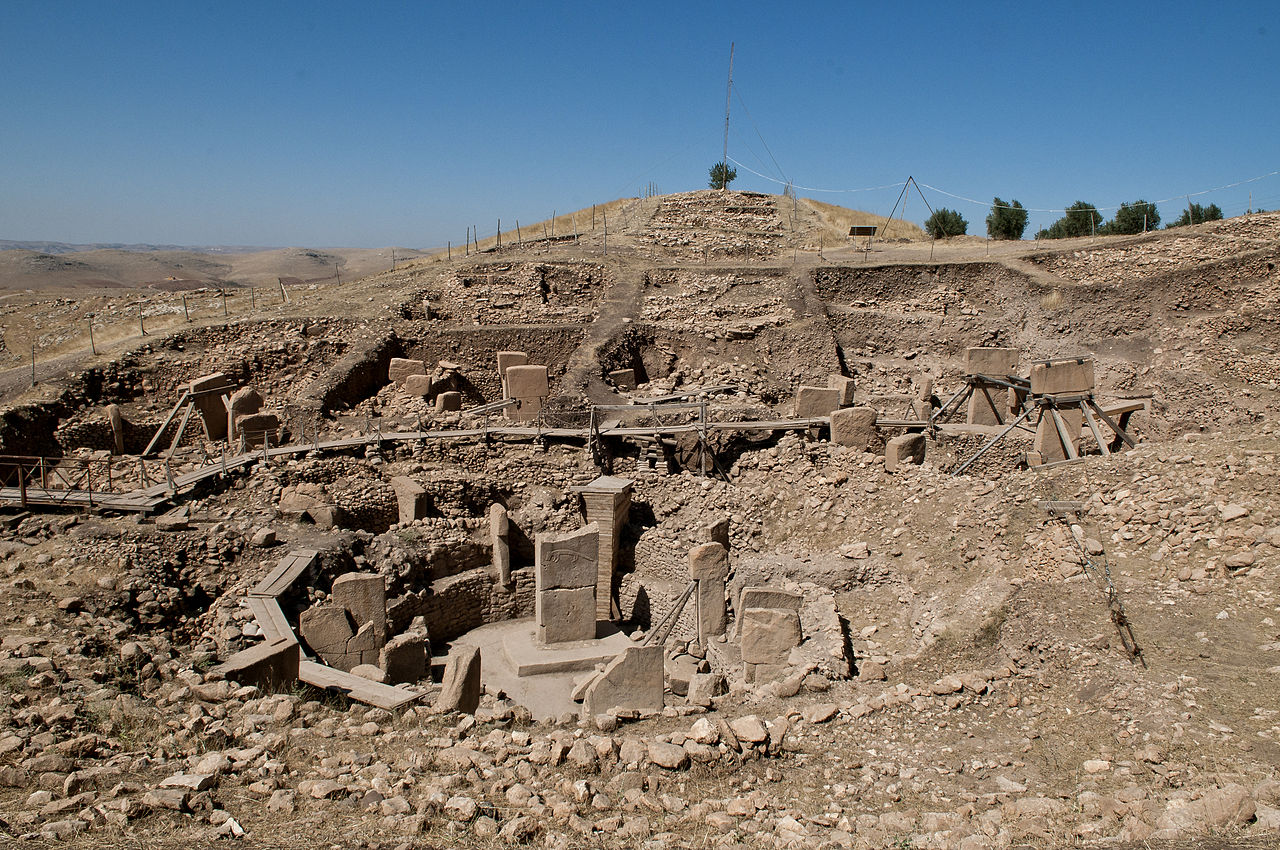
The world's oldest known monumental sanctuary, predating Stonehenge by roughly 6,000 years. Massive carved T-shaped pillars arranged in circles suggest complex ritual activity among pre-agricultural communities.
Şanlıurfa, Southeastern Anatolia, Türkiye.
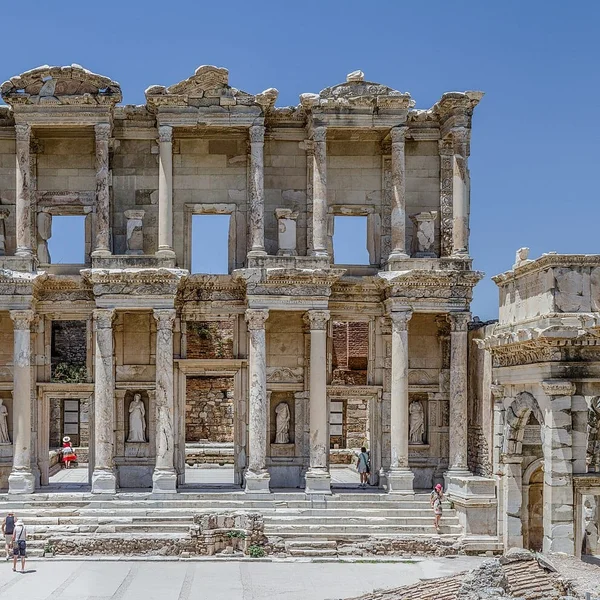
4. Ephesus
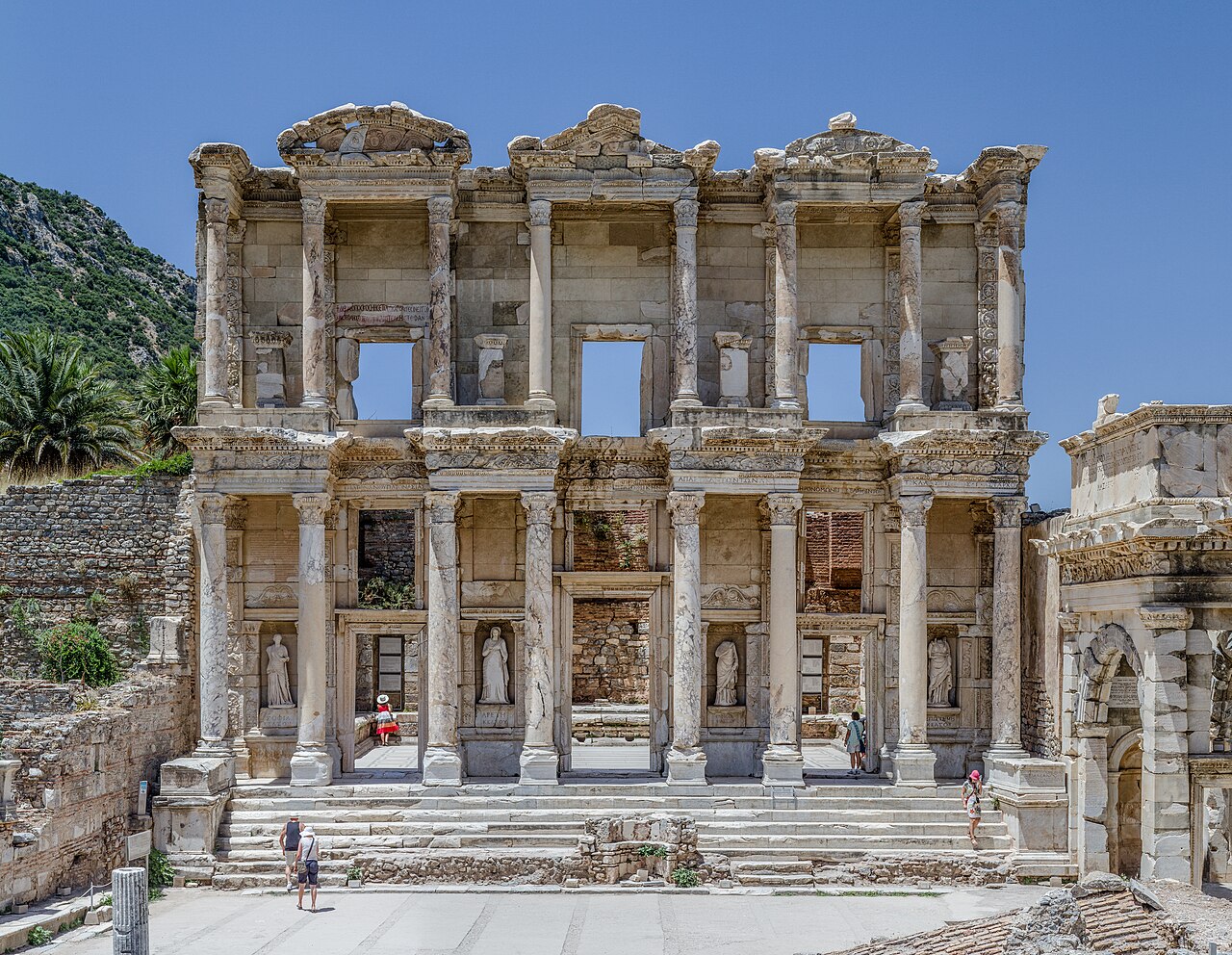
One of the greatest cities of the ancient Mediterranean world. Home to the Temple of Artemis (one of the Seven Wonders), the Library of Celsus, and a theatre seating 25,000.
İzmir, Aegean, Türkiye.
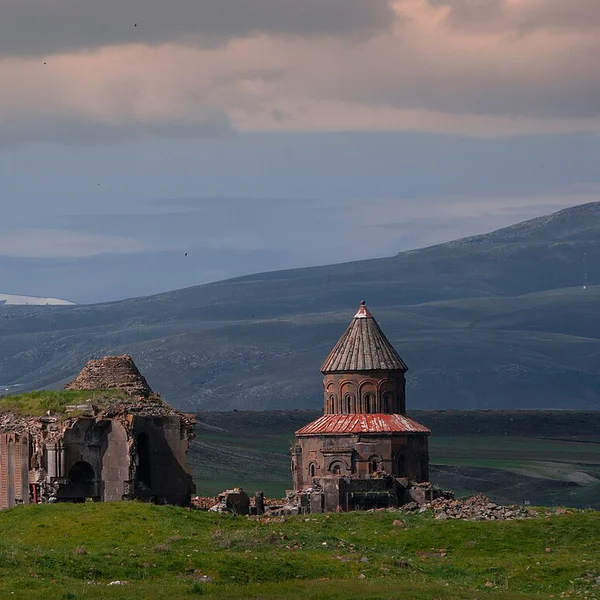
5. Ani
A medieval Armenian capital on the Turkish-Armenian border, once home to over 100,000 people. Its ruins include magnificent churches, mosques, and fortifications spanning centuries of multicultural history.
Kars, Eastern Anatolia, Türkiye.
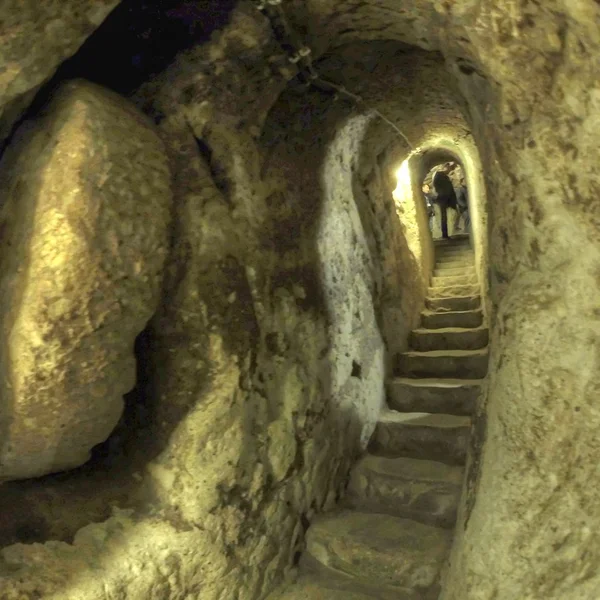
6. Derinkuyu
The deepest known underground city in the world, extending 85 meters below the surface with 18 levels. It could shelter approximately 20,000 people along with livestock and food stores.
Nevşehir, Central Anatolia, Türkiye.
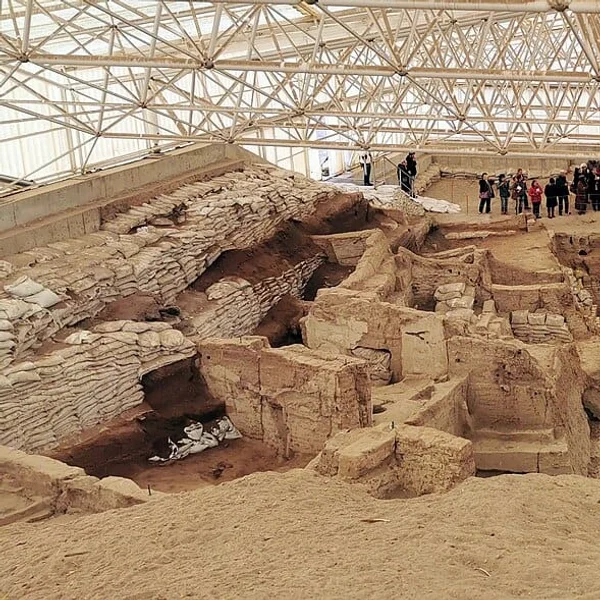
7. Çatalhöyük
One of the world's earliest known proto-urban settlements, occupied from roughly 7400 to 5600 BCE. Famous for its densely packed mudbrick houses, wall paintings, and evidence of a remarkably egalitarian Neolithic community.
Konya, Central Anatolia, Türkiye.
8. Ancyra (Ankara)
An ancient Phrygian and Galatian stronghold whose Roman Temple of Augustus preserves the only surviving complete copy of Augustus's political testament — the Monumentum Ancyranum — inscribed in both Latin and Greek.
Ankara, Central Anatolia, Türkiye.
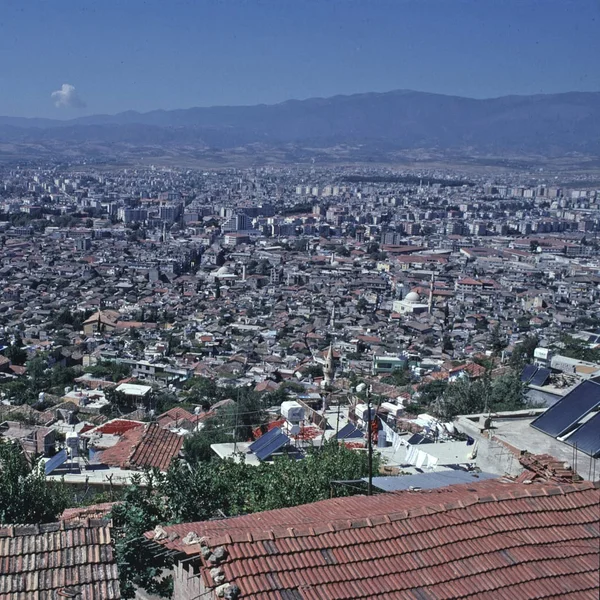
9. Antioch (Antakya)
One of the four great cities of the ancient world and a cradle of early Christianity. Antioch's extraordinary mosaics rival those of Pompeii, and its layered history spans Hellenistic, Roman, Byzantine, and Islamic civilizations.
Hatay, Southeastern Anatolia, Türkiye.
10. Pergamon
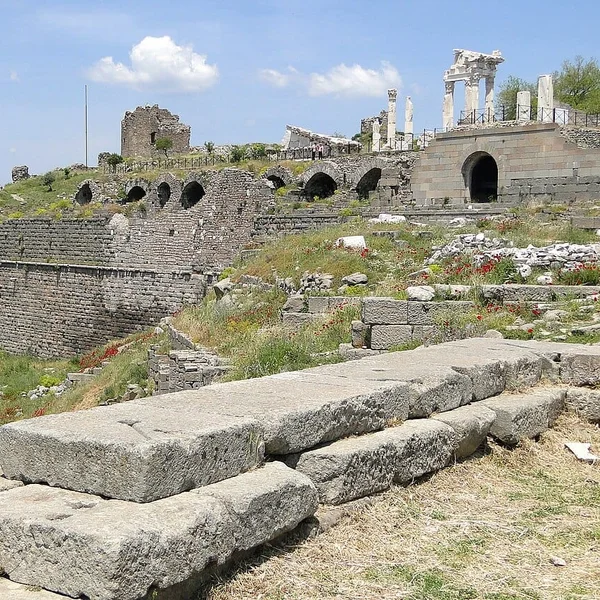
A major Hellenistic capital perched on a dramatic acropolis, renowned for its Great Altar, its library rivaling Alexandria, and the Asclepion healing center.
İzmir, Aegean, Türkiye.
11. Hierapolis
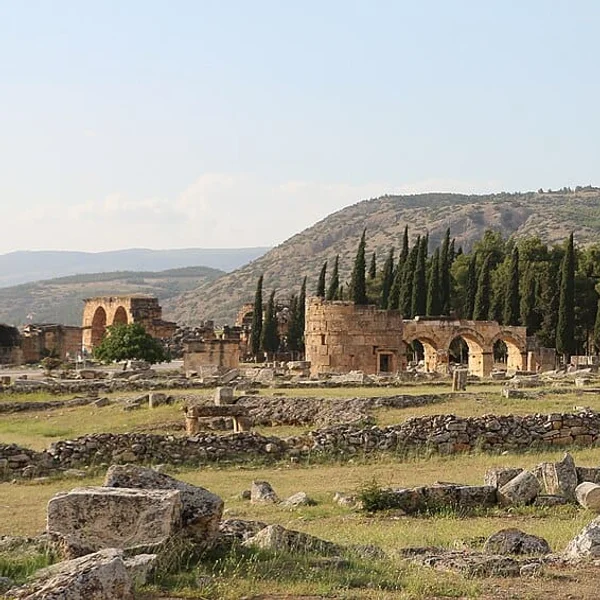
A Greco-Roman spa city perched above the famous white travertine terraces of Pamukkale. One of the best-preserved ancient cities in Turkey, with a vast necropolis, theatre, and the Plutonium — a gate to the underworld.
Denizli, Aegean, Türkiye.
12. Nemrut Dağ
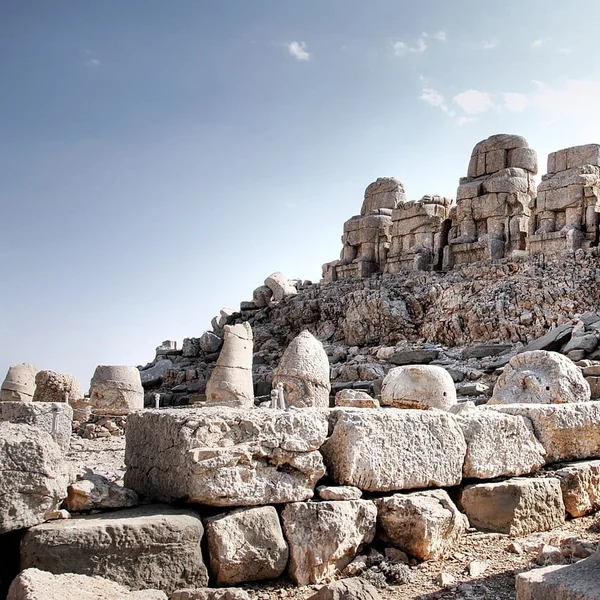
A remote mountaintop sanctuary at 2,134 meters elevation, featuring colossal stone heads of gods and King Antiochus I of Commagene. One of the most dramatic archaeological sites in the world.
Adıyaman, Southeastern Anatolia, Türkiye.
Every site above links to a full, evidence-based entry in the atlas, with maps, key facts, excavation history, photographs, and academic sources. Anatolia rewards slow, curious travel — and there are dozens more sites beyond this list waiting to be explored.
Türkiye
Troy
Nine settlement layers at Hisarlık in northwestern Türkiye, where Heinrich Schliemann dug for Homer's Troy and
Türkiye
Hagia Sophia
The supreme achievement of Byzantine architecture — a vast domed basilica built by the emperor Justinian in Co
Turkey
Göbekli Tepe
The world's oldest known monumental sanctuary, predating Stonehenge by roughly 6,000 years. Massive carved T-s
Türkiye
Ephesus
Major Ionian city near modern Selçuk, once home to the Temple of Artemis and later a Roman metropolis of marbl
Türkiye
Derinkuyu
The deepest known underground city in the world, extending 85 meters below the surface with 18 levels. It coul


