

Overview
Aihole (Aivalli) occupies a bend of the Malaprabha in Bagalkot district, about 13 km from Pattadakal. The Early Chalukyas of Badami developed the settlement as a workshop of temple types from the 6th through the 8th centuries CE. Henry Cousens counted well over a hundred structures; later ASI surveys treat clusters rather than a single “temple city” street.
The Durga temple — named for a later fortification (durga), not necessarily the goddess — is an apsidal hall with a peristyle, often read as a stone translation of Buddhist chaitya plans into a Hindu programme. Nearby, the Lad Khan temple, Ravana Phadi cave, Meguti Jain temple (inscribed 634 CE under Pulakeshin II), and Kontigudi group show experiments in mandapa, tower, and rock-cut shrine. James Fergusson and Cousens published 19th-century plans; George Michell’s later studies remain the standard walking archaeology.
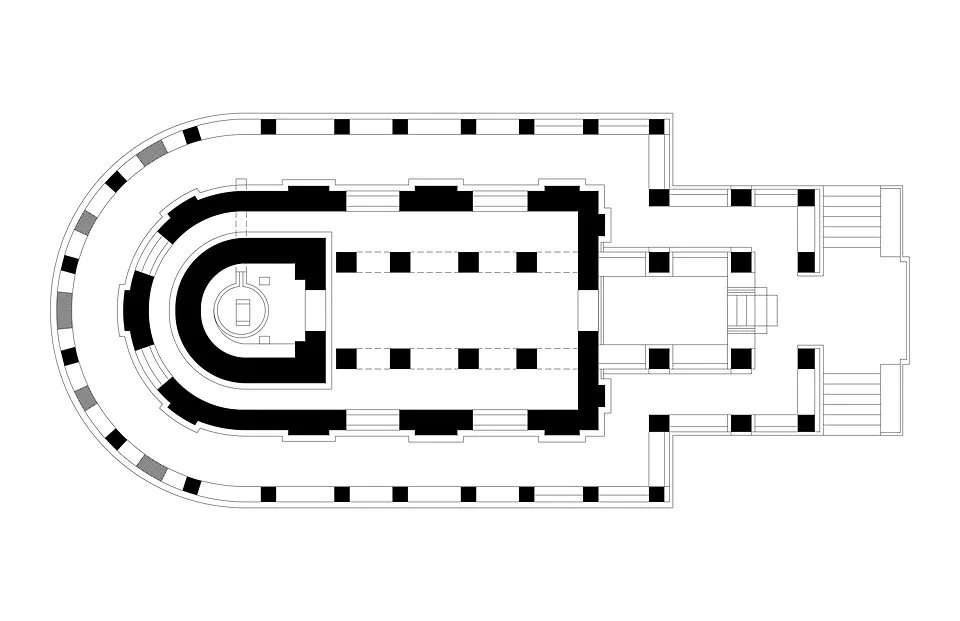
"The beloved son of the glorious Pulakeshin, whose horses drank the water of the Ganga and Yamuna, whose fame is sung by the dwellers of the three worlds, caused this temple of Jinendra to be built."
— Ravikirti, Meguti temple inscription at Aihole, 634 CE (Fleet, Indian Antiquary; public-domain tradition)
Aihole is an ASI protected landscape, not a UNESCO World Heritage property on its own. It sits on India’s tentative list with Badami and Pattadakal as “Evolution of Temple Architecture.” Walk it with Pattadakal for the commemorative ensemble and the Badami Cave Temples for the sandstone capital gorge.
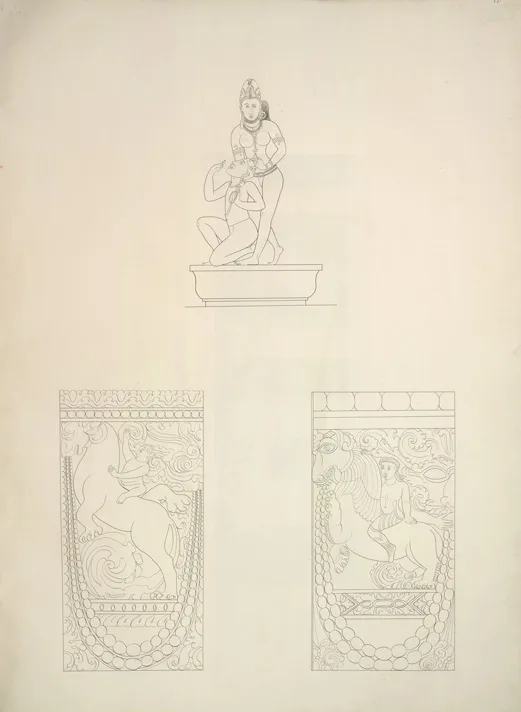
Visitor paths concentrate on the Durga–Lad Khan core; many outlying shrines remain unstaffed, so the published count of temples is larger than the circuit most people walk.