Overview
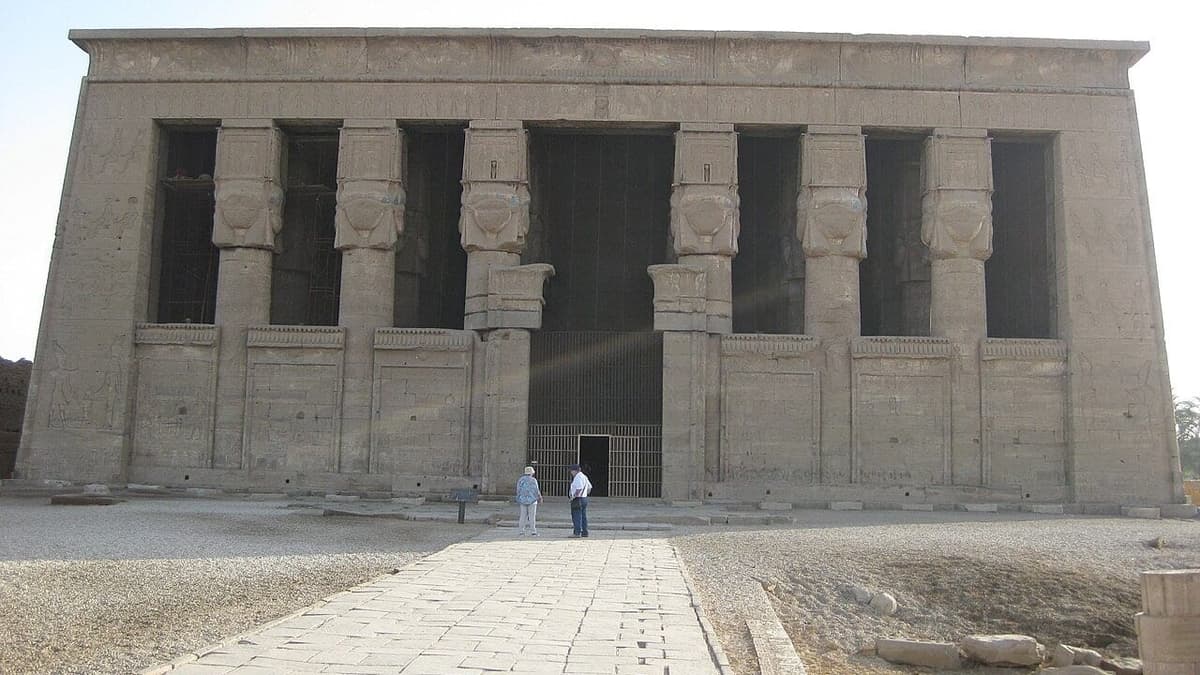
Located in Upper Egypt on the edge of the low desert wadi 11 km west of the Nile in Sohag Governorate, Abydos (ancient Egyptian Abdju) was venerated for over four millennia as one of ancient Egypt’s most sacred religious landscapes. From the dawn of state formation in the 4th millennium BCE through the Greco-Roman period, the city served as the prime royal necropolis of Egypt's earliest monarchs and the legendary earthly burial place and resurrection shrine of Osiris, lord of the underworld.
At the desert cemetery of Umm el-Qa’ab ("Mother of Pots"), pioneering excavations by Émile Amélineau (1895–1898), Sir Flinders Petrie (1899–1901), and Günter Dreyer of the German Archaeological Institute in Cairo (DAIK, from 1977 onwards) unsealed the tombs of the 1st and 2nd Dynasties. In Tomb U-j (c. 3200 BCE), Dreyer uncovered carved ivory and bone tags bearing the earliest legible proto-hieroglyphic administrative writing known in Egypt. Adjacent royal mastaba complexes contained the burials of united Egypt’s founding rulers, including Narmer, Hor-Aha, Djer, Den, Semerkhet, and Queen Merneith, surrounded by subsidiary retainer graves.
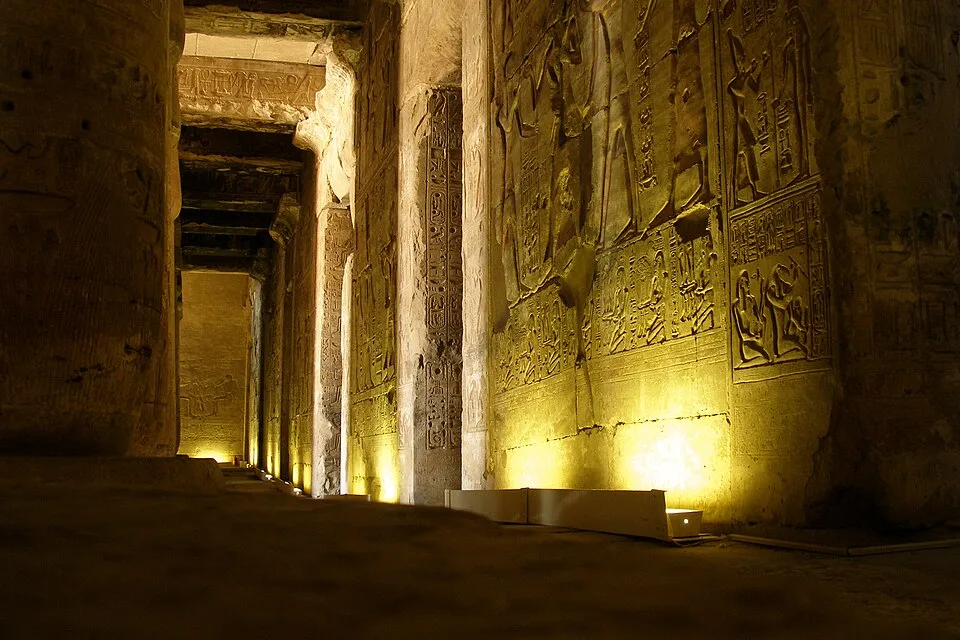
"Behold, my heart led me to perform a beneficent work for Osiris Khenty-Amentiu... I built for him an august temple of fine white limestone of Ayan, its beauty like that of the horizon of heaven."
— Seti I, Dedicatory Inscription at the Great Temple of Osiris, Abydos (c. 1290 BCE; Breasted, Ancient Records)
Near the cultivation stands Shunet ez-Zebib, the immense ceremonial funerary enclosure of 2nd Dynasty Pharaoh Khasekhemwy (c. 2700 BCE). Its niched mudbrick panel walls survive up to 12 meters in height, making it the oldest preserved monumental freestanding mudbrick royal enclosure on Earth. Just north of the enclosure, the Pennsylvania-Yale-Institute of Fine Arts expedition led by David O'Connor uncovered a flotilla of 14 Early Dynastic royal wooden fleet burials (c. 3000 BCE) measuring up to 22 meters long, each sealed in plaster-coated brick casings to sail Pharaoh through the afterlife.
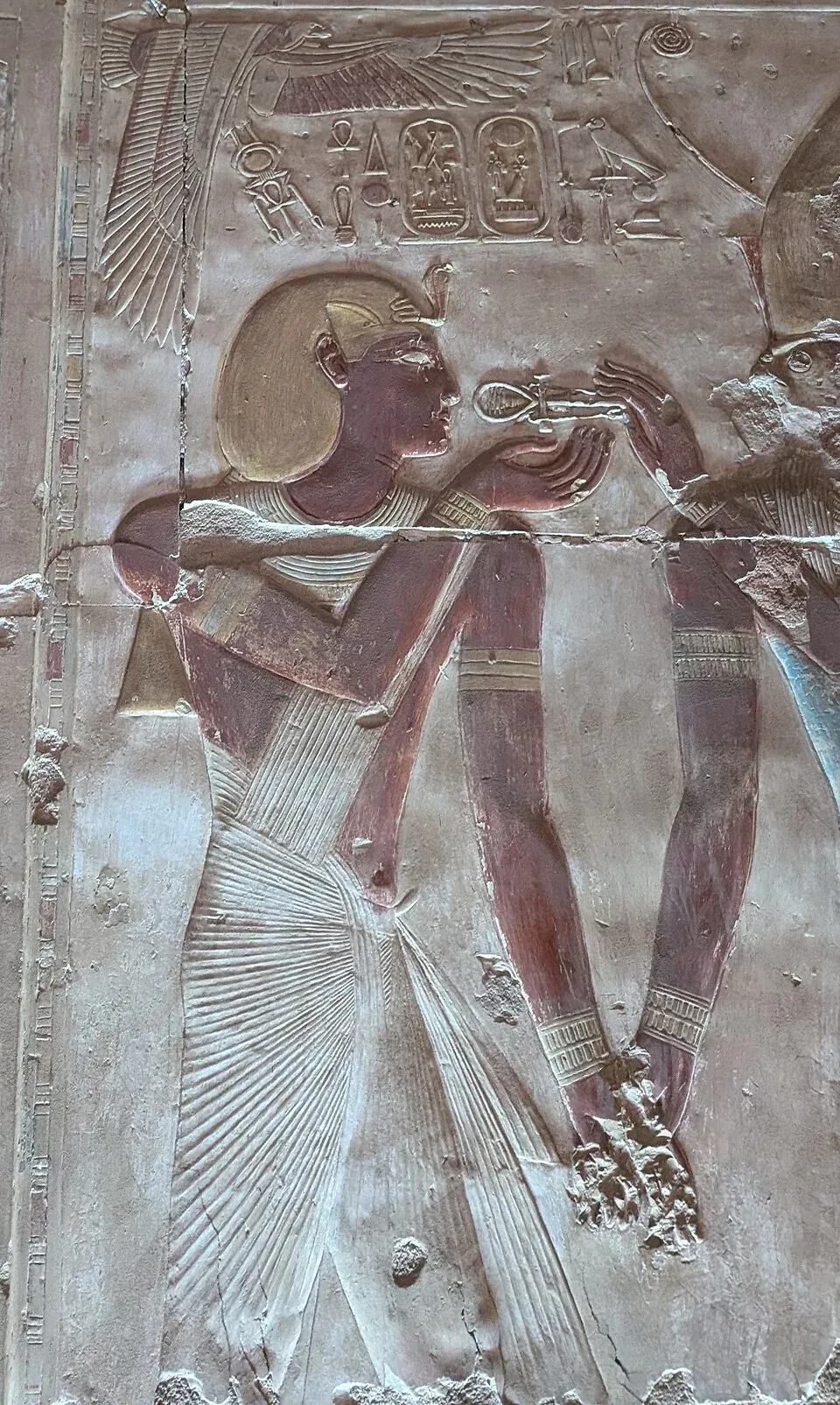
During the New Kingdom, Pharaoh Seti I (19th Dynasty, c. 1290–1279 BCE) transformed Abydos into an architectural showpiece by constructing the Great Temple of Osiris, renowned for the finest low-relief limestone carvings in Egyptian art. Within the Gallery of the Kings is carved the famous Abydos King List (Table of Abydos), an unbroken dynastic roll of 76 cartouches from Menes to Seti I that remains foundational to modern Egyptian chronology. Directly behind the temple sanctuary lies the Osireion: an astonishing subterranean cenotaph constructed of monolithic rose granite piers weighing up to 100 tonnes, designed as a central island surrounded by subterranean water channels symbolizing the primeval mound (benben) emerging from the primordial waters of Nun. Read Abydos alongside the royal pyramids at Saqqara and Memphis, the grand shrines of Karnak and Luxor Temple, and Seti I's tomb in the Valley of the Kings.