コンテンツへスキップ
Atlas Anatolia
ニュースIce Age teeth in Sulawesi push betel-nut use back as far as 25,000 yearsRoman mosaic and Eros head uncovered in the basilica at Pompeiopolis, Kastamonu
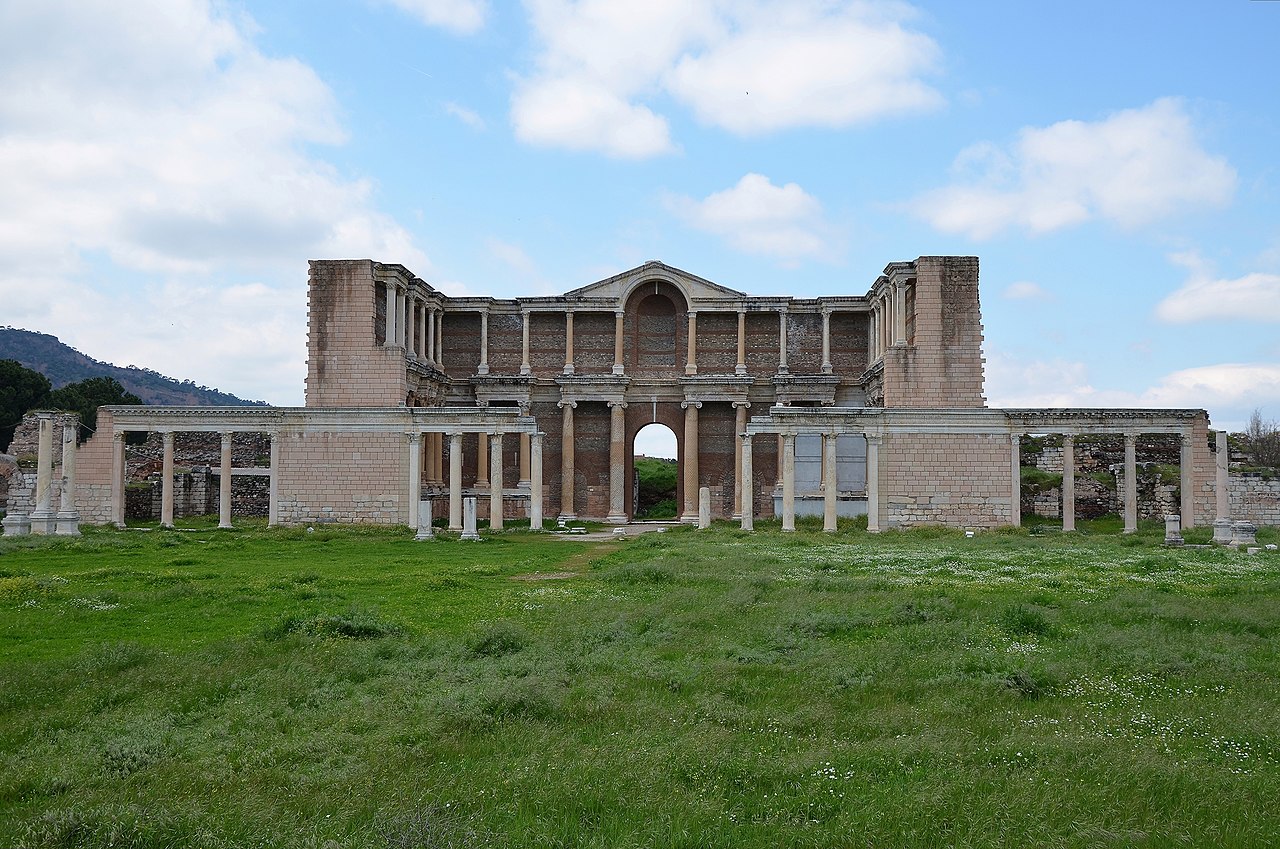
The Bath-Gymnasium complex at Sardis

Wikimedia Commons (CC BY-SA)

都市

Sardis

Seyfi Cem Baskin

Sart1200 紀元前 – 1402 西暦

Capital of the Lydian Kingdom, where coinage was likely invented. Home to King Croesus and his legendary wealth, with a massive Temple of Artemis and an impressive synagogue.

312
関心 63

所在地

Manisa · Aegean · トルコ

38.49°N · 28.04°E · アジア

Key Innovation

Invention of coinage

Famous King

Croesus (c. 560–546 BCE)

Temple Style

Ionic (one of the largest)

Date Range

c. 1200 BCE – 1402 CE

Major Destruction Event

Sacked by the Cimmerians c. 652 BCE and by Cyrus the Great in 546 BCE.

Notable Finds

Royal Lydian burial mounds (tumuli) at Bin Tepe, including the 'Tomb of Alyattes', one of the largest in Anatolia.

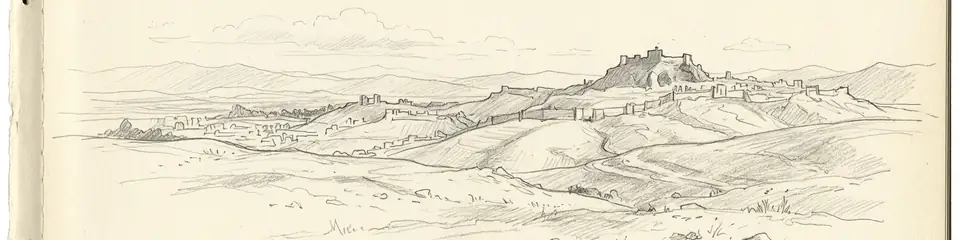
Graphite pencil sketch banner of Sardis

“Sardis was the birthplace of coinage — one of the most consequential innovations in economic history.”

Wikipediaより

Sardis was an ancient city best known as the capital of the Lydian Empire. The Lydians of Sardis are credited with being among the first people to mint coins, around 600 BCE. After the fall of the Lydian Empire, it became the capital of the Persian satrapy of Lydia.

Wikipediaで全文を読む →

所在地

概要

Sardis (modern Sart) in Manisa Province was the capital of the Lydian Kingdom from approximately the 7th to the 6th century BCE. Under King Croesus (reigned c. 560–546 BCE), Sardis was one of the wealthiest cities in the ancient world.

The Lydians of Sardis are credited with being among the first people to mint coins, around 600 BCE, using electrum (a natural gold-silver alloy) found in the nearby Pactolus River. This innovation transformed commerce across the ancient Mediterranean.

"Sardis is a great city, and the Lydians are the first people we know of to have struck and used gold and silver coinage."
— Herodotus, c. 440 BCE

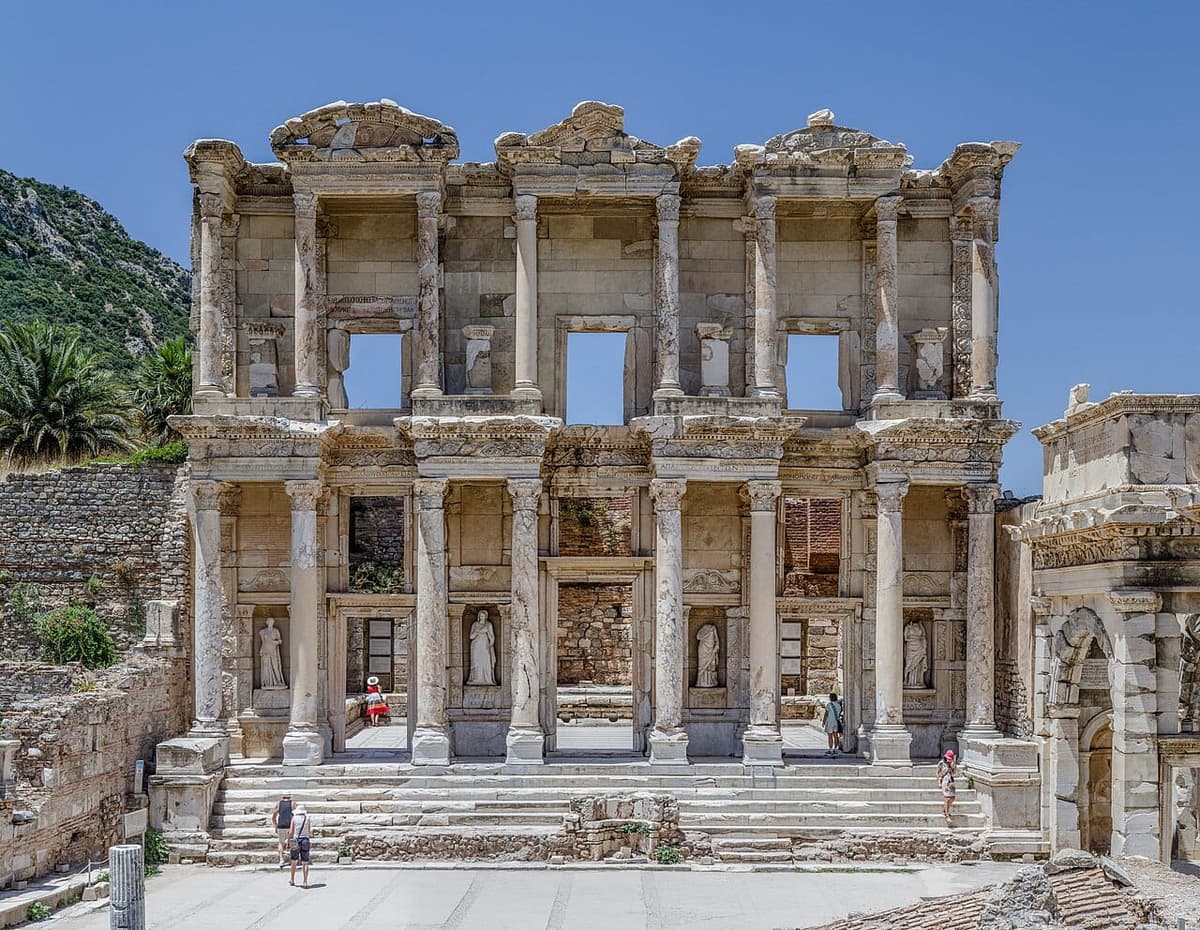
The site's most prominent surviving monument is the Temple of Artemis, one of the largest Ionic temples ever built. Though never completed, its standing columns remain impressive. The city also contains a remarkably well-preserved Roman-era synagogue, one of the largest ancient synagogues known, with elaborate mosaic floors and marble decoration.

Sardis continued as an important city through the Roman and Byzantine periods before its destruction during Tamerlane's campaigns in 1402.
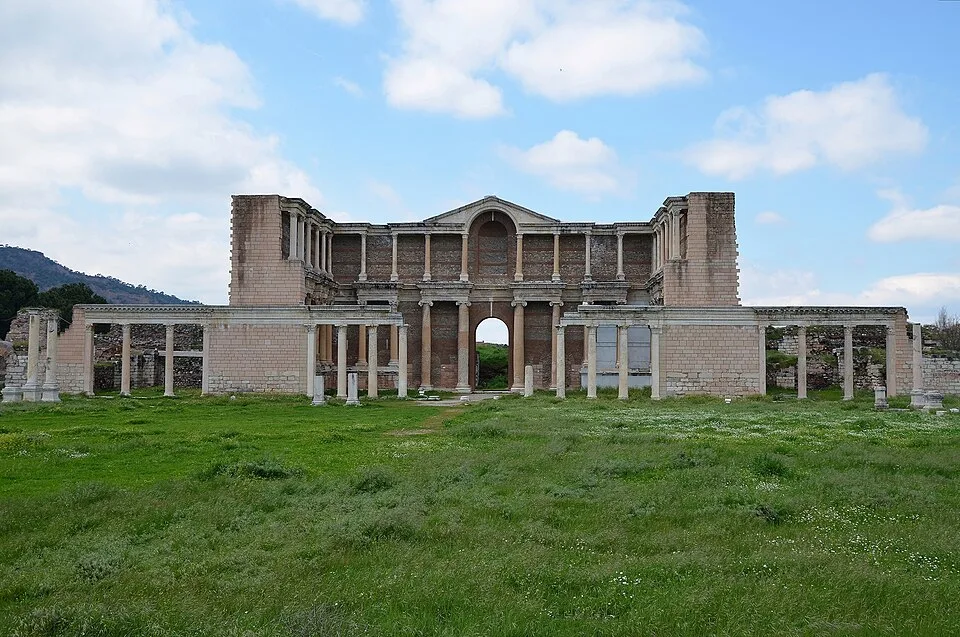
The Bath-Gymnasium complex at Sardis, late 2nd - early 3rd century AD, Sardis, Turkey (17098680002)
The Bath-Gymnasium complex at Sardis, late 2nd - early 3rd century AD, Sardis, Turkey (17098680002) | Carole Raddato from FRANKFURT, Germany (CC BY-SA 2.0)

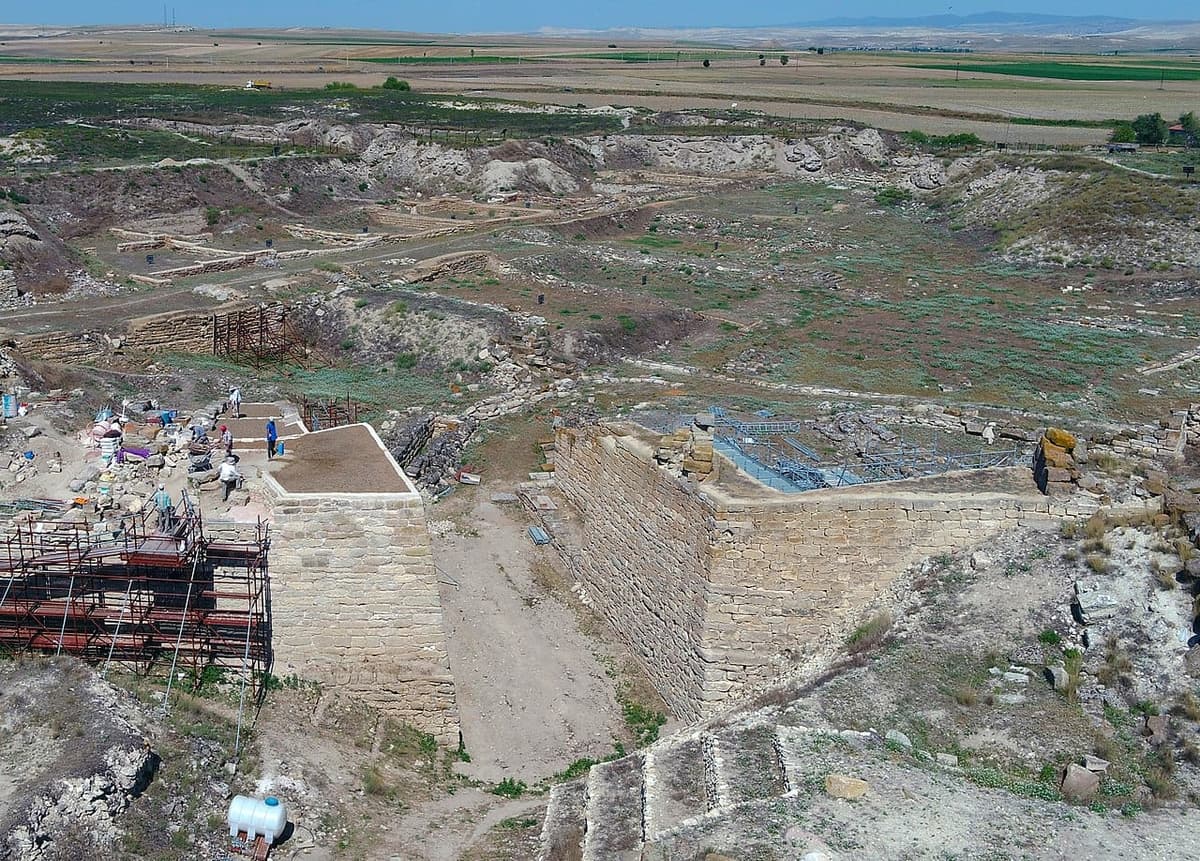
The city's urban fabric reveals a sophisticated society. Excavations have uncovered extensive Lydian residential and industrial quarters, including workshops for pottery, metalworking, and textile production, particularly the dyeing of wool, a major Lydian industry. The city's fortifications, including a massive mudbrick wall on the Acropolis, attest to its strategic importance. Following its capture by Alexander the Great in 334 BCE, Sardis became a major Hellenistic and later Roman provincial capital. This later phase is marked by monumental construction, including a vast bath-gymnasium complex and a marble-paved colonnaded avenue, transforming the city into a classic example of Roman urbanism in Asia Minor. Sardis remained a significant Byzantine center until its decline following its capture by the Turco-Mongol ruler Timur in 1402 CE, after which it was largely abandoned.
重要性

Sardis was the birthplace of coinage — one of the most consequential innovations in economic history. The Lydian electrum coins minted here around 600 BCE established the concept of standardized, state-guaranteed currency. The legendary wealth of King Croesus and the phrase "rich as Croesus" entered Western culture directly from Sardis. The site's large synagogue also provides important evidence for Jewish communities in Late Roman Asia Minor.

証拠と解釈

確立された事実と議論が続く事柄を区別する。

確立された事実

3
  • Lydian electrum coins from Sardis are among the earliest known coins in history, dating to c. 600 BCE.
  • The Sardis synagogue is one of the largest known ancient synagogues.
  • Croesus was the last king of Lydia before the Persian conquest by Cyrus the Great in 546 BCE.

学術的推論

1
  • The wealth of Sardis was partly based on gold-bearing deposits in the Pactolus River.

議論のある解釈

2
  • Whether Sardis or another Lydian city was the absolute first to mint coins remains a point of scholarly discussion.
  • Whether the large 'House of Bronzes' complex at Sardis was a royal palace, an administrative center, or a wealthy merchant's residence.

発見と発掘調査

1910–1914

Princeton expedition

指揮 Howard Crosby Butler / Princeton

Howard Crosby Butler led the first major excavation, uncovering the Temple of Artemis.

1958

Harvard-Cornell project

指揮 George Hanfmann / Harvard-Cornell

George M.A. Hanfmann began a long-term project that uncovered the Roman gymnasium complex and synagogue.

1969

Synagogue Excavation

指揮 Harvard-Cornell Expedition under George M.A. Hanfmann

Full-scale excavation of the monumental Late Roman synagogue, revealing its intricate mosaic floors and marble furnishings.

2008

Pactolus North Excavations

指揮 Archaeological Exploration of Sardis, Harvard Art Museums

Major excavations in the 'Pactolus North' sector uncovered extensive Lydian domestic and industrial quarters, including a gold refinery.

コミュニティ写真

あなたの体験を共有する

この遺跡を訪れたことがありますか?写真をアップロードして魅力を共有しましょう。

関連記事

このページの引用方法

Atlas Anatolia. (1200). Sardis. Atlas Anatolia. https://atlasanatolia.com/ja/site/sardis

コンテンツはCC BY-SA 4.0ライセンスの下で提供されています — 再利用の際は出典表示が必要です。

グラフ

関連する遺跡やストーリーへのつながり。

World History Encyclopediaで全文を読む
World History Encyclopedia · CC BY-NC-SA

出典

  • Sardis from Prehistoric to Roman Times — George M.A. Hanfmann (1983)
  • The Origins of Coinage in Lydia — Robert Wallace (2006)

よくある質問

Sardisはどこにありますか?

SardisはManisa, Aegean, Türkiyeに位置しています。

Sardisの年代はいつ頃ですか?

Sardisはおよそ1200 紀元前 – 1402 西暦のものとされています。

Sardisはどの文明に関連していますか?

SardisはRoman, Lydian, Byzantine, Greek文明に関連しています。

Sardisが重要な理由は何ですか?

Sardis was the birthplace of coinage — one of the most consequential innovations in economic history.

Sardisはユネスコ世界遺産ですか?

Sardisは現在ユネスコ世界遺産には登録されていません。