
コンテンツへスキップ
Atlas Anatolia
ニュースIce Age teeth in Sulawesi push betel-nut use back as far as 25,000 yearsRoman mosaic and Eros head uncovered in the basilica at Pompeiopolis, Kastamonu
Mud-brick ziggurat of Chogha Zanbil in Khuzestan

Wikimedia Commons (CC BY-SA 4.0)

Continent Record

Oldest Temple in Asia

神殿UNESCO注目

Chogha Zanbil

Seyfi Cem Baskin

چغازنبیل1250 紀元前 – 640 紀元前

The best-preserved ziggurat of ancient Elam — a mud-brick mountain raised by Untash-Napirisha in the 13th century BCE near Susa — anchors the archaeology of southwestern Iran.

21
関心 59

所在地

イラン

32.01°N · 48.52°E · アジア

Founder

Untash-Napirisha, mid-13th c. BCE

Ancient name

Dur-Untash

Excavated

Ghirshman, 1951–1962

UNESCO

Inscribed 1979

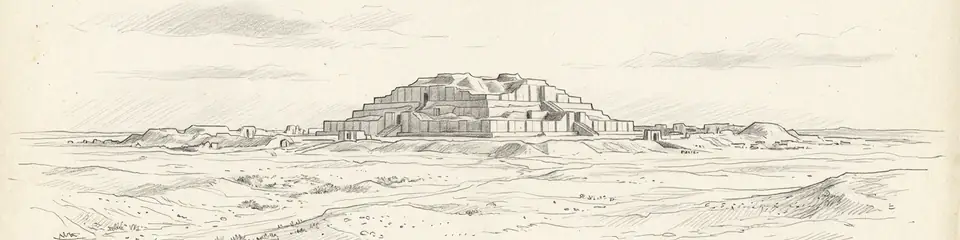
Graphite pencil sketch banner of Chogha Zanbil

“Chogha Zanbil is the most complete surviving ziggurat outside Mesopotamia’s alluvial heartland and the key monumental witness to Middle Elamite state religion.”

所在地

概要

Chogha Zanbil (Dur-Untash) stands in Khuzestan, Iran, about 40 km southeast of Susa. King Untash-Napirisha founded the sacred city in the mid-13th century BCE, dedicating its ziggurat to the gods Inshushinak and Napirisha. The stepped mud-brick tower originally rose in multiple terraces; baked-brick sheathing, glazed decoration, and surrounding temples, palaces, and a protective wall defined a major Elamite cult centre that was never finished to its full planned extent.

Assyrian campaigns under Ashurbanipal devastated Elam in the 7th century BCE; the site was thereafter largely abandoned and buried until Roman Ghirshman’s excavations (1951–1962) revealed the ziggurat’s plan. UNESCO inscribed Chogha Zanbil in 1979 as Iran’s first World Heritage property. Pair with Susa and Pasargadae for the Elamite-to-Achaemenid arc of southwestern Iranian capitals.

重要性

Chogha Zanbil is the most complete surviving ziggurat outside Mesopotamia’s alluvial heartland and the key monumental witness to Middle Elamite state religion. It shows how Elamite builders adapted Mesopotamian sacred architecture to local materials and politics.

証拠と解釈

確立された事実と議論が続く事柄を区別する。

確立された事実

2
  • Elamite brick inscriptions naming Untash-Napirisha and the gods Inshushinak and Napirisha secure the ziggurat’s royal dedication.
  • Ghirshman’s stratified clearance mapped terraces, temples, and the unfinished upper stages of the ziggurat.

学術的推論

1
  • Abandonment after Assyrian campaigns explains the exceptional survival of mud-brick mass under later desert cover.

コミュニティ写真

あなたの体験を共有する

この遺跡を訪れたことがありますか?写真をアップロードして魅力を共有しましょう。

このページの引用方法

Atlas Anatolia. (1250). Chogha Zanbil. Atlas Anatolia. https://atlasanatolia.com/ja/site/chogha-zanbil

コンテンツはCC BY-SA 4.0ライセンスの下で提供されています — 再利用の際は出典表示が必要です。

出典

  • Tchoga Zanbil (Dur-Untash) — Ghirshman, Roman (1966)
  • UNESCO — Tchogha Zanbilリンク

よくある質問

Chogha Zanbilはどこにありますか?

Chogha ZanbilはIranに位置しています。

Chogha Zanbilの年代はいつ頃ですか?

Chogha Zanbilはおよそ1250 紀元前 – 640 紀元前のものとされています。

Chogha Zanbilはどの文明に関連していますか?

Chogha ZanbilはElamite文明に関連しています。

Chogha Zanbilが重要な理由は何ですか?

Chogha Zanbil is the most complete surviving ziggurat outside Mesopotamia’s alluvial heartland and the key monumental witness to Middle Elamite state religion.

Chogha Zanbilはユネスコ世界遺産ですか?

はい — Chogha Zanbilはユネスコ世界遺産に登録されています。