

تخط إلى المحتوى
Atlas Anatolia
أخبارأسنان من العصر الجليدي في سولاويزي تدفع استخدام التنبول إلى ما يصل إلى 25,000 عاماكتشاف فسيفساء رومانية ورأس إيروس في بازيليكا بومبيوبوليس، كاستامونو
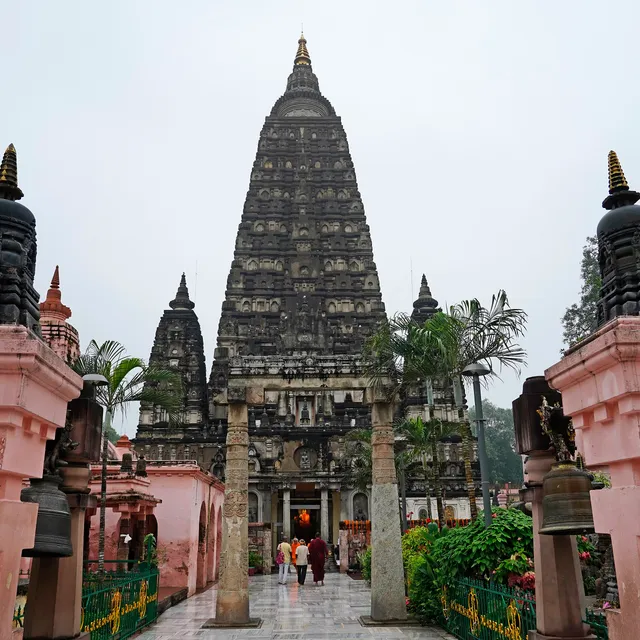
The Mahabodhi Temple at Bodh Gaya, Bihar, India

Wikimedia Commons

Country Record

Oldest Temple in India

معبداليونسكومميز

Bodh Gaya

Seyfi Cem Baskin

बोधगया500 ق.م – 1900 م

The place where Siddhartha Gautama attained enlightenment under the Bodhi tree — marked by the soaring Mahabodhi Temple in Bihar, India — the holiest pilgrimage site in Buddhism and a UNESCO World Heritage monument drawing devotees from across Asia.

21
اهتمام 73

Event

Traditional site of the Buddha's enlightenment, c. 5th century BCE

Ashoka

3rd-century BCE shrine tradition; Vajrasana slab attributed to his period

Temple height

Mahabodhi tower ~55 m, mainly Gupta-period fabric

UNESCO

Mahabodhi Temple Complex (2002)

Graphite pencil sketch banner of Bodh Gaya

“Bodh Gaya is the geographic anchor of the Buddhist world — every major Buddhist tradition traces its origin narrative to this spot.”

الموقع

نظرة عامة

Bodh Gaya stands on the bank of the Niranjana (Lilajan) River in Gaya district, Bihar, northeastern India. Buddhist tradition locates here the Bodhi tree under which Siddhartha Gautama meditated and awakened as the Buddha, circa 5th century BCE. Emperor Ashoka is credited with founding a shrine at the site in the 3rd century BCE; the present Mahabodhi Temple — a pyramidal brick tower rising about 55 metres — largely dates to the Gupta period (5th–6th centuries CE) with later restorations by Burmese, Sinhalese, and British-era archaeologists.

The Vajrasana (Diamond Throne) red sandstone slab marks the traditional spot of enlightenment inside the sanctum. Surrounding the main temple are smaller shrines, the Bodhi tree (a descendant of the original), monasteries built by Buddhist nations (Thai, Japanese, Bhutanese, Tibetan), and the Great Buddha statue (21st century). The Archaeological Survey of India manages the core complex; UNESCO listed the Mahabodhi Temple in 2002.

Bodh Gaya hosts major festivals including Buddha Purnima and attracts hundreds of thousands of pilgrims annually, making it among the most significant living religious archaeological sites in the world.
لماذا يهم

Bodh Gaya is the geographic anchor of the Buddhist world — every major Buddhist tradition traces its origin narrative to this spot. The Mahabodhi Temple is one of the earliest surviving brick temples in India and a key document of Gupta-period sacred architecture.

الأدلة والتفسير

التمييز بين ما هو راسخ وما لا يزال موضع نقاش.

حقائق راسخة

2
  • Ashokan pillar fragments and epigraphic references document royal patronage at Bodh Gaya in the 3rd century BCE.
  • Architectural and inscriptional evidence dates the core Mahabodhi Temple tower to the Gupta period with documented later restorations.

استنتاجات علمية

1
  • The identification of the exact Bodhi tree lineage is traditional; botanical descent is plausible but not provable across 2,500 years.

صور المجتمع

شارك تجربتك

هل قمت بزيارة هذا الموقع؟ ارفع صورك لمساعدة الآخرين في اكتشافه.

قصص ذات صلة

كيفية الاستشهاد بهذه الصفحة

Atlas Anatolia. (500). Bodh Gaya. Atlas Anatolia. https://atlasanatolia.com/ar/site/bodh-gaya

المحتوى مرخّص بموجب CC BY-SA 4.0 — يجب ذكر المصدر عند إعادة الاستخدام.

رسم بياني

روابط بالمواقع والقصص ذات الصلة.

المصادر

  • Sacred Traces: British Explorations of Buddhism in South Asia — Leoshko, Janice (2003)
  • UNESCO — Mahabodhi Templeرابط

الأسئلة الشائعة

أين يقع Bodh Gaya؟

يقع Bodh Gaya في India.

كم يبلغ عمر Bodh Gaya؟

يعود تاريخ Bodh Gaya إلى حوالي 500 ق.م – 1900 م.

ما هي الحضارات المرتبطة بـ Bodh Gaya؟

يرتبط Bodh Gaya بحضارة Mauryan, Gupta.

لماذا يعتبر Bodh Gaya مهماً؟

Bodh Gaya is the geographic anchor of the Buddhist world — every major Buddhist tradition traces its origin narrative to this spot.

هل Bodh Gaya موقع تراث عالمي لليونسكو؟

نعم — Bodh Gaya مدرج في قائمة التراث العالمي لليونسكو.