
Перейти к содержанию
Atlas Anatolia
НовостиЗубы ледникового периода на Сулавеси отодвигают использование бетеля на 25 000 лет назадРимская мозаика и голова Эрота обнаружены в базилике Помпейополиса, Кастамону
Lachish relief from Sennacherib's palace at Nineveh, now in the British Museum

Wikimedia Commons

Город

Nineveh

Seyfi Cem Baskin

نينوى705 до н. э. – 612 до н. э.

The greatest city of the Neo-Assyrian Empire — Sennacherib's "city without rival" on the Tigris across from modern Mosul, with 80 kilometres of walls enclosing palaces, hanging gardens, and the world's first great library: 30,000 clay tablets assembled by Ashurbanipal recording the full scope of Mesopotamian knowledge.

311
Интерес 75

Местоположение

Ирак

36.36°N · 43.16°E · Азия

Peak period

Neo-Assyrian capital under Sennacherib (705–681 BCE)

City walls

~80 km perimeter (documented in Sennacherib's annals)

Palace Without Rival

Sennacherib's palace: ~10,000 m² with ~3 km of carved relief panels

Ashurbanipal's Library

~30,000 clay tablets including the Epic of Gilgamesh (668–627 BCE)

Destruction

612 BCE — sacked by Babylonian-Median coalition

Key excavators

Austen Henry Layard (1845–51), Hormuzd Rassam (1852–54)

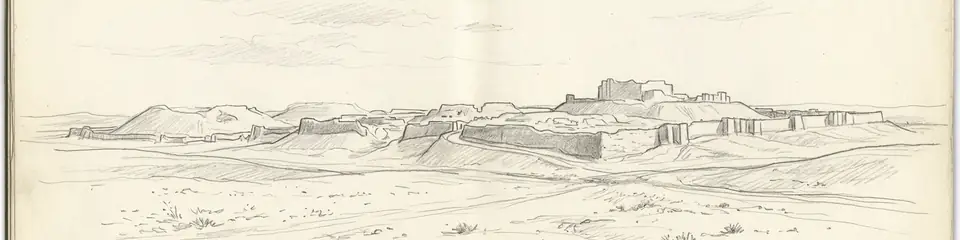
Graphite pencil sketch banner of Nineveh

“Nineveh is the source of some of the most important textual and artistic material from the ancient world.”

Местоположение

Обзор

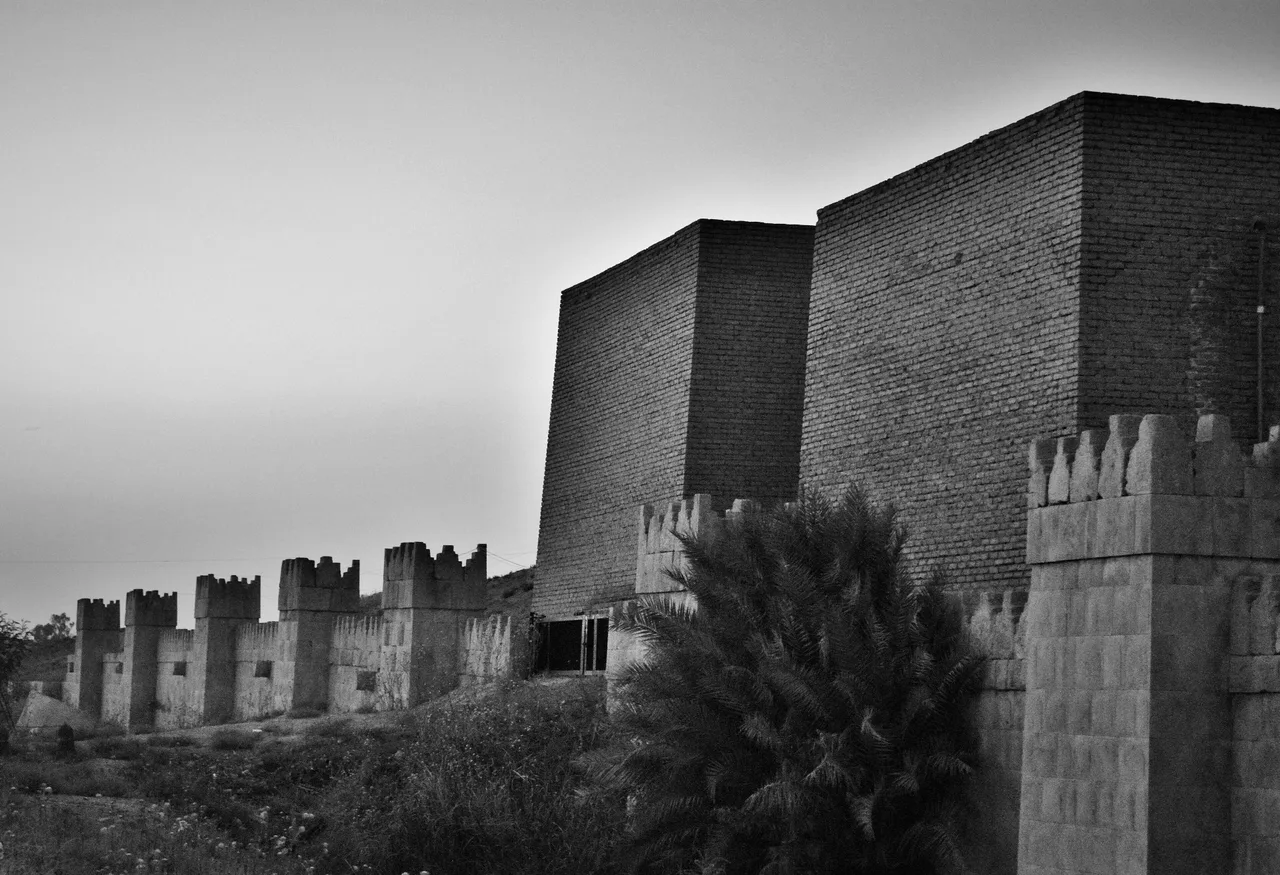
Nineveh stands on the east bank of the Tigris River, now enclosed within the urban sprawl of Mosul in northern Iraq. The ancient city mound forms two principal tells: Kuyunjik (the main citadel, approximately 40 hectares) and Nebi Yunus (traditionally the burial place of the Prophet Jonah, now largely inaccessible under a mosque and residential buildings). The site has been occupied since at least the seventh millennium BCE, with Neolithic and Halaf-period levels below the later Assyrian remains.

Nineveh reached its greatest extent under Sennacherib (r. 705–681 BCE), who declared it his capital and undertook one of the most ambitious urban building programs of antiquity. His "Palace Without Rival" on Kuyunjik covered approximately 10,000 square metres of floor area and was decorated with 2 to 3 kilometres of carved limestone relief panels depicting military campaigns, royal hunts, and ritual scenes. The outer city walls, as described in his annals and confirmed by archaeological survey, enclosed approximately 750 hectares — enormous by ancient standards — making Nineveh one of the largest cities in the world at the time, with an estimated population of 100,000–150,000.

Sennacherib's son Esarhaddon and grandson Ashurbanipal (r. 668–627 BCE) continued the palace complex. Ashurbanipal's North Palace contained the Royal Library: a systematic collection of approximately 30,000 clay tablets assembled from scribal schools and temple libraries across Mesopotamia, including the most complete copy of the Epic of Gilgamesh (the world's oldest literary epic), omen texts, astronomical records, medical treatises, and mythological narratives. The tablets were intentionally organized — labeled, catalogued, and cross-referenced — making this arguably the world's first deliberately assembled reference library.

Nineveh fell in 612 BCE to a coalition of Babylonians, Medes, and Scythians. The city was sacked and burned with a thoroughness that seemed, to ancient writers, almost providential — the Hebrew prophet Nahum had predicted it, and classical writers used the destruction of Nineveh as a moral exemplum for the inevitable downfall of arrogant empires. The burning of the palace actually preserved the clay tablets, which were fired by the conflagration into the durable objects that Layard and Rassam excavated in the 1840s–1850s and sent to the British Museum.

Почему это важно

Nineveh is the source of some of the most important textual and artistic material from the ancient world. The tablets from Ashurbanipal's library, excavated in the 1850s and now in the British Museum, include the first-known literary epic (Gilgamesh), the earliest astronomical observation records, Babylonian creation myths (Enuma Elish), and thousands of medical, magical, and administrative texts that form the foundation of Assyriology. The relief sculptures from Sennacherib's and Ashurbanipal's palaces — particularly the Lion Hunt reliefs, considered among the finest achievements of ancient sculpture — are key works in the history of art. The site suffered severe damage from ISIS between 2014 and 2016, when the Mosul Museum was looted, the reconstructed Nergal Gate was bulldozed, and excavations were conducted to sell antiquities. Recovery and documentation work has resumed since 2017.

Свидетельства и интерпретация

Различать, что хорошо установлено, а что остаётся предметом дискуссий.

Хорошо установленные факты

3
  • Ashurbanipal's library tablets were excavated by Layard and Rassam in the 1840s–1850s and are now in the British Museum. They include approximately 30,000 fragments, of which several thousand have been translated. The tablets bear library marks, catalogue entries, and colophons — proof of intentional systematic collection.
  • The Lion Hunt reliefs from Ashurbanipal's North Palace (Room S, British Museum, Room 10) are among the most celebrated works of ancient art: naturalistic depictions of dying lions with a dynamic anatomical accuracy unparalleled in the ancient Near East.
  • The Lachish relief panels from Sennacherib's palace depict the Assyrian siege of Lachish (701 BCE) with such topographic and military detail that they have been used, with the Biblical account and archaeological remains at Lachish, to reconstruct the siege sequence.

Научные выводы

1
  • Sennacherib's annals describe hanging gardens at Nineveh — irrigated terraced gardens filled with exotic plants. Some scholars now argue that the "Hanging Gardens of Babylon" of later legend were actually at Nineveh, based on the aqueduct evidence and Sennacherib's own descriptions. This hypothesis is advocated by Stephanie Dalley but remains contested.

Спорные интерпретации

1
  • The population estimate of 100,000–150,000 for Neo-Assyrian Nineveh is inferred from city wall perimeter and settlement density models. Sennacherib's annals claim 120,000 people were killed in Babylon — suggesting Nineveh's population was of comparable scale — but ancient population counts are unreliable. The actual figure is unknown.

Фотографии сообщества

Поделитесь своими впечатлениями

Вы посещали это место? Загрузите свои фотографии, чтобы помочь другим открыть его для себя.

Как цитировать эту страницу

Atlas Anatolia. (705). Nineveh. Atlas Anatolia. https://atlasanatolia.com/ru/site/nineveh

Материалы распространяются по лицензии CC BY-SA 4.0 — при повторном использовании указание авторства обязательно.

Источники

  • Nineveh and Its Remains — Layard, Austen Henry (1849)
  • The Mystery of the Hanging Garden of Babylon — Dalley, Stephanie (2013)
  • Sennacherib's Palace Without Rival at Nineveh — Russell, John Malcolm (1991)

Часто задаваемые вопросы

Где находится Nineveh?

Nineveh находится в Iraq.

Сколько лет Nineveh?

Nineveh датируется приблизительно 705 до н. э. – 612 до н. э..

С какими цивилизациями связано место Nineveh?

Nineveh связано с цивилизацией: Babylonian, Assyrian.

Почему Nineveh имеет важное значение?

Nineveh is the source of some of the most important textual and artistic material from the ancient world.

Входит ли Nineveh в список Всемирного наследия ЮНЕСКО?

Nineveh в настоящее время не включено в список Всемирного наследия ЮНЕСКО.