
콘텐츠로 건너뛰기
Atlas Anatolia
디그
뉴스술라웨시 빙하기 치아에서 빈랑 사용 25,000년 전까지 소급카스타모누 폼페이오폴리스 바실리카에서 로마 모자이크와 에로스 두상 발견
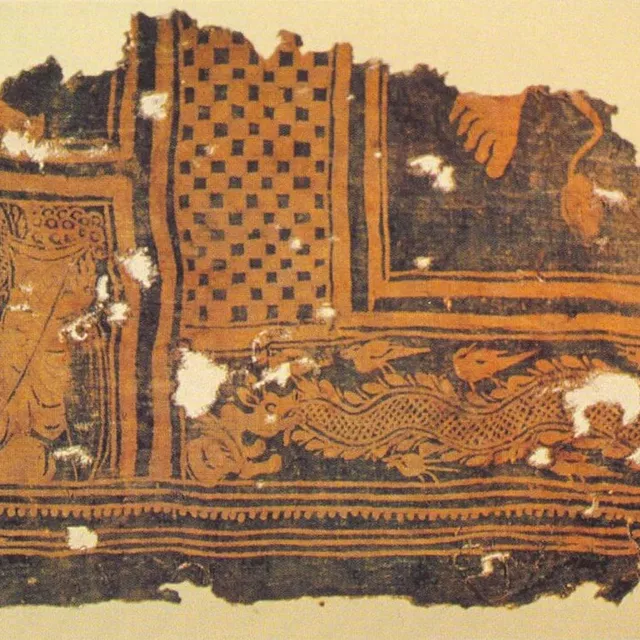
Ancient textile fragment associated with finds from the Niya oasis excavations

Wikimedia Commons

정착지

Niya

Seyfi Cem Baskin

尼雅遗址100 기원전 – 500 서기

A Silk Road oasis settlement swallowed by desert sands in the southern Tarim Basin — excavated wooden houses, orchards, and bilingual administrative documents that illuminate daily life in the Kroraina (Loulan) cultural sphere under Kushan and Chinese spheres of influence.

21
관심 40

위치

중국

37.98°N · 82.72°E · 아시아

Environment

Desert-buried oasis in the southern Taklamakan

Famous excavator

Aurel Stein — wooden houses and Kharoṣṭhī tablets

Documents

Administrative texts in Kharoṣṭhī and Chinese

Cultural sphere

Kroraina (Loulan) / southern Tarim oasis network

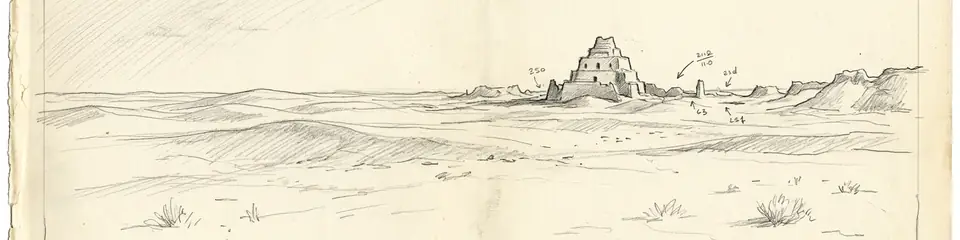
Graphite pencil sketch banner of Niya

“Niya makes the Silk Road concrete: not only caravans and empires, but tax records, marriage contracts, and orchard plots preserved house by house under sand.”

위치

개요

Niya lies deep in the Taklamakan Desert of southern Xinjiang, roughly along ancient routes between Khotan and Loulan (Kroraina). Once a riverside oasis settlement — identified with Cadota in some Classical and Chinese itineraries — it flourished in the early centuries CE before shifting river courses and dune advance buried houses, orchards, graves, and archives under sand.

Aurel Stein’s early 20th-century excavations famously recovered wooden architecture still standing in the sand, Kharoṣṭhī administrative tablets, Chinese documents, textiles, and everyday artefacts that together form one of the richest “frozen in sand” archives of Inner Asian oasis life. Later Chinese expeditions mapped additional house compounds and cemeteries. Organic preservation — wood, leather, paper — is extraordinary because of extreme aridity.
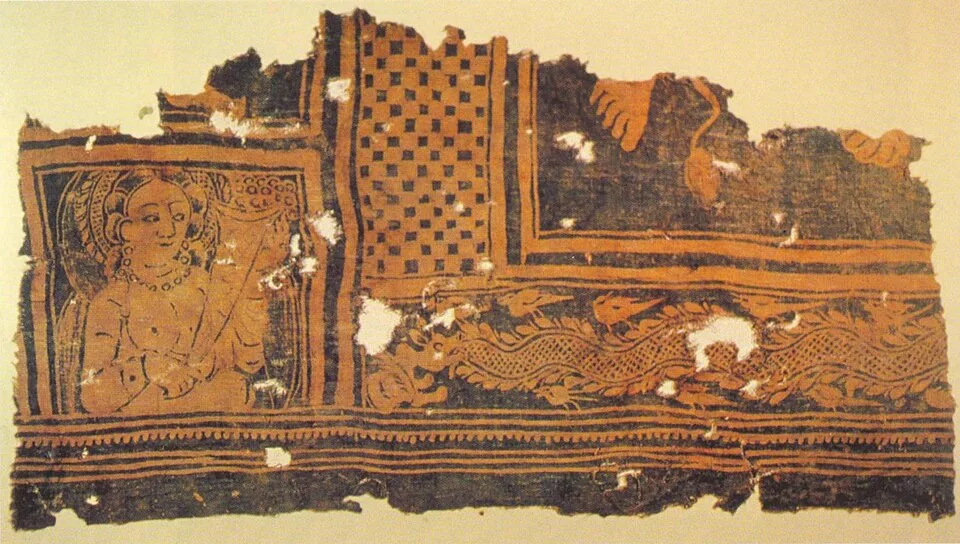
Niya batik
Niya batik | Unknown authorUnknown author (Public domain)
"Wooden houses stand yet in the sand, as though their owners had stepped out for a day; tablets of wood still recite rents, marriages, and the law of Cadota."
— Paraphrase of Aurel Stein's impressions at Niya, early 20th century

Niya’s bilingual paperwork captures a society negotiating Indian scripts and administrative habits with Chinese imperial and local oasis politics — a microcosm of southern Silk Road connectivity.
중요성

Niya makes the Silk Road concrete: not only caravans and empires, but tax records, marriage contracts, and orchard plots preserved house by house under sand. It is foundational for studying the Kroraina cultural zone and the reach of Kushan-era documentary culture into the Tarim Basin.

증거와 해석

확립된 사실과 논쟁 중인 사항을 구분합니다.

잘 확립된 사실

2
  • Excavated wooden architecture and stratified finds establish a long-lived oasis settlement abandoned to sand encroachment.
  • Kharoṣṭhī and Chinese documents provide primary administrative evidence for local governance and trade.

학술적 추론

1
  • Abandonment followed hydrological change and dune advance cutting off reliable river irrigation.

커뮤니티 사진

당신의 경험을 공유하세요

이 유적지를 방문하셨나요? 다른 탐험가들을 위해 사진을 업로드해 보세요.

관련 이야기

이 페이지 인용 방법

Atlas Anatolia. (100). Niya. Atlas Anatolia. https://atlasanatolia.com/ko/site/niya

콘텐츠는 CC BY-SA 4.0 라이선스에 따라 제공됩니다 — 재사용 시 출처 표시가 필요합니다.

그래프

관련 유적지와 스토리로의 연결.

출처

  • Ancient Khotan — Stein, M. Aurel (1907)
  • The Silk Road: A New History — Hansen, Valerie (2012)

자주 묻는 질문

Niya은(는) 어디에 위치해 있나요?

Niya은(는) China에 위치해 있습니다.

Niya의 연대는 언제인가요?

Niya의 연대는 대략 100 기원전 – 500 서기로 거슬러 올라갑니다.

Niya과(와) 관련된 고대 문명은 무엇인가요?

Niya은(는) Han, Kroraina (Loulan) 문명과 관련이 있습니다.

Niya이(가) 중요한 이유는 무엇인가요?

Niya makes the Silk Road concrete: not only caravans and empires, but tax records, marriage contracts, and orchard plots preserved house by house under sand.

Niya은(는) 유네스코 세계유산인가요?

Niya은(는) 현재 유네스코 세계유산 목록에 등재되어 있지 않습니다.